


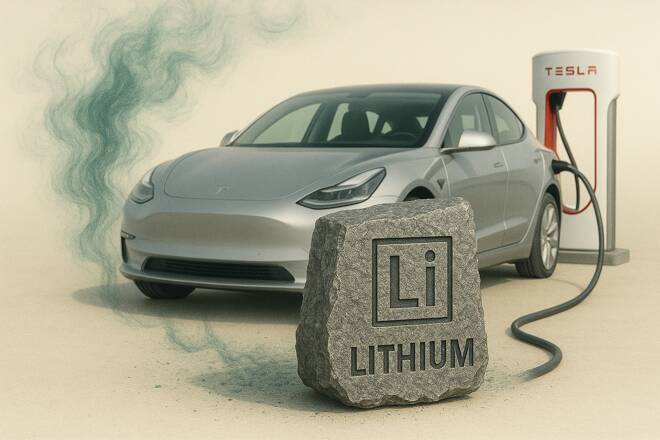
Energy Metals are gaining renewed interest as higher oil prices and loose financial conditions support a rotation into strategic commodities. The pressure from expensive crude is strengthening the long term case for electric vehicles, battery storage and grid investment. In my view, this shift sets the stage for stronger gains in lithium and a breakout in copper over the next few months. This article discusses how oil shocks, inflation pressure, EV demand and supply chain risks are shaping the next move in copper (XCU) and lithium.
Macro Drivers – Oil Shock and Loose Liquidity Drive the Energy Metals Rotation
Loose Financial Conditions Support Energy Metals and Mining Stocks
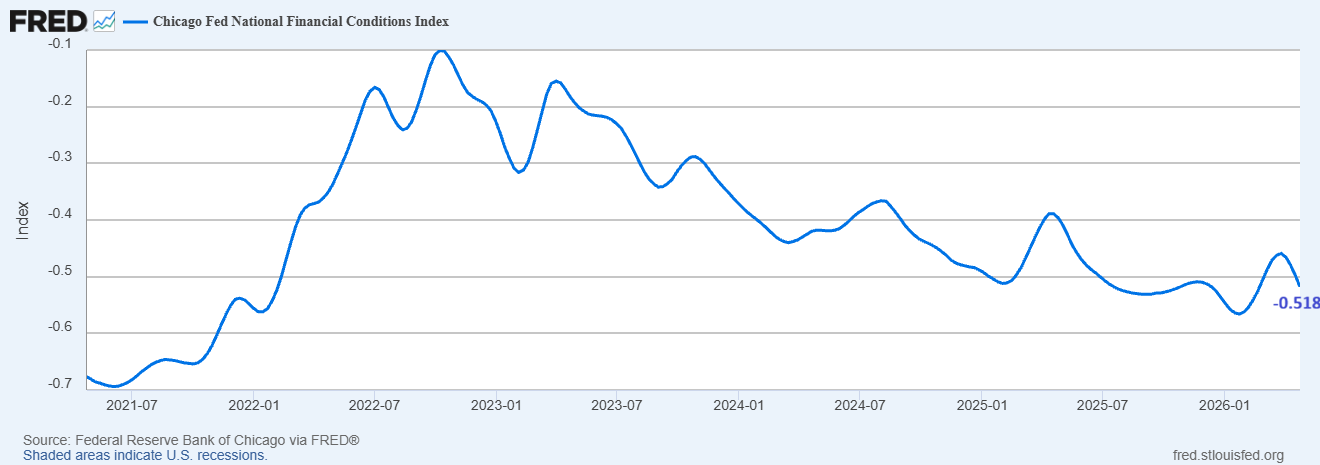
The financial conditions are becoming easier. Chicago Fed National Financial Conditions Index has dropped to -0.518 and this is an indication of loose monetary conditions. This is relevant to energy metals since loose liquidity supports risk assets, mining stocks, and long duration growth themes like electric vehicles, batteries and clean energy infrastructure.
On the other hand, Bitcoin (BTC) has recovered above $80,000 which confirms that investors are taking a greater risk. This indicates that liquidity continues to make its way into speculative and growth sensitive investments. This shift can be beneficial to the energy metals since the energy metals will be at the centre of the next investment cycle.
Lithium, copper, nickel, cobalt, graphite and rare earths are no longer only industrial inputs as they are now also used as inputs in the energy sector. These metals are associated with EV adoption, grid expansion, battery storage, AI data centers and strategic supply chains.
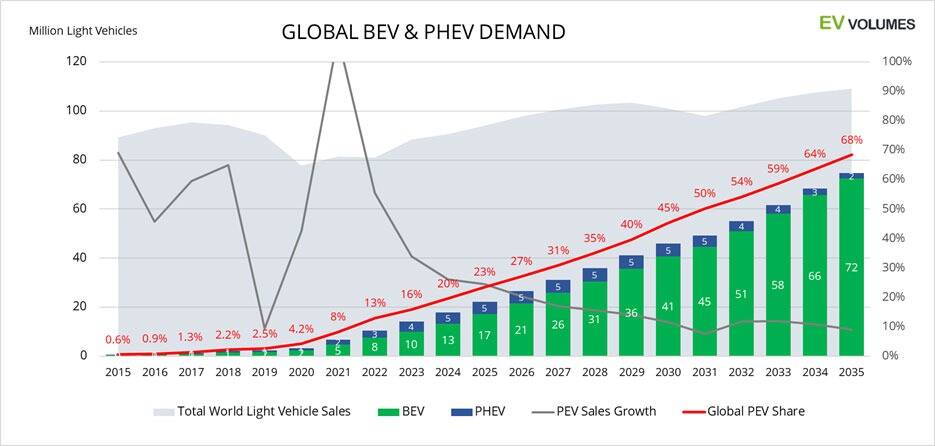
According to EV Volumes, the BEV and PHEV are likely to cross 70 million vehicles by 2035 as seen in the chart below.
Moreover, the market size of global AI data centres is likely to reach to $157 billion by 2034. The surge in the AI and EV industries will push the demand for lithium, copper and other energy metals.

Nevertheless, the Treasury market is one of the major risks. The 10-year yield is in resistance testing at 4.5% which indicates that the inflation pressure has not been eliminated. Increased long-term yields can be detrimental to mining equities and drag capital spending.
However the present background is not entirely bearish. There is loose liquidity, high fiscal expenditure and governments are still maintaining energy security. This forms a mix but constructive arrangement of energy metals. The economy is very weak but strategic demand continues to expand.
U.S.-Iran War and Higher Oil Prices Accelerate the EV Shift
The U.S.-Iran war has changed the energy story. The closure of the Persian Gulf has not only raised the prices of oil but also exposed the vulnerability of oil driven economies. Brent crude reversed towards support at approximately $110 per barrel after testing resistance at approximately $120. Strategic reserve releases may limit prices in May, but this relief may not last. When big importers like China come back to the market, the demand of crude may pick up again and slow the process of restoring reserves.
This is where the energy metals story becomes stronger. High oil prices cause a rise in the costs of transport, manufacturing and home energy payments. They also increase political pressure on the governments to cut their reliance on imported fuel. This pressure justifies the long-term transition of oil to electric vehicles, battery storage and renewable power systems. The increase in EV demand is not due to the fact that consumers desire cleaner vehicles. It also increases when oil shocks remind governments and consumers that the issue of fuel security exists.
When the crude oil prices are high, the comparative merit of EVs increases. That supports lithium demand first. It also supports copper, nickel, graphite and rare earths using charging networks, motors, power electronics and grid upgrades.
Inflation and Supply Shocks Lift Demand for Strategic Energy Metals
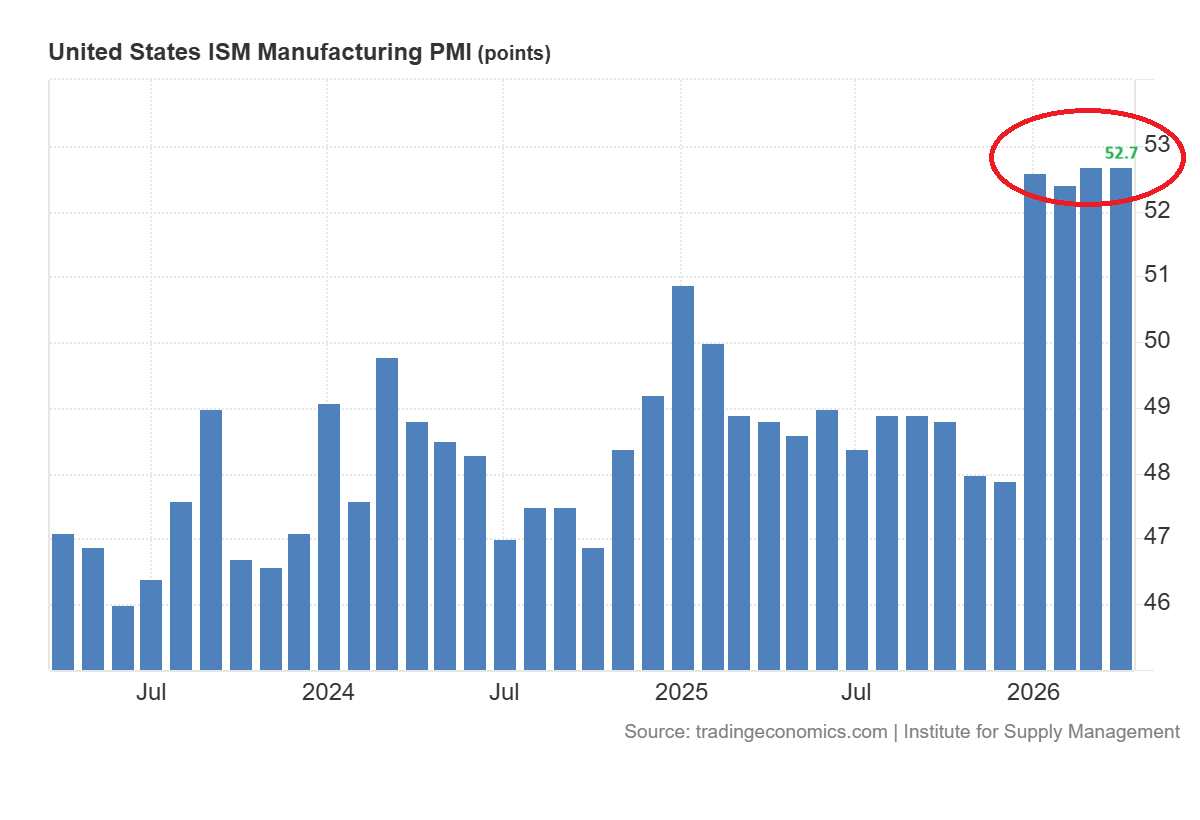
The inflation alarm is becoming more difficult to snooze. The ISM Manufacturing PMI has been in expansion at 52.7, but the data indicate stress beneath.
The manufacturing employment is still low at 46.4.
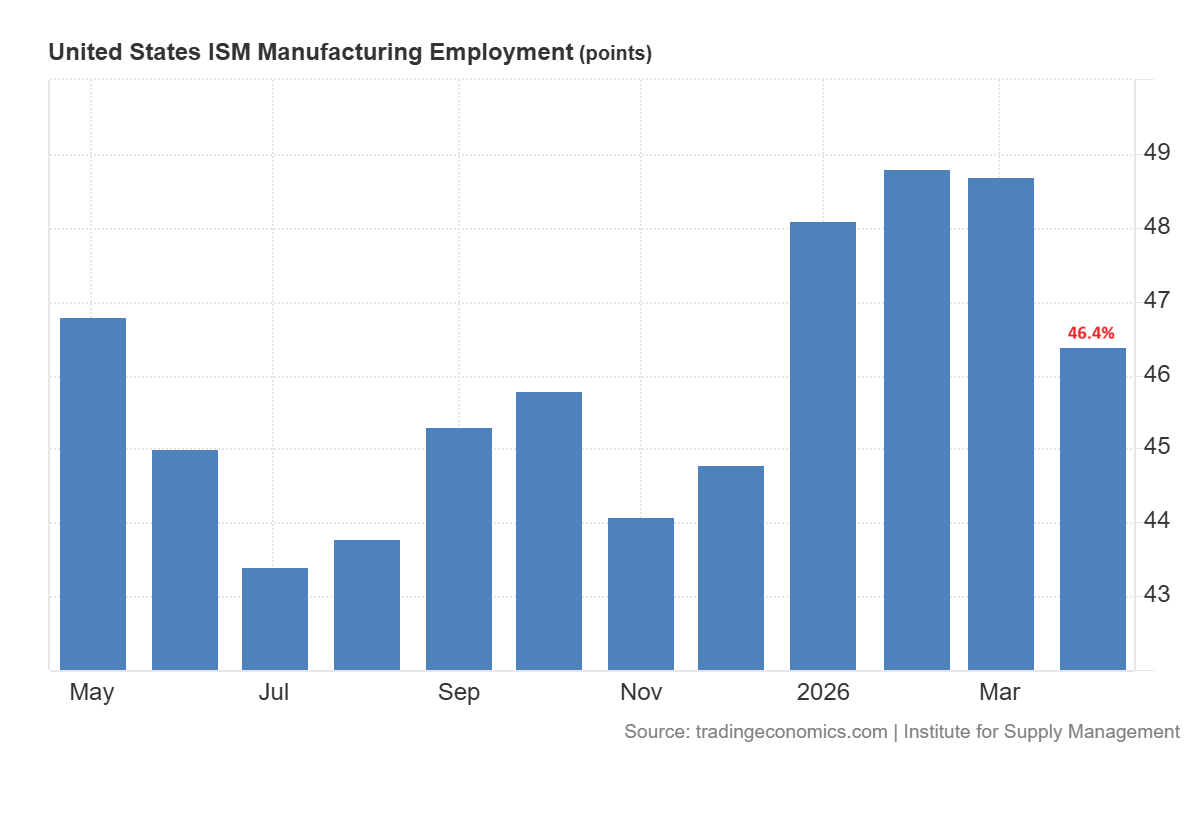
At the same time, producer prices have jumped to 84.6. This indicates that businesses are experiencing the increasing cost of inputs despite the relatively soft labor conditions.
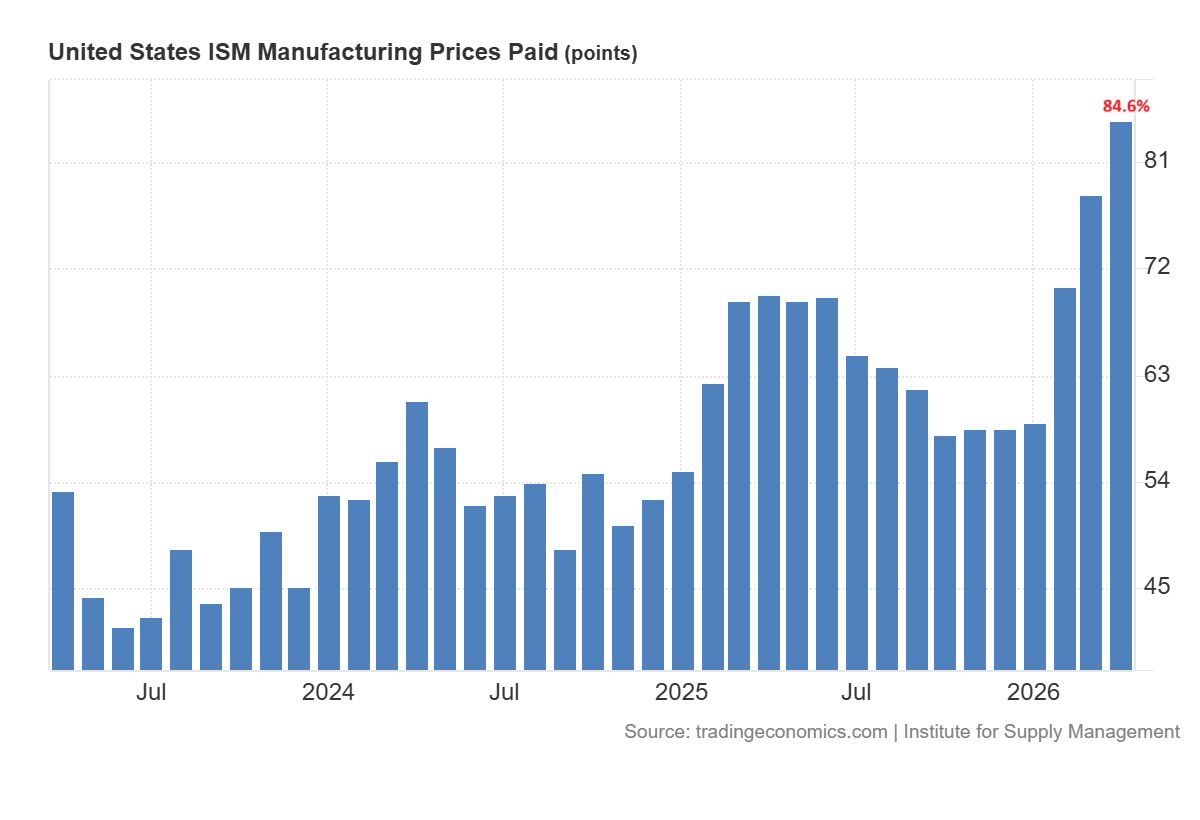
Persian Gulf shock is currently spilling over to the supply chain. The higher oil prices increase the freight, fuel and production expenses. These expenses tend to trickle down to the consumers.
PCE inflation has already shot up to 3.5% and core PCE is at 3.2%. The gap between PCE and core PCE might be reduced within the next one to two months as energy costs are passed to goods and services.

This macro setup is biased towards the selective rotation of energy metals. The EV shift is the most beneficial to Lithium. Copper is still more susceptible to the economic cycle, and constraints in supply can still help the market.
In general, the US economy remains weak. Consumer confidence is still near the 2020 pandemic levels. However, the U.S. economy is still being supported with the spending on AI data centres, onshoring, defence investment and fiscal expansion. This support can sustain growth, but it contributes to the budget deficit and inflation pressure.
In the long run, this points to a more inflationary investment world. To reduce the debt burden, central banks may ultimately need to contain any long term interest rates that are below inflation. That would undermine the purchasing power of currency and would back strategic hard assets. The energy metals can be easily added to that picture as they are connected to the next step of infrastructure investment: electrification and national security.
Lithium Breakout Signals Stronger EV Battery Demand
The chart below shows that the lithium price formed a strong bottom by consolidating in between 2024 and 2026. The price broke above the key level after bottom formation, which indicates a strong surge in lithium prices over the next few months.
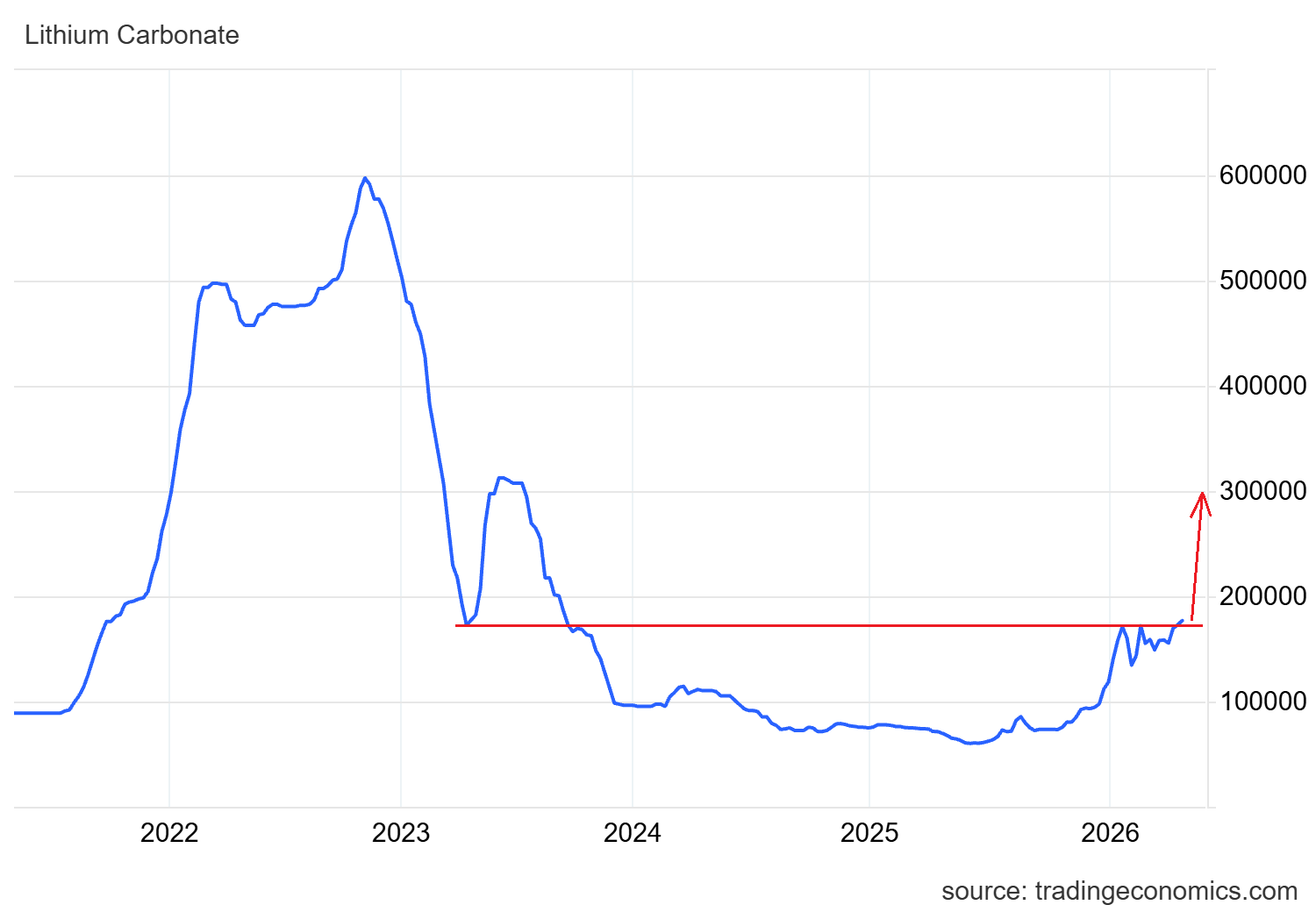
This breakout suggests that lithium prices may reach near the 2023 highs before any meaningful reversal. The ongoing geopolitical crisis and the shift to the EV industry will likely determine this shift in lithium prices.
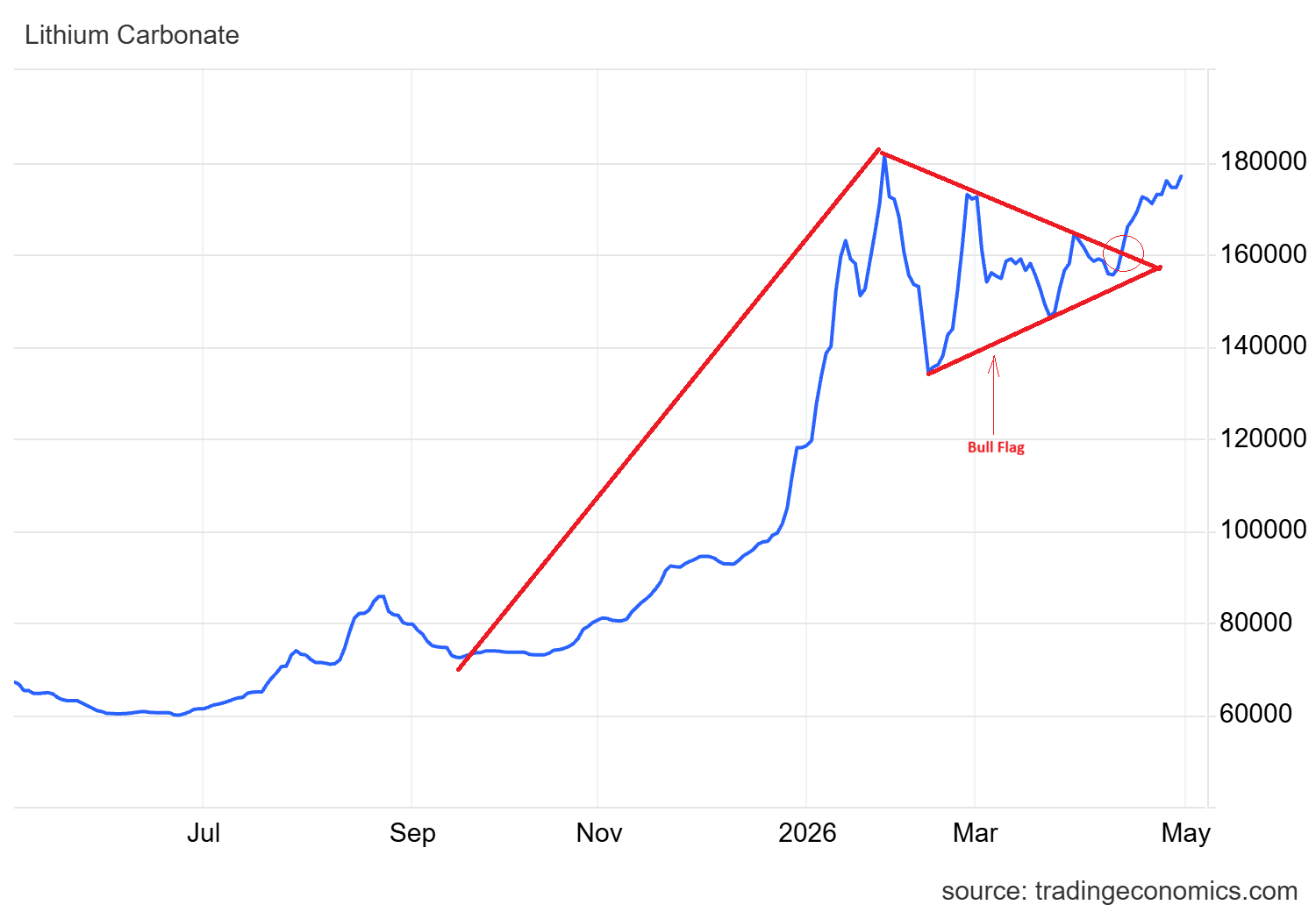
The short-term price structure for lithium also shows constructive price action. The consolidation between March and April formed a bull flag pattern. The price broke from this bull flag pattern in April, which indicates continued upside.
On the other hand, lithium mining and battery-related ETFs broke from the key levels discussed in the previous article in 2025. This breakout has taken prices much higher.
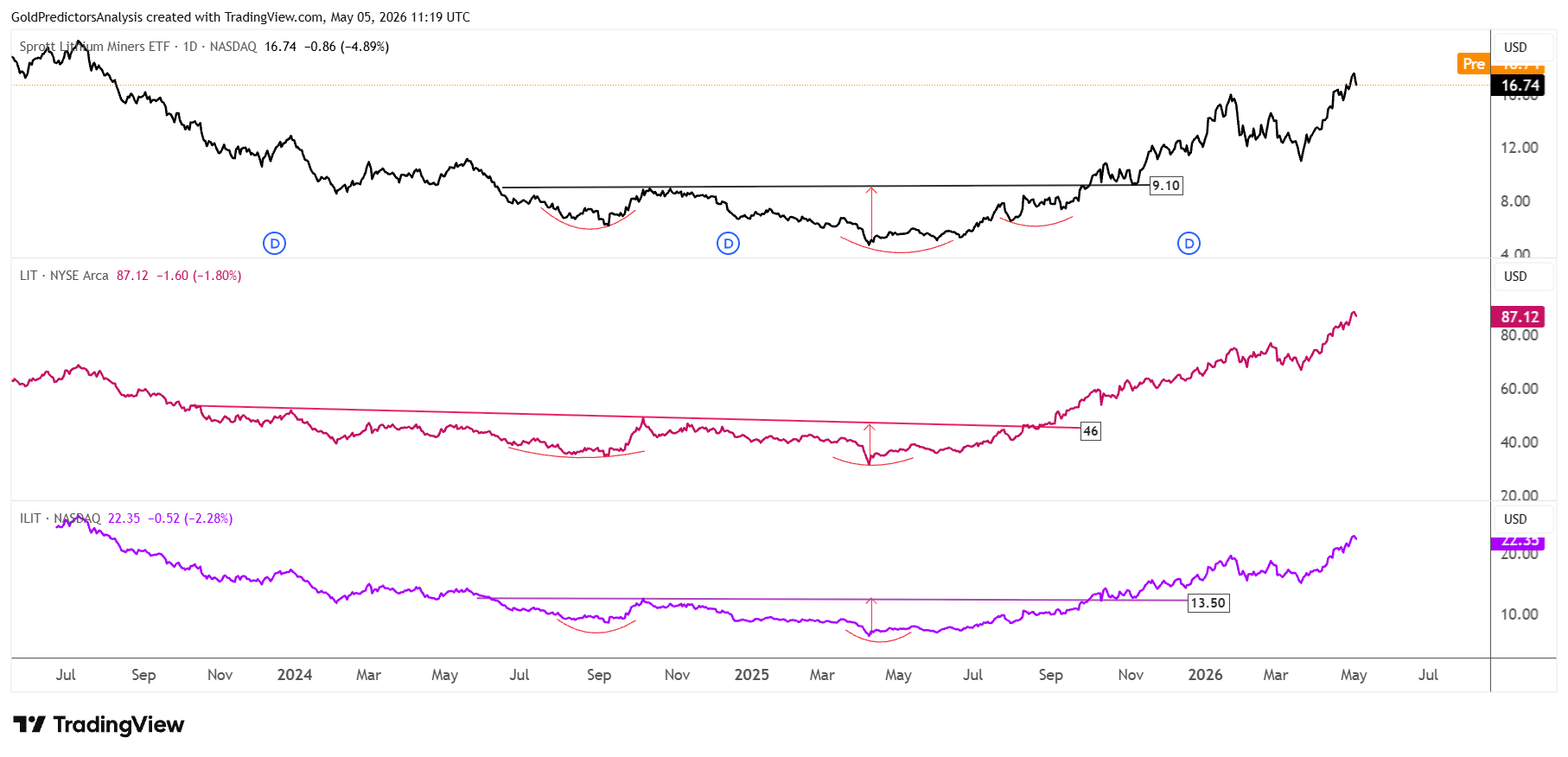
The Global X Lithium & Battery Tech ETF (LIT) and iShares Lithium Miners and Producers ETF (ILIT) are poised for further upside over the next few months, as they have broken key levels after consolidating during 2024 and 2025.
Copper Eyes Breakout as Supply Risks Offset Growth Fears
The rally in copper is not as attractive as that in lithium as investors continue to be concerned about the possibility of a global slowdown. Construction, manufacturing, grids and industrial activity are important determinants of copper demand. However, the supply side force can help uphold prices. The Persian Gulf war has resulted in a sulfur shortage and that sulfur is a common ingredient in copper refining. This implies that copper miners will incur higher expenses before the demand rises.
Despite the strong surge in lithium prices, copper is also looking for upside breakout. The chart below shows that copper prices remain in the 21st century bull market. This trend is highlighted by rising trend line stretched from the 2008 lows.
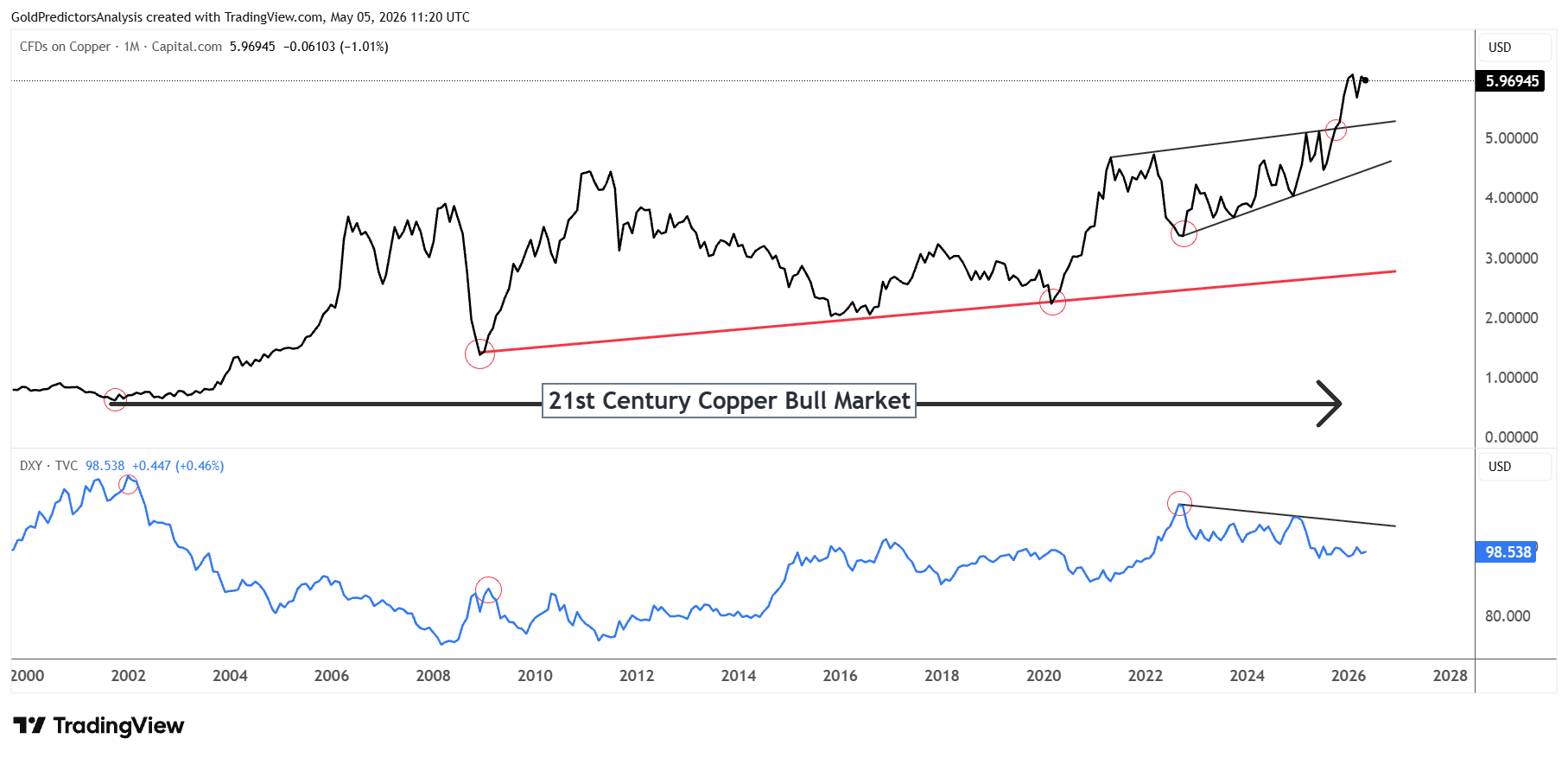
This line has been tested during major recession periods such as 2008 and 2020. However, the U.S.-Iran war is pushing prices to record levels. It is interesting to observe that copper prices have been trending to produce a bottom when the U.S. Dollar Index produces a peak.
The major peaks were observed in 2009, when copper prices reached a bottom, and then the peaks of 2016 and 2022 also produced a strong bottom in copper prices.
Now, the U.S. Dollar Index is trading lower within the descending trend line drawn from the 2022 highs. This negative trend in the U.S. dollar is pushing copper prices higher.
However, the prospect of U.S.-Iran war and higher oil prices can push oil prices higher, which can introduce further inflation into the market.
Due to this higher inflation, the Federal Reserve may keep interest rates higher, which may create positive behaviour in the USD.
If the U.S. dollar continues to rebound from the current levels, copper prices will likely form a bottom at $5.20. This will be considered a strong buying opportunity for investors.
Bottom Line
Energy metals are entering a stronger phase with the loose financial conditions, high oil prices and geopolitical risk to support the shift towards electrification. The U.S.-Iran war has demonstrated how vulnerable oil dependent systems are, and how superior crude prices have become the long-term case supporting EVs, battery storage and grid investment. Lithium is at the forefront of this trend because prices are breaking out higher following a protracted period of consolidation. The strength in lithium mining and battery-related ETFs also affirms that the investors are going back to the battery metals trade.
Copper is walking more cautiously since the fears of global growth are on the back burner. Nevertheless, the long-run picture remains positive. Copper can be supported even with non-even demand by a weaker U.S. dollar, supply pressure and higher refining costs. I believe that energy metals are in a good standing to take next step in the commodity cycle. The larger trend is still toward an increase in demand due to EVs, AI data centres, energy security and infrastructure spending. A stronger dollar or a deeper slowdown may postpone the breakout but the larger trend still points to a surge in demand due to EVs.