


Energy metals have been under pressure as the U.S.-Iran war is driving up oil prices, the U.S. dollar and U.S. Treasury yields. While the AI boom is continuing to fuel long-term copper (XCU), lithium, uranium, aluminum, and critical minerals demand, the increased energy and supply chain costs have introduced some stress to miners, chipmakers and EV supply chains. This article outlines the key macro drivers, potential risks in the AI supply chain and the technical outlook for key energy metals in response to the market’s transition into a fresh inflation and supply shock cycle.
Macro Drivers: Energy Inflation and Dollar Strength Pressure Metals
The first major driver is the energy inflation. Brent crude oil remains in a bullish trend and looks towards $120. The higher oil prices increase the cost of transporting, processing, refining and producing metals. This is bad news for miners and manufacturers as energy is a major input cost of a commodity’s supply chain.
The second driver is the stronger U.S. dollar. The dollar shortage is emerging as the world markets respond to the crude oil shortage and the rise in prices, coupled with an end to U.S. trade deficits. When the dollar is strong, metals tend to be pressured as most commodities are sold in dollars. It increases the cost of raw materials for foreign buyers and lowers the speculative demand.
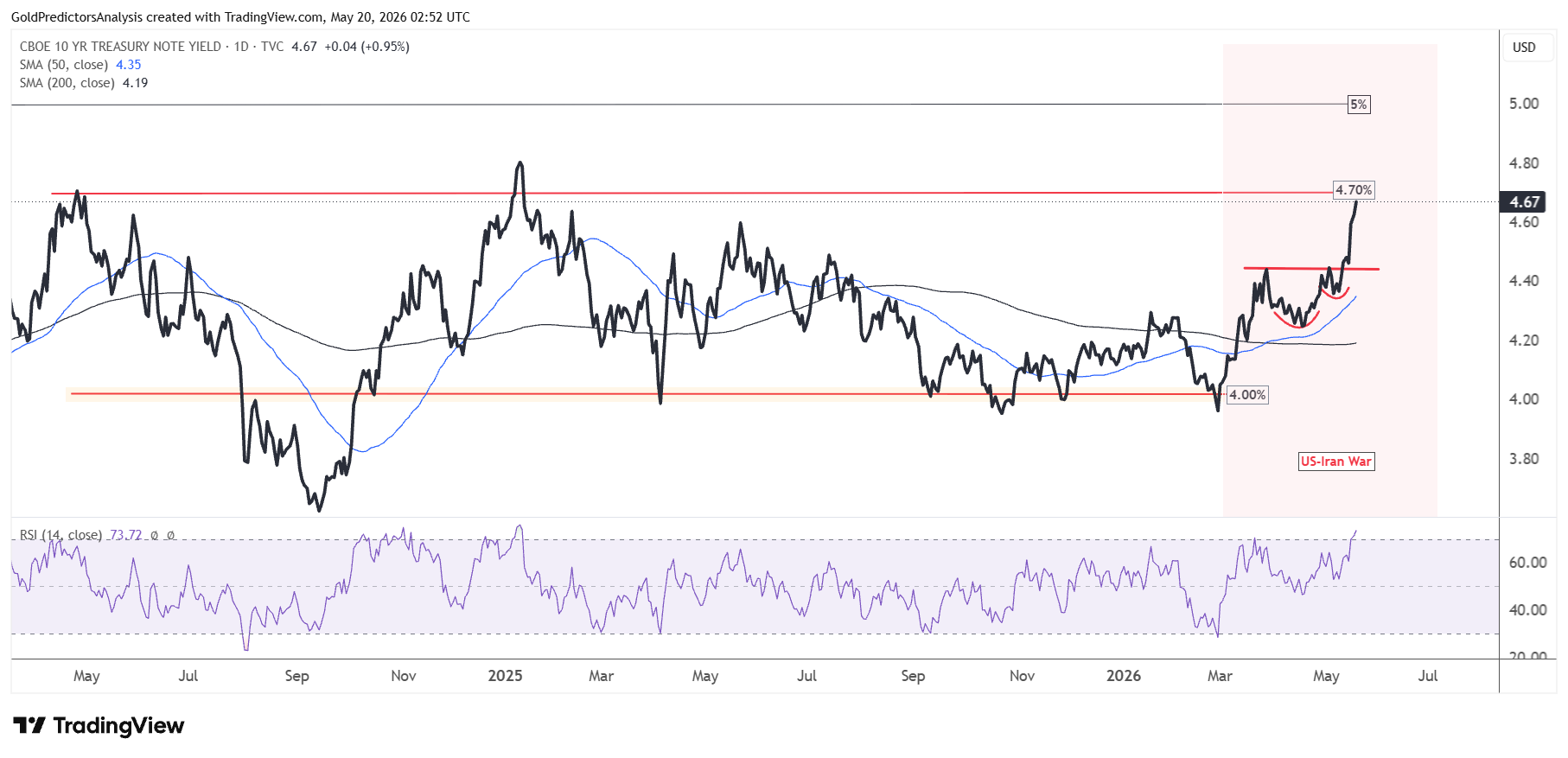
The third driver is the higher Treasury yields. The 10-year Treasury yield has broken the 4.6% and could soon reach 4.75%. An increase in yield will make non-yielding assets less attractive and squeeze growth-sensitive commodities. This is key for energy metals as the lithium, copper, uranium and critical minerals are very reliant on future demand expectations. The chart below shows that the 10-year Treasury yields may reach 5% if the resistance of 4.75% is broken.
Copper Price Forecast
Every new Copper analysis as it publishes, today's technical signal and key levels, live price — on one page.
See all Copper forecastsAI Supply Chain Stress Raises Costs for Energy Metals
Investor sentiment on the AI boom largely remains cushioned, particularly for semiconductors. The PHLX Semiconductor Sector Index is up sharply in the last three months. The chart below shows that the overall structure for the index is strongly bullish. But the US-Iran war has triggered one of the fastest rallies in history.
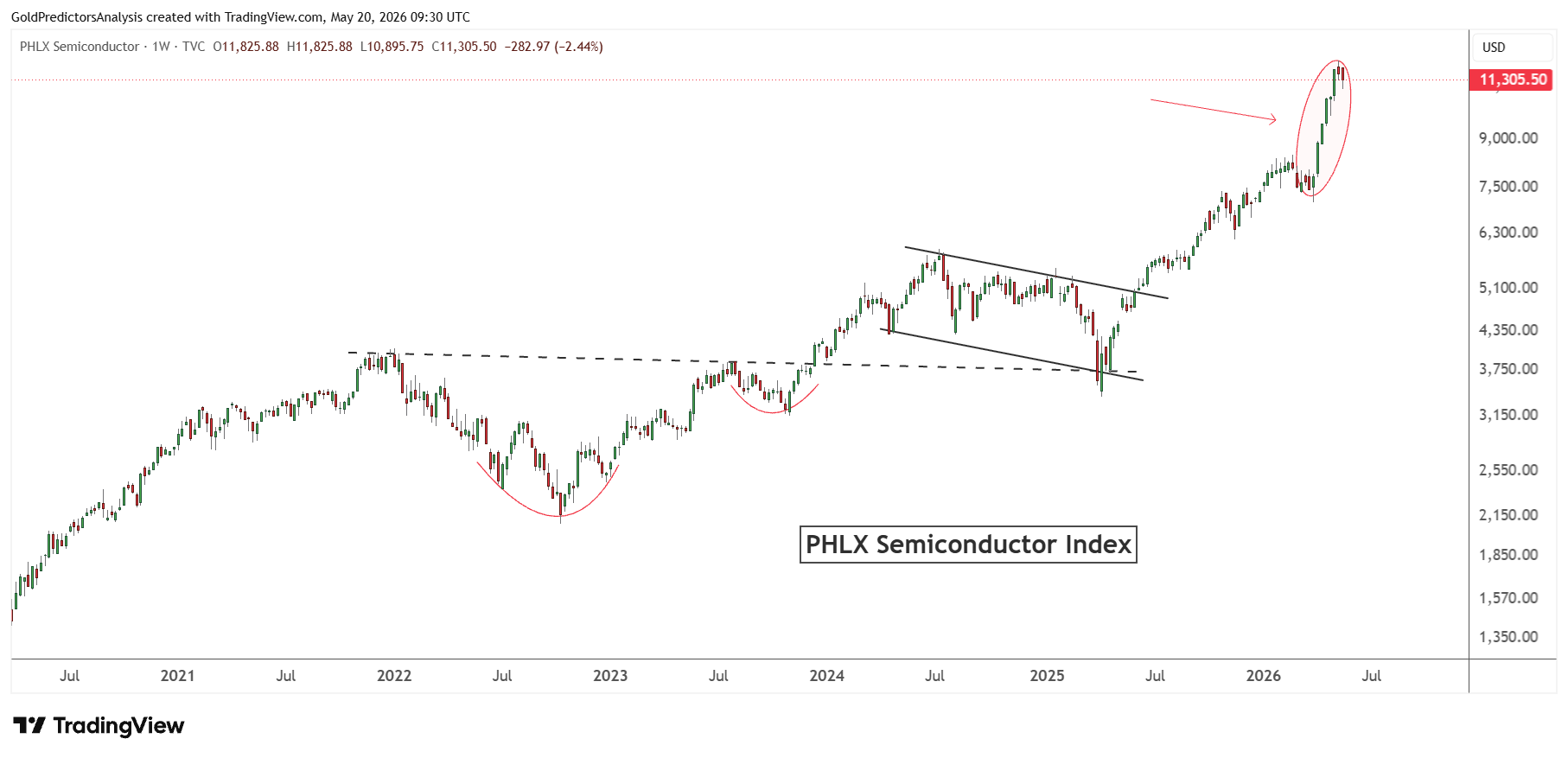
The chipmakers are now sounding the alarm about the increased price of chemicals, gases, freight, energy and precious metals. This results in a mixed picture. Demand for AI continues strong but the cost of building AI infrastructure is rising.
There is also a threat to some of the materials that are used in semiconductor manufacturing from the war in Iran. There is stress on the supply of helium, bromine, aluminum and others. Helium exports from Qatar have been impacted due to the war. This is significant as helium is essential for chip manufacturing.
In the event of ongoing conflict, businesses can increase inventories, diversify their supplier base and raise prices. Those factors can bolster the stock later but can put pressure on miners and ETFs as initial investors start to factor in less margin and weaker global growth.
Uranium – Energy Security Theme Faces Short-Term Selling
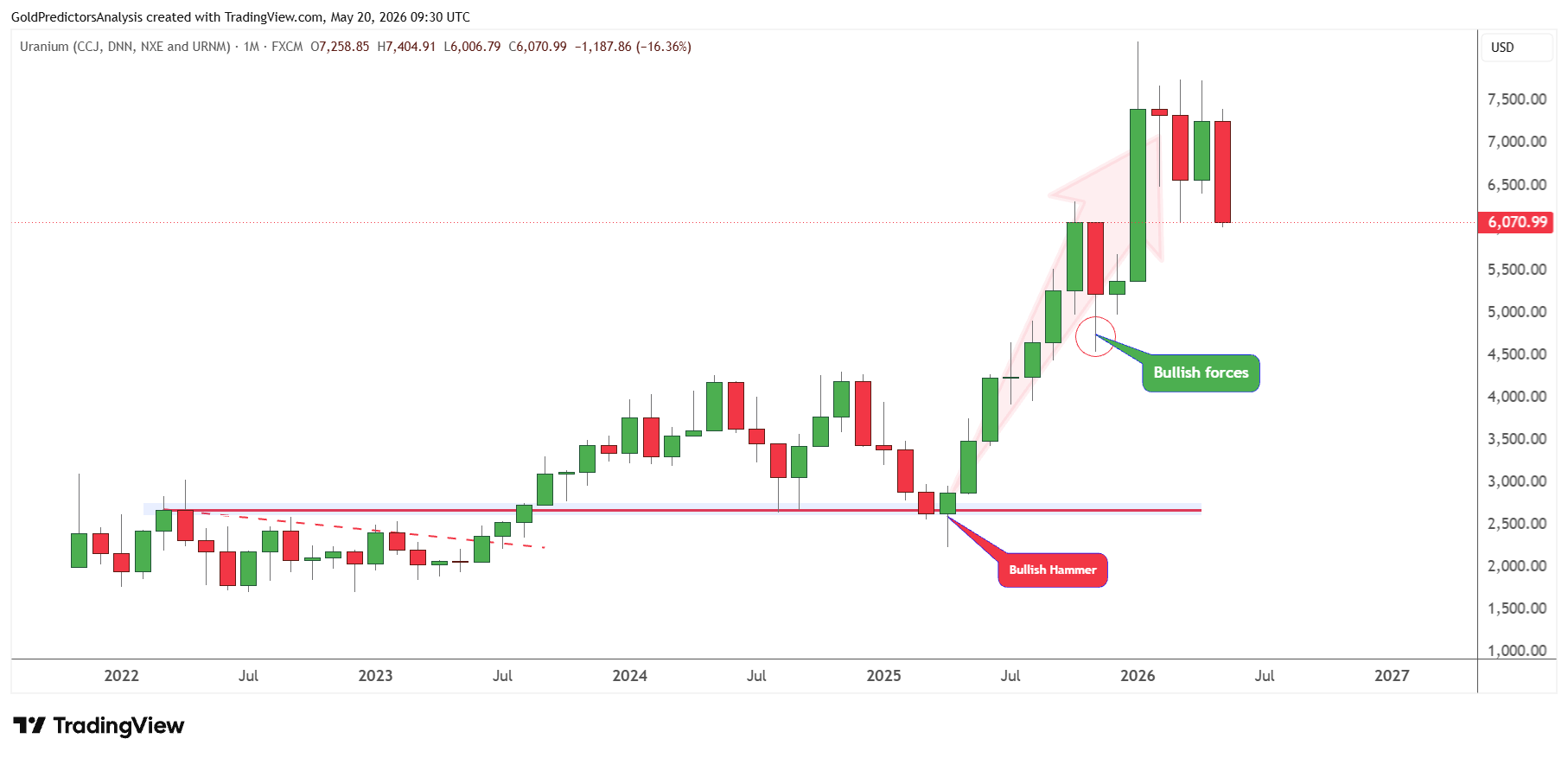
Uranium must benefit in the long term but the near-term outlook appears negative. Sprott Uranium Miners ETF is on the verge of breaking secondary support. If it breaks down the 52 level, it would indicate a bigger downtrend.
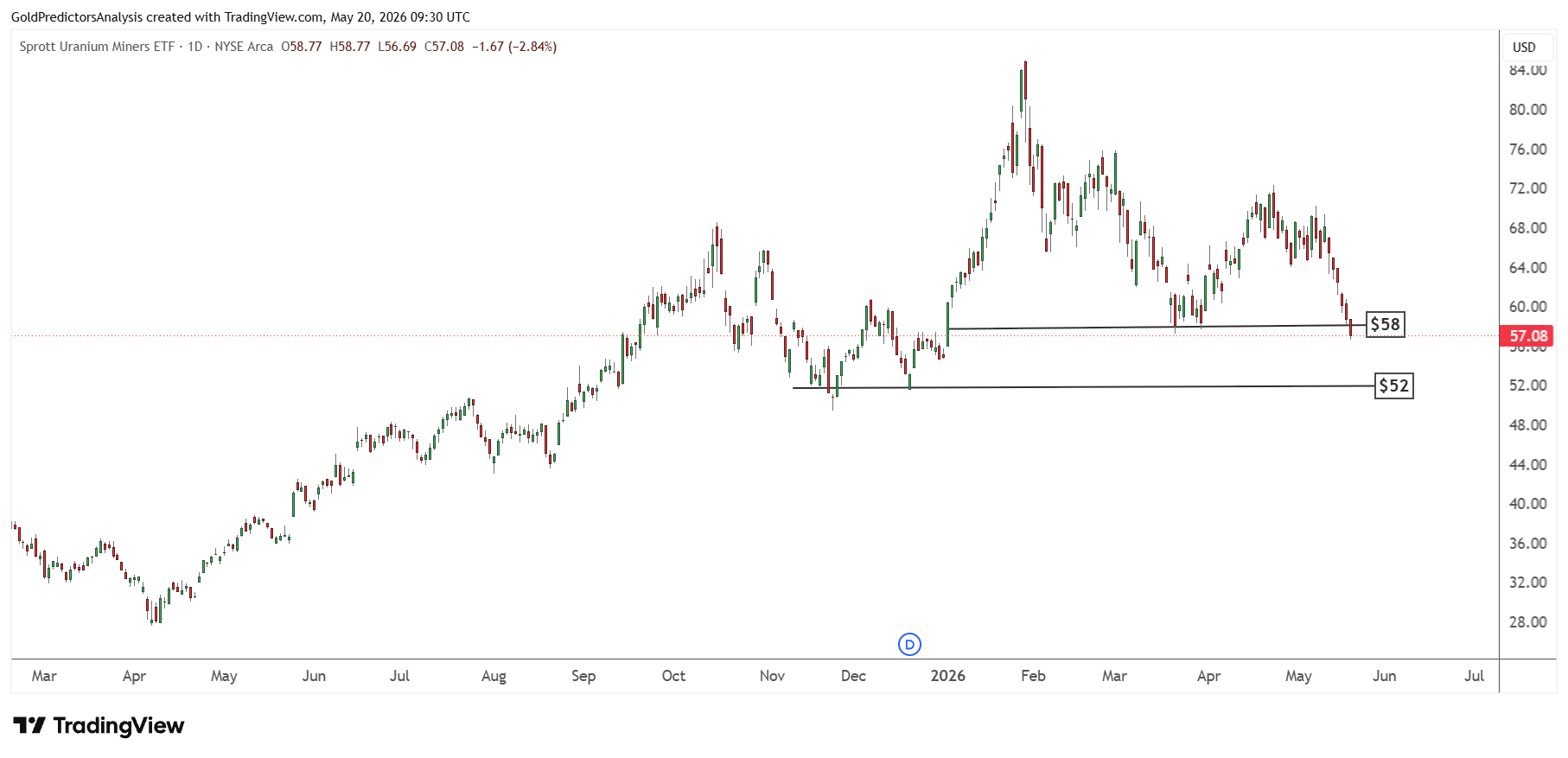
This weakness is indicative of investors not simply purchasing energy security themes. They’re also further reducing exposure to risk assets. With both yields and the dollar continuing to climb, uranium miners might continue to suffer even with solid long term demand from nuclear power and grid stability.
The chart below shows that this correction is due to the strong surge in prices in January 2026. The market can not rise in a straight line. Therefore this correction is a healthy sign for the market.
Lithium – EV Demand Remains Strong, But Risk Appetite Is Fading
EV sales and battery demand have provided excellent long-term support for lithium. But the short term price action suggests a correction before the next move. Sprott Lithium Miners ETF is correcting from the resistance zone as per our expectation from previous analysis. This weakness will likely find new support. The formation of base patterns suggests a strong bullish trend.
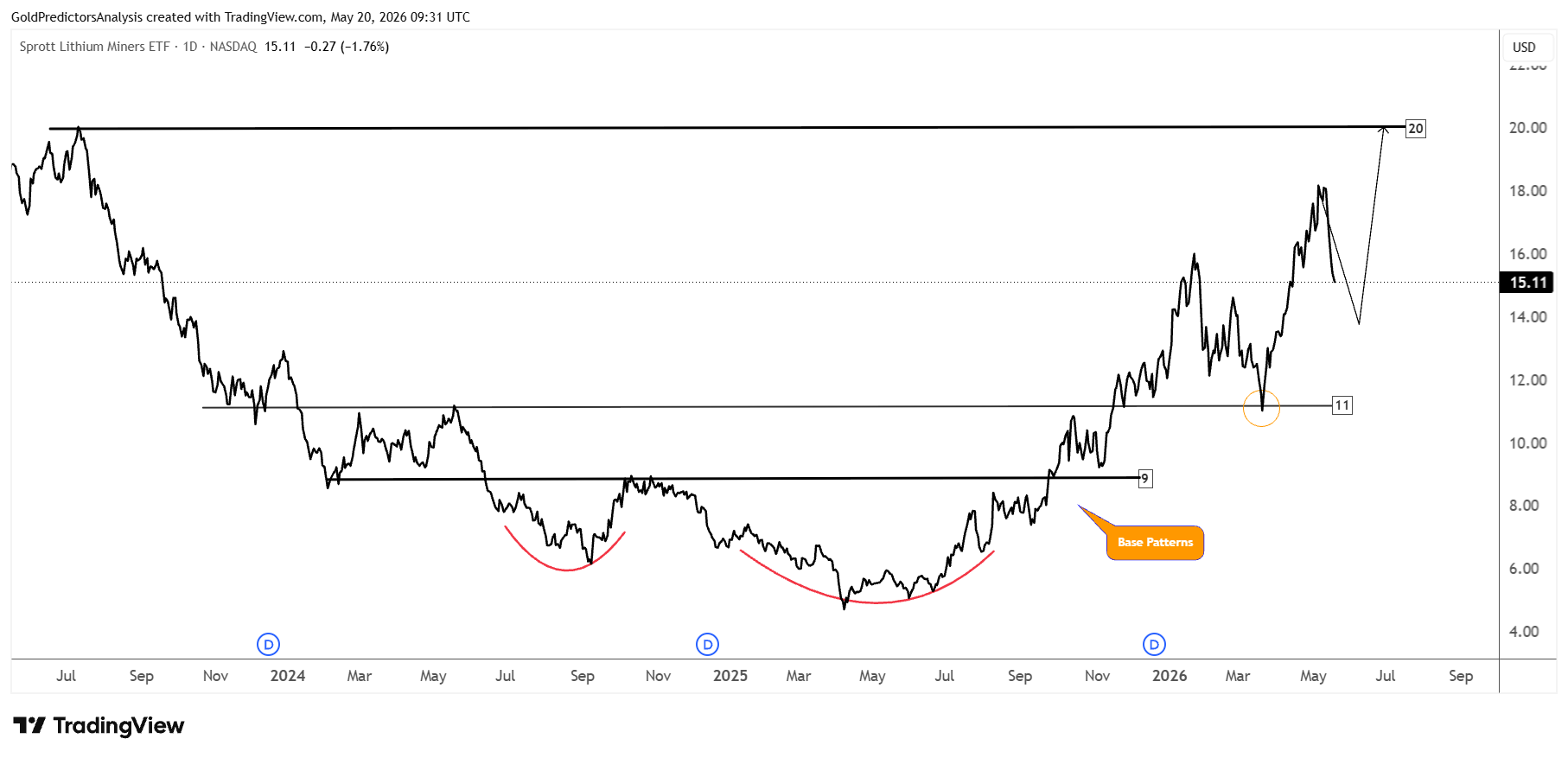
It’s not just a question of lithium demand. It’s the bigger picture. Industry challenges to EV affordability and clean-energy valuation include higher energy costs, higher rates and a stronger dollar. This is a problem for lithium miners even if the longer term battery demand remains strong.
Critical Minerals – Strategic Importance Does Not Prevent Selling
Critical materials are also showing selling pressure. The Sprott Critical Materials ETF is dropping strongly from the resistance of $40 and looks to trade towards the lower range of $30.
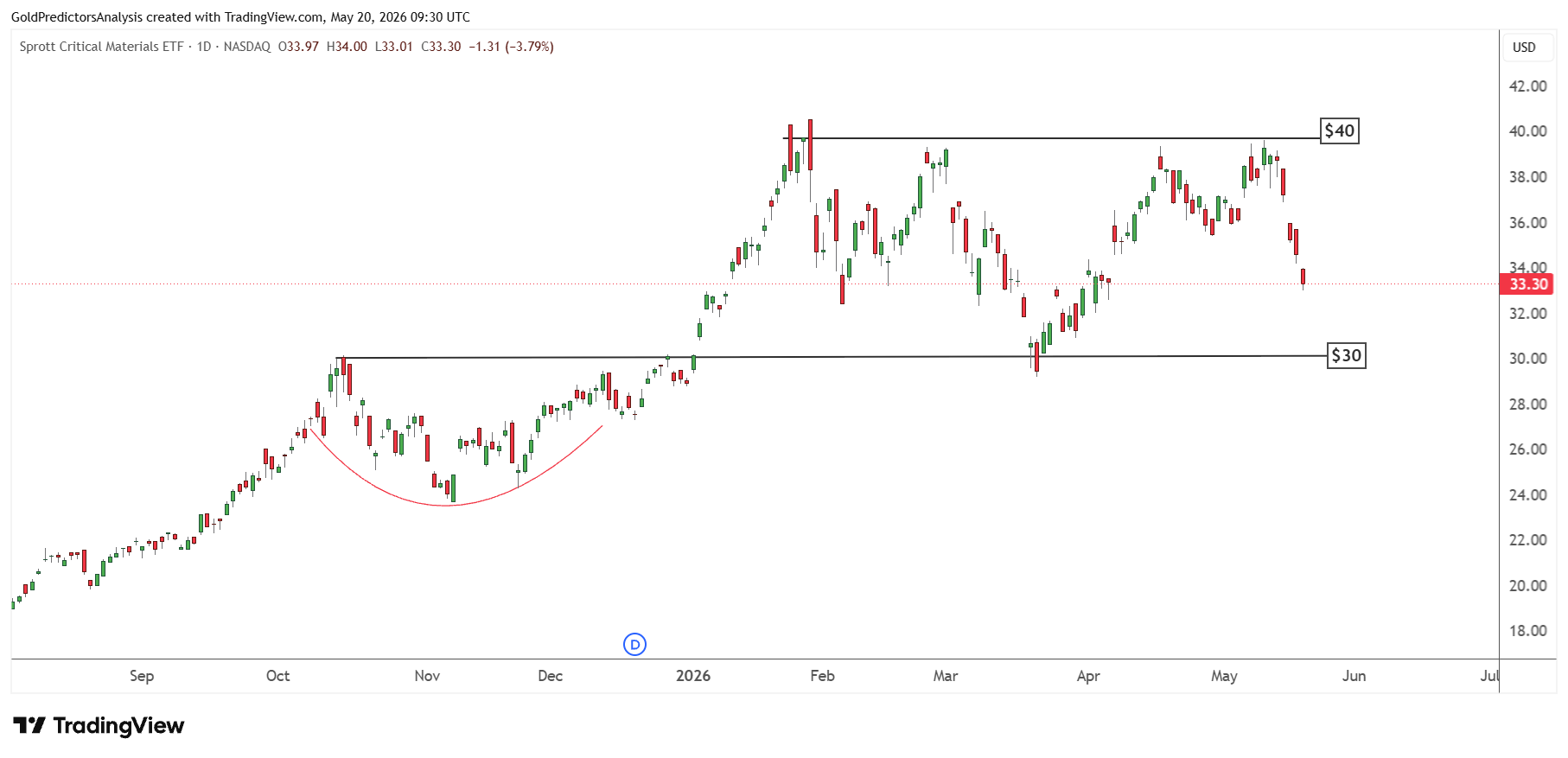
This is significant as critical minerals are typically surrounded by a number of defense, energy security, AI infrastructure and supply-chain diversification themes. When the risk appetite of the investors goes down, they tend to sell them all at once. The overall picture looks good, but the buyers can only be assured of a return when the energy prices are stable.
Copper – AI and Grid Demand Meet Dollar Pressure
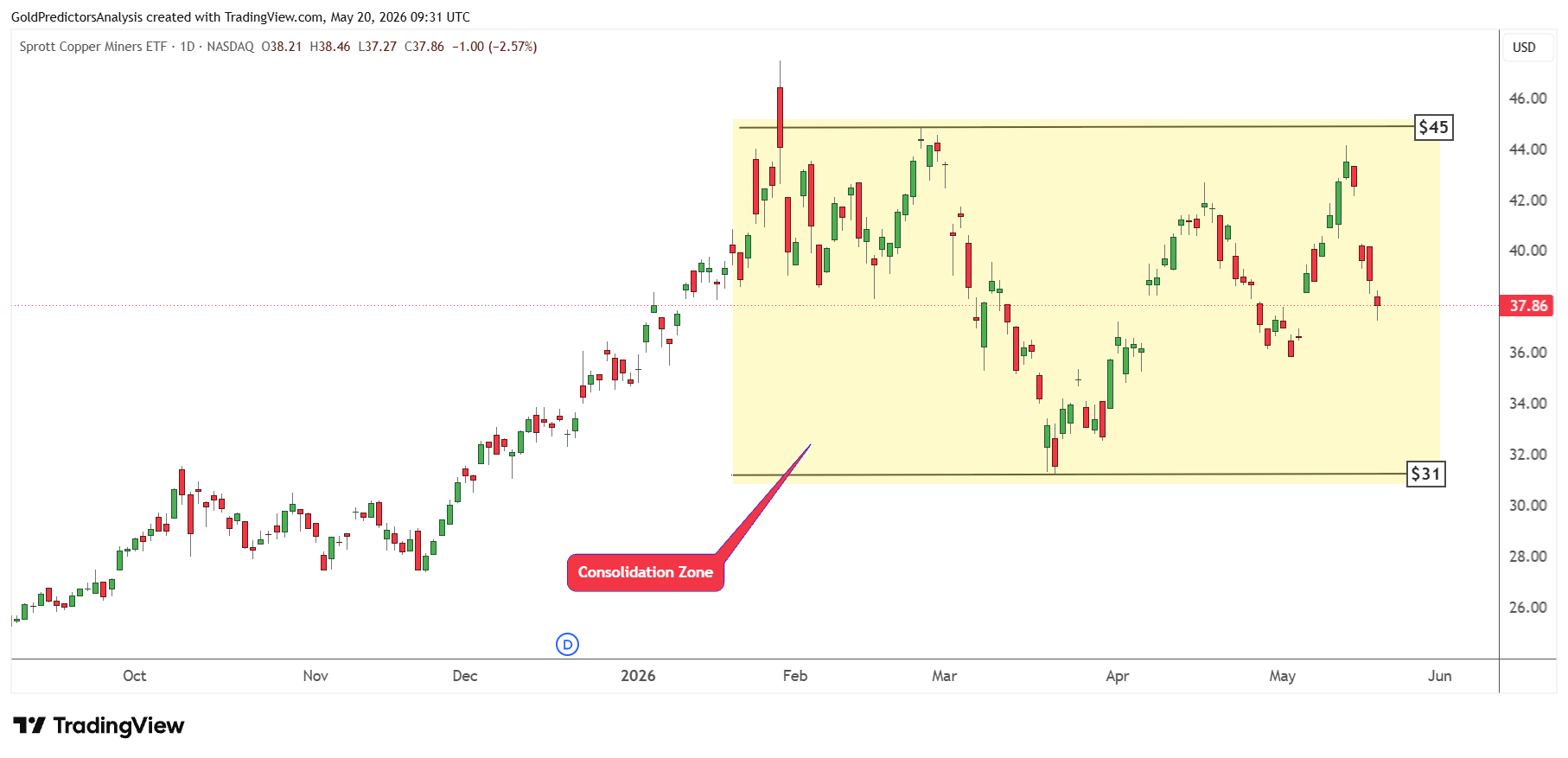
Copper has reversed after a big gain. This is important because copper is one of the most critical metals for electrification, data centers, power grid, EVs and renewable energy systems.
The issue is the macro context. The copper prices drop when the dollar strengthens and investors worry about global growth. The Sprott Copper Miners ETF has also sold off its initial support, indicating that miners are selling for the same reasons. The chart shows that the ETF is trading within the range of $31 and $45. A break of this range will define the next move.
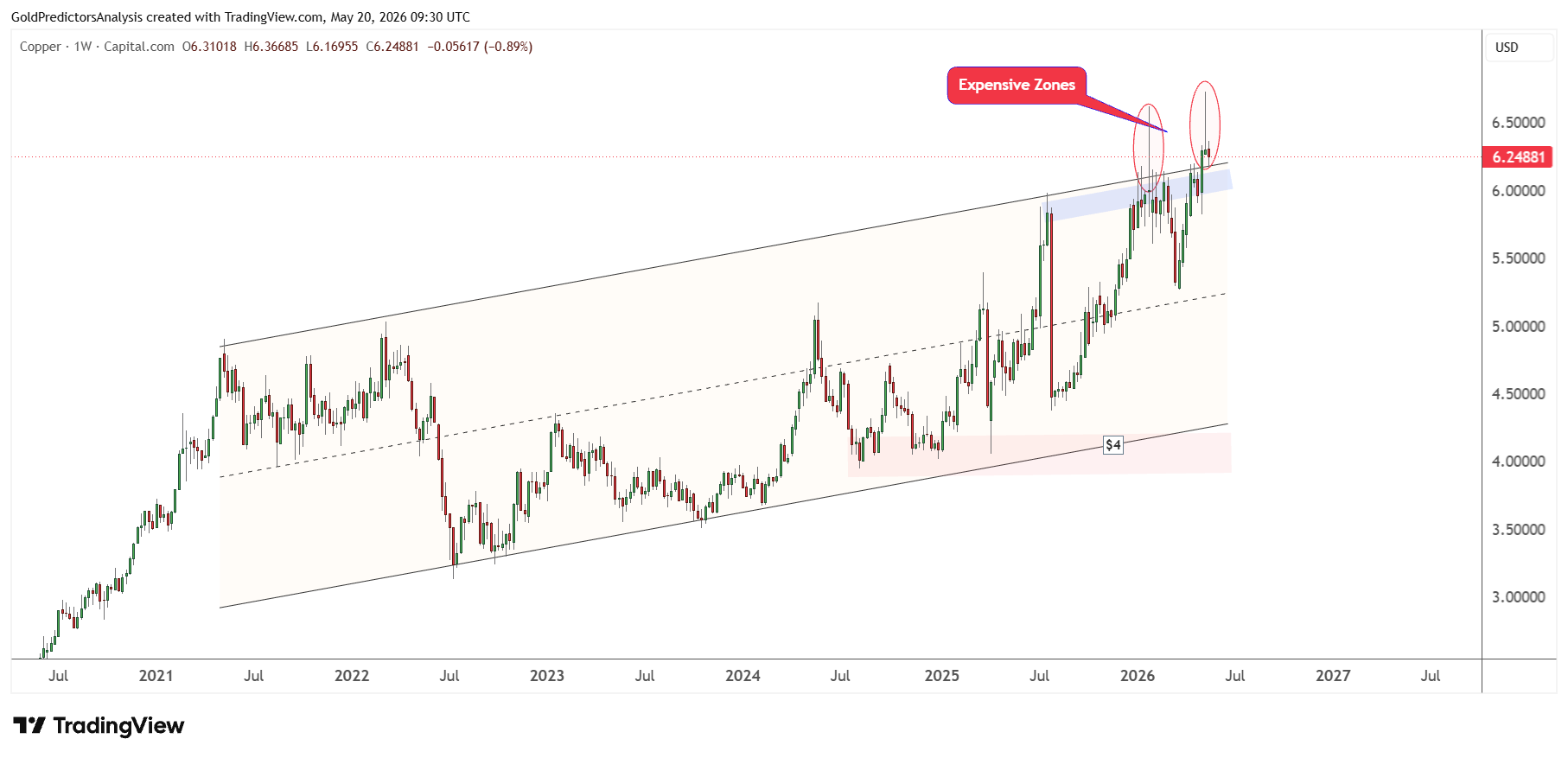
The correction in copper prices is also confirmed from the chart below. This chart highlights the expensive zone for copper prices above $6. The price must correct lower before continuing to advance. However, if prices fail to break below $6 and consolidate above this level, it will suggest that copper prices have stabilized above $6 and will offer a strong rally.
Aluminum and Chip Materials – Cost Inflation Becomes the Main Risk
Aluminum is directly impacted by energy costs due to its energy intensive manufacturing process. Oil, gas and electricity prices increase and the margins for aluminum producers are reduced. Meanwhile, auto, electronics, packaging and infrastructure are still significant avenues for aluminum.
The chip supply chain is another layer. Semiconductor firms have issued cautions that materials like aluminum, helium, gases and chemicals could be more expensive. This can drive up demand for certain materials. But it also generates cost basis challenges for AI hardware producers and may reduce margins in the AI hardware supply chain.
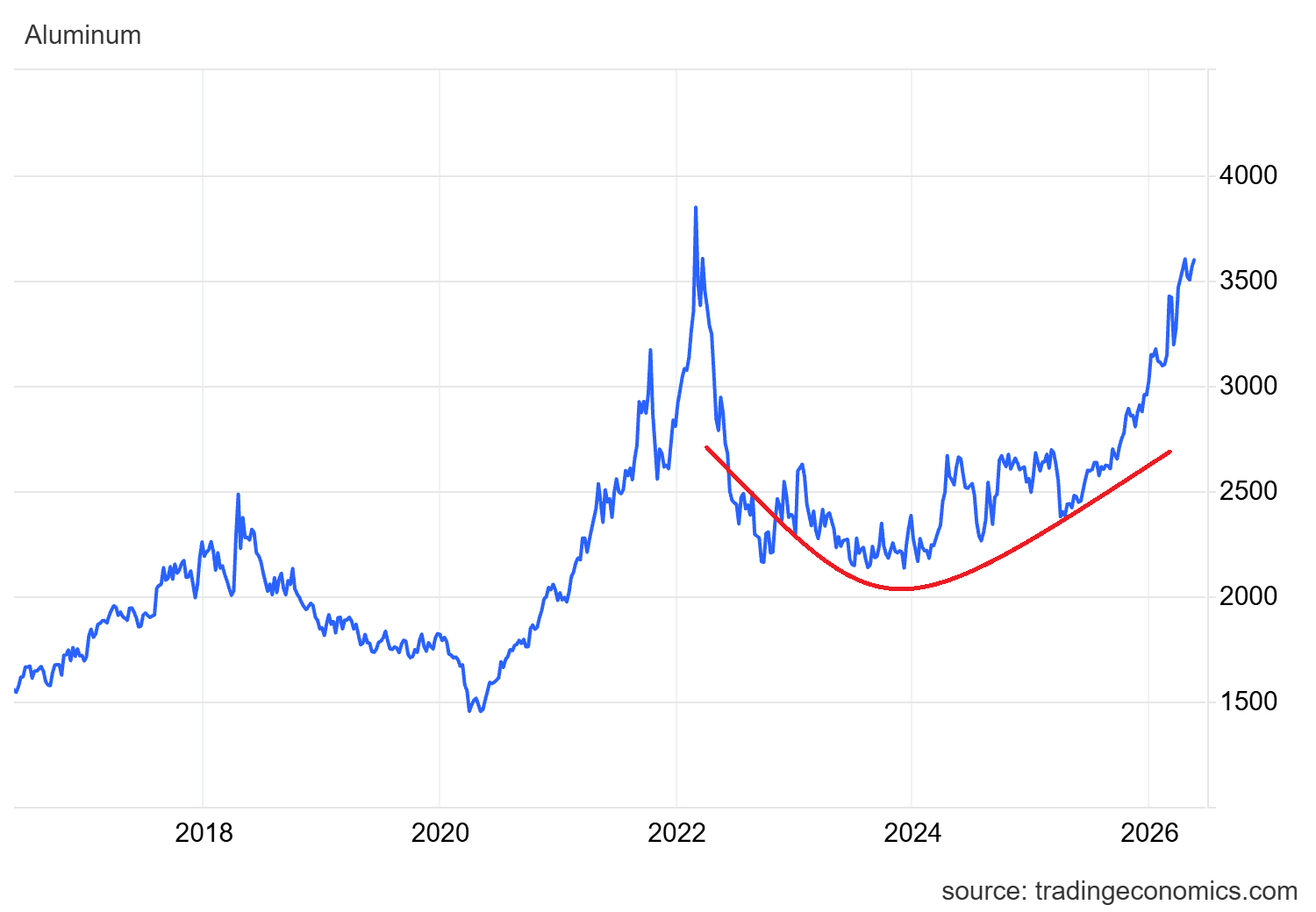
The chart below shows that aluminum prices remain in a bullish trend after forming a bottom in 2023 and 2024. The prices are looking to explode higher in the near term. The volatility of Aluminum prices has further increased after the US-Iran war.
What Comes Next for Energy Metals?
The short-term direction for energy metals remains uncertain. Higher oil prices, rising freight costs, escalating demand for the US dollar and rising Treasury yields are all putting pressure on uranium, lithium, copper, and critical minerals. Gold (XAU) and silver (XAG) are also showing weakness at the support zones of $4400 and $72, respectively. The market sentiments are being supported by the AI boom, but that won’t necessarily offset the margin pressures and issues in the supply chain.
The longer-term outlook remains positive. Copper, power infrastructure, uranium, critical minerals and advanced materials are all required for AI data centers. There is strong demand for lithium and battery metals for EVs. There are still markets for helium, gases, aluminum and other inputs used in the semiconductor supply chains. However, the short-term picture in the market is likely to be more in line with what happened in 2022. In 2022, a shock to energy prices was followed by strength in the US dollar and weakness in metal prices until energy prices stabilized.
In my view, the broader picture for energy metals remains strongly constructive, but the market is looking for stabilization in oil prices. Once oil prices stabilize, energy metals will resume their upward trend.