


U.S. Natural Gas Flat but the Long-Term Story Is Getting More Bullish
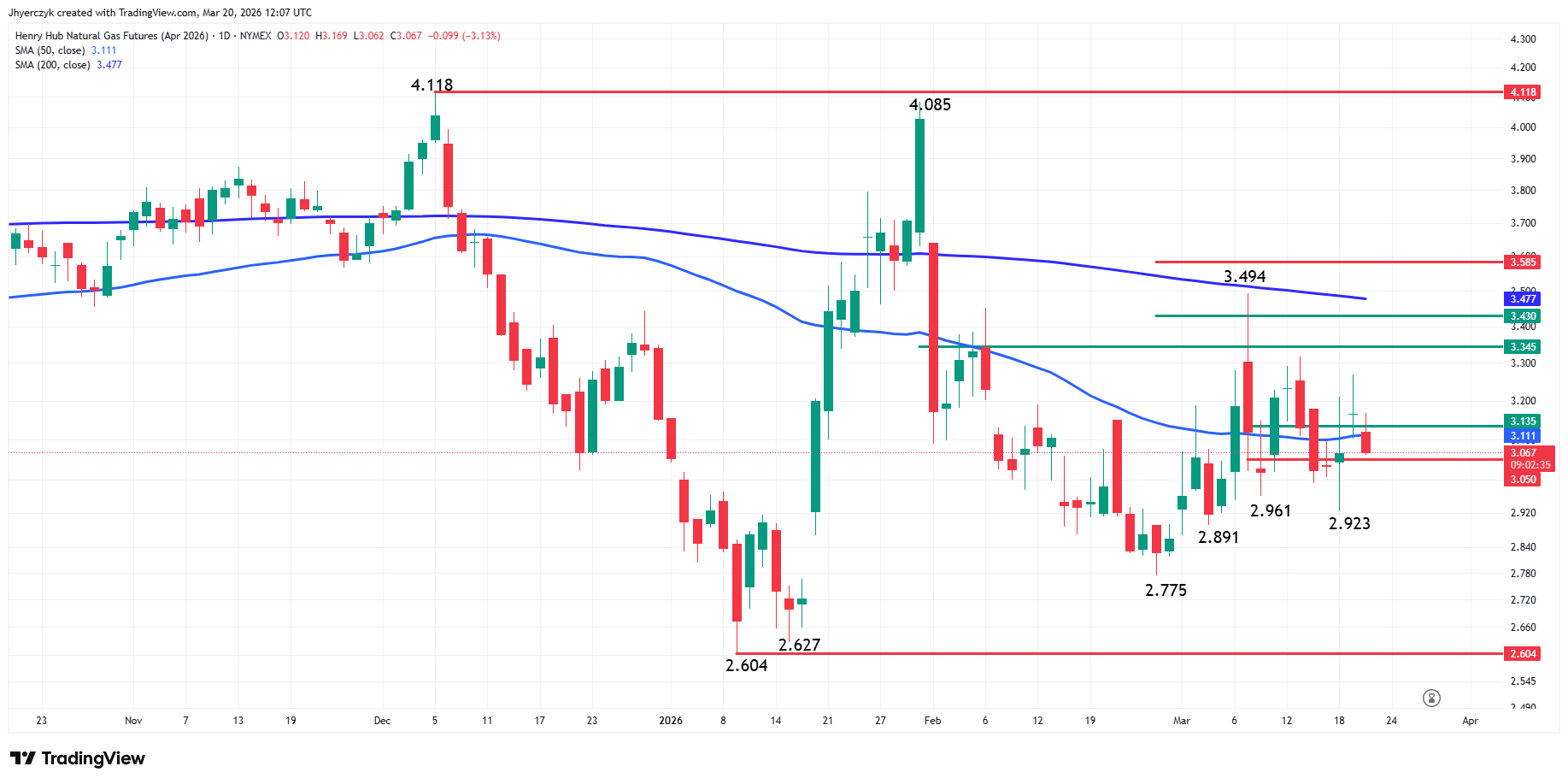
U.S. natural gas prices are nearly flat on Friday with speculators hoping for a repeat performance of yesterday’s 3% gains. Thursday’s sharply higher close was fueled by a jump in European natural gas prices to a 3-year high. The sympathy spike in April natural gas futures was in reaction to an attack on Qatar’s natural gas export plant at Ras Laffan Industrial City. While the short-term impact on U.S. natural gas prices is subdued when compared to the movement in European prices, the longer-term view is more bullish given that the damage to the Qatar facility may take more than three years to repair.
Why Europe and Asia Are Going to Need U.S. Gas
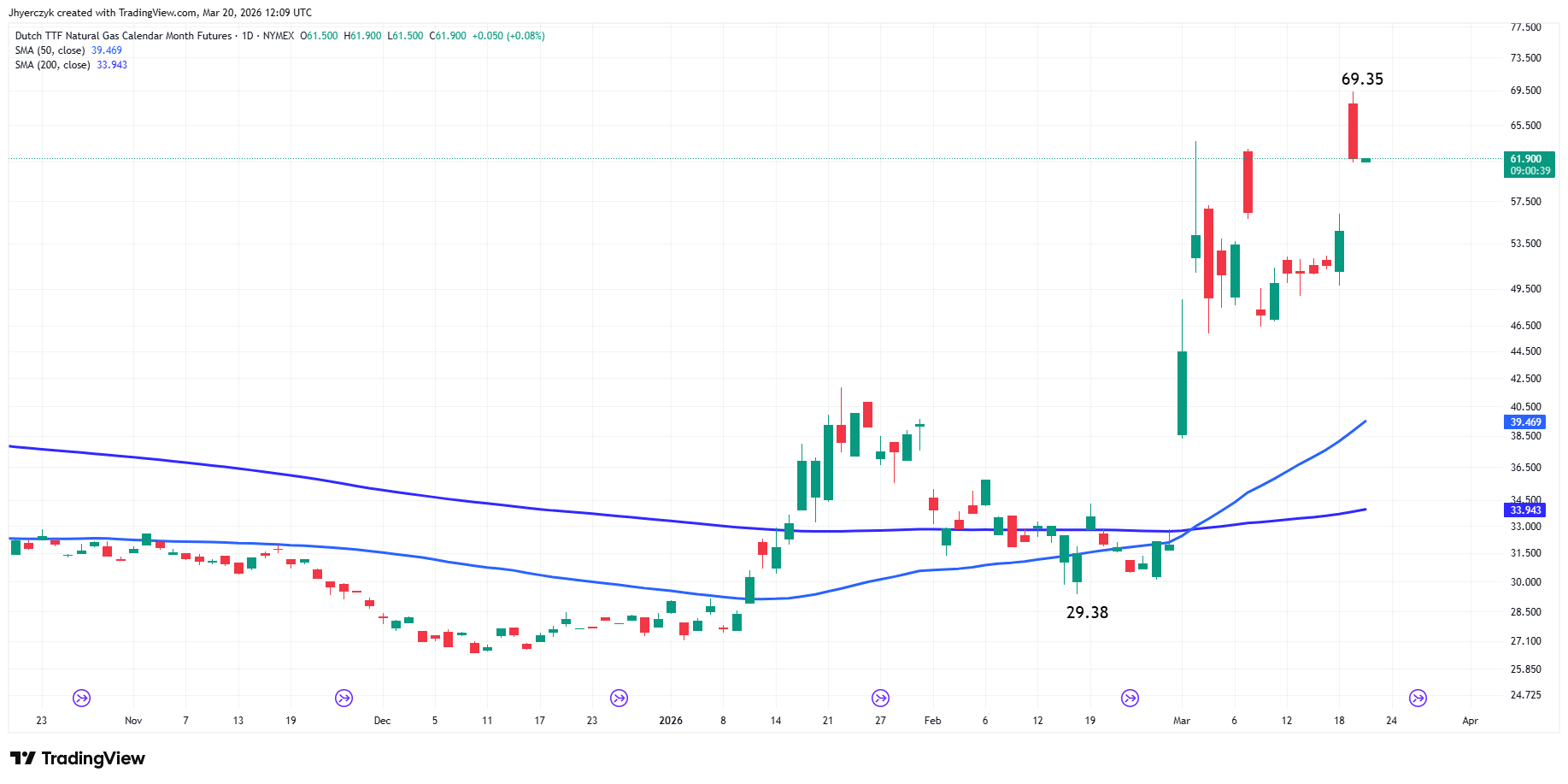
We’re going to flip the script today and take a look at the long-term outlook before we look at the short-term fundamentals. I think this is necessary to plant the seeds for higher demand for U.S. natural gas over the next three-to-five years. Essentially, Europe and Asia are going to need it and the U.S. has it. That’s about as simple as it can be presented.
Currently, there is great demand for U.S. liquefied natural gas (LNG). So much so that the limited facilities in the States has already reached capacity. While that sounds bullish on paper, in reality, it’s actually keeping a limit on domestic prices while providing underlying support. What’s happening is there is so much demand for U.S. LNG that facilities have maxed out exports while trying to move product as fast as they can. So there is demand, but product is not moving fast enough to put a major dent in U.S. supply. In my opinion, this is why U.S. natural gas appears to be underpinned and capped at the same time.
The Stair-Step Rally Has Already Started
Now I don’t think we’re looking at a sideways or rangebound trade over the next several months. I think we’ll be looking at a steady climb in prices to reflect more of a stair-step pattern due to steady European demand. But prices could get more volatile if the war in the Middle East turns into a prolonged event. This is because at some time in the summer, the Europeans are going to need to fill their storage tanks to prepare for next winter. That’s when conditions could turn more bullish in the U.S., especially if there is a prolonged heatwave in the States.
What the Qatar Damage Actually Means for the Market
Getting back to Qatar. Reuters is reporting that Iranian attacks may have taken out at least 17% of Qatar’s LNG export capacity, “causing an estimated $20 billion in lost annual revenue and threatening supplies to Europe and Asia”. QatarEnergy’s CEO and state minister for energy affairs said “two of Qatar’s 14 LNG trains and one of its two gas-to-liquids facilities were damaged in the unprecedented strikes. The repairs will sideline 12.8 million tons per year of LNG for three to five years.”
Natural Gas Price Forecast
Every new Natural Gas analysis as it publishes, today's technical signal and key levels, live price — on one page.
See all Natural Gas forecastsNow let’s take a step back and look at the numbers and their potential impact without going into too much detail. Nowhere is it being mentioned that the region has lost 100% of its natural gas production. If the estimates are correct, Qatar will produce 17% less. We’re not sure yet, but my assumption is some other country over time may be able to fill in the loss. Market share in the oil and gas industry is gained and lost all the time. But this could be one reason why the world isn’t panicking over the loss of LNG. Sure Europe’s prices are soaring, but that could be because of excess short-term demand. We’ll have to see how that plays out over the mid-to-long-term.
The Strait of Hormuz Is Still the Wild Card
Also in the Middle East, there is still a major problem with the blockage of the Strait of Hormuz, which the latest numbers show is used to transport 20% of natural gas production. I’m not trying to downplay the situation because that is a significant percentage. I’m trying to rationalize the current price action in the U.S. and European natural gas markets.
So if 17% of Qatar LNG production is expected to be out for 3 to 5 years and 20% of global demand for LNG flows through the Strait of Hormuz, I can rationalize the short-term jump in European prices and the subsequent leap in demand for U.S. LNG. But if the Strait of Hormuz were to be opened in a timely manner, then LNG will be free to flow once again to Europe although down about 17% from Qatar.
Bottom Line
Over the near-term I see high demand for LNG from the U.S. and higher prices in Europe. Conditions will change if the Strait of Hormuz is reopened and the war stops, but we don’t know when it will end. I don’t see a worldwide panic taking place because we’re not looking at a situation whereby no LNG is available. Europe is paying up because they want to get as much LNG into storage as possible ahead of next winter. Furthermore, they know Russia can bring them to their knees if it stops supplying the region.
I do see prices underpinned in the U.S. as long as Europe keeps demanding LNG. Over time, that will start to chip away at U.S. inventory. What I don’t see is massive panic buying taking place at this time so my expectations are essentially cautiously bullish.
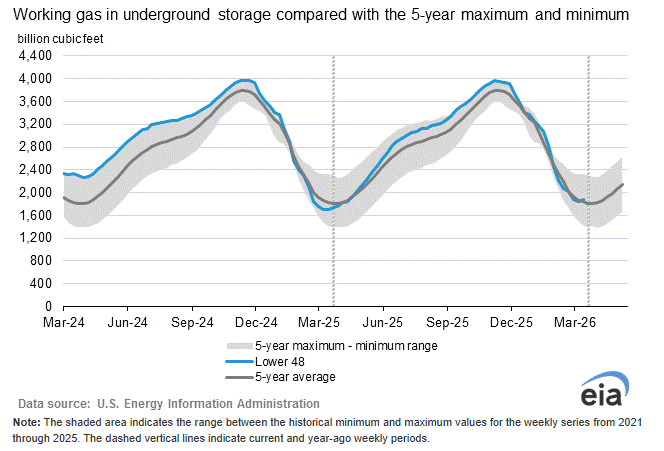
Furthermore, domestically with yesterday’s EIA report showing natural gas inventories rose by 35 Bcf for the week-ending March 13, storage is well above the five-year average for this time of year and supply is about to increase due to shoulder season.
If you’re looking for an edge in natural gas trading, check out this article in our educational section.