This should provide a cleaner view of the labour market and help determine the trajectory of Fed easing and the USD.
The stakes are high following delayed October and November data, along with a mixed bag of jobs figures released this week, and the Fed reducing rates by 75 bps at the tail end of last year to 3.50%-3.75%. Today’s numbers should help answer whether the jobs market has stabilised.

Economists Expect the US Economy to Have Added 60k Jobs
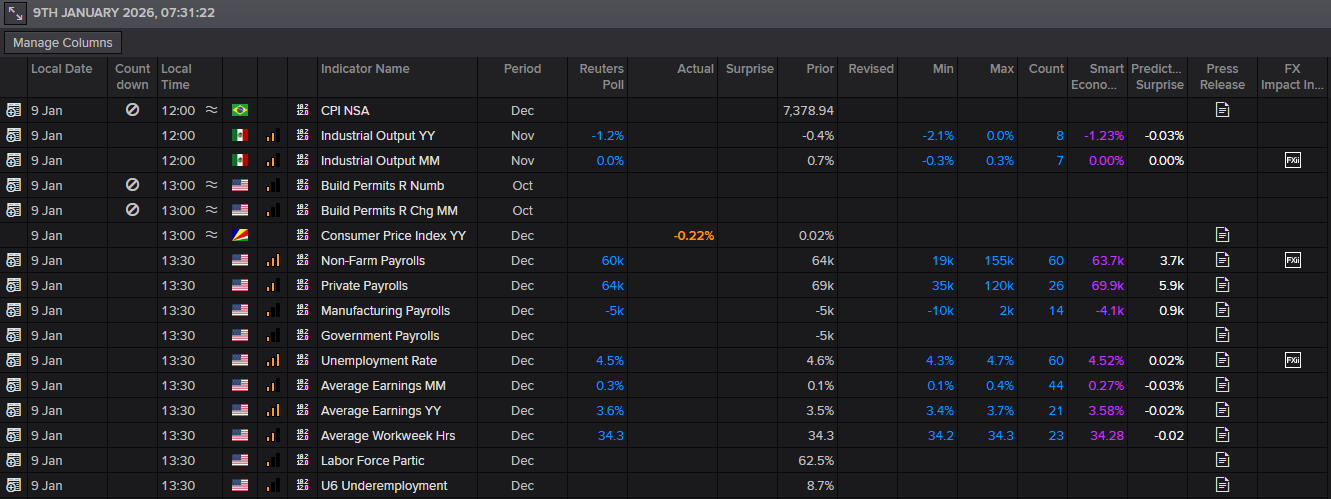
According to the LSEG calendar below, the median estimate for today’s headline payrolls report indicates the US economy added 60,000 jobs, down from 64,000 in November. Based on my research, I believe the market’s whisper number is lower, at around 50,000. As I noted in the previous post, the payroll estimate range is also wide, spanning a high of 155,000 and a low of 19,000, suggesting that economists are uncertain heading into this print.
The unemployment rate is expected to have ticked lower to 4.5% from 4.6%. Remaining at 4.6% or rising further would be concerning, signalling to the Fed that the jobs market remains a clear problem and a priority for the central bank. At 4.5%, however, I believe this number would give the Fed more time and delay policy easing until later this year.
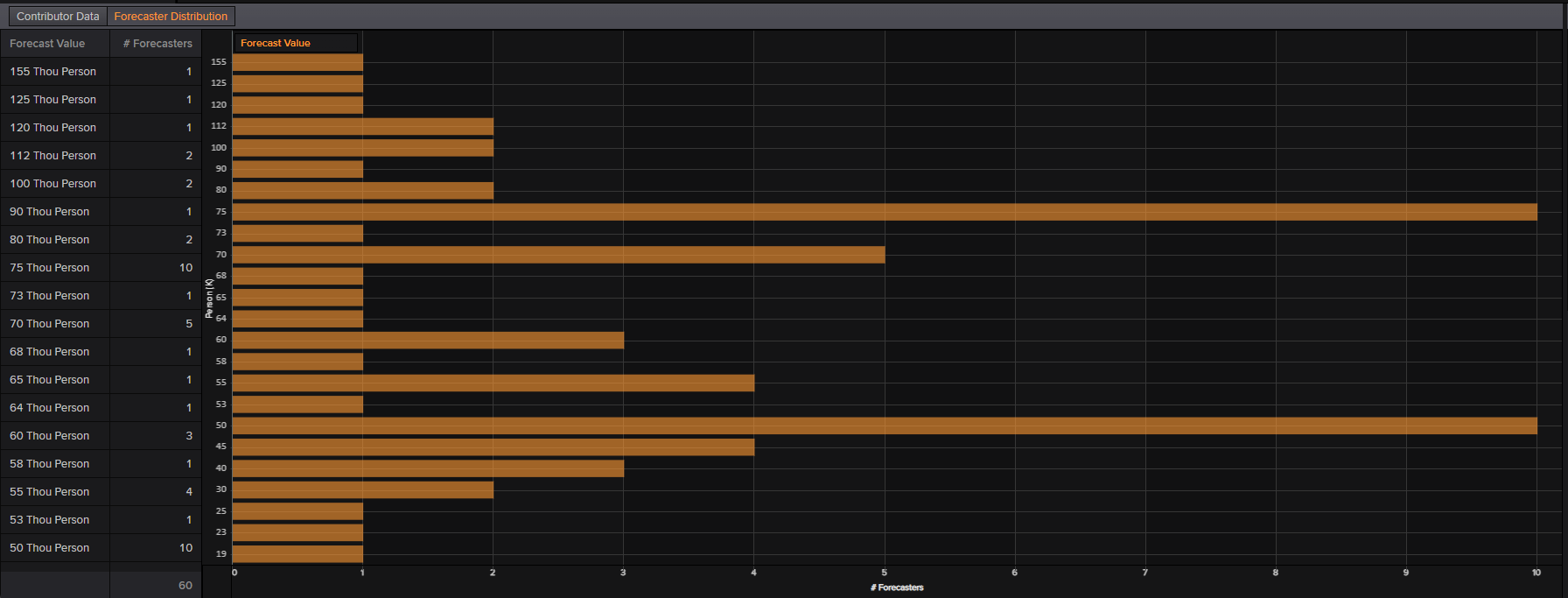
Per the current forecast distribution below, any payroll number above 100,000 would be sufficient to remove a Fed rate cut from the table in January and significantly reduce the likelihood of a March cut. Nevertheless, at or below 30,000, the January and March meetings would come into focus.
With money markets assigning only about a 12% chance of the Fed cutting rates this month, unless we see some very weak numbers today, it is likely that the Fed will stand pat. March’s meeting is currently pricing in around a 40% probability that the Fed will lower the rate. This will naturally change as the weeks roll on, as we will have much clearer data to work with, with January and February figures released before March’s decision, along with three additional inflation reports.
Also, as a reminder, the market expects the Fed to cut rates twice this year (currently -55 bps), whereas its latest projections (SEP) show just one rate cut.
The October and November revisions will also be key to watch today. Even if we get a positive headline release, excessive downward revisions could materially shift how the market responds to the report and may amplify expectations of further easing from the Fed this year.
AUD/USD Price Forecast
Every new AUD/USD analysis as it publishes, today's technical signal and key levels, live price — on one page.
See all AUD/USD forecastsMixed Employment Figures Heading Into Today’s Data
This week’s recent US jobs data proved interesting and mixed. The December ADP employment report showed that the US economy added 41,000 jobs, an improvement from November’s contraction (-29,000), though slightly below the 47,000 forecast. Yesterday’s initial jobless claims release (for the week ending 3 January) also came in at 208,000 from 199,000 the week prior.
Despite both releases suggesting stabilisation rather than deterioration, the November JOLTS Job Openings data revealed fewer vacancies, falling to 7.146 million from 7.670 million in October. This figure was well below expectations (7.600 million), marking a new cycle low and the lowest level since 2021.
USD Implications
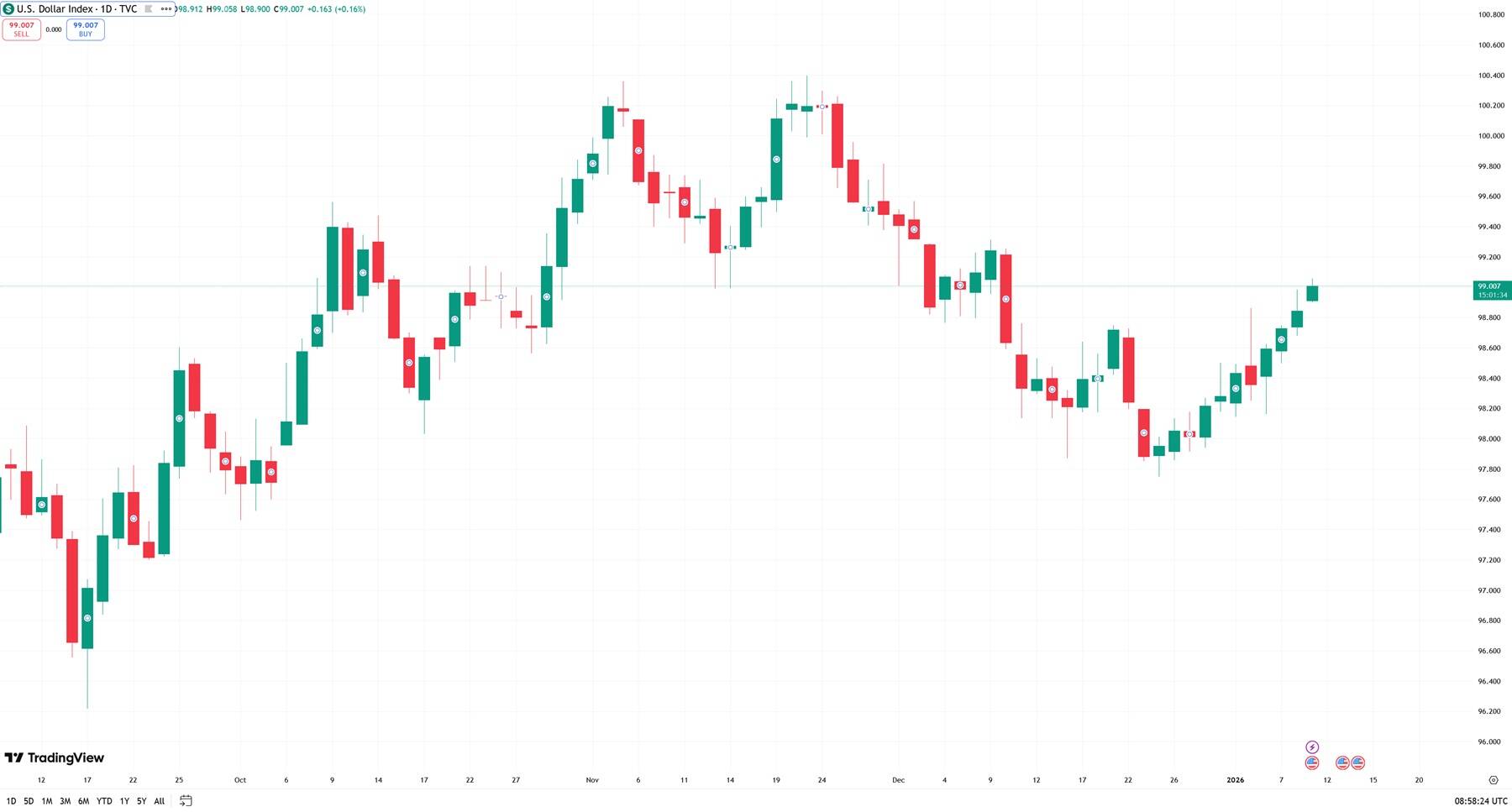
According to the USD Index, the buck is on track to end the week notching up its strongest weekly performance since November last year. Technically, at least in the medium term, it has scope for further outperformance – I am closely watching the 100.000 handle as an upside objective, which coincides with a monthly resistance level at 99.67.
A robust payroll number (>100,000) would likely prompt a hawkish repricing in Fed funds rate expectations and underpin the USD. Of course, this would be amplified if the unemployment rate dips to 4.5% or lower (the minimum estimate is 4.3%).
Conversely, below 30,000 in payrolls, with the unemployment rate remaining at 4.6% or rising to 4.7% (the maximum estimate), will help validate concerns regarding the labour market, reinforce current rate pricing, and likely place this month’s meeting and March on the table for a cut. By extension, this would considerably weigh on the USD. Notably, Fed Governor Stephen Miran spoke on Bloomberg TV yesterday and remains meaningfully dovish, targeting about 150 bps of easing this year – nearly 100 bps more than market expectations.
It is also worth monitoring wage growth as the third leg of the stool today. If that comes in strongly (weakly), it would help cement a hawkish (dovish) narrative.
Written by FP Markets Chief Market Analyst Aaron Hill