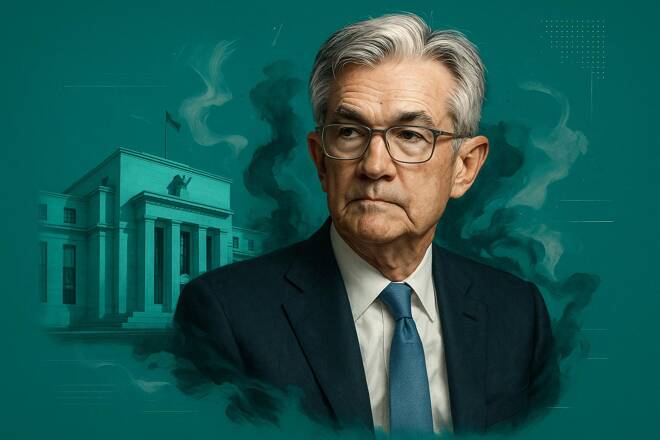
Fed Hits Pause — Now What?
The Fed held rates steady Wednesday at 3.5%–3.75% after three straight cuts. Markets saw it coming. What matters is the shift in how they’re talking about the economy — and what that means for the next move.

Growth’s Fine, Jobs Aren’t Falling Apart
The statement upgraded the growth outlook. Powell said the economy “expanded at a solid pace last year and is coming into 2026 on a firm footing.” Hiring’s been slow, but unemployment looks stable. That’s a shift — the Fed’s not worried about the labor market tanking anymore. Now it’s inflation that’s keeping them cautious.
They also dropped the line about labor risks being bigger than inflation risks. They see things more balanced now. That means they’re not in a hurry.
Two Dissents Wanted Another Cut
Governors Stephen Miran and Christopher Waller both voted to cut again. Both Trump appointees, both got outvoted. Miran’s term ends Saturday, so that was probably his last meeting. Worth noting: Miran previously argued for a half-point cut but dialed it back to a quarter-point this time.
Powell: No Preset Course, But the Bar for Cuts Is High
“Monetary policy is not on a preset course,” Powell said. “We will make our decisions on a meeting-by-meeting basis.” Translation: they’re not committing to anything, and the data will have to force their hand.
The statement gave traders nothing to work with beyond the usual “we’ll watch the data” language. No signal the Fed’s ready to move soon. Futures are pricing maybe two cuts this year, none next. June’s the earliest window, but it’s not a sure thing unless inflation cools off.
The Forecast: Two Cuts This Year, But Only If Inflation Cooperates
Here’s where the smart money is positioning. Goldman Sachs Asset Management sees the Fed on an extended pause near term, but expects easing to resume later this year.
Gold Price Forecast
Every new Gold analysis as it publishes, today's technical signal and key levels, live price — on one page.
See all Gold forecastsKay Haigh, global co-head of fixed income and liquidity solutions, laid it out: “We expect easing to resume later in the year as a moderation in inflation allows for two further ‘normalization’ cuts to take rates back to levels seen by the median FOMC member as neutral.”
That tracks with what futures are pricing — two cuts in 2026, none in 2027. But there’s a big if: inflation has to come down first. I see it differently – if tariff inflation lingers past June, we’re not getting a cut until fall.
The way I see it, inflation is the real issue now — not the labor market. Watching Powell speak, he spent more time defending the 3% core PCE print and explaining tariff effects than he did talking about jobs. The Fed dropped the language about labor risks outweighing inflation risks for a reason. That tells me the bar for cuts is higher than the market thinks.
Powell’s still confident it will. Core PCE likely hit 3% in December, well above the 2% target. But Powell said the elevated readings “largely reflect inflation in the goods sector, which has been boosted by the effects of tariffs. In contrast, disinflation appears to be continuing in the services sector.” He’s betting tariff effects fade and services keep cooling.
If he’s right, the case for cuts builds as the year goes on. If he’s wrong — if goods inflation stays hot or services stall out — the Fed sits tight through summer and probably longer. The key tell will be whether core PCE starts tracking back toward 2.5% by midyear. If it does, June’s back in play. If it doesn’t, we’re looking at September at the earliest.