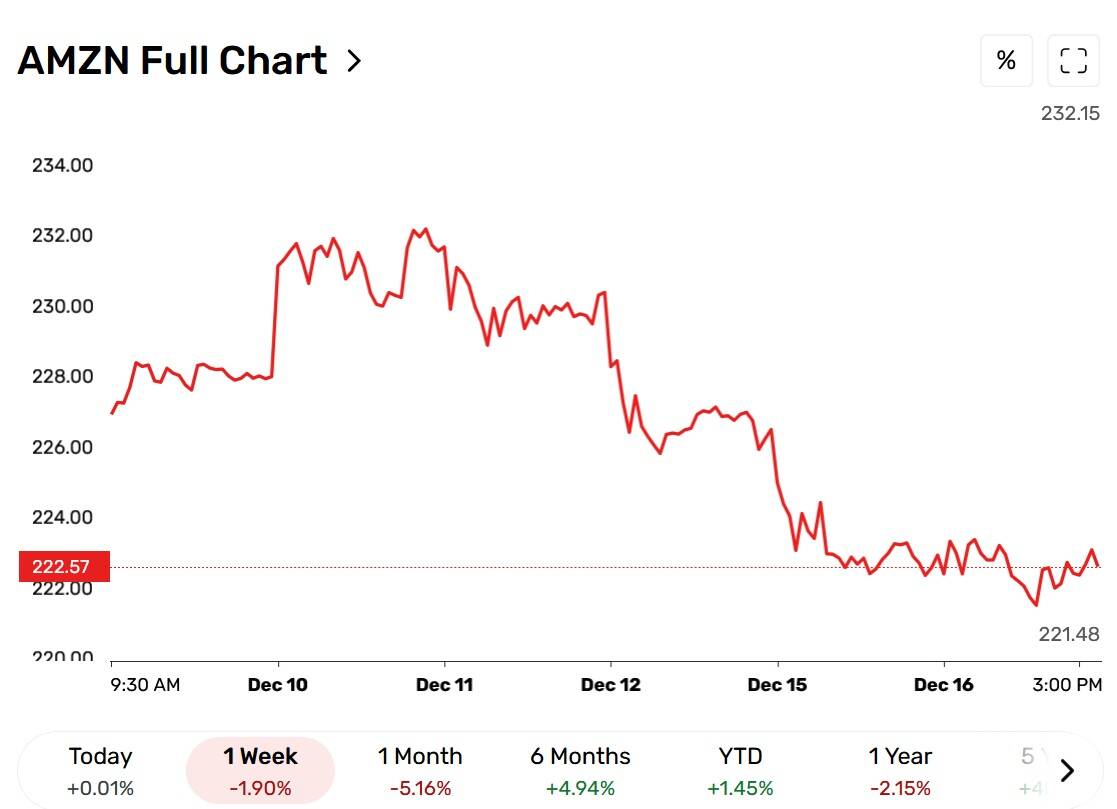
Both the S&P 500 and the Dow Jones Industrial Average were on the back foot, down 0.2% and 0.6%, respectively, while the Nasdaq 100 added 0.3%, a move bolstered mainly by strength across Magnificent Seven Stocks. Aside from Amazon (AMZN), which ended unchanged, the remaining Stocks were on the offensive.
In FX, the USD Index ended yesterday’s session off its worst levels and is up 0.3% in early European trading, with the buck showing particular strength against the JPY. US Treasury yields are also rising across the curve – the 10-year rose more than two basis points to 4.17%.
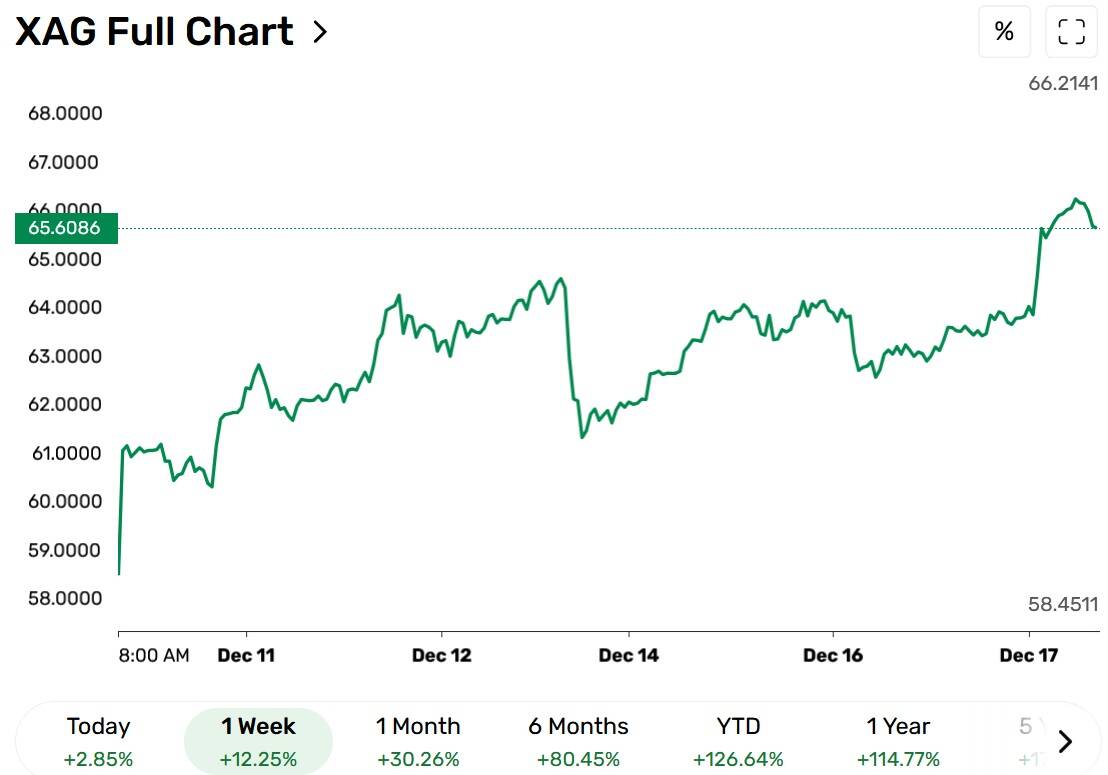
In the commodities complex, Oil prices recently received a much-needed bid – WTI Oil is up 1.4%, on track to trim four days of consecutive losses. This follows US President Donald Trump’s order to impose a blockade of Venezuelan tanker traffic. Precious metals also remain bolstered, with Gold inching closer to all-time highs of US$4,381 and Silver refreshing record highs of around US$66.00 – up an eye-popping 130% YTD.
US Jobs Market Continues to Cool
Despite the November US jobs report showing the economy added 64,000 positions (above the 50,000 median estimate), October’s revised 105,000 decline was also in focus, driven by sizeable government payroll cuts. The unemployment rate also ticked higher to 4.6%, above both the 4.4% median estimate and the Fed’s latest SEP projection for this year (4.5%).
Per Fed rate pricing, investors deemed this report insufficient to prompt near-term easing, with -6 bps of cuts implied for January’s meeting, and March currently sitting at around a 50/50 call (-13 bps).
Tomorrow, the US November CPI inflation data will be released. While I do not expect this to command as much attention as yesterday’s employment report, given the limited October data, it is still worth watching. However, markets may react erratically to the initial release, though moves could fade as the picture becomes clearer, with December’s CPI report likely proving more pivotal for Fed policy direction.
BoE’s Bailey Likely to Side With the Doves
The BoE rate decision is due at midday on Thursday, and markets widely expect a 25 bp rate cut, bringing the bank rate to 3.75% from 4.00%. Although a cut is certainly on the table, the last meeting’s 5-4 vote to hold at 4.00% and the deeply divided MPC mean that everything will likely rest with BoE Governor Andrew Bailey. So, another tight split appears likely – possibly a 5-4 in favour of a cut.
At the beginning of the week, I noted that I thought the markets were a little ahead of themselves on rate pricing (92% in favour of a cut). However, yesterday’s UK October jobs data and the November CPI inflation print released earlier this morning have likely sealed the deal to push Bailey to side with doves tomorrow.
Unemployment rose to 5.1% in the three months to October, up from 5.0% in September, marking the highest level since early 2021. Wage growth also cooled in October, and HMRC payroll data showed that 38,000 jobs were lost in November. Earlier this morning, the November CPI inflation report came in substantially lower than expected and, in my opinion, cemented a rate cut tomorrow, which is why the GBP is down against all G10 peers. Surprisingly, food inflation – which is widely watched by the BoE – was the main driver behind price pressures easing.
ECB: Steady as She Goes
I am not expecting much from the ECB, which lands shortly after the BoE announcement tomorrow. I believe ECB President Christine Lagarde will reiterate her usual ‘policy is in a good place’ and that the central bank is not ‘pre-committing to a particular rate path’.
Written by FP Markets Chief Market Analyst Aaron Hill