
Nasdaq Slips as Moody’s Downgrade Triggers Yield Spike and Tech Pullback
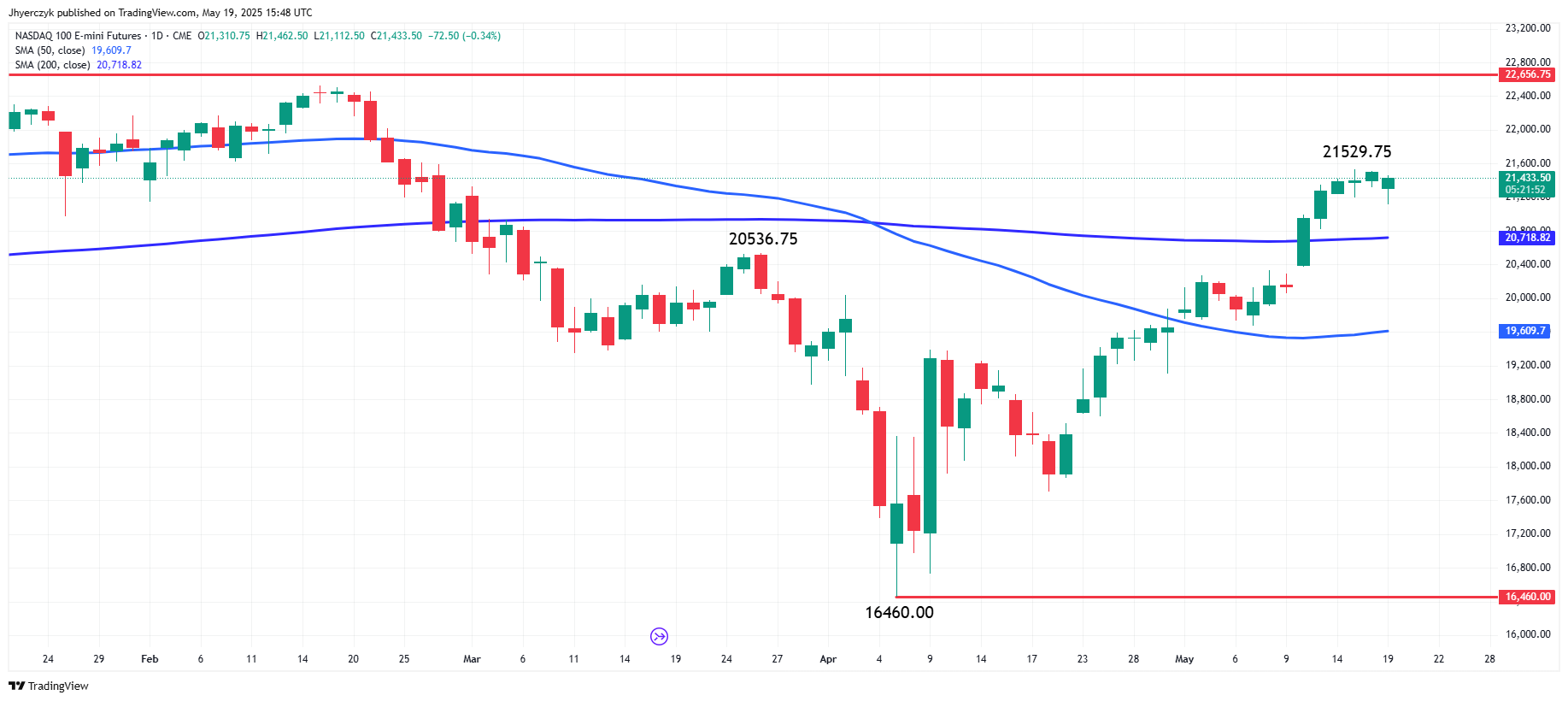
The Nasdaq Composite eased 0.3% on Monday, leading a broader market retreat sparked by Moody’s downgrade of U.S. sovereign credit. Treasury yields surged, pressuring high-growth tech names and cooling last week’s bullish run. While major indexes trimmed early losses, rate-sensitive sectors, especially tech, bore the brunt of selling.

How Did Moody’s Downgrade Hit Tech Stocks and Yields?
Moody’s lowered the U.S. credit rating to Aa1 from Aaa, citing risks tied to growing federal debt and refinancing costs in a high-rate environment. The downgrade rattled bond markets, lifting the 30-year Treasury yield above 5% and pushing the 10-year note to 4.55%. Rising yields typically weigh on growth stocks by eroding the present value of future earnings.
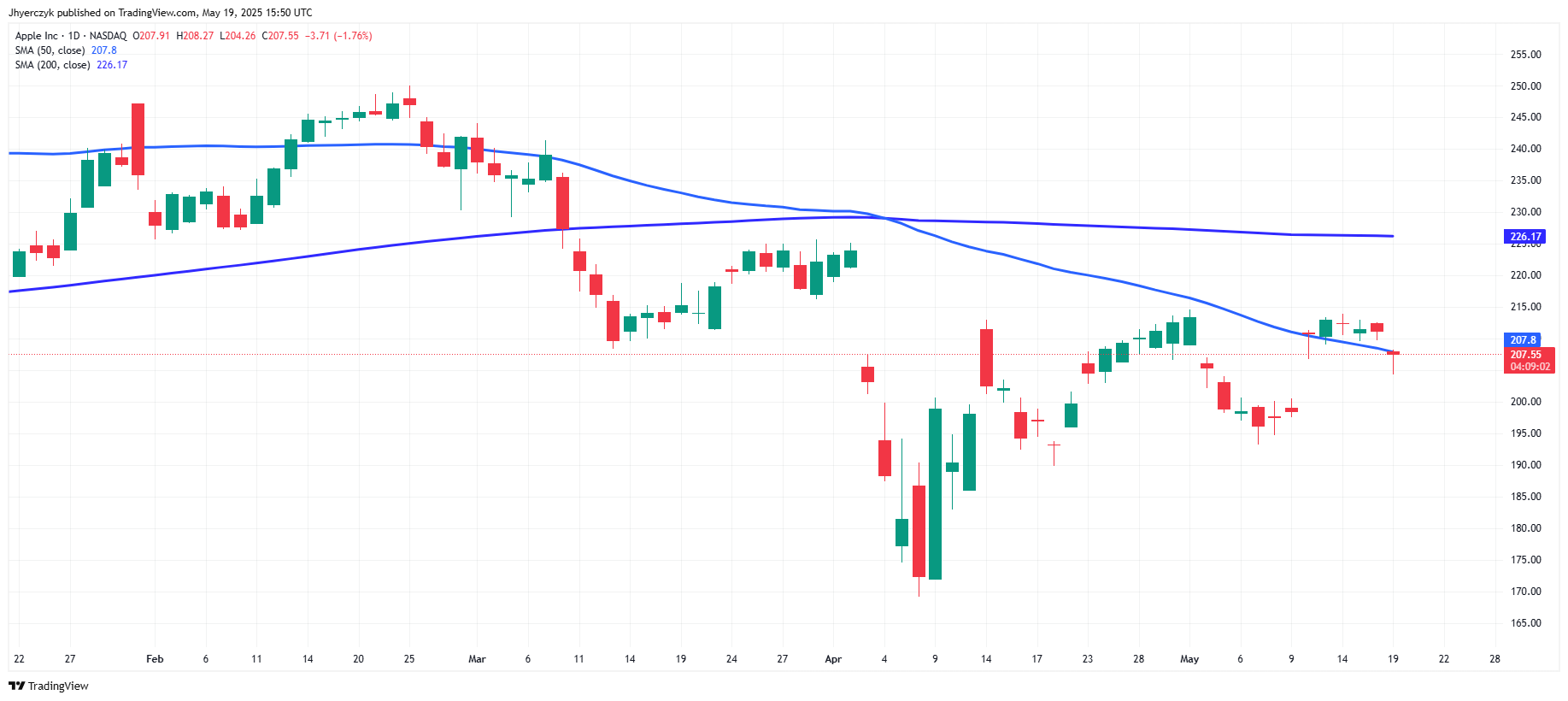
Tesla dropped over 3%, Apple fell 1.6%, and Palantir slid nearly 3%. Arm Holdings, Atlassian, and AMD each lost more than 2%, highlighting investor rotation away from richly valued names. Despite the selloff, major averages clawed back some ground by midday, helped by a slight pullback in yields from session highs.
Which Stocks Defied the Downtrend?
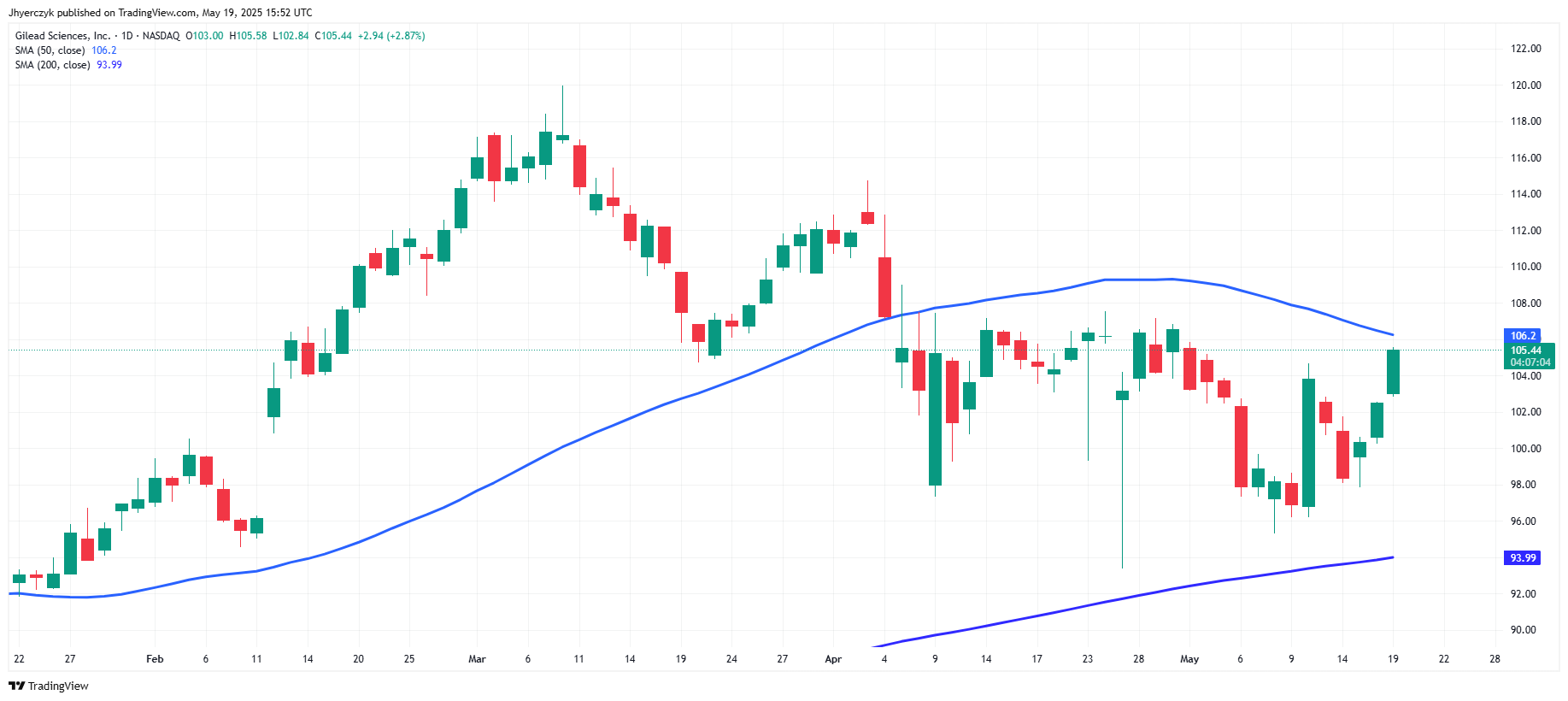
Gilead Sciences led gainers with a 2.7% rise, while MicroStrategy advanced 2.4%. Dexcom, Applovin, and Lululemon also posted solid gains. CrowdStrike and Microsoft held in positive territory, each up less than 1%, suggesting some defensive rotation into large-cap tech with resilient earnings prospects.
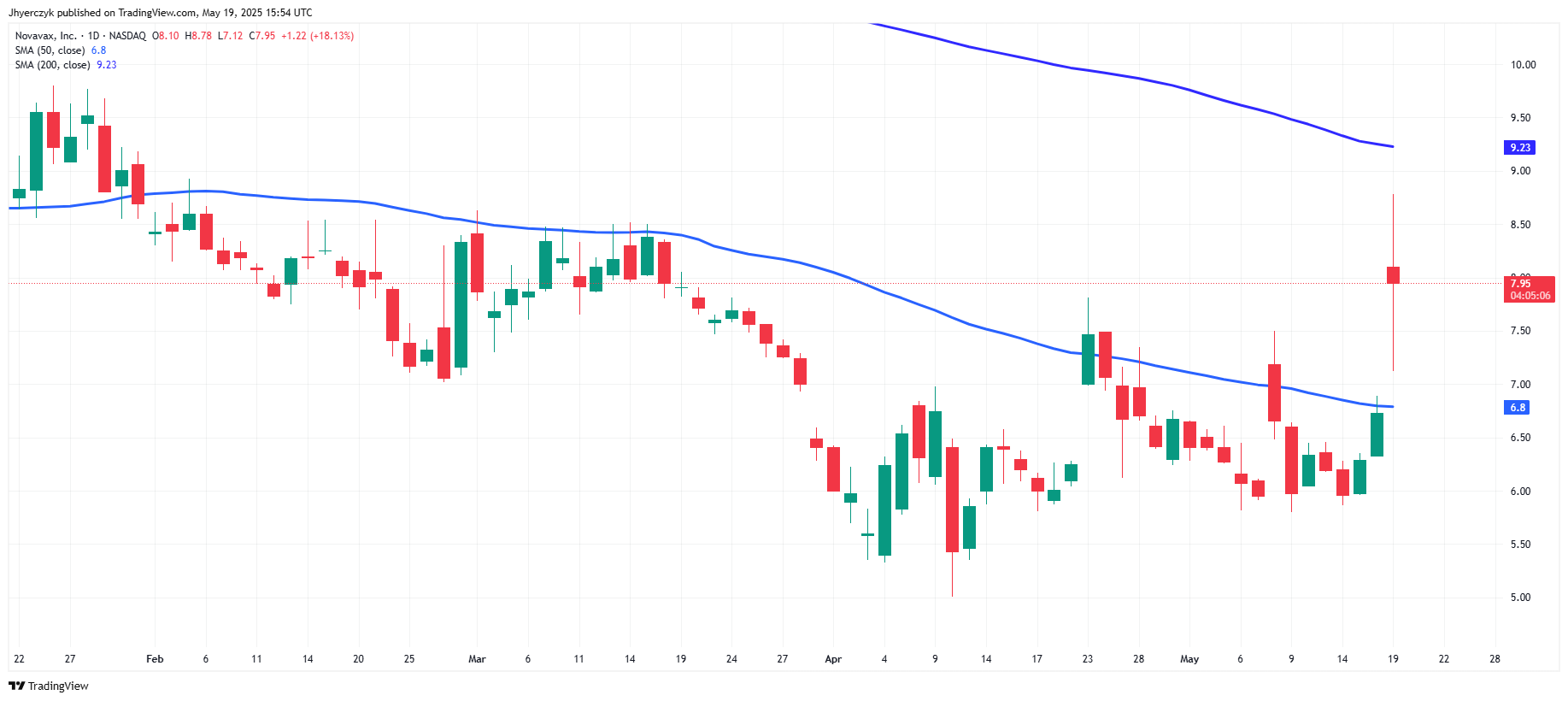
Novavax surged over 17% after the FDA approved its COVID-19 vaccine with specific usage limits. Meanwhile, Reddit fell nearly 7% on a Wells Fargo downgrade, citing long-term traffic risks from AI-integrated search changes.
NASDAQ 100 Price Forecast
Every new NASDAQ 100 analysis as it publishes, today's technical signal and key levels, live price — on one page.
See all NASDAQ 100 forecastsHow Are U.S.-China Tensions and Fed Policy Weighing on Sentiment?
China responded sharply to a U.S. warning over Huawei chip usage, accusing the U.S. of derailing trade progress. Beijing threatened retaliatory measures, raising concerns that recent tariff de-escalation could unravel. Trade risk remains a market overhang, especially after the Nasdaq’s 7% rally last week driven by optimism over a temporary tariff deal.
Federal Reserve commentary added another layer of caution. Atlanta Fed President Raphael Bostic signaled support for only one rate cut this year, citing sticky inflation expectations. With Treasury yields already pressuring equities, a slower Fed pivot may dampen sentiment further.
What’s the Market Outlook from Here?
After last week’s strong rally, the Nasdaq’s pullback reflects renewed investor caution. Traders are watching Treasury yields closely, especially the 10-year benchmark, as it influences everything from equity valuations to consumer credit. U.S.-China tensions and further Fed commentary could drive near-term moves. Unless yields ease or trade progress resumes, tech-heavy indexes could stay under pressure.
More Information in our Economic Calendar.