


Gold (XAU) and silver (XAG) prices rallied following the recent geopolitical shock that brought energy prices and inflation risks into focus. I think that the existing combination of decent liquidity and rising macro stress sets up a broader uptrend in precious metals in the next few months. This article presents how liquidity, inflation and key technical levels are shaping the next step for both metals.
Macro Drivers: War, Liquidity, and Inflation Shape Precious Metals
Energy Shock Drives Inflation Through the Economy
The Persian Gulf War is still affecting the global energy supply. The Strait of Hormuz is partially blocked, and the affair has been complicated by recent developments. There was a temporary ceasefire that briefly pushed oil prices down, but it failed. The collapse of ceasefire introduced another layer of volatility in the financial markets.
The situation worsened after the US declared a naval blockade that would restore the toll-free passage through the strait. Meanwhile, Iran’s action to charge shipping created an additional burden on international trade. These are not only political developments, but they have direct implications on the price and supply of energy.
This unrest has already contributed to inflation. In the United States, the price of gasoline soared in March.
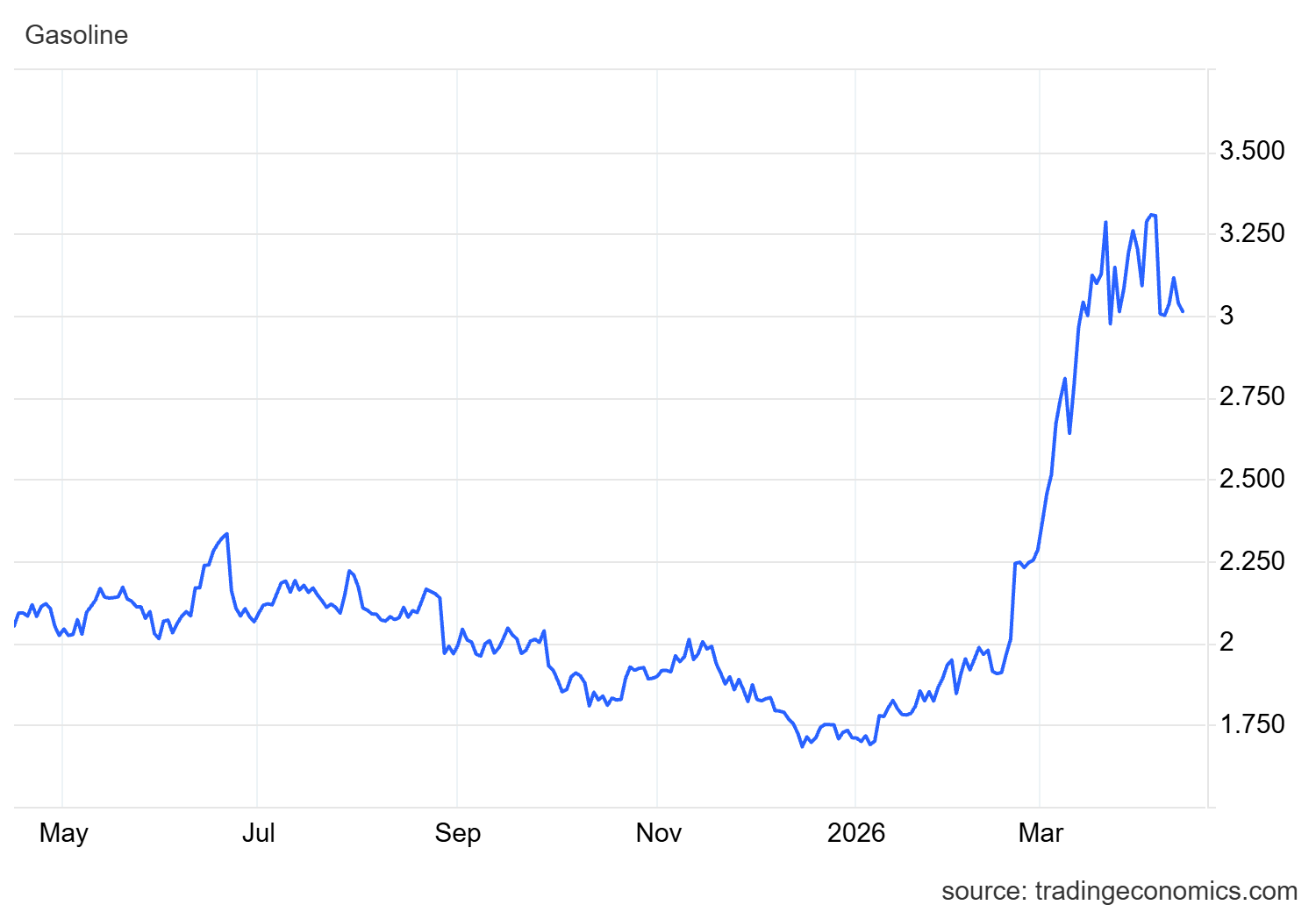
This pressure was reflected in the March CPI print which was hot. An increase in energy prices is now moving into the waves in the economy. First wave is fuel and transport, then production costs and finally food and services. This mechanism of transmission is identical to that observed in previous energy shocks. The chart below shows that the first wave of inflation after the US-Iran war has already hit the market.
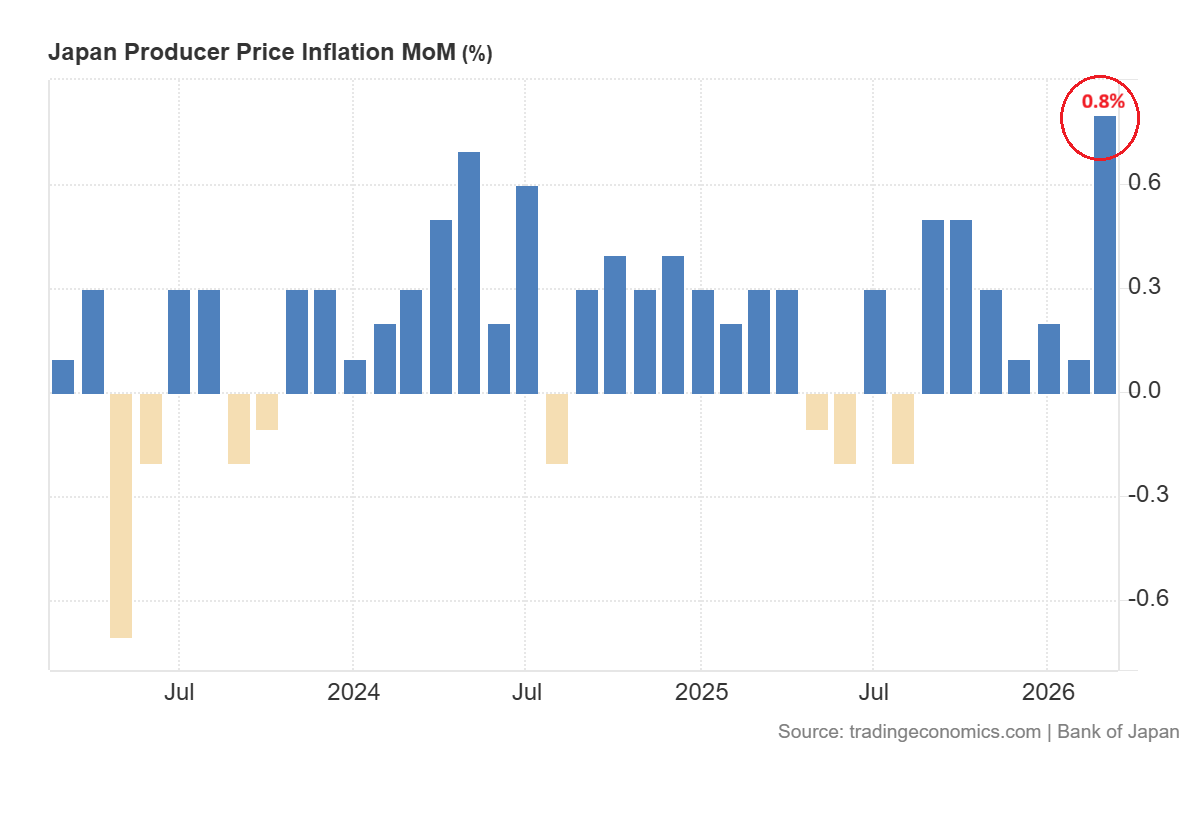
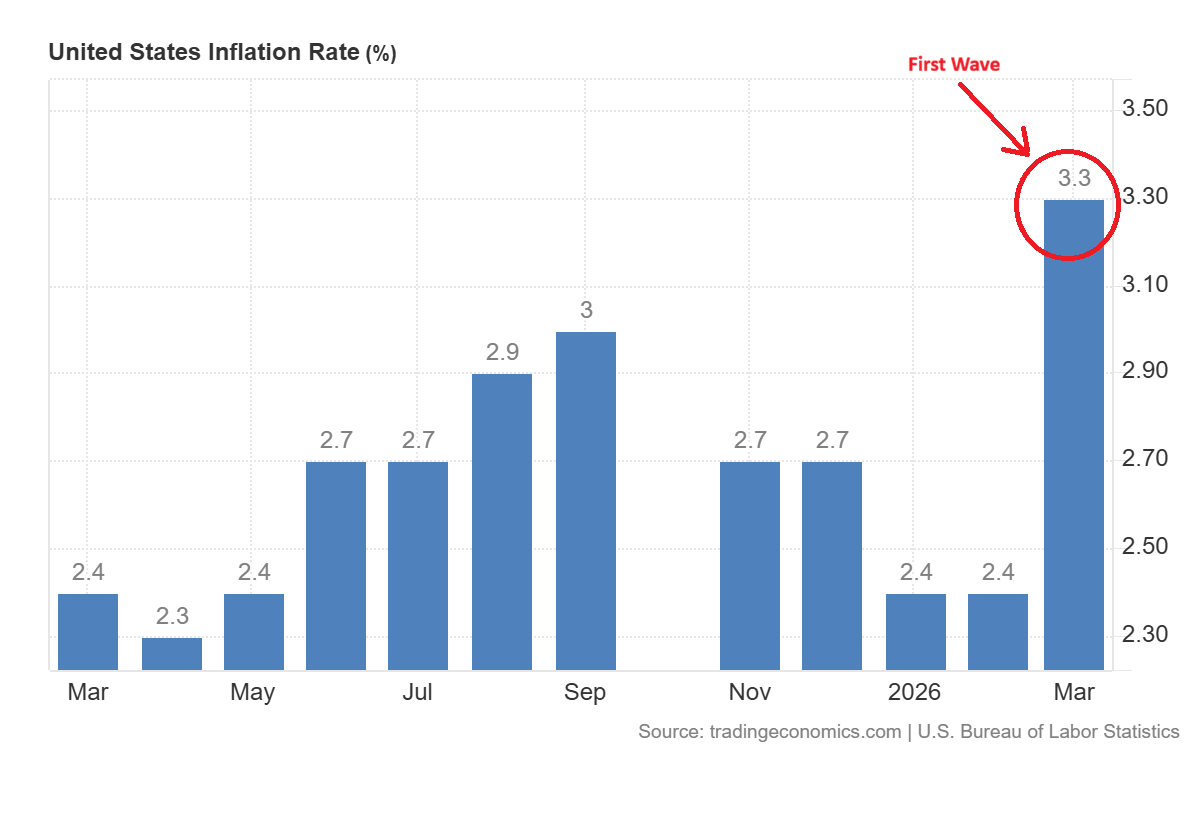
In the case of gold and silver, this is important as inflation expectations are again increasing. However, the strong demand is not driven by inflation. It is driven by the supply disruption. That makes the monetary policy and liquidity more complicated.
Gold Price Forecast
Every new Gold analysis as it publishes, today's technical signal and key levels, live price — on one page.
See all Gold forecastsCeasefire Breakdown Deepens Supply Risks
The fact that ceasefire talks and negotiations broke down in Pakistan indicates that the conflict is not stabilizing. The situation is getting more disintegrated. The energy flows are unstable, and the threat of additional disruption is high.
A reduction in the flow of energy and raw materials is now weighing on the global economy. Developing economies are experiencing actual shortages, as wealthier countries can outbid them in buying the supply. This causes uneven stress in the system.
The imbalance matters in the case of metals. Gold is sensitive to systemic stress, whereas silver is sensitive to monetary conditions and industrial demand. In case of tightening of supply chain and uneven inflation, both metals start to mirror that strain in one form or another.
Liquidity Remains Steady Despite Rising Stress
The liquidity remains decent despite the war and inflation shock. The chart below confirms that the Federal Reserve standing repo facility and swap lines are not being utilized heavily. That implies that there is no imminent funding crisis.
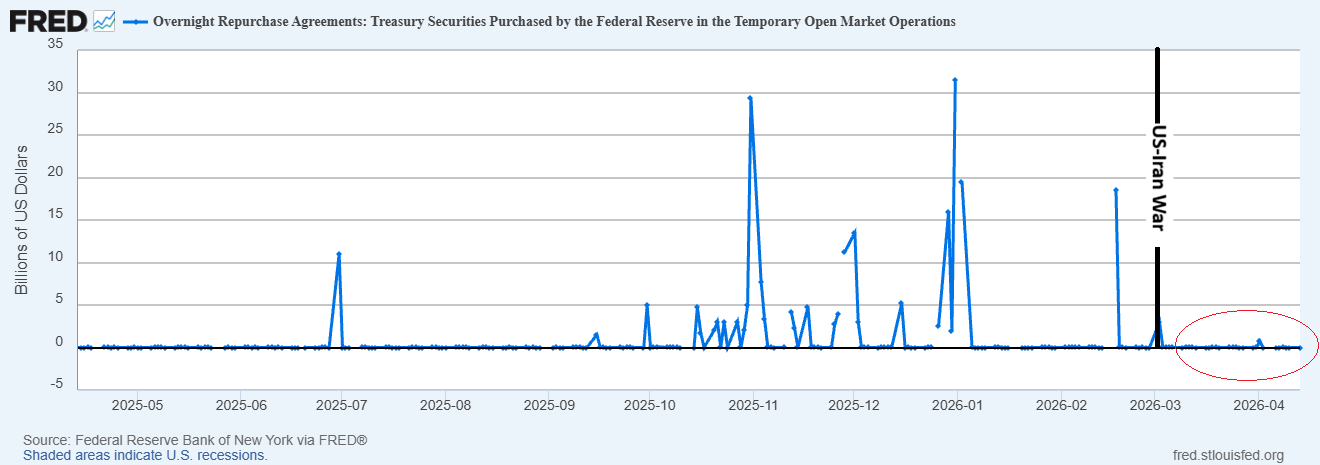
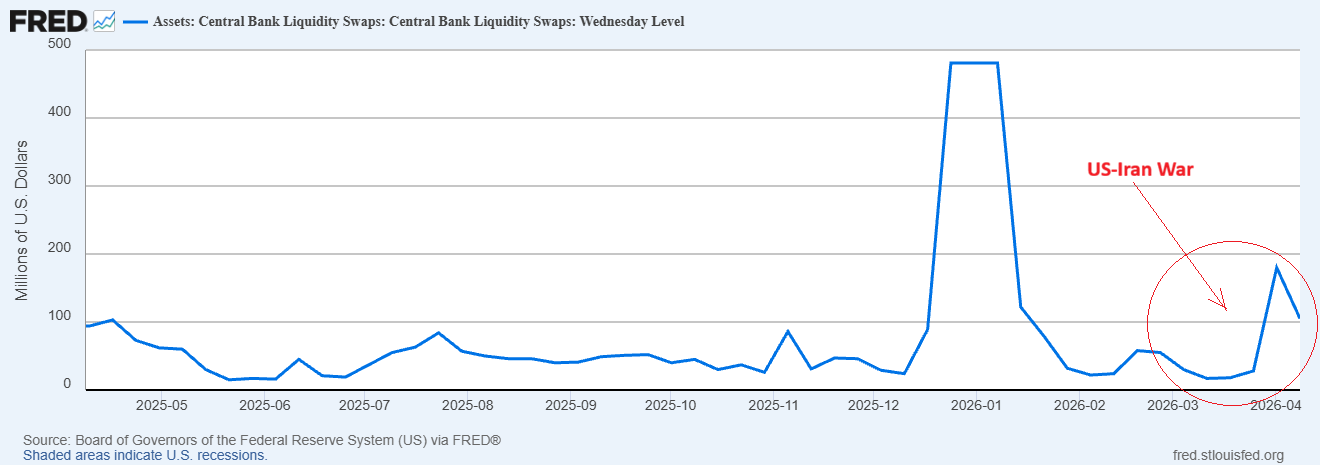
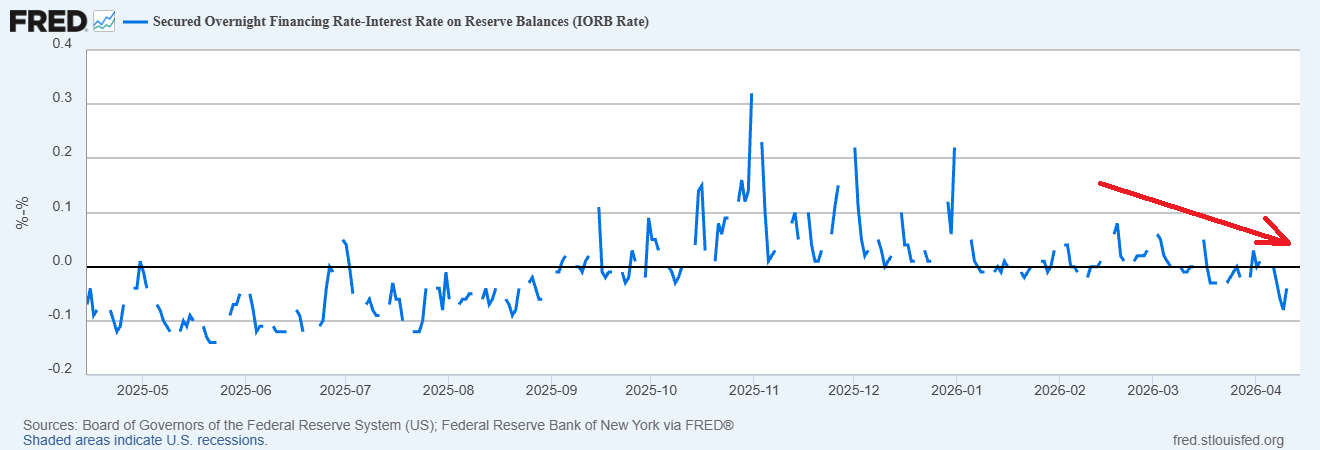
The spreads between the fixed overnight financing rate and the interest rate charged by the Fed on the reserve balances give a good indication of the liquidity conditions. The spread swings into positive territory in late 2025 and early 2026, as shown in the chart below. This makes it clear that SOFR was trading above the rate set by Fed, which indicates that short-term funding conditions had tightened and liquidity had become restricted. But this pressure did not last long.
This growth has turned negative after the Persian Gulf War and has gone back below zero. This move implies that the previous stress in the funding markets is reduced, and liquidity situations are better on the periphery. Although this does not indicate excessive liquidity, it does suggest that the system is not strained acutely.
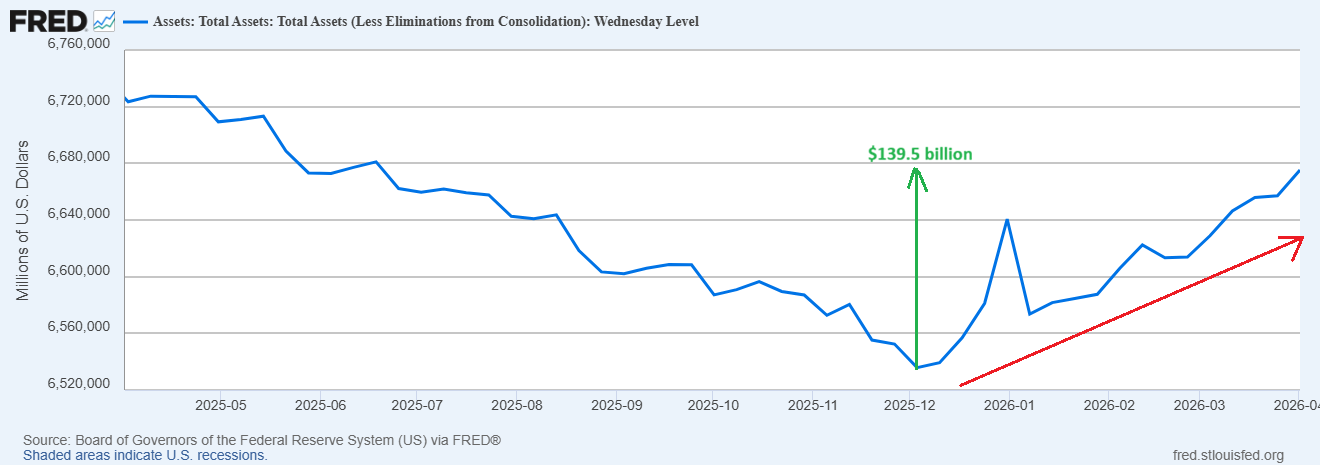
The Fed is still engaged in a gradual printing. The liquidity is being added slowly. Bank lending is stable and credit is flowing. This averts a sudden shrink in financial circumstances.
This is one of the balances of gold. Liquidity is sufficient to maintain prices, but not to eliminate risk. That forms a positive environment for precious metals.
Credit Markets Signal Growing Financial Strain
Credit markets also show key developments. Higher than normal withdrawal requests are being experienced in the private credit industry. This lessens the supply of riskier loans to smaller enterprises and consumers.
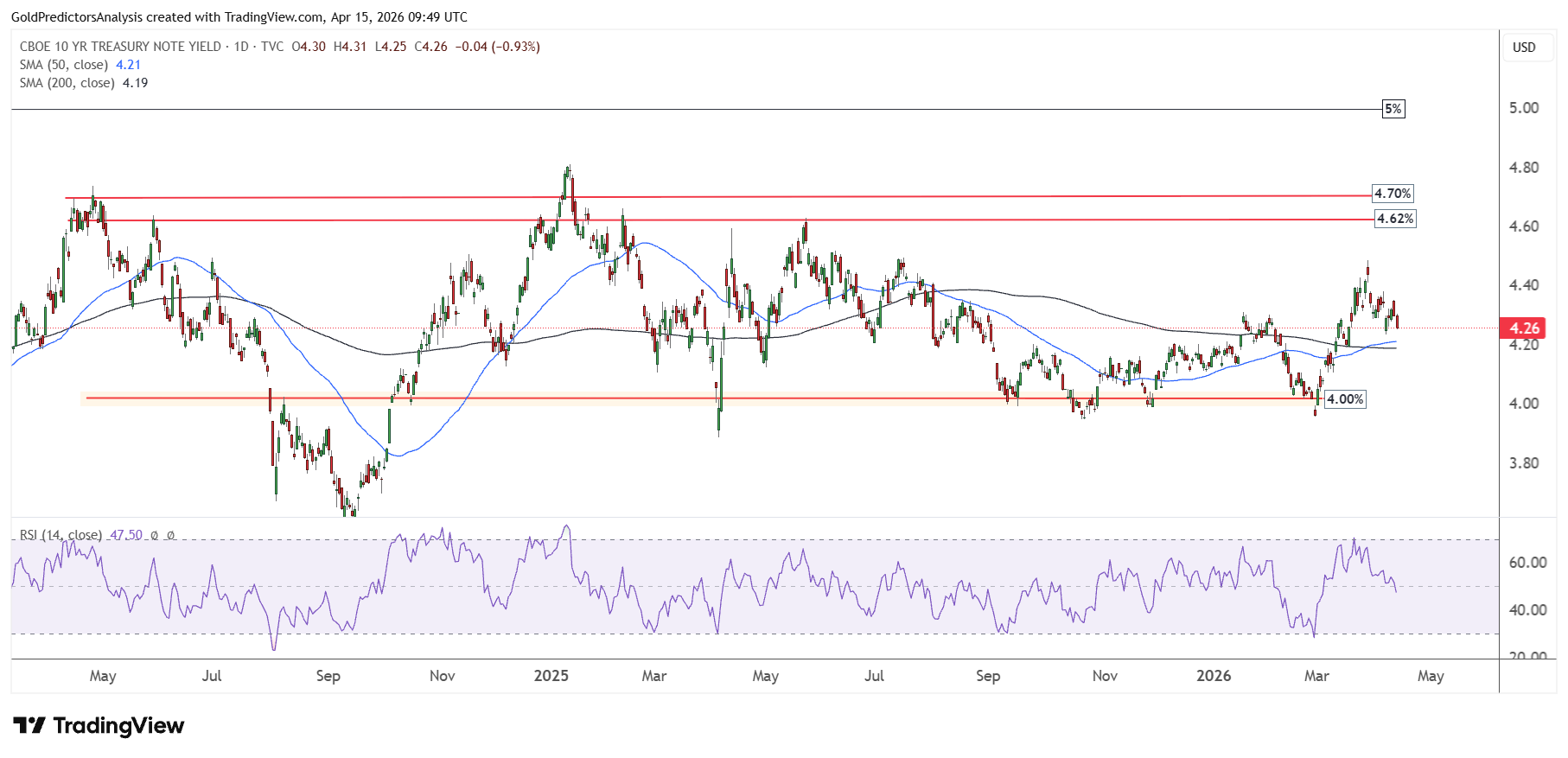
Meanwhile, bond yields are high. The increase in yields is straining liquidity. They raise the cost of capital and indirectly constrain finances. The chart below shows that the 10-year US Treasury yields have traded between 4% and 4.6% for the past year. The yields may continue to rally to 4.60% if the 4.20% holds.
Gold and Silver Outlook: Liquidity, Inflation, and Demand Shape the Next Move
The current liquidity conditions and inflation concern favours gold. On the one hand, inflation driven by energy puts the real interest rates under strain. On the other hand, liquidity is not falling apart. This enables the flow of capital into defensive assets to persist.
It is also significant that there is no dollar funding crisis. Gold works best when there is the availability of liquidity and a lack of confidence. This is precisely the existing arrangement. The system is working, but threats are increasing underground.
Silver Faces Short-Term Demand Pressure but Maintains Long-Term Strength
However, the same case does not apply to the silver market. Silver is sensitive to industrial demand and monetary conditions. Uncertainty is created in the industrial activity by the energy shock and supply disruption. That can taper the short-term direction of silver. But the long-term demand is fuelled by AI innovations and the transformation of renewable energy.
Meanwhile, if liquidity remains constant and inflation persists, silver can soon catch up. It usually trails gold and then picks up speed when the macro trend is evident. The current environment indicates that silver could be on a similar track as gold, but with added volatility.
Liquidity Remains an Important Driver for Precious Metals
The most important factor in the future is the evolution of liquidity. In case Fed is compelled to inject additional liquidity because of an increasing credit stress or economic slowdown, the gold price will move more aggressively. In the event of a sharp tightening of liquidity, the two metals may experience temporary pressure before resuming their upward trend.
The headlines of the war, oil shock and inflation may take centre stage in the story, but liquidity remains an important driver of the precious metals direction.
Technical Outlook: Key Levels to Confirm the Next Surge
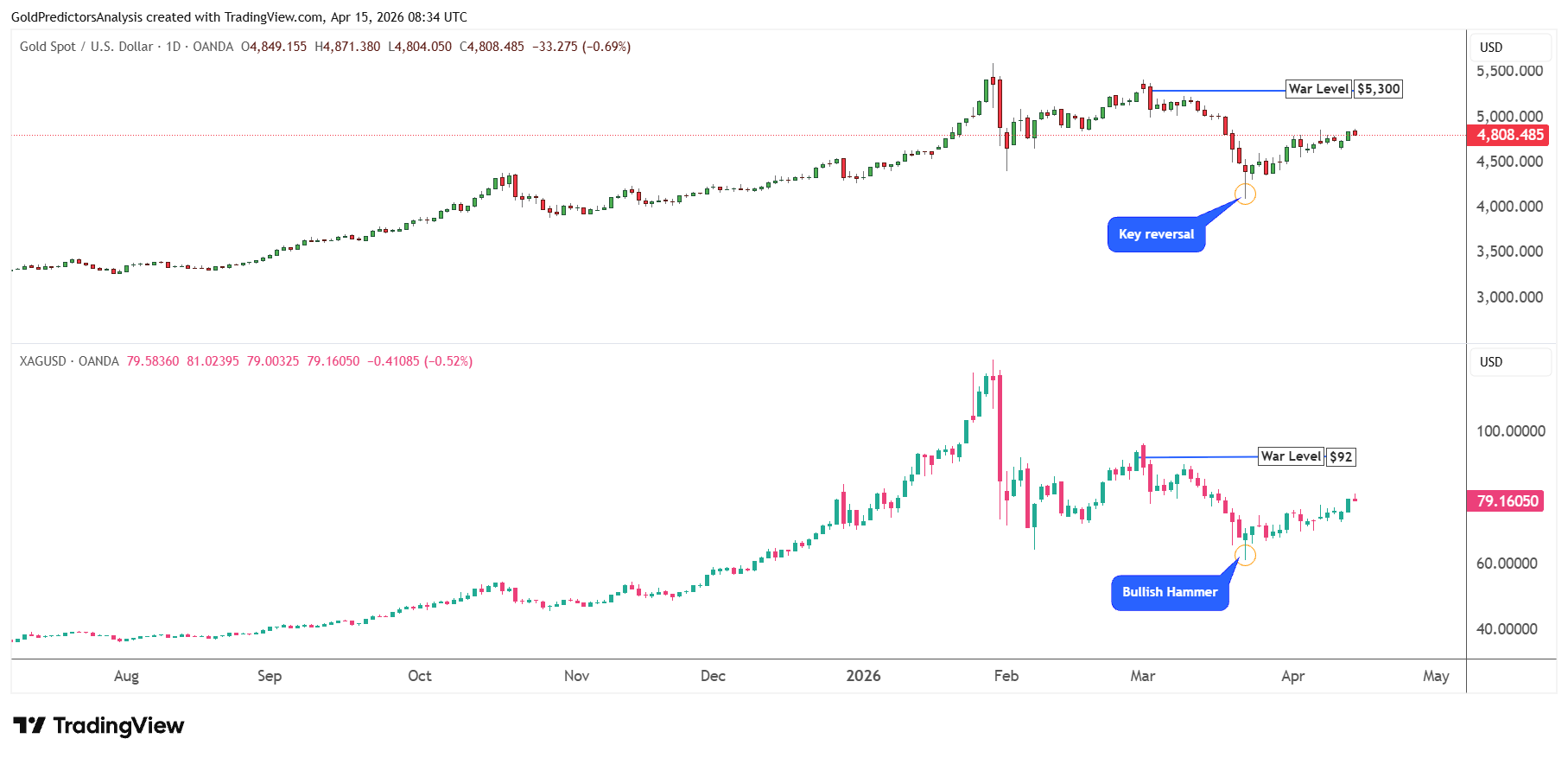
From a technical perspective, gold and silver prices are turning higher after forming a bullish reversal candle on 23 March 2026. The chart below shows that silver confirmed the formation of a bullish hammer candle, while the gold price formed a key reversal candle on the daily chart.
After forming these bullish candles, both metals consolidate and then trend higher towards their resistance levels.
However, the rebound from these levels is still not strong enough to push above the war level. The war level for silver price is around $92, while the war level for the gold market is around $5,300.
As long as the price remains below these levels, both metals can continue to mark a final drop before the next surge higher. The gold price has a strong long-term support around the $4,000 level. On the other hand, the silver price has long-term support at $50 and $60.
Since the gold market has hit $4,100 and silver has hit support at $61, the possibility of both metals surging will continue to increase if the key levels are broken.
However, strong geopolitical and energy crises can trigger market uncertainty. A confirmed break above $92 in silver and $5,300 in gold will likely indicate that both metals are ready to surge higher in the next cycle.
Final Thoughts
Gold and Silver show short term fluctuations due to the geopolitical headlines, but the macro environment suggests a bullish outlook for gold. Inflation is still being determined by the ongoing conflict as oil prices remain volatile. The decent liquidity conditions indicate capital flows into defensive assets. This provides a favourable environment for metals amidst uncertainties. The overall trend is good as long as the liquidity tightens are not sharp.
Meanwhile, drop in gold and silver after the US-Iran war did not break the bullish trend. Infact this drop was a healthy sign and indicates a setup for the next surge in both metals. Gold and silver are required to break the $5,300 and $92, respectively, to keep the bullish trend alive and mark new records. However, any correction back to $4,000 in gold and $50-$60 in silver will be considered a buying opportunity. In my opinion, both metals are consolidating after a big rally in 2025 and this consolidation is considered as the preparation for the next surge.
If you’d like to know more about how to trade gold and silver, please visit our educational area.