Donald Trump’s trade war is taking a heavy toll on small businesses across America. As the holiday shopping season begins, many firms are facing skyrocketing costs due to import tariffs. Industry leaders report that tariffs have significantly increased the prices of key holiday goods, including toys, lights, and decorations. They also warn that a “massive” number of small companies have been forced out of business.

Tariffs Push Small Businesses to the Brink
Small business owners clearly feel the impact of tariffs. These businesses rely on year-end sales, but now face higher costs, delays, and supply chain disruptions. Small firms lack the scale to absorb tariff expenses or secure exemptions.
According to some reports, Jared Hendricks of Village Lighting Co. in Utah says his tariff costs have reached nearly $1 million. “We’ve transitioned from working for profits to working for tariffs,” he said.
On the other hand, Hendricks warns that prices for Christmas products could rise even further next year unless tariff relief is provided. He explains that the U.S. lacks the infrastructure needed to replace foreign supply chains for holiday goods.
Moreover, the toy and game businesses are suffering. Boyd Stephenson, who owns Game Kastle College Park, says that rising costs are squeezing his suppliers.
A survey of over 1,000 small businesses found that 71% expect tariffs to hurt consumer spending this holiday season. Nearly half have raised prices, and 74% are worried about staying afloat into 2026.
Despite widespread concerns, the Trump administration presents the tariffs as a path to long-term gains. A White House spokesperson said tariffs will pressure foreign exporters while fuelling new trade deals and domestic investment. The administration believes its broader agenda of tax cuts and deregulation will support small business growth.
S&P 500 Price Forecast
Every new S&P 500 analysis as it publishes, today's technical signal and key levels, live price — on one page.
See all S&P 500 forecastsFinancial Markets Under Pressure
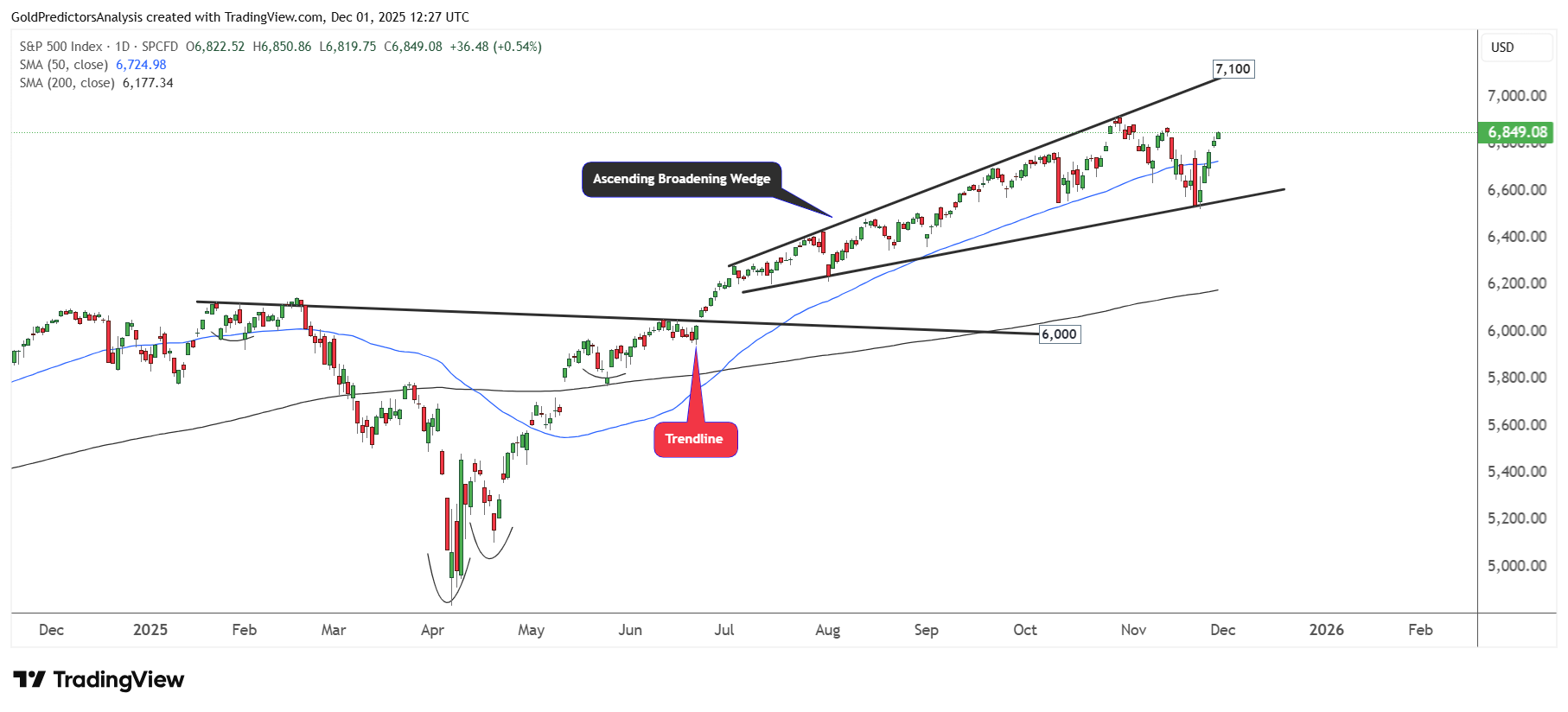
The Trump trade war is also putting pressure on financial markets. The S&P 500 has rebounded from the support of an ascending broadening wedge at 6,500. A breakout above the record level could push the index toward 7,100.
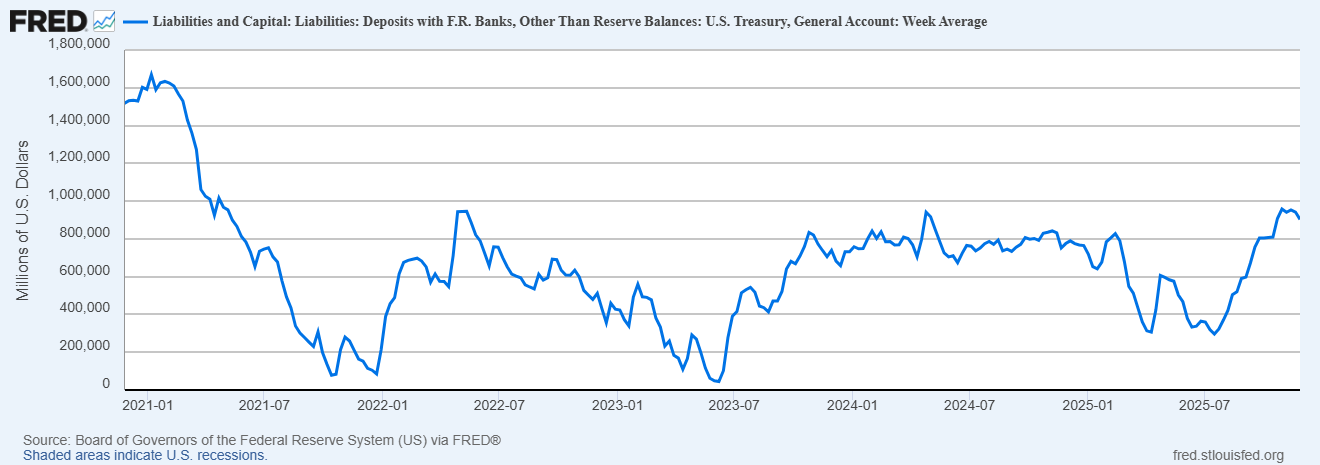
On the other hand, liquidity remains tight, even after the Treasury General Account began to decline following the 2025 government shutdown.
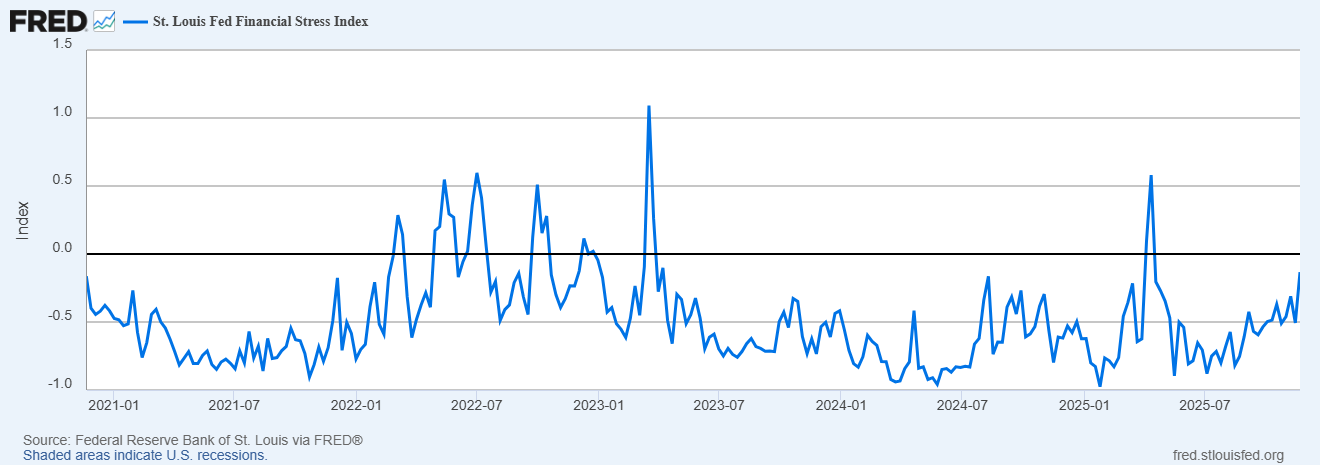
Moreover, the St. Louis Fed Financial Stress Index has surged to near zero. This surge indicates elevated stress levels in financial markets. As tariffs ripple through the economy, the strain is increasingly visible on both Main Street and Wall Street.
In Closing
The Trump trade war may aim for big-picture economic wins, but its short-term effects are crushing small businesses. With rising costs, dwindling profits, and no clear relief in sight, the 2025 holiday season could be the final chapter for many small, family-owned shops across the country.
While the administration argues that tariffs will bring long-term investment and trade advantages, the current economic strain is visible on every corner of Main Street. The holiday season, once a source of optimism for small business owners, has now become a growing source of anxiety and uncertainty.