Dow Surges 900 Points as Wall Street Rotates Out of Chips
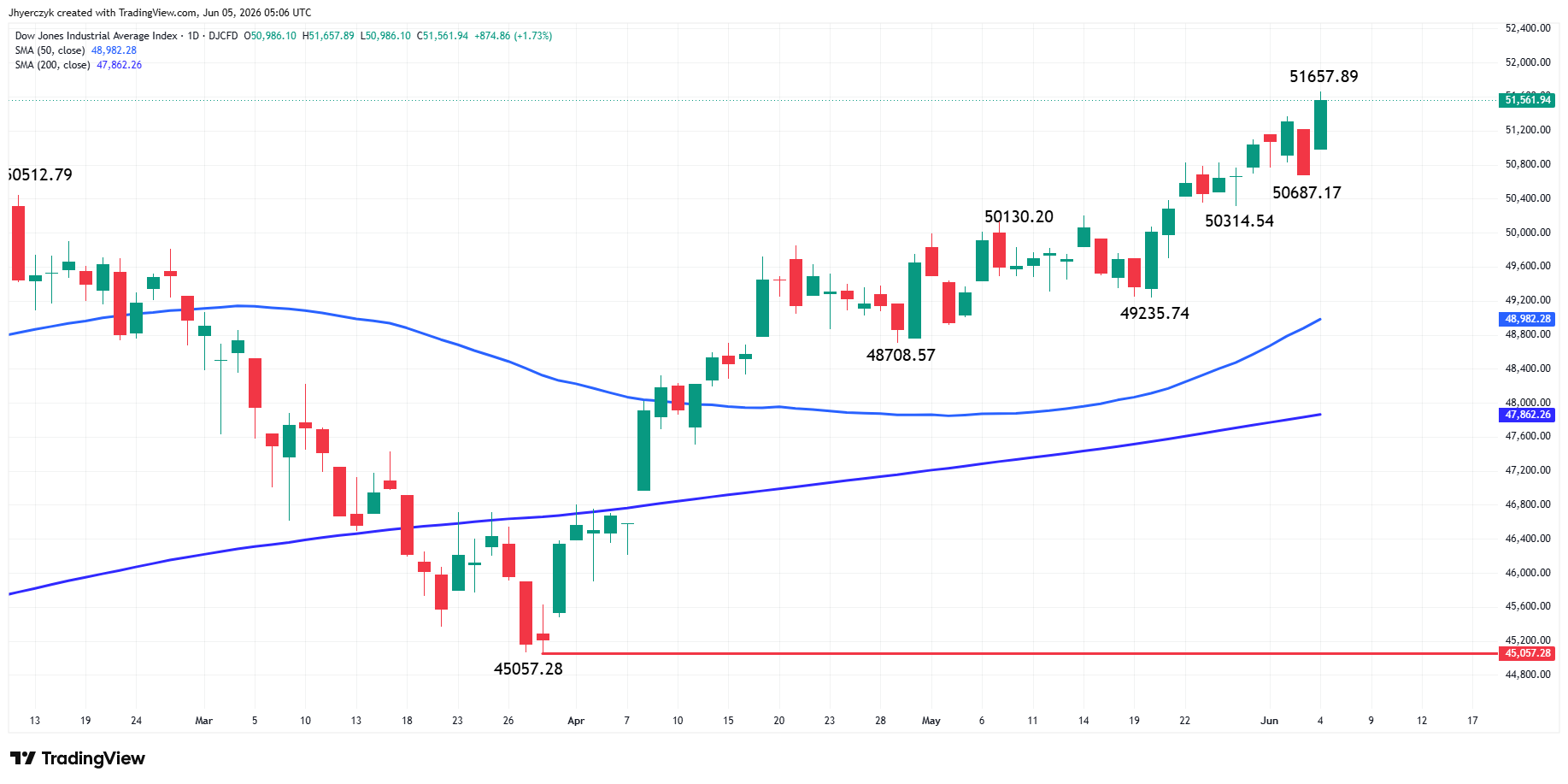
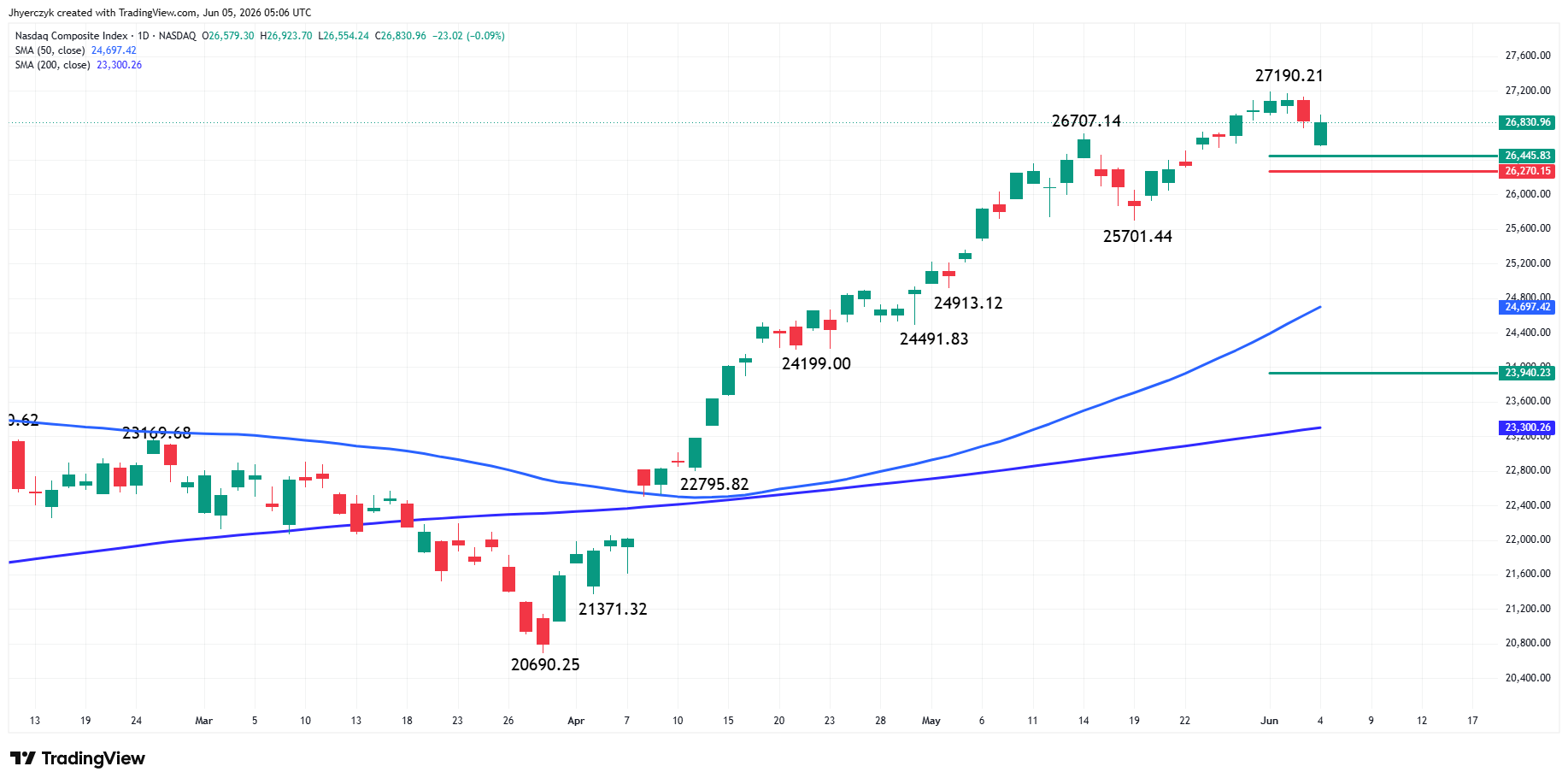
I did not expect Thursday to look like this and I doubt most traders did either. The Dow Jones Industrial Average gained nearly 900 points and hit a fresh record high. The Nasdaq Composite slipped 0.9%. Those two numbers side by side tell you everything about what kind of session it was.
Broadcom reported quarterly earnings, maintained its long-term forecast for $100 billion in artificial intelligence chip sales, and the stock cratered 12.59% anyway. A year ago that kind of forecast would have been enough to send the stock higher. On Thursday the Street looked at the number and sold it. That single reaction set the tone for the entire day and the money that came pouring out of semiconductors went straight into healthcare, financials, retailers, and consumer names across the board.
By the closing bell nine of eleven S&P 500 sectors finished in positive territory. The stock market was not weak on Thursday. The Nasdaq was weak. The rest of the market had one of its best sessions in months and the Dow proved it with a record.
Broadcom Earnings Trigger Broad Profit-Taking in Chips
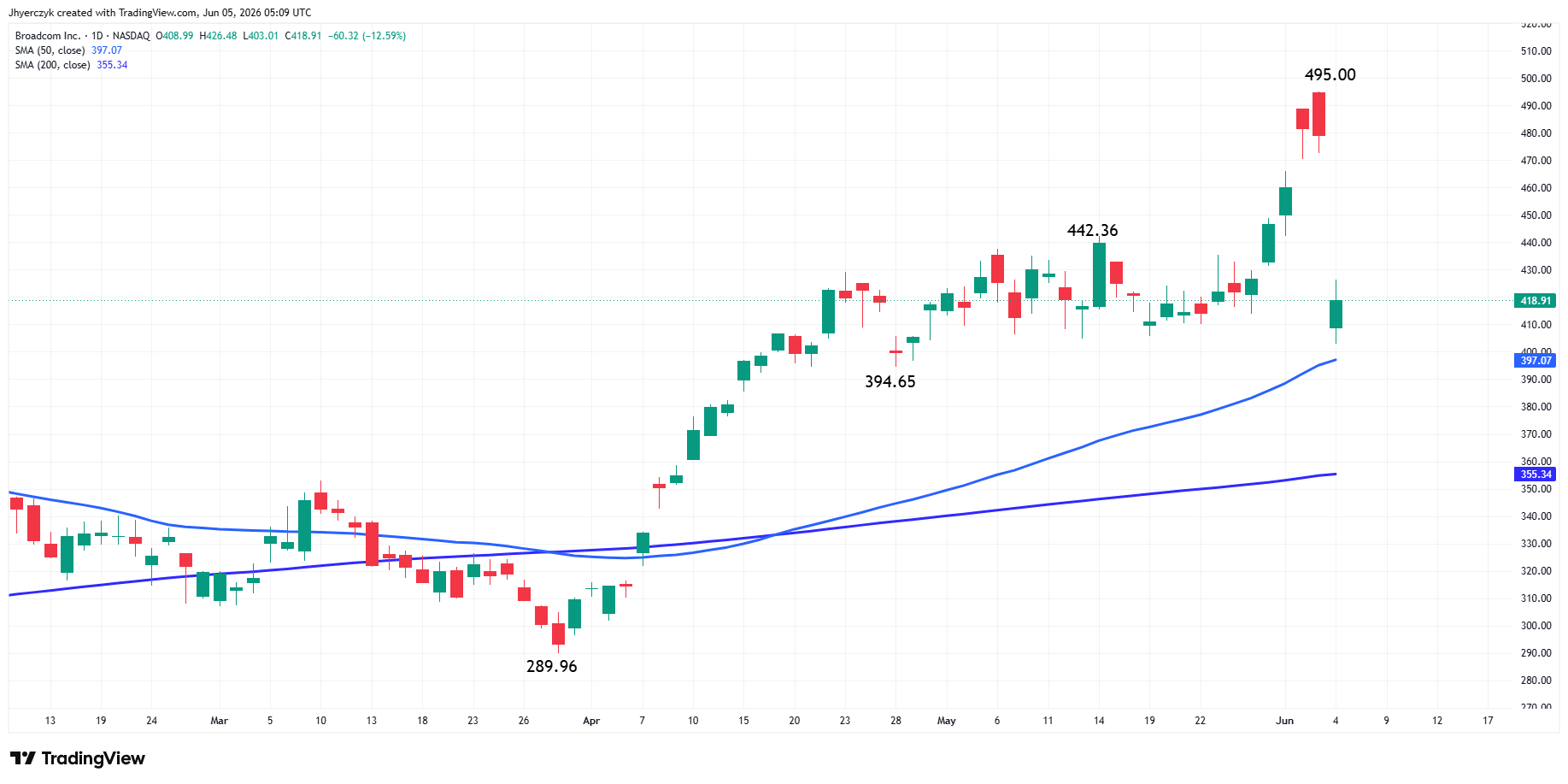
Broadcom was the spark that lit the fire. The company released quarterly results and held its $100 billion long-term AI chip revenue forecast and the Street treated that like a disappointment. That tells you everything about where expectations have gone across this group. A year ago maintaining a forecast like that gets rewarded. In this environment it gets sold because investors have been conditioned to expect massive upside surprises every single quarter.
Broadcom shares plunged 12.59% and billions of dollars in market value disappeared before the opening bell even rang.
The selling spread immediately. Micron Technology dropped nearly 8%. Arm Holdings lost 4.47%. Advanced Micro Devices fell 3.56% and Qualcomm and Intel both sold off behind them. The Philadelphia Semiconductor Index tumbled more than 2% and the VanEck Semiconductor ETF dropped 1.63% on the session.
One company met expectations instead of blowing past them and the entire chip space repriced on it. The positioning across AI hardware names had gotten extremely heavy and Broadcom’s print gave the Street a reason to lighten up across the whole group at the same time.
Dow Jones Price Forecast
Every new Dow Jones analysis as it publishes, today's technical signal and key levels, live price — on one page.
See all Dow Jones forecastsUnitedHealth and JPMorgan Chase Lead the Dow to Record Territory
The money that came out of chips did not go to cash. It did not sit on the sidelines waiting for the next AI earnings report. It went right into the names that had been sitting still for months while semiconductors and artificial intelligence grabbed every headline on the tape.
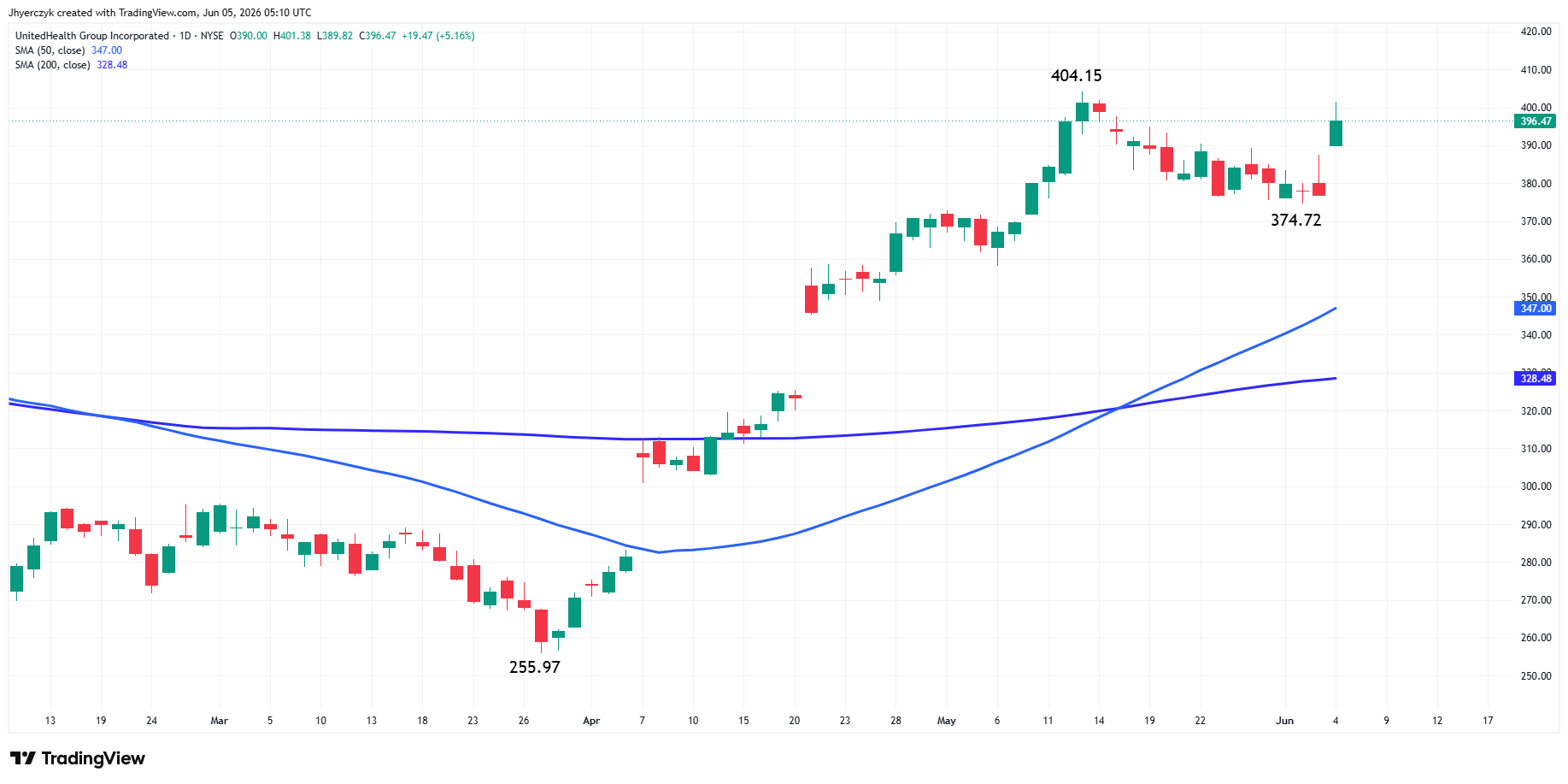
UnitedHealth Group jumped more than 5% after Bank of America upgraded the stock to Buy and that single move carried the Dow hard because it is a price-weighted index and large moves in higher-priced stocks have an outsized impact on the benchmark.
Goldman Sachs rallied about 5%. JPMorgan Chase gained roughly 3.34%. American Express and Visa attracted steady buying throughout the entire session. These are companies with established earnings and strong cash flow that do not need the next AI chip cycle to beat by a billion dollars. They need the economy to hold together and right now the data is saying it is doing exactly that.
Walmart added 0.73% on the day. McDonald’s picked up ground. Costco advanced about 1%. Eli Lilly climbed 4.31% and the broader healthcare sector gained more than 2%. The breadth of the buying across these sectors is what made Thursday fundamentally different from a normal one-day pullback in tech. This was not about one stock missing. This was capital moving from the most crowded trade on Wall Street into everything else at the same time.
Falling Crude Oil Supports Dow Components
Spot Brent crude oil eased toward $95 a barrel on Thursday after the Israel-Lebanon ceasefire raised hopes that a diplomatic path with Iran could eventually open up. That pullback in crude oil showed up across the Dow side of the market almost immediately because so many Dow components benefit directly when energy costs come down.
McDonald’s margins improve. Walmart’s shipping costs fall. The airlines get relief on their single biggest expense line. Those are all Dow names and they all responded on Thursday.
Semiconductors barely notice the difference between $95 crude oil and $98 crude oil. But McDonald’s notices. Walmart notices. The airlines notice. Broadcom started the rotation on Thursday morning but falling crude oil kept the bid going under the value names straight into the close and gave the Dow another reason to push toward a record.
Jobless Claims Support the Case for Value Stocks
Weekly jobless claims came in higher than expected on Thursday and the market bought the number instead of selling it. After months of strong labor market readings that kept the Federal Reserve locked in place and unable to cut rates, a softer claims number was exactly what the value side of the market needed to hear.
The data is not saying the economy is cracking apart. It is saying the pressure on the Fed to stay hawkish is starting to ease. The financials rallied on a day when jobless claims went higher. That reaction tells you exactly what kind of market this is right now. The money does not need an AI earnings surprise to find something to buy. It needs the economy to hold together without running so hot that the Fed has to stay aggressive and Thursday’s claims number fit that setup perfectly.
What to Watch
Thursday’s session was the cleanest rotation out of technology and into value in months. The Dow gained nearly 900 points to a record while the Nasdaq slipped 0.9%.
Broadcom’s 12.59% decline showed the Street that meeting AI expectations is not enough anymore when every quarter before it delivered a blowout. UnitedHealth, Goldman Sachs, JPMorgan Chase, Eli Lilly, Walmart, and McDonald’s all rallied and the buying ran across healthcare, financials, and consumer names all session long. Whether the rotation sticks depends on what the next round of AI earnings looks like.
Blowout numbers from chip companies pull the money right back into semiconductors. More quarters like Broadcom’s keep it flowing into value and the leadership change holds.
Friday’s Nonfarm Payrolls is the immediate catalyst for both sides of the trade. A soft number eases the pressure on the Fed and supports the sectors that benefit from lower borrowing costs. A strong number pushes the 10-Year U.S. Treasury yield higher and that creates a problem for rate-sensitive names on both sides of the market.
Spot Brent crude oil sitting near $95 a barrel is in the background. Every dollar lower on crude oil from here is another reason to own the Dow over the Nasdaq right now.
More Information in our Economic Calendar.