



USD/JPY Rebounds as Monetary Policy Signals Swing in Favor of the Greenback
The Iran-Israel conflict, the Bank of Japan, and the Fed drove USD/JPY volatility in the week ending June 20. While the Middle East conflict entered its second week, President Trump announced a two-week window for Iran to negotiate a ceasefire, easing demand for safe-haven assets.
Fed Chair Powell’s wait-and-see policy stance and the BoJ’s potential pause on 2025 rate hikes also sent USD/JPY higher.
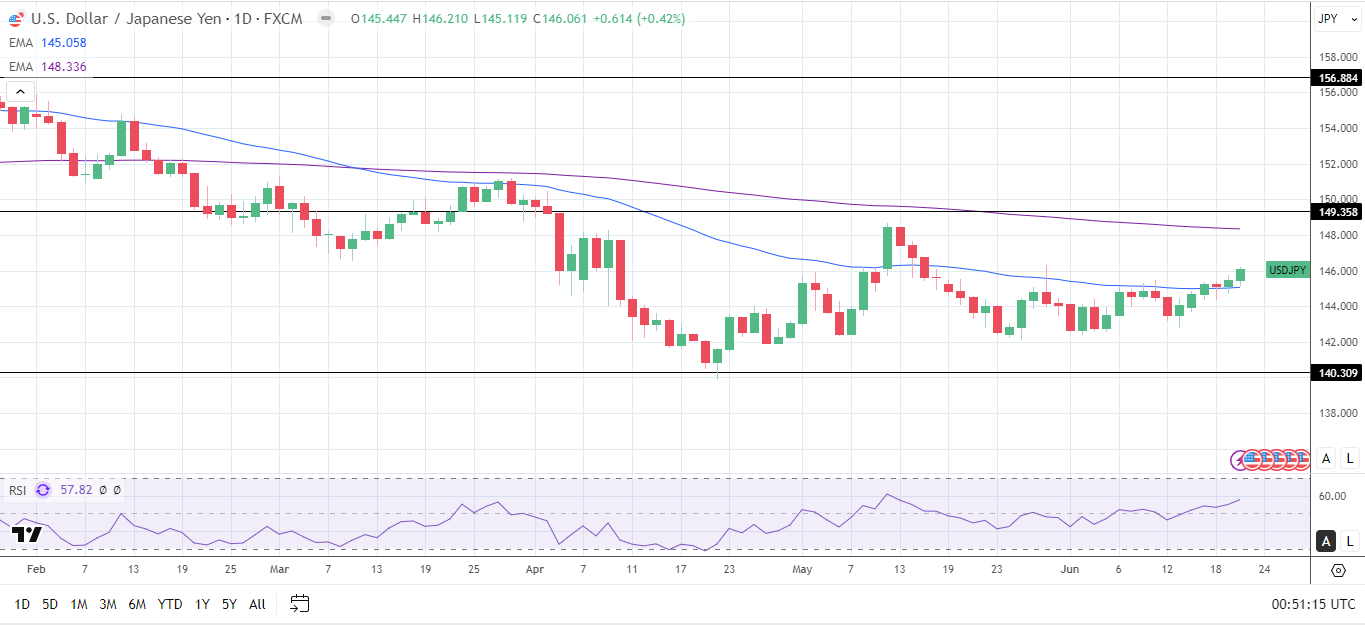
The USD/JPY pair rallied 1.38% to close the week at 146.061. USD/JPY dropped to a low of 143.647 before reclaiming the 146 handle.
Outlook: Geopolitics, Trade Developments, and Economic Data in Focus
The Middle East conflict will continue to drive USD/JPY trends in the week ahead. Iran’s response to the US strikes on its nuclear sites could be pivotal for global markets. However, trade developments and economic data may influence central bank signals and USD/JPY movements.
Private Sector PMIs to Spotlight the BoJ
On Monday, June 23, Japan’s private sector PMIs will put the Bank of Japan in focus. Given the services sector accounts for around 70% of Japan’s GDP, the services PMI data may have a greater impact on BoJ rate hike bets. Economists forecast the Jibun Bank Services PMI to rise from 51 in May to 51.5 in June.
While a pickup in service sector activity may lift expectations of an H2 2025 BoJ rate hike, input and output price trends could be crucial. A higher headline PMI print and rising prices could support a more hawkish BoJ stance. However, softer data may sink hopes for more rate hikes in 2025.
Geopolitics and Bank of Japan Summary of Opinions
On Wednesday, June 25, the BoJ’s Summary of Opinions will give more insights into the Bank’s views on inflation, the economy, and monetary policy.
USD/JPY Price Forecast
Every new USD/JPY analysis as it publishes, today's technical signal and key levels, live price — on one page.
See all USD/JPY forecastsCalls to delay rate hikes as US tariffs and the Middle East conflict drive economic and price uncertainty could pressure Yen demand. On the other hand, growing support for rate hikes as inflationary pressures build may lift Yen appetite.
Japan Retail Sales and Inflation to Trigger BoJ Policy Chatter
On Friday, June 27, key economic indicators from Japan will give investors greater guidance on Japan’s economic outlook and the BoJ’s possible rate path.
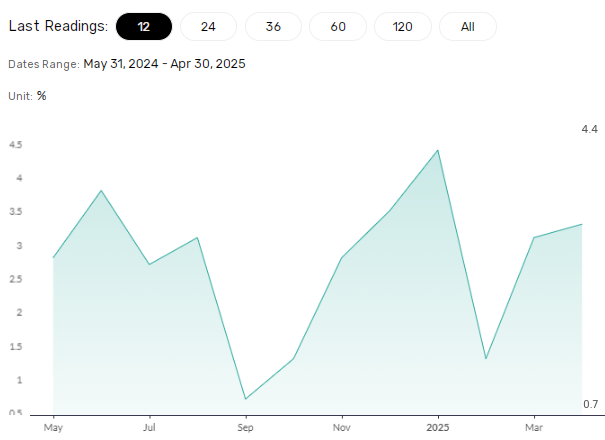
Economists forecast retail sales to rise 2.6% year-on-year (YoY) in May, down from 3.3% in April. Weaker retail sales may dampen demand-driven inflation, supporting a less hawkish BoJ stance.
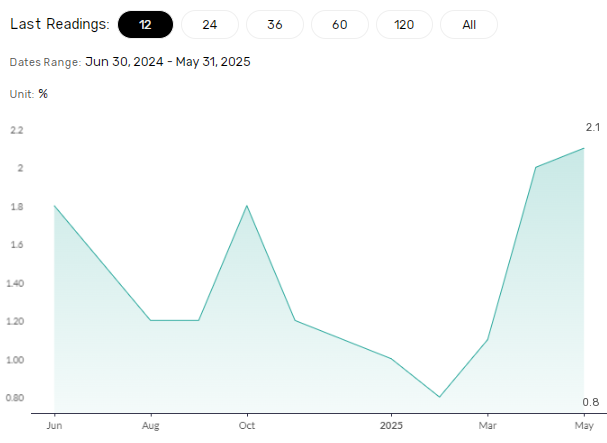
Meanwhile, economists expect Tokyo CPI Ex Food and Energy to rise 1.9% YoY in June, down from 2.1% in May. A drop below the BoJ’s 2% target and softer retail sales trends may temper 2025 BoJ rate hike bets further. Conversely, a higher print could revive expectations of a near-term BoJ policy move.
This week’s economic indicators are key after BoJ Governor Kazuo Ueda left rate hikes on the table during last week’s press conference. Governor Ueda stated the Bank would continue hiking rates if economic momentum keeps inflation on a sustainable move to the 2% target.
USD/JPY Outlook: High Volatility Driven by Geopolitics and Economic Indicators
- Bullish Yen Scenario: Upbeat Japanese data, hawkish BoJ rhetoric, or an Iran response to US attacks could send USD/JPY toward 140.
- Yen Carry Trade Unwind Risks: A USD/JPY drop below the September 2024 low of 139.576 could accelerate the Yen Carry Trade Unwind.
- Bearish Yen Scenario: Weaker Japanese economic indicators, dovish BoJ cues, or de-escalation in the Middle East conflict may send the pair toward 150.
US Services PMIs, Consumer Sentiment, GDP, and Inflation to Drive Dollar Demand
In the US, consumer sentiment, GDP, and the crucial US Personal Income and Outlays Report will drive US dollar appetite and USD/JPY trends.
Key events include:
- S&P Global Services PMI (June 23): drop from 53.7 in May to 52.9 in June.
- CB Consumer Confidence Index (June 14): to rise from 98 in May to 99.1 in June.
- US Q1 GDP (June 26): contract by 02% quarter-on-quarter in Q1 after expanding 2.4% in Q4.
- Core PCE Price Index (June 27): to increase 2.6% year-on-year in June, up from 2.5% in May.
Weaker-than-expected Services PMI, consumer sentiment, and softer inflation may boost bets on a Q3 Fed rate cut, impacting US dollar demand. Conversely, better-than-expected numbers may sink expectations of a near-term Fed move. We expect the Core PCE Price Index data to be key.
While the data will influence sentiment, trade developments, and the Middle East conflict will remain key drivers.
Potential Price Scenarios:
- Bullish US Dollar Scenario: Upbeat US data, hawkish Fed signals, and easing geopolitical tensions may drive USD/JPY toward 150.
- Bearish US Dollar Scenario: Rising US recession fears, dovish Fed guidance, and escalating geopolitical tensions could push USD/JPY toward 140.
Short-term Forecast:
USD/JPY’s near-term outlook hinges on developments in the Middle East, trade headlines, economic data, and central bank chatter. That said, trade developments and geopolitical risks will likely carry the greatest market weight in the near term.
USD/JPY Price Action
Daily Chart
On the daily chart, the USD/JPY trades above the 50-day Exponential Moving Average (EMA) while remaining below the 200-day EMA. The EMAs send bullish near-term price signals while maintaining a bearish longer-term technical outlook.
A break above the 50-day EMA could signal a move toward the 200-day EMA. A sustained move through the 200-day EMA may open the door to retesting the 149.358 resistance level.
On the downside, a break below the 50-day EMA could expose the 142.5 level. If selling pressure intensifies, the pair could test support at the crucial 140 psychological level and the September 2024 low of 139.576.
The 14-day Relative Strength Index (RSI) sits at 57.82, suggesting USD/JPY has room to climb to 150 before entering overbought territory (RSI > 70).
Key Takeaway
The USD/JPY could face intense volatility in the week ahead. The Middle East conflict, trade developments, central bank policy signals, and macroeconomic data will influence sentiment. Staying updated on real-time developments will be pivotal to navigating the week ahead.
For a deeper dive, explore our technical analysis here and consult our economic calendar.