
The Battle of Forecasts: OPEC vs. IEA
OPEC and IEA have released contrasting views on global oil demand growth, highlighting the uncertainty in the market and potentially swaying future oil prices. OPEC forecasts 2024 demand growth at 2.11 million barrels per day (bpd), down from their previous estimate of 2.25 million bpd. They’ve also adjusted their 2025 projection to 1.78 million bpd from 1.85 million bpd.
These revisions stem mainly from softer expectations for China, though OPEC’s outlook remains relatively optimistic, with growth projections above the historical average. In contrast, the IEA maintains its 2024 global oil demand growth forecast at 970,000 bpd while slightly lowering its 2025 estimate. The IEA points to the end of China’s post-COVID economic rebound as a limiting factor but emphasizes strong demand in advanced economies, particularly the United States.

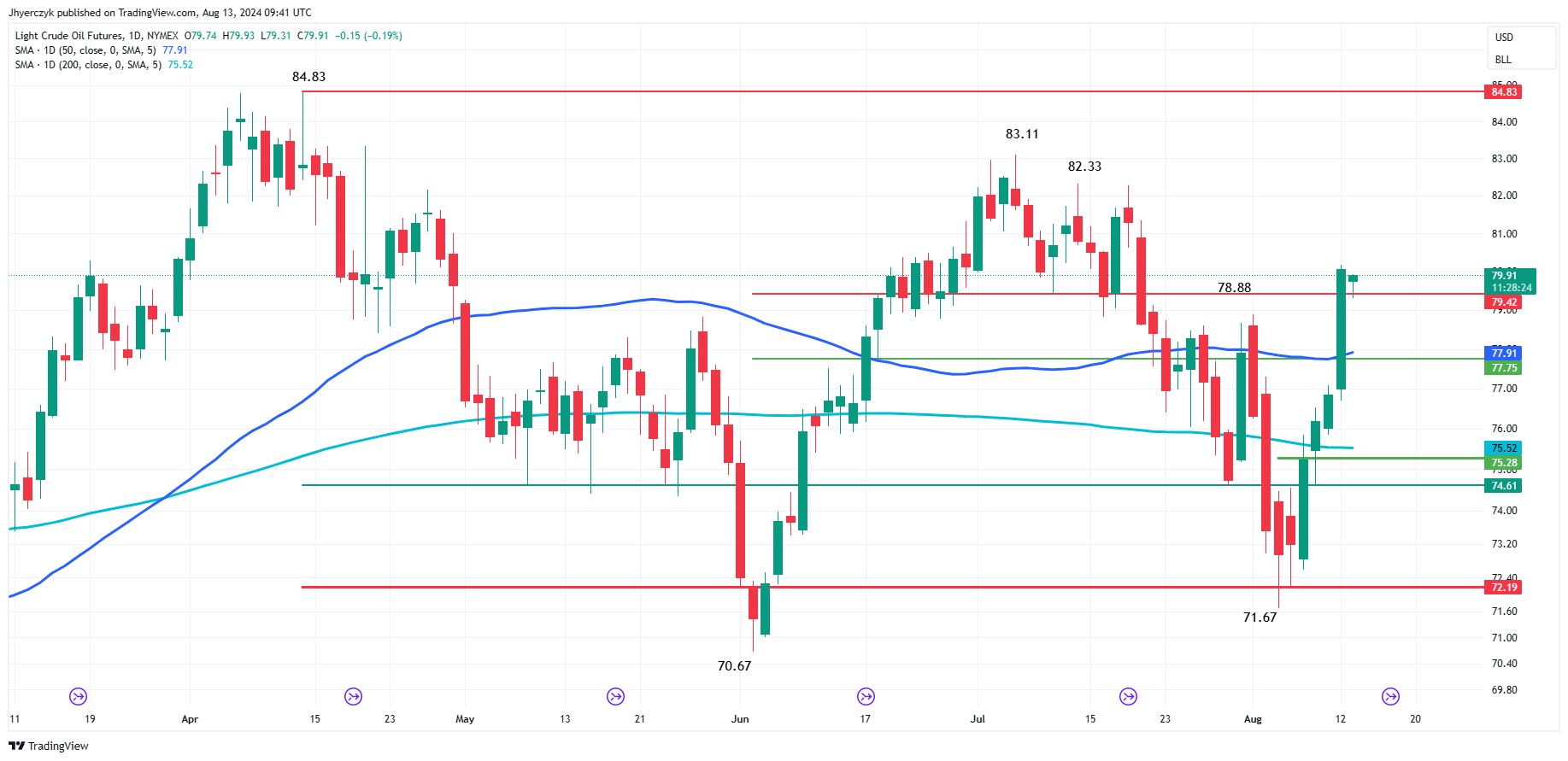
David vs. Goliath: The Demand Growth Gap
The stark difference between these outlooks is eye-opening, with OPEC projecting more than double the demand growth compared to the IEA for 2024. This significant gap reflects varying assumptions about global economic recovery, especially in China, and differing views on the pace of the transition to cleaner energy sources.
Such a wide disparity in forecasts from two major industry bodies could lead to increased market uncertainty and potentially higher price volatility in the long term.
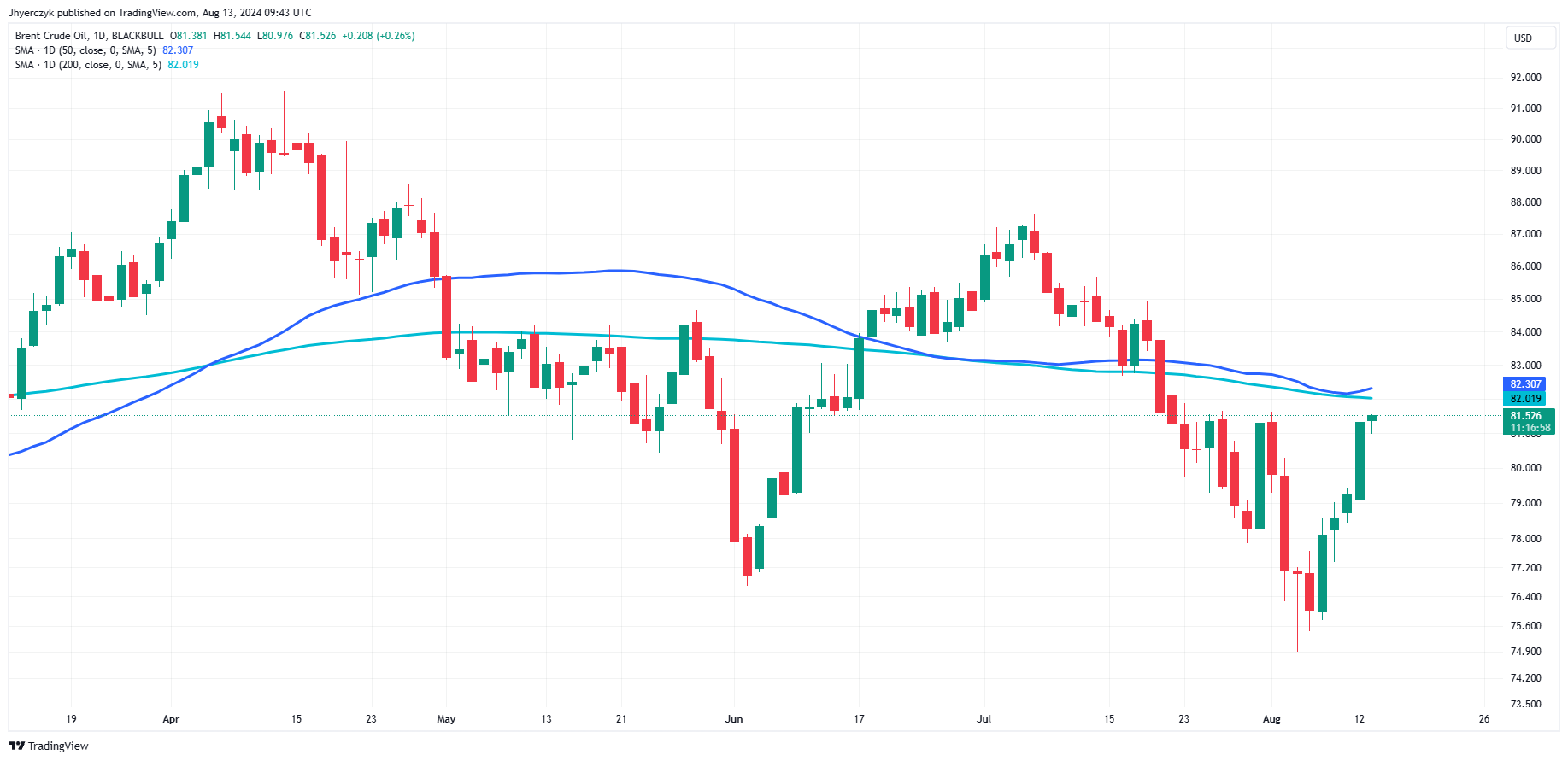
Short-Term Fireworks: Geopolitics Takes Center Stage
In the immediate future, the divergent outlooks may have a limited impact on oil prices due to pressing geopolitical concerns. Rising tensions between Iran and Israel, coupled with the U.S. bolstering its military presence in the Middle East, are likely to be the primary drivers of short-term price movements.
Traders are currently focused on potential supply disruptions or conflicts that could rapidly tighten the market, overshadowing demand projections for now.
Brent Oil Price Forecast
Every new Brent Oil analysis as it publishes, today's technical signal and key levels, live price — on one page.
See all Brent Oil forecastsLong-Term Chess: The Strategic Implications
Looking ahead, these contrasting demand outlooks could have more significant long-term implications for oil prices. OPEC’s more optimistic outlook might encourage the group to increase production, potentially putting downward pressure on prices. However, if the IEA’s lower forecast proves more accurate, this could lead to oversupply and price declines.
The differing projections may also influence oil companies’ investment strategies, with lower demand forecasts potentially discouraging investment in new production. This could lead to supply constraints and higher prices in the future.
Policy Makers and Energy Transition: The Wild Cards
Governments and regulatory bodies might use these forecasts to shape energy policies, affecting long-term supply and demand patterns. The difference in outlooks may also reflect varying assessments of how quickly the global energy transition is occurring, which could have lasting effects on oil demand and prices.
While immediate attention is on Middle East tensions, these conflicting demand projections will likely play a crucial role in shaping long-term oil prices, influencing everything from production decisions to investment strategies and policy formulation.