


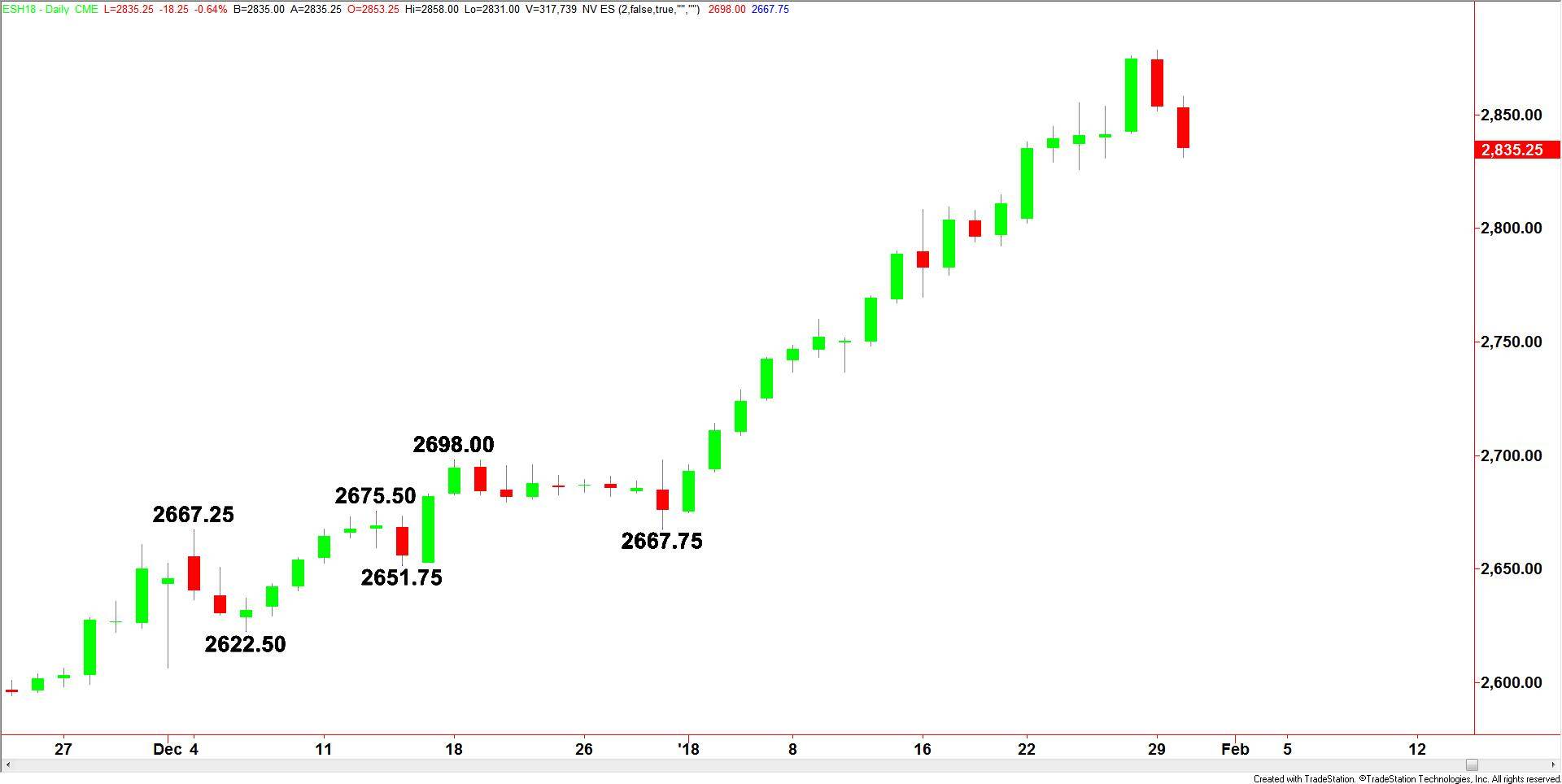
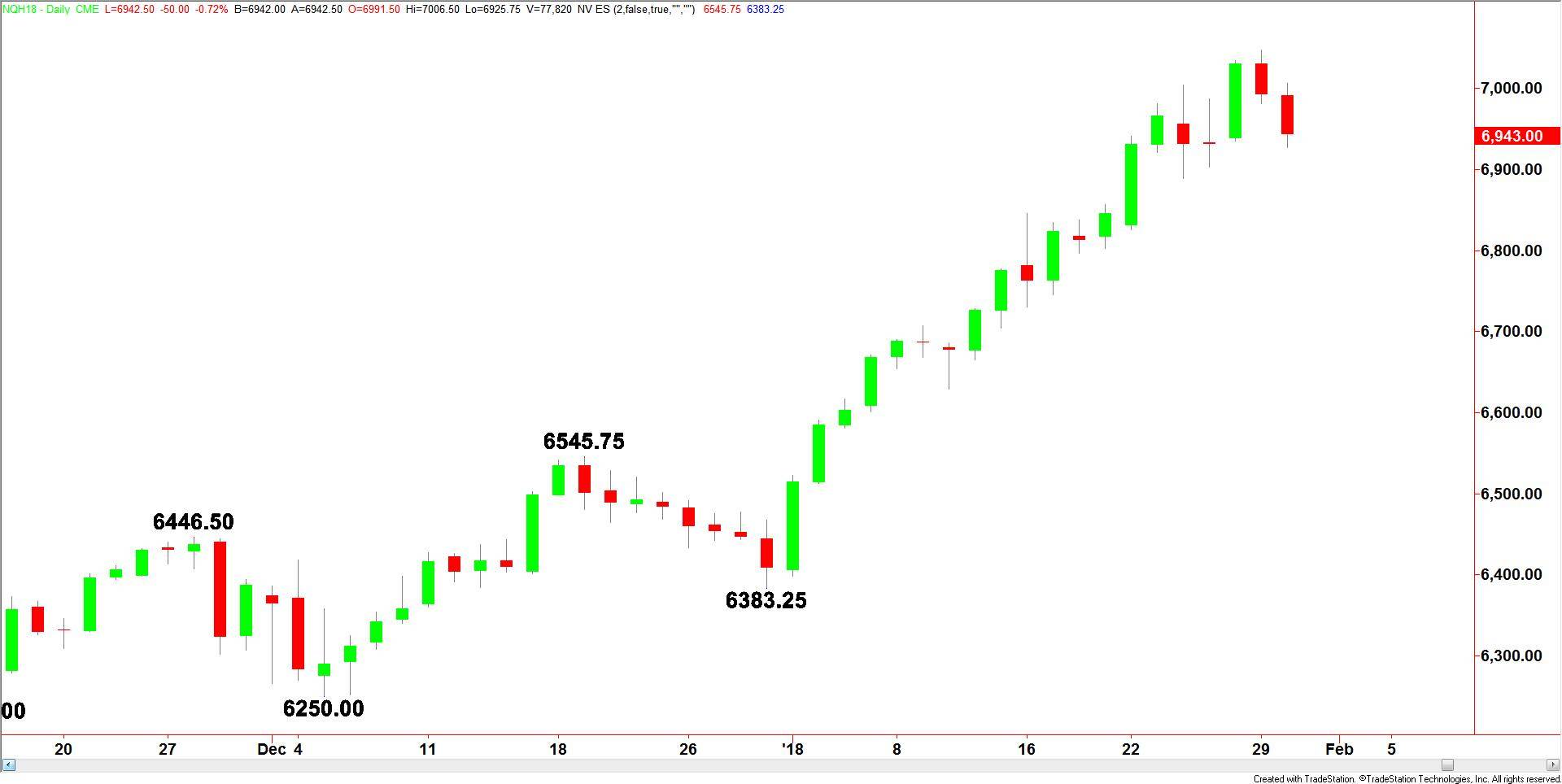
The major U.S. equity indexes opened sharply lower on Tuesday in reaction to aggressive end of the month selling.
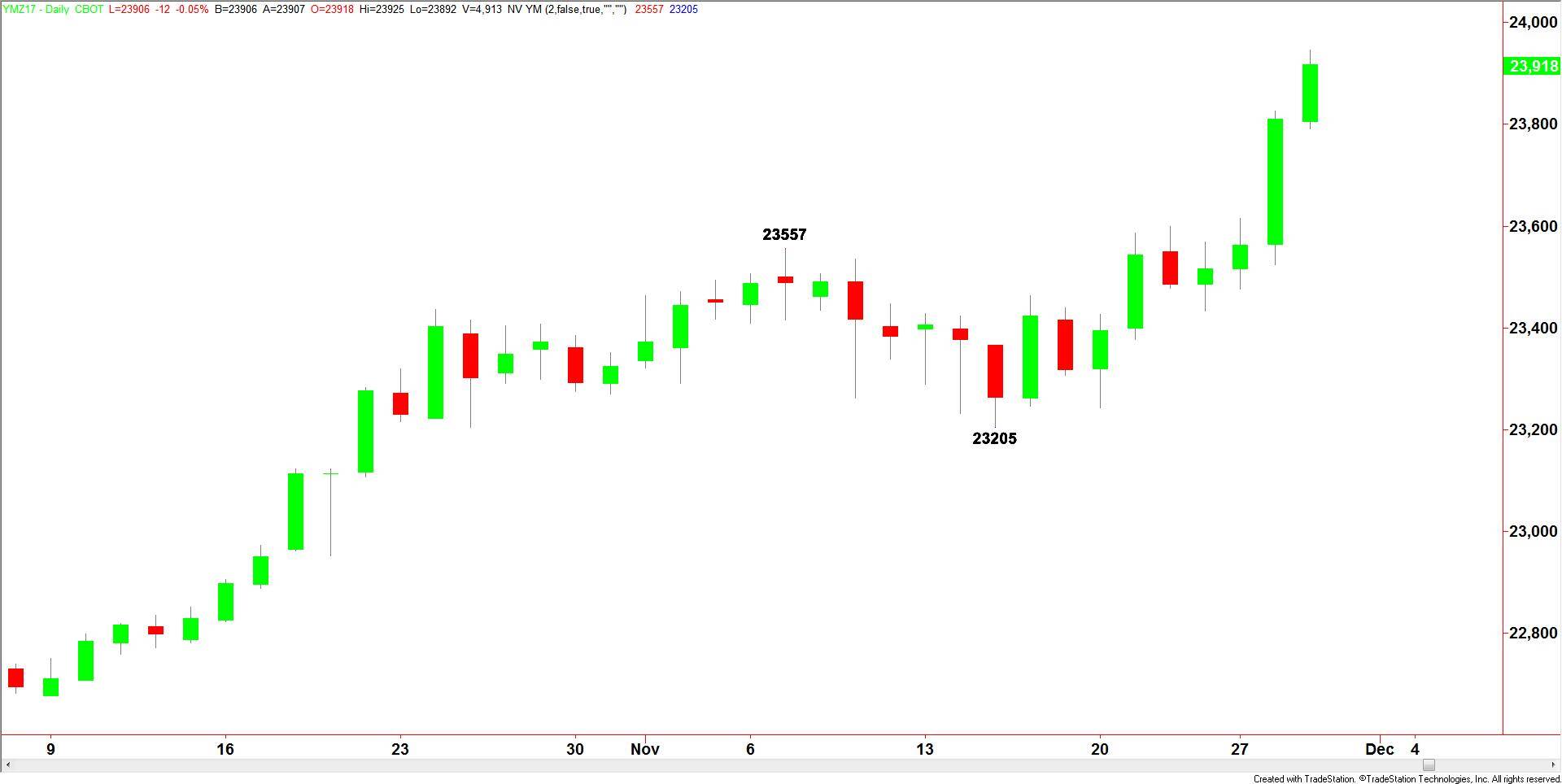
All three indexes fell for a second day with the benchmark S&P 500 Index dropping about 0.7 percent. The blue chip Dow Jones Industrial Average dropped 250 points on the open and the tech-based NASDAQ Composite declined about 0.9 percent.
The healthcare sector led by a decline in UnitedHealth is contributing the most to the weakness. Shares of the company plunged 3.8 percent after Amazon, J.P. Morgan Chase and Berkshire Hathaway announced plans to partner on ways to cut health-care costs. Express Scripts’ stock was the biggest drag on the S&P 500 Index, falling 8.7 percent.
Traders also said the sellers are being influenced by the threat of rising global interest rates. Earlier today, long-dated Treasury yields climbed further, with the 10-year Treasury yield trading near levels not seen since 2014, amid fears of higher inflation.
Higher inflation could also lead central banks to tighten monetary policy faster than the market expects. Some investors are saying the Fed could fuel a correction in the stock market if it tightens monetary policy faster than previously forecast.
The Fed began its latest two-day monetary policy meeting on Tuesday. Traders don’t expect the Fed to raise rates at this meeting, but in its monetary policy statement it could make note of rapidly rising inflation and hint that it expects to stick with its preliminary forecast of at least three rate hikes.
In other news, the S&P/CS Composite-20 HPI rose 6.4%, up from 6.3%. Later today at 1500 GMT, the Conference Board will release its latest report on consumer confidence. The report is expected to come in at 123.2, up slightly from the previously reported 122.1.
Later tonight at 9:00 PM EST (0200 GMT), President Donald Trump will deliver his State of the Union address. Trump is expected to discuss immigration and infrastructure spending.
The market is being driven by aggressive profit-taking and increasing downside momentum. It should continue to move lower until the major indexes reach value zones. Because of the lofty price levels, the size of the price swings could be relatively large so don’t get spooked by the points, the percentage moves are the same, the prices are just higher. In other words, a 500 point drop in the Dow at 26,000 is not the same as a 500 point drop with the Dow at 20,000 or lower.