



S&P 500 Edges Lower as AI Stocks Weigh on Sentiment
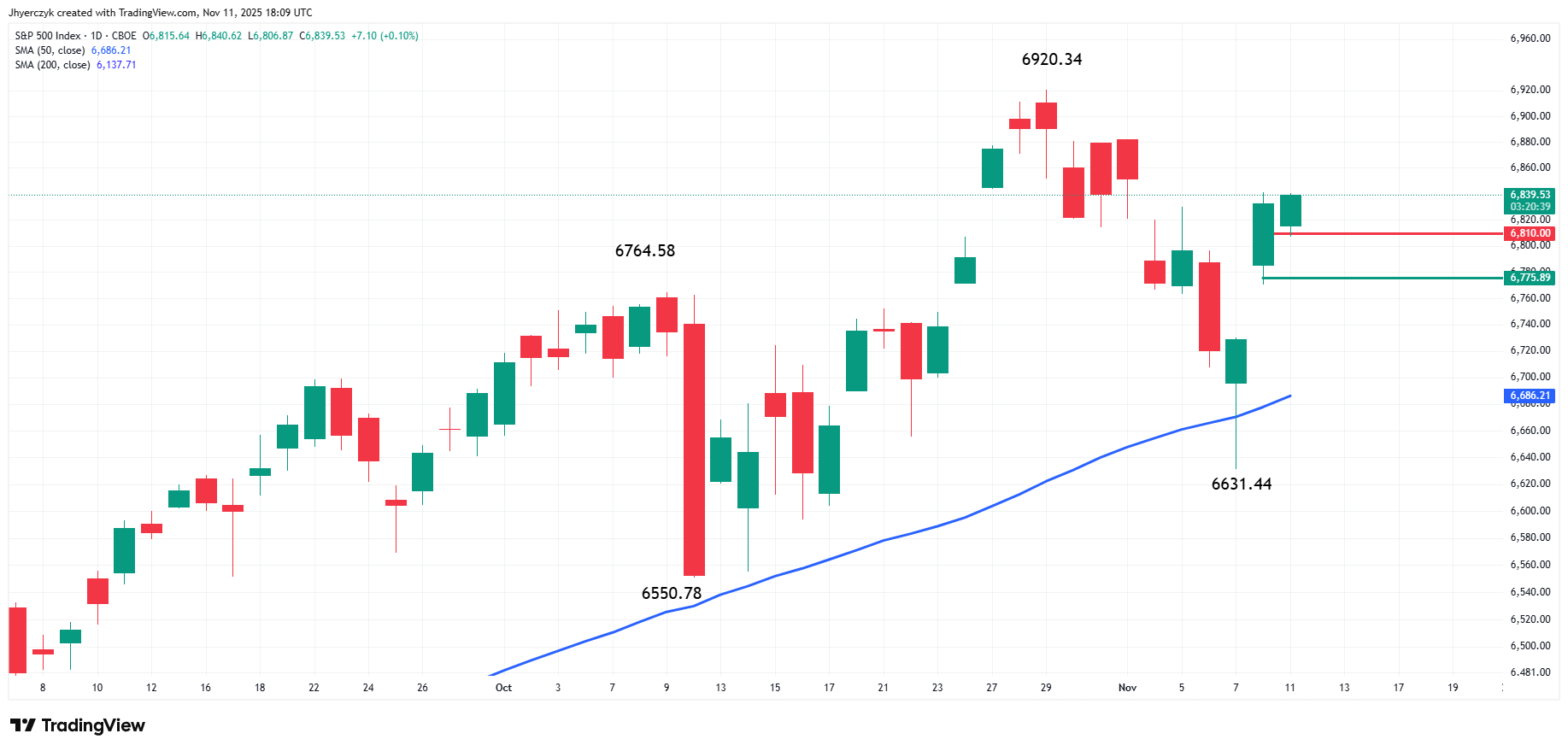
U.S. stock indexes were mixed shortly after the mid-session on Tuesday as weakness in artificial intelligence stocks pressured the Nasdaq and S&P 500, while the Dow outperformed on strength in healthcare and energy sectors. Concerns over stretched valuations in AI-related names returned to the forefront, overshadowing optimism around a potential government reopening.
Are AI Stocks Losing Momentum After a Strong Run?
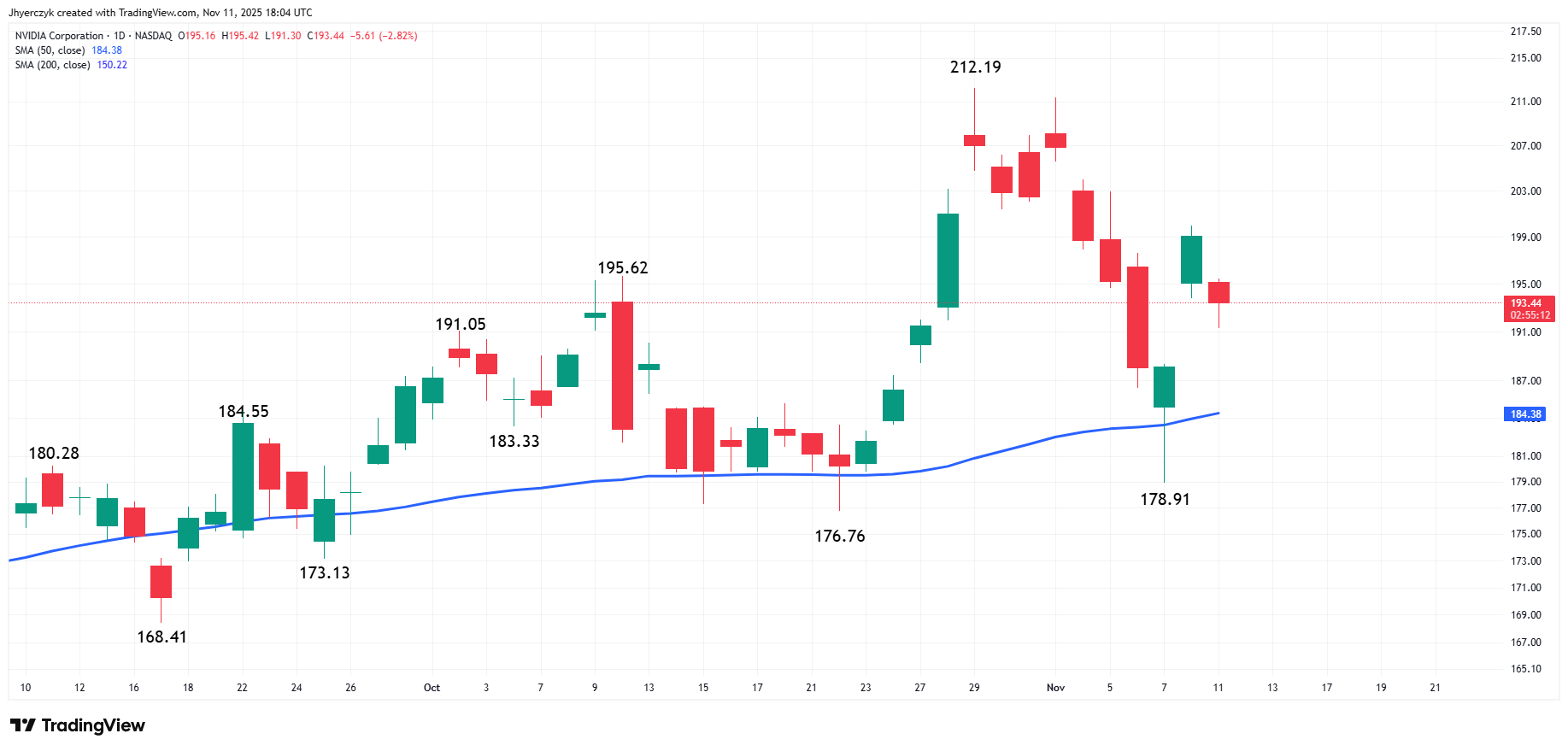
Nvidia shares dropped 3.7% after SoftBank disclosed a $5.83 billion sale of its holdings in the chipmaker. The move triggered a broader pullback in AI-related names, with CoreWeave plunging 12.7% following a revenue forecast cut tied to data center issues. Core Scientific fell another 7%, adding to the sector’s pressure.
Despite leading gains earlier this year, investors appear to be rethinking the pace of AI-related growth and profitability. Traders cited a mix of consolidation and valuation fatigue as the primary drivers behind the pullback.
Which Sectors Are Cushioning the Decline?
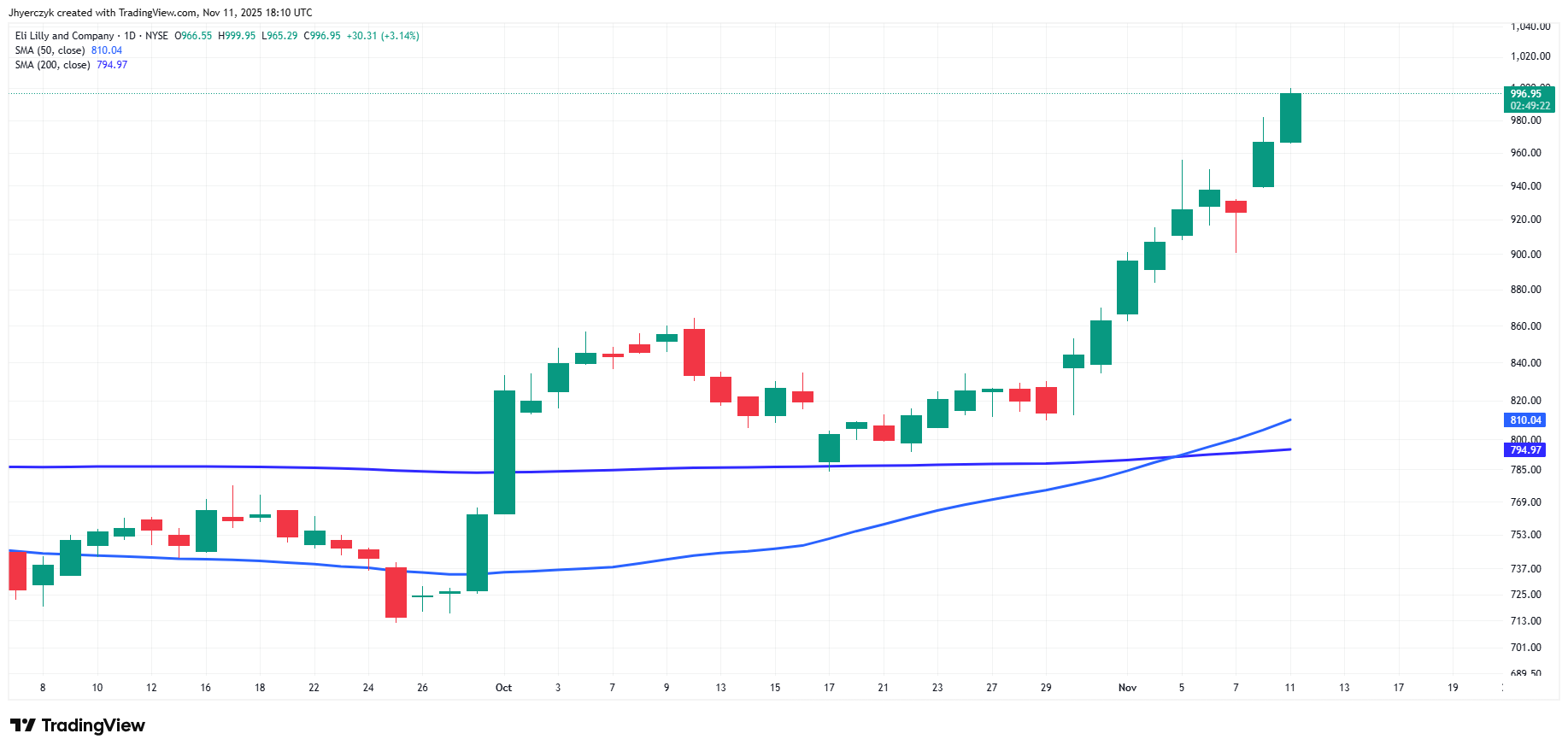
The S&P 500’s losses were cushioned by strength in healthcare and energy. Health stocks rose 1.6% as Eli Lilly, Merck, and Amgen each gained between 2.1% and 3.6%. Occidental Petroleum jumped 2.8% after beating third-quarter earnings estimates, helping lift the S&P energy index by 1.6%.
The Dow was supported by gains in Amgen and Goldman Sachs, helping it rise 0.82% at the mid-session. In contrast, the tech sector was the biggest laggard on the S&P 500, down 0.03%, while semiconductor stocks slipped 2% as profit-taking continued.
Dow Jones Price Forecast
Every new Dow Jones analysis as it publishes, today's technical signal and key levels, live price — on one page.
See all Dow Jones forecastsWill a Government Reopening Shift the Market Tone?
Traders are watching closely as a Senate-approved bill aimed at ending the prolonged government shutdown moves through the House. Betting markets have fully priced in a resolution this week, and the end of the data blackout could restore some clarity to economic forecasts.
The shutdown has delayed key reports and weighed on overall sentiment, contributing to the market’s cautious tone. ADP’s latest employment snapshot showed private employers cut an average of 11,250 jobs per week over the last month, signaling a cooling labor market.
Short-Term Outlook: Watch for More AI Volatility
The short-term outlook for tech and AI stocks remains slightly bearish as investors continue to digest valuation concerns and mixed earnings. Broader indexes could see more stability if the government officially reopens and economic data resumes. Until then, traders may prefer rotating into defensive and earnings-driven sectors.
More Information in our Economic Calendar.


