


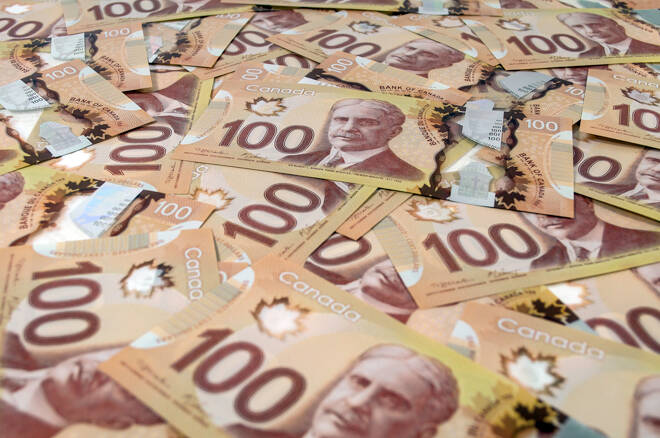
The Canadian dollar strengthened against its U.S. counterpart on Wednesday as crude oil prices bounced back ahead of the Organization of the Petroleum Exporting Countries (OPEC) meeting, where members will decide on whether to release additional oil into the market or restrict supply amid a growing threat of the new Omicron variant on energy demand.
“The loonie was a major victim of both the Friday risk sell-off and its exposure to oil prices and its overbought condition. Despite possibly having a more balanced positioning now, a hit to sentiment, oil prices and the potential pricing out of BoC rate expectations due to the Omicron variant spread, still signal sizeable downside risks for CAD,” noted Francesco Pesole, FX Strategist at ING.
Today, the USD/CAD pair fell to 1.2722 down from Tuesday’s close of 1.2776. The Canadian dollar hit its lowest level in over two months on Friday. After gaining about 2.3% in October, the Canadian dollar weakened over 3.1% last month.
Canada is the world’s fourth-largest exporter of oil, which edged higher ahead of major oil producers two days talks. Oil prices hit over three-month low on Tuesday after Moderna’s chief questioned the effectiveness of COVID-19 vaccines against the Omicron, which shook the markets and raised concerns about oil demand, Reuters reported.
At the time of writing, U.S. West Texas Intermediate (WTI) crude was trading 4.53% higher at $69.16 a barrel. Higher oil prices lead to higher U.S. dollar earnings for Canadian exporters, resulting in an increased value of the loonie.
“The 3 Commodity units (AUD, NZD and CAD) now appear vulnerable on 2 fronts – (1) as risk currencies trading in a risk-off environment created by the new Covid strain; and (2) the 3 units having one of the more aggressive central bank rate hike profiles discounted by markets. Against USD though, the 3 units could find better support (as USD is probably even more vulnerable to the removal of the more aggressive Fed rates pricing),” noted analysts at Citi.
On the other hand, the dollar index, which measures the value of the dollar against six foreign currencies, was trading nearly flat at 95.977. Last week, minutes of the U.S. Federal Reserve meeting confirmed market expectations that the Fed will raise rates sooner than other major central banks.
The greenback rose to 16-month highs against most other major currencies because of the hottest U.S. inflation reading in a generation that pushed investors to bet that interest rates are likely to rise sooner than previously thought.
US Dollar Index Price Forecast
Every new US Dollar Index analysis as it publishes, today's technical signal and key levels, live price — on one page.
See all US Dollar Index forecastsIt is highly likely that the world’s dominant reserve currency, the USD, will rise by end of the year, largely due to the expectation of at least one rate hike next year. With the dollar strengthening and a possibility that the Federal Reserve will raise interest rates earlier than expected, the USD/CAD pair may experience a rise.
“G7 FX volatility is on its highs for the year and it is not hard to see why. Over the last week news of the Omicron variant has inserted a new and, as yet, unsized risk premium into global asset markets. Yet yesterday, investors read a clean set of hawkish headlines from Fed Chair Powell, including remarks that it was time to retire inflation’s description as transitory and that it may be appropriate to conclude tapering a few months earlier,” ING’s Pesole added.
“The US yield curve took its cue from this combination of events, with the 2-10 year Treasury curve flattening a huge 14bp on the view that the Powell Fed would push ahead with tightening, irrespective of what Omicron meant for growth.”