It was a quiet morning for Asian markets. The lack of economic indicators left central banks in focus, with investors attempting to second-guess monetary policy moves by the RBA, the Fed, and the ECB.
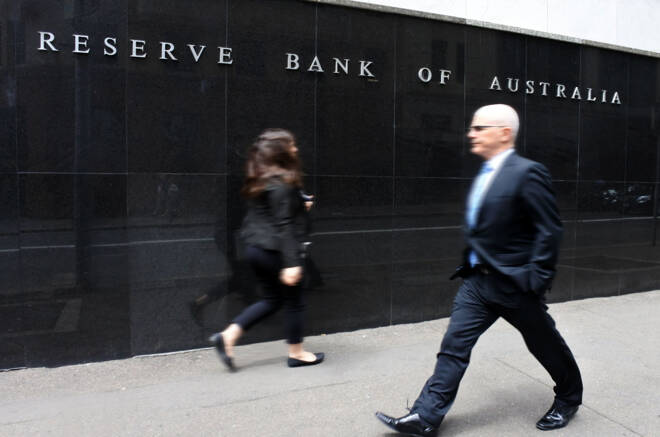
This morning, the RBA surprised the markets with a 25-basis point interest rate hike to 3.85%.
According to the RBA Rate Statement,
- While inflation has passed its peak, an annual rate of 7% remains too high.
- Despite softer inflation numbers for Q1, the Board deemed a further increase in interest rates necessary to bring inflation to target within a reasonable timeframe.
- Central forecasts have inflation at 4.5% in 2023 and 3% in mid-2025.
- While goods price inflation is slowing, services price inflation is still very high, with upside risks in play.
- Unit labor costs are also rising at a marked pace while productivity growth remains lackluster.
- A very tight labor market was another consideration, with wage growth pushing inflation higher.
- Some further tightening of monetary policy could be required to ensure inflation returns to target in a reasonable timeframe.
- The Board will monitor the global economy, household spending patterns, and the outlook for inflation and the labor market.
- Notably, the Board will do what is necessary to return inflation to target.
RBA Governor Philip Lowe warned that the April pause on hiking rates did not mean an end to the monetary policy tightening cycle.
AUD/USD Reaction to the RBA Rate Hike
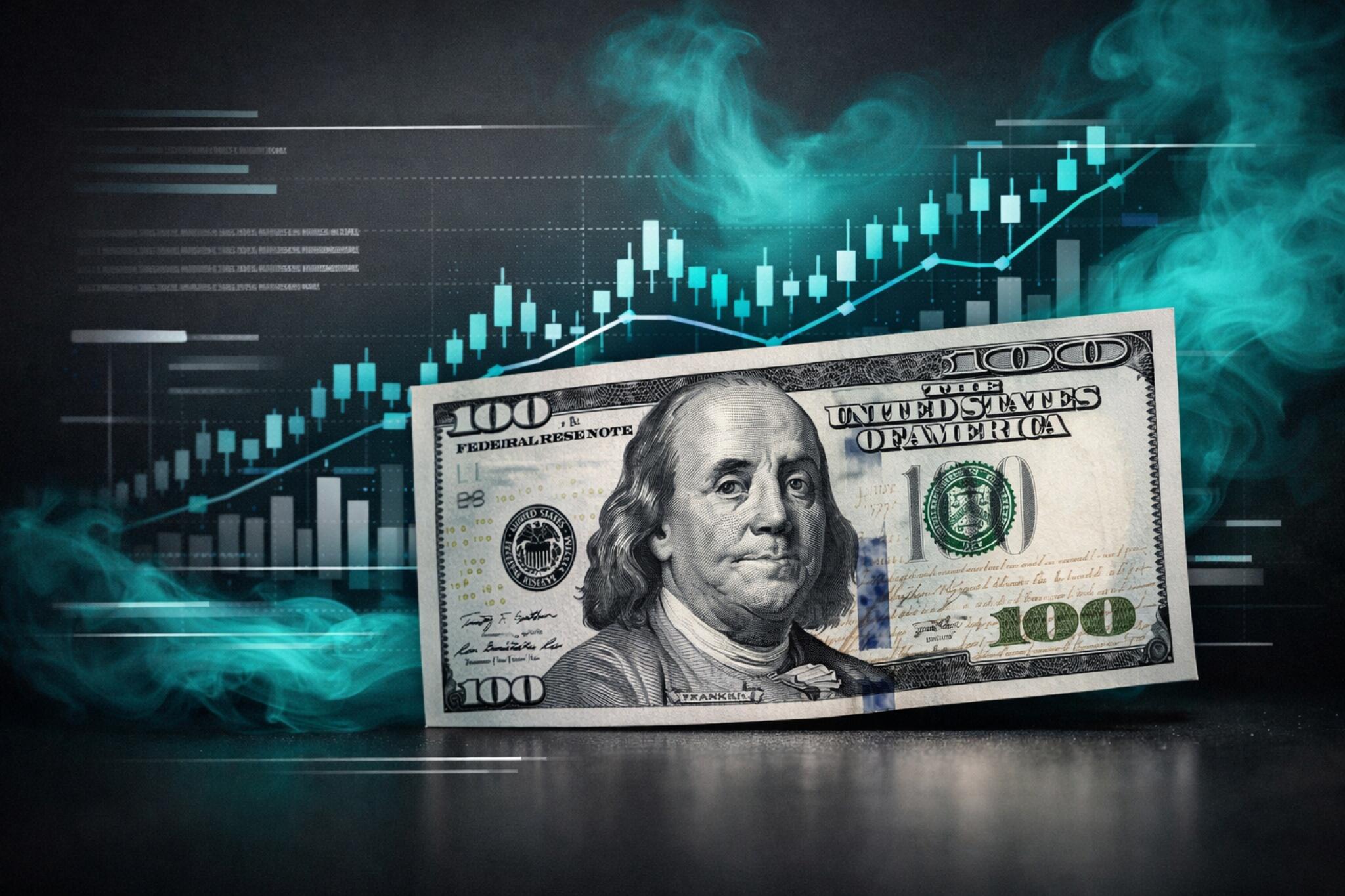
Before the RBA monetary policy decision, the AUD/USD fell to a low of $0.66205 before rising to a pre-RBA high of $0.66415.
However, in response to the surprise rate hike, the AUD/USD jumped from $0.66259 to a high of $0.66944.
This morning, the AUD/USD was up 0.88% to $0.66887.
US Dollar Index Price Forecast
Every new US Dollar Index analysis as it publishes, today's technical signal and key levels, live price — on one page.
See all US Dollar Index forecasts
Next Up
Looking ahead to the US session, it is a busy day on the US economic calendar. The US JOLTs Job Openings and factory Orders will be in focus. We expect increased sensitivity to labor market stats ahead of the Fed interest rate decision.
Economists forecast job openings to fall from 9.913 million to 9.683 million. While the headline figure will influence, quit rates also need consideration. A sharp decline in the quit rate would signal deteriorating labor market conditions.
Away from the economic calendar, US corporate earnings and updates on First Republic Bank (FRC) will also influence market risk sentiment. Big names on the US earnings calendar include Pfizer Inc. (PFE), Starbucks Corp. (SBUX), and Ford Motor Co (F).