


February CPI Moderates, Stagflation Concerns Loom
The U.S. Consumer Price Index (CPI) rose moderately in February, reinforcing expectations that inflationary pressures are easing, though concerns around stagflation continue to worry traders. The CPI increased by just 0.2% month-over-month, below analysts’ forecasts of a 0.3% rise, and significantly slower than January’s 0.5% gain. On an annual basis, headline inflation dipped to 2.8%, slightly better than expectations of 2.9%, and down from January’s 3.0%.
Core Inflation Shows Signs of Easing
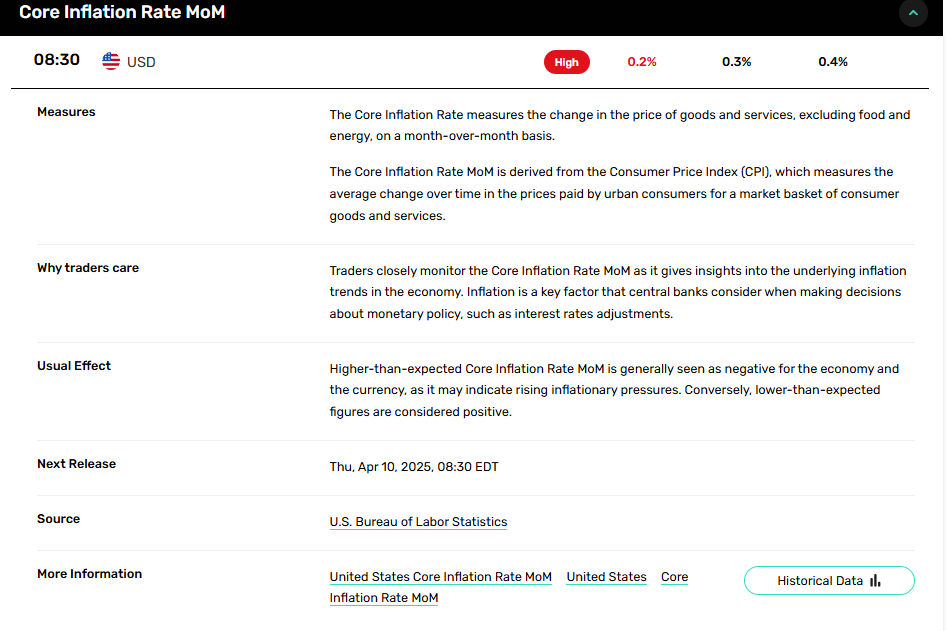
Core CPI, excluding volatile food and energy prices, also increased by a modest 0.2% monthly, under analysts’ predictions of 0.3%. Year-over-year, core inflation eased to 3.1% from January’s 3.3%. The shelter index rose 0.3%, contributing significantly to core inflation but marking one of the smallest annual increases in three years at 4.2%. Notably, airline fares dropped by 4.0%, helping temper overall price pressures.
Tariffs and Policy Uncertainty Drive Concerns
Despite these moderating figures, persistent tariffs, notably February’s 10% increase on Chinese imports, continue to pressure inflation expectations. Bank of America economists highlighted the risk that prolonged elevated inflation, even driven by temporary factors like tariffs, could unanchor future expectations. Federal Reserve Chair Jerome Powell echoed these concerns, cautioning that the path to stabilizing inflation remains challenging.
Mixed Energy and Food Prices Impact CPI
Energy prices rose marginally by 0.2% monthly, led by higher natural gas and electricity costs despite gasoline prices declining by 1.0%. Food prices also edged up 0.2%, driven primarily by a sharp 10.4% spike in egg prices and a 1.6% rise in meats and poultry.
Market Forecast and Fed Policy Implications
February’s CPI data supports the view that inflation is gradually easing, though it remains above the Fed’s 2% target, limiting prospects for near-term rate cuts. Continued elevated costs in shelter and select services mean the Fed will likely remain cautious. Traders should expect the Fed to maintain its restrictive stance, potentially extending the timeline for rate cuts until clearer signs of sustainable inflation moderation appear.