
US stock futures retreat on Thursday, January 8. Rising geopolitical tensions weighed on demand for risk assets as the news broke of the US seizing Venezuelan oil tankers, one under a Russian flag.
Market sentiment turned sour overnight, with markets reacting to President Trump announcing that the US has taken control of sanctioned Venezuelan crude oil. The declaration coincided with reports of the US seizing a Venezuelan tanker sailing under a Russian flag.
Meanwhile, US labor market data will take center stage amid fading bets on a March Fed rate cut. Despite the morning losses, the medium-term outlook remains bullish, with markets expecting multiple Fed rate cuts.
Below, I’ll outline the key market drivers, the medium-term outlook, and the key technical levels traders should watch.

Geopolitical Tensions Intensify as US Asserts Control Over Venezuelan Oil
President Trump announced that the US has taken control of sanctioned Venezuelan crude oil, testing US-China relations. Beijing responded to Trump’s declaration, calling the US actions:
“A violation of international law, infringing on Venezuela’s sovereignty and undermining the rights of the Venezuelan people.”
Kyle Chan, a fellow at the Brookings Institution, highlighted the significance of the US control of Venezuelan crude oil, stating:
“China is by far Venezuela’s largest oil customer (chart below). But Venezuela is a tiny fraction of China’s oil imports and doesn’t even make the top 10 for 2024, according to Chinese customs data (chart below).”
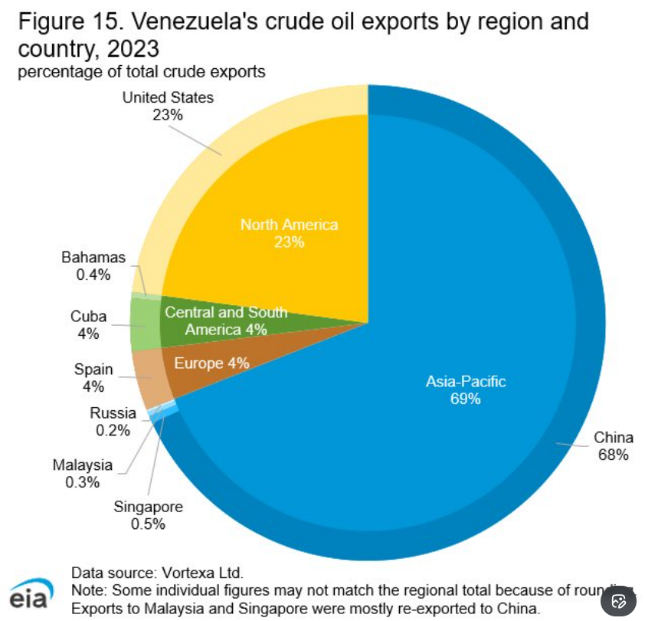
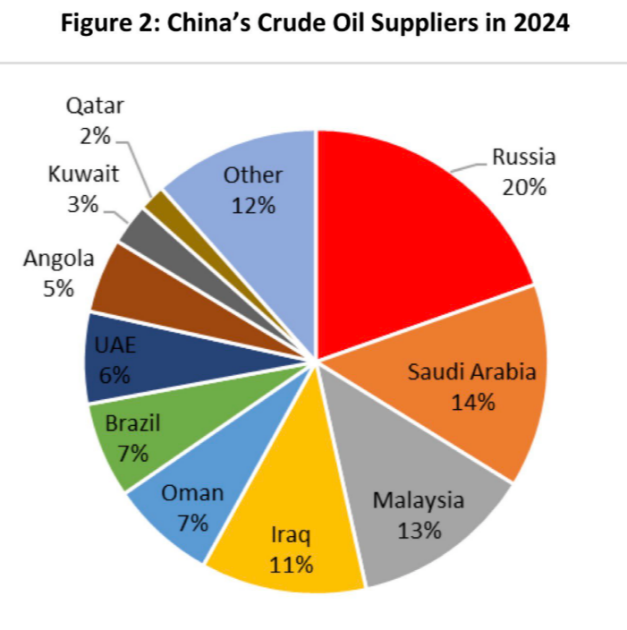
Crucially, while Venezuela may not account for a material proportion of China’s oil imports, the declaration coincided with reports of the US seizing a Russian-flagged oil tanker and a Panama-flagged tanker bound for China.
Dow Jones Price Forecast
Every new Dow Jones analysis as it publishes, today's technical signal and key levels, live price — on one page.
See all Dow Jones forecastsUS Jobs Report and Fed Rate Cut Bets
The increasing geopolitical tensions weighed on sentiment midweek, while uncertainty about the Fed rate path added to the negative mood.
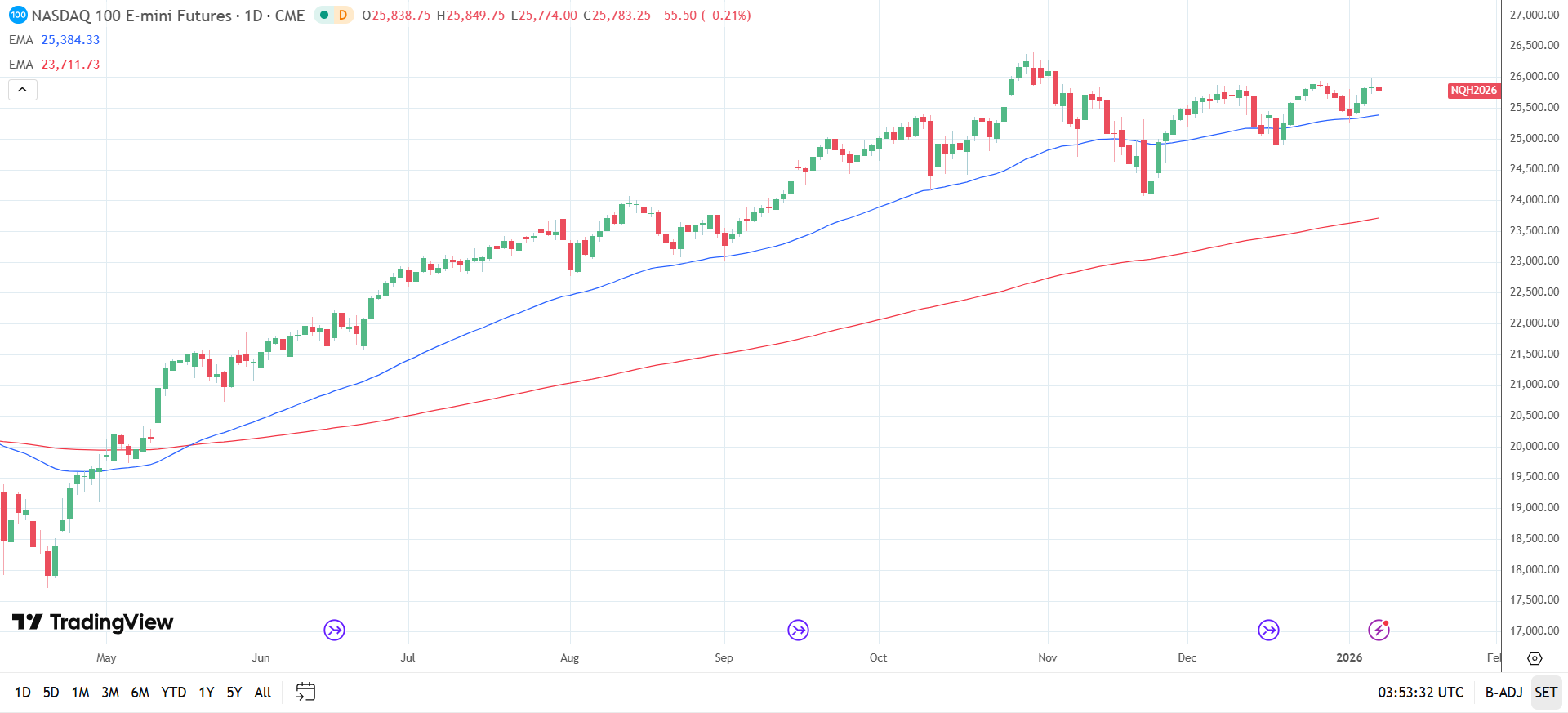
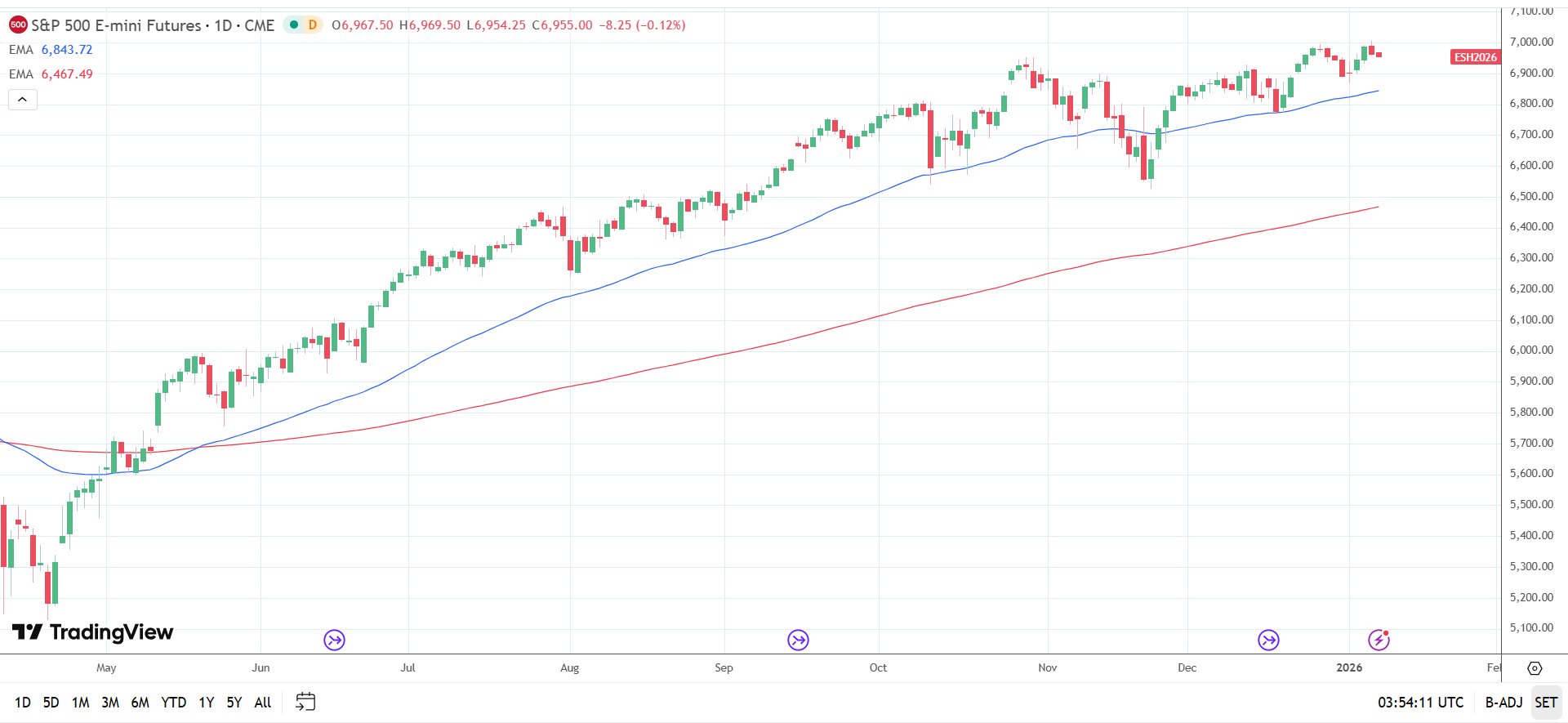
US futures posted losses during the Asian morning session on Thursday, January 8, extending their previous day’s losses. The Nasdaq 100 E-mini and the S&P 500 E-mini declined 56 points and 8 points, respectively, while the Dow Jones E-mini dropped 73 points.
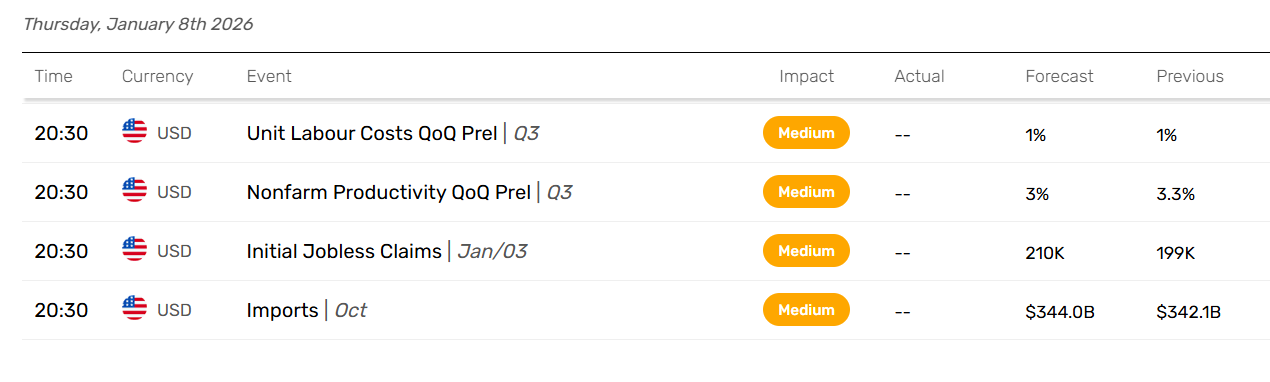
Later on Thursday, US labor market data will influence demand for risk assets ahead of tomorrow’s highly anticipated jobs report. While third-quarter unit labor costs and nonfarm productivity figures will influence risk appetite, jobless claims are likely to be crucial for US equity futures.
A sharply higher-than-expected reading would fuel speculation about a March Fed rate cut, lifting sentiment. Ahead of today’s data and tomorrow’s jobs report, US labor market and services sector PMI data cooled expectations of a March Fed rate cut, pushing US stock futures lower.
However, the jobless claims and Friday’s jobs report are likely to have a greater influence on the Fed rate path and risk assets than the previous data.
According to the CME FedWatch Tool, the chances of a March Fed rate cut fell from 48.5% on January 6 to 43.1% on January 7.
Key Technical Levels for Dow Jones, Nasdaq 100, and S&P 500
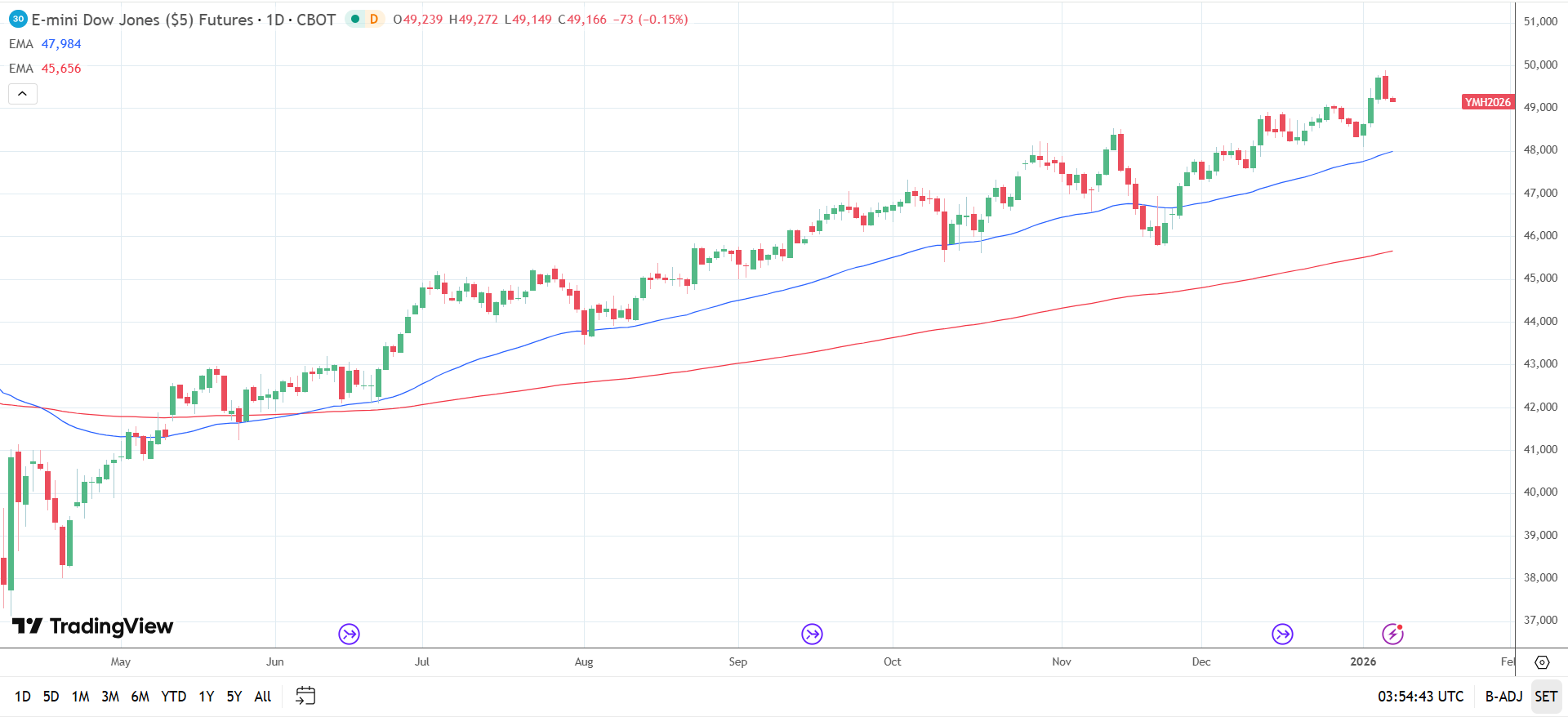
Despite the pullback, the Dow Jones E-mini, the Nasdaq 100 E-mini, and the S&P 500 E-mini remained above their 50-day and 200-day EMAs. The EMAs signaled a bullish short- to medium-term outlook, aligning with positive fundamentals.
Near-term trends hinge on geopolitical developments, US data, and Fed chatter. Key levels to monitor include:
Dow Jones
- Resistance: the January 7 record high of 49,876, and then 50,000.
- Support: 49,000 followed by the 50-day EMA (47,984).
Nasdaq 100
- Resistance: 26,000 followed by the October 30 record high of 26,399.
- Support: the 50-day EMA (25,384) and then 24,500.
S&P 500
- Resistance: the January 7 high of 7,007, followed by 7,500.
- Support: the 50-day EMA (6,844) and then 6,500.
Bullish Medium-Term Outlook: US Jobs Report and Geopolitics
In my opinion, the short-term price outlook is cautiously bullish amid lingering expectations of a March Fed rate cut and robust corporate earnings. These fundamentals align with positive technicals. Furthermore, rising chatter about the incoming Fed Chair accepting higher inflation and lower interest rates supports the constructive medium-term bias.
However, several scenarios would derail the bullish medium-term outlook, including:
- The Bank of Japan announces a hawkish neutral interest rate (1.5%-2.5%), indicating a narrower US-Japan rate differential. Narrower differentials may trigger a yen carry trade unwind.
- Upbeat US data and hawkish Fed rhetoric temper bets on a Fed rate cut.
- Geopolitical tensions intensify.
Conclusion: Bullish Outlook Intact
In summary, a robust US economy, a dovish Fed rate path, AI-linked earnings, and a more dovish BoJ policy stance support a cautiously positive short-term and a bullish medium-term outlook for US stock futures.
However, traders should continue monitoring 10-year JGB yields, USD/JPY levels, and the Nikkei 225. Threats of a yen intervention and hawkish BoJ policy chatter may trigger a yen carry trade unwind. Key levels to watch include a USD/JPY drop below 150 and 10-year JGB yields climbing to new highs. These levels would likely drag the Nikkei 225 lower, weighing on demand for US risk assets.
Despite the expectations of further BoJ hikes, US stock futures are likely to target new highs, with upcoming earnings and the Fed being the key market forces.
Follow our live coverage and consult the economic calendar for real-time market updates.