


US Tech Takes a Hit & Fed Rate Hike in View
It was not a great day for the tech space, as Alphabet fell on the back of disappointing sales. The Nasdaq 100 shed 1.4%, and the S&P 500 and Dow were each off about 0.3%, despite more than 400 S&P names still eking out gains. Despite this, I remain of the view that dips will likely continue to be bought.
On the data front, US GDP grew at an annualised rate of 3.4% in Q3 26 per the BEA’s first estimate, up from 2.2% in Q2 and just above the 3.2% consensus. Consumer spending and investment, much of which was AI-related equipment, drove the growth, though a jump in imports largely offset the investment boost.
Ultimately, resilient underlying demand and hotter inflation prints – September’s US headline and core PCE inflation data rose 3.6% and 3.1%, respectively – give the Fed little reason to consider easing at this juncture. Supporting a possible hike at December’s meeting, White House NEC Director Kevin Hassett also said that if October inflation comes in high, the Fed would likely raise the target rate. As of writing, markets are pricing in 17 bps of Fed tightening for December’s confab, with January fully priced (27 bps).
ECB Steady but the Direction Is Clear
The ECB policy decision offered little to grab hold of, keeping all three benchmark rates unchanged, which should not raise many eyebrows. While September eurozone headline inflation reached 3.8% (from 3.2% in August), and despite a jump in GDP, the limited knock-on effect on core price pressures, plus rising bond yields doing some of the work for the ECB, made a hold the clear base case.
Lagarde said there is no sign yet that higher energy costs are feeding into wages and broader prices, which is why the bank did not hike, but she said the direction of travel is clear, meaning the next move is very likely to be higher. Markets also see a December hike as very likely.
What caught me off guard, though, was President Christine Lagarde’s announcement that she will step down on 7 February, 9 months earlier than initially planned. The euro barely budged on the initial announcement. The question is who will take the top job; Spain’s De Cos and the Netherlands’ Knot are seen as the leading candidates to succeed her.
Asia-Pac Sees Chips Come Under Pressure
Overnight, Asia-Pac shares followed US stocks south, with tech leading the declines as capital rotated into defensives such as healthcare and real estate. The Alphabet rout, a disappointing Amazon sales outlook and Intel’s weak guidance have shifted the debate from whether AI demand lasts to whether the spending is sustainable, given rising borrowing costs.
That weighed on the regional chip and PC supply chain. Korea’s memory names slipped, with SK Hynix and Samsung each down more than 7%, despite Hynix posting a near sevenfold jump in operating profit that beat estimates.
An update from the BoJ also landed overnight, with the bank holding rates in an 8-1 vote as expected, but the details were hawkish, which saw the JPY bid against the USD. The statement said underlying inflation has reached the 2% target, which opens the door to a December hike. The bank also accelerated ETF sales to roughly ¥860bn a year, another step toward normalisation.
Oil Steady; Gold Slips
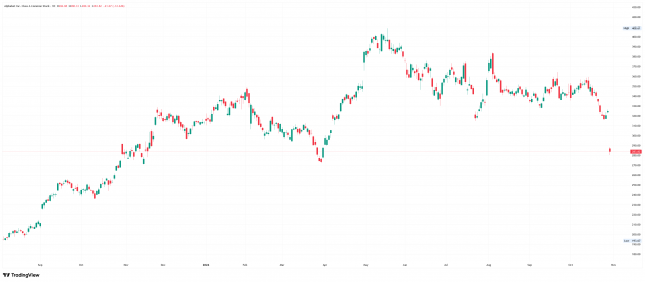
WTI was roughly flat at US$102.90/barrel at the close yesterday, as diplomatic efforts in the Middle East offset ongoing tensions. Gold, however, fell 1.1% on the day as rate-hike expectations sapped demand for non-yielding assets. A decent short signal also emerged after US$4,025 support broke, though the move took time to play out.
The Week Ahead
Next week welcomes the US Midterms, as well as a raft of US jobs data – including non-farm payrolls on Friday – and the RBA and BoE rate announcements.
Written by FP Markets Chief Market Analyst, Aaron Hill