
Sharp Declines Mask Deeper Market Forces
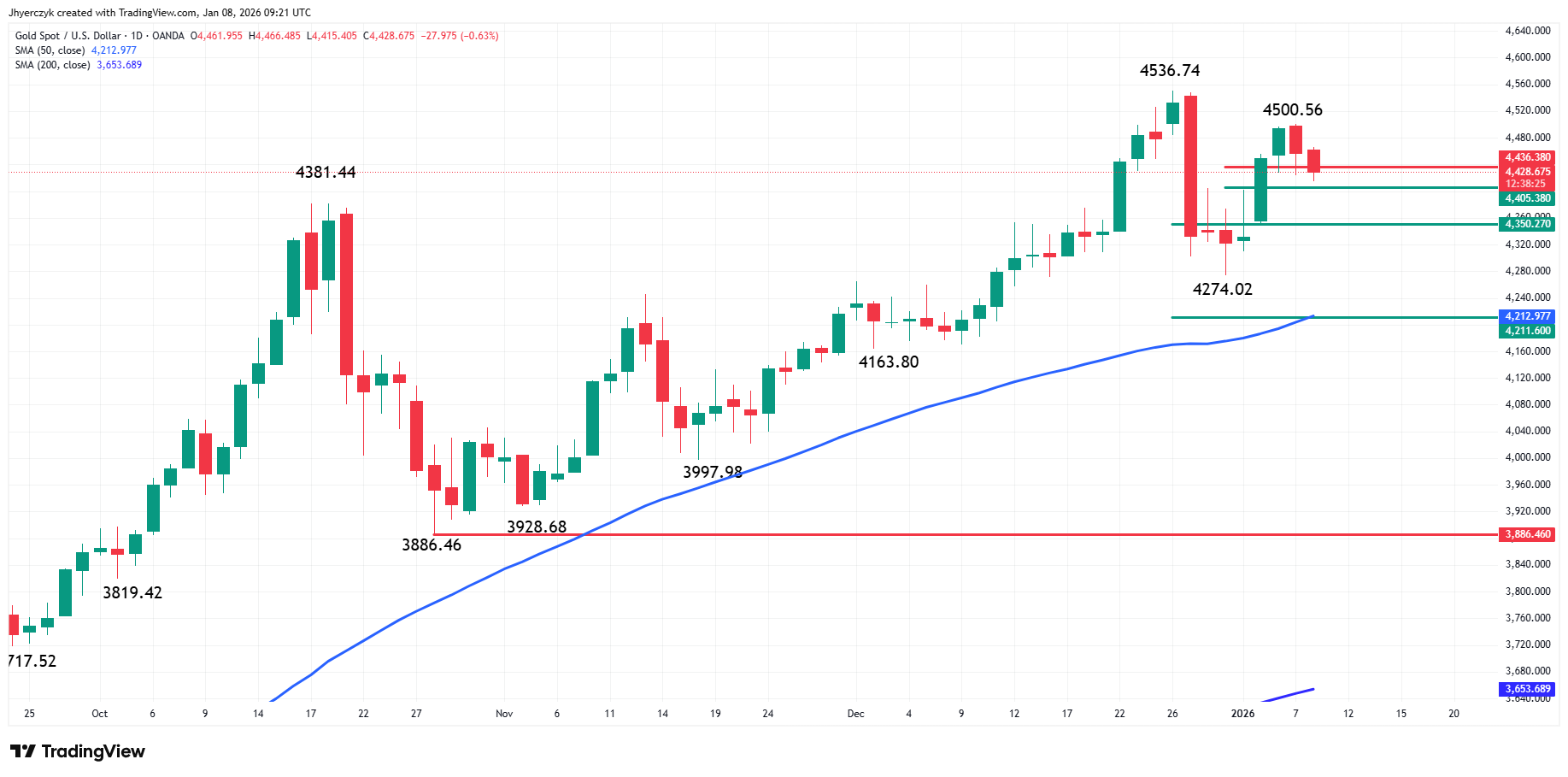
Spot Gold (XAUUSD) and Spot Silver (XAGUSD) are down sharply for a second session on Thursday. While some attribute the weakness to position-squaring ahead of Friday’s Non-Farm Payrolls report, I believe other forces are at work that could temporarily rattle bullish investors.
Index Rebalancing: The Hidden Culprit Behind the Sell-Off
The jobs report is just one piece of data among others like the monthly CPI numbers that could impact Fed policy, but I don’t think it has enough power to inflict the amount of pain we’ve been seeing in the market since Tuesday. The real reason for the sell-off is the annual rebalancing of commodities indexes that could see futures contracts worth billions of dollars liquidated in the next few days. This is real selling like we saw two weeks ago when the CME raised trading margins twice in one week.
Fundamental Strength Remains Despite Technical Pressure
The main fundamentals underpinning gold and silver remain intact. These fundamentals are primarily monitored by hedge funds, commodity trading advisors and speculators. Those players are in the precious metals for the long haul because of numerous factors such as central bank demand, industrial demand and supply shortages. Other players are in gold and silver because they want commodity exposure to go along with the risks they take on in other assets like stocks. They use passive tracking funds to get the exposure they need.
An index, like a portfolio, can get unbalanced. This occurs when the original weighting of a particular asset in the index gets way out of line and has to be corrected. This is where the selling comes in. According to Bloomberg, passive tracking funds are selling precious metals futures starting Thursday to match the new weighting required by the indexes. This usually routine annual process has taken on extra significance because of gold and especially silver’s spectacular rallies in 2025. Last year, gold was up over 60% and silver surged about 147%.
By comparison, over the past decade, gold’s 10-year average return has been around 9-14% annually, while silver has returned around 13.4% annually. So yes, this is a big deal over the near-term so traders should brace for a significant pullback.
Gold Price Forecast
Every new Gold analysis as it publishes, today's technical signal and key levels, live price — on one page.
See all Gold forecastsSilver Faces Outsized Liquidation Risk
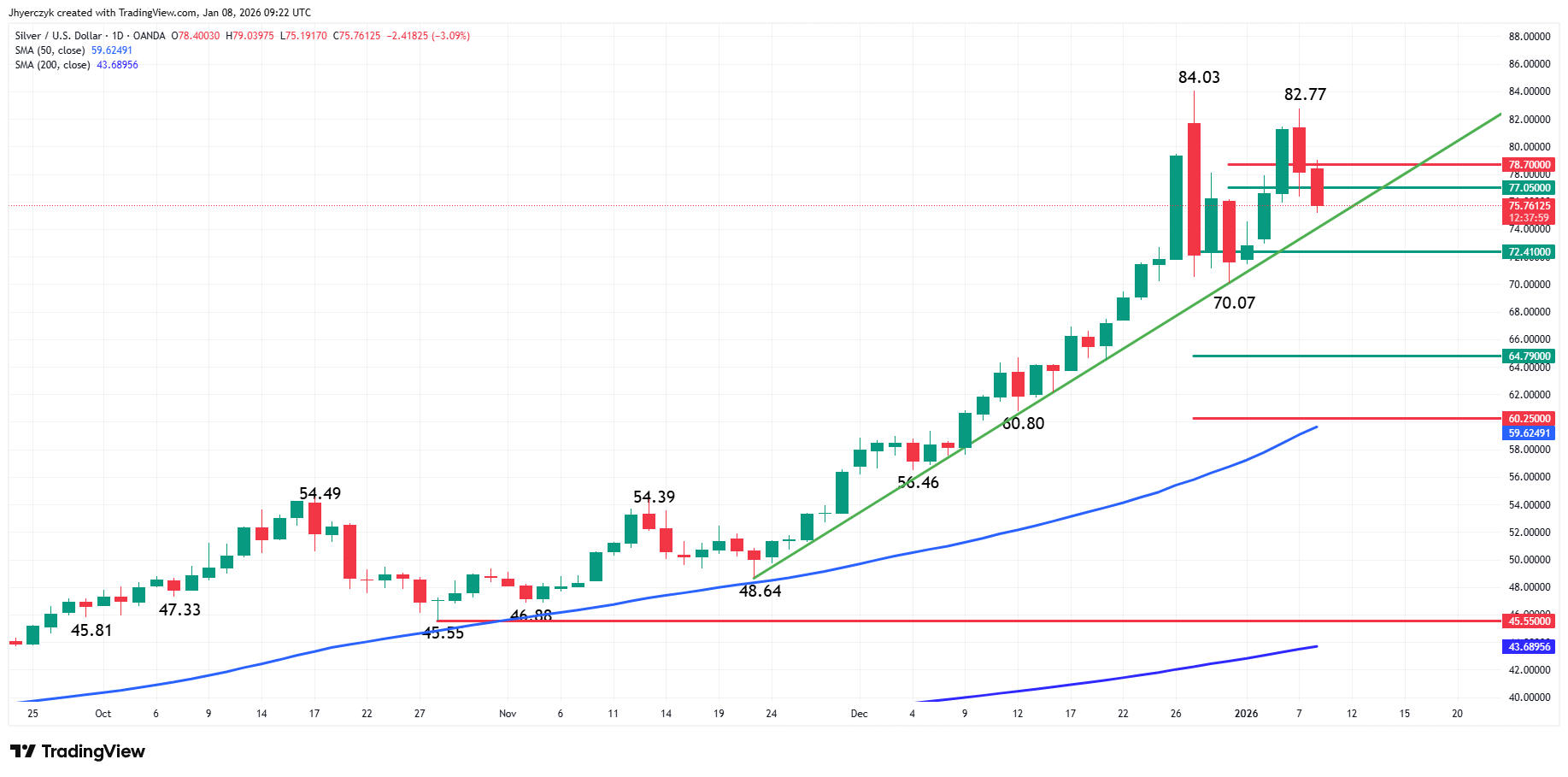
Specifically, silver is particularly exposed to a sharp sell-off, given the recent margin-related volatility. Bloomberg is saying that Citigroup Inc. estimated about $6.8 billion in silver futures could be sold to meet the rebalancing requirement, equivalent to about 12% of open interest on Comex. Futures 101: when prices fall and open interest drops, traders are liquidating.
Gold futures liquidation is expected to be roughly the same amount, according to Citigroup, basing its estimate on funds tracking the Bloomberg Commodity Index and the S&P Goldman Sachs Commodity Index.
Unprecedented Rebalancing Event Creates Near-Term Headwinds
This year’s rebalancing is expected to be a significant event because of the size of last year’s gains. “I’ve been running this process for many years, and we haven’t seen any outsized flow like this one,” said Kenny Hu, a strategist at Citigroup.
Opportunity Amid the Turbulence
However, while investors should brace for near-term weakness and volatility, it could lead to opportunity because the rebalance is not likely to impact the core fundamentals. The commodity index rebalancing could “dampen the potential upside in the near term, but in the longer run, silver has more momentum,” said David Wilson, director of commodity strategy at BNP Paribas SA.
This year’s rebalancing is expected to begin on January 9 and last until January 15.
More Information in our Economic Calendar.