Oil prices continue to surge and enter more volatile phase as geopolitical tensions and supply disruptions remain unresolved. The ongoing conflict is damaging energy infrastructure in key regions of the Middle East, which indicates higher fuel prices for a longer period. The higher fuel costs will feed into inflation and economic pressures. Markets are still adjusting to these shocks and full impact of these tensions will be reflected in the months ahead. This keeps oil in focus as a supply-driven trade and the key driver of global economic conditions.
Middle East Conflict Tightens Oil Supply and Drives Price Surge
The recent surge in oil prices is being fuelled by drastic supply shocks in major international routes. The Strait of Hormuz which transfers a major part of the world’s oil and LNG traffic, has reduced its traffic to a very low level. This has left millions of barrels stranded and unable to access global markets which quickly tighten supply conditions.
The tensions were further escalated when Iran allegedly assaulted and burnt crude oil tanker off Dubai. This was another direct interruption of energy supply in the area. The tanker can hold approximately 2 million barrels that is a big threat to world supply chains. This event caused new surge in crude prices and reinforced fears that any attack on shipping routes in the Gulf and Strait of Hormuz would aggravate supply shortages in the near future.
Meanwhile, energy infrastructure in the Middle East is damaged by the ongoing conflict. The production facilities and LNG facilities are pressurized and it is impossible to recover the supply quickly. Even when the conflict stabilizes, it will take time to repair, which implies that supply shortages may last months and keep supporting the higher oil prices.
Rising Oil Prices Fuel Inflation and Strain Global Growth
The increase in oil prices is already contributing to inflation and overall economic expenses. The rising fuel prices are pushing the transportation costs as seen in the trucking price data below. These pressures are gradually feeding into the broader input costs across the economy. This trend will likely continue higher due to the ongoing conflict and energy crisis.
Brent Oil Price Forecast
Every new Brent Oil analysis as it publishes, today's technical signal and key levels, live price — on one page.
See all Brent Oil forecasts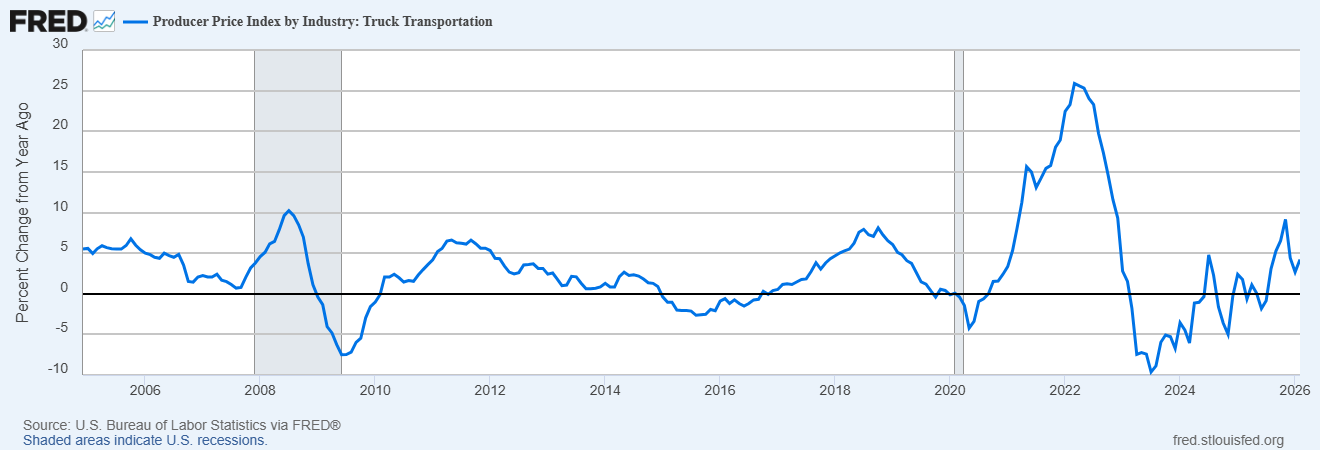
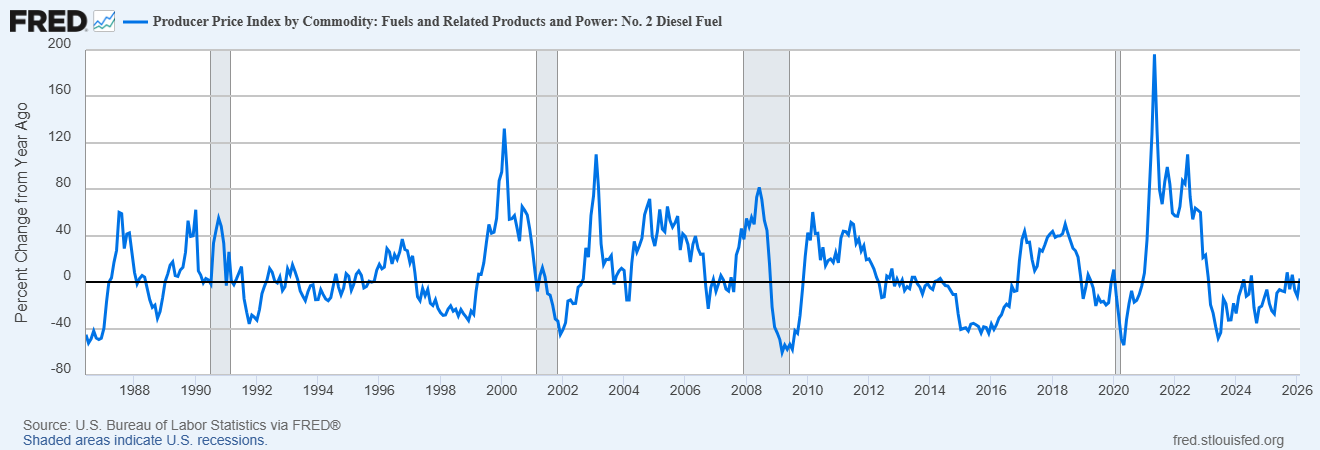
This has a ripple effect that diminishes the spending capacity of consumers and strains the growth of the economy.
Although the U.S. economy is not very fragile because of high level of domestic energy production. However, it cannot avoid the global effects of the recent energy crisis. The increase in oil prices will continue to push inflation higher and long-term interference will cause a wider slowdown. If the conflict escalates further, oil prices may shoot up posing dangers to the global markets.
Brent Crude Technical Outlook Signals Further Upside Momentum
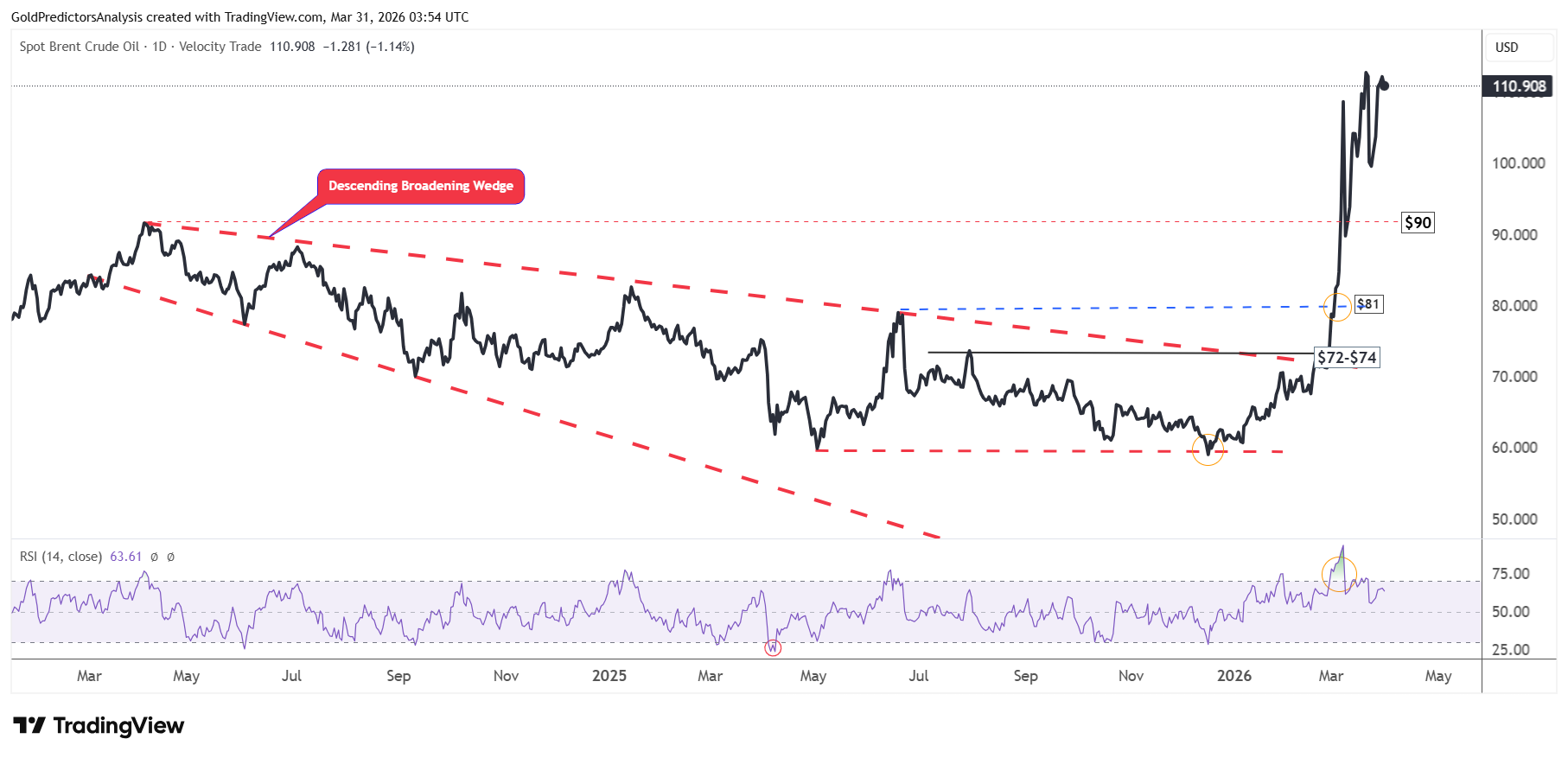
The chart below shows that Brent crude oil continued to surge after breaking the descending broadening wedge pattern that was formed from April 2025 to February 2026. The breakout from $72 and $81 has triggered a strong surge in oil prices to $120. The price retraced to the support of $90 and then rallied again to $110. The support at $90 indicates that oil prices are going towards $150 quickly.
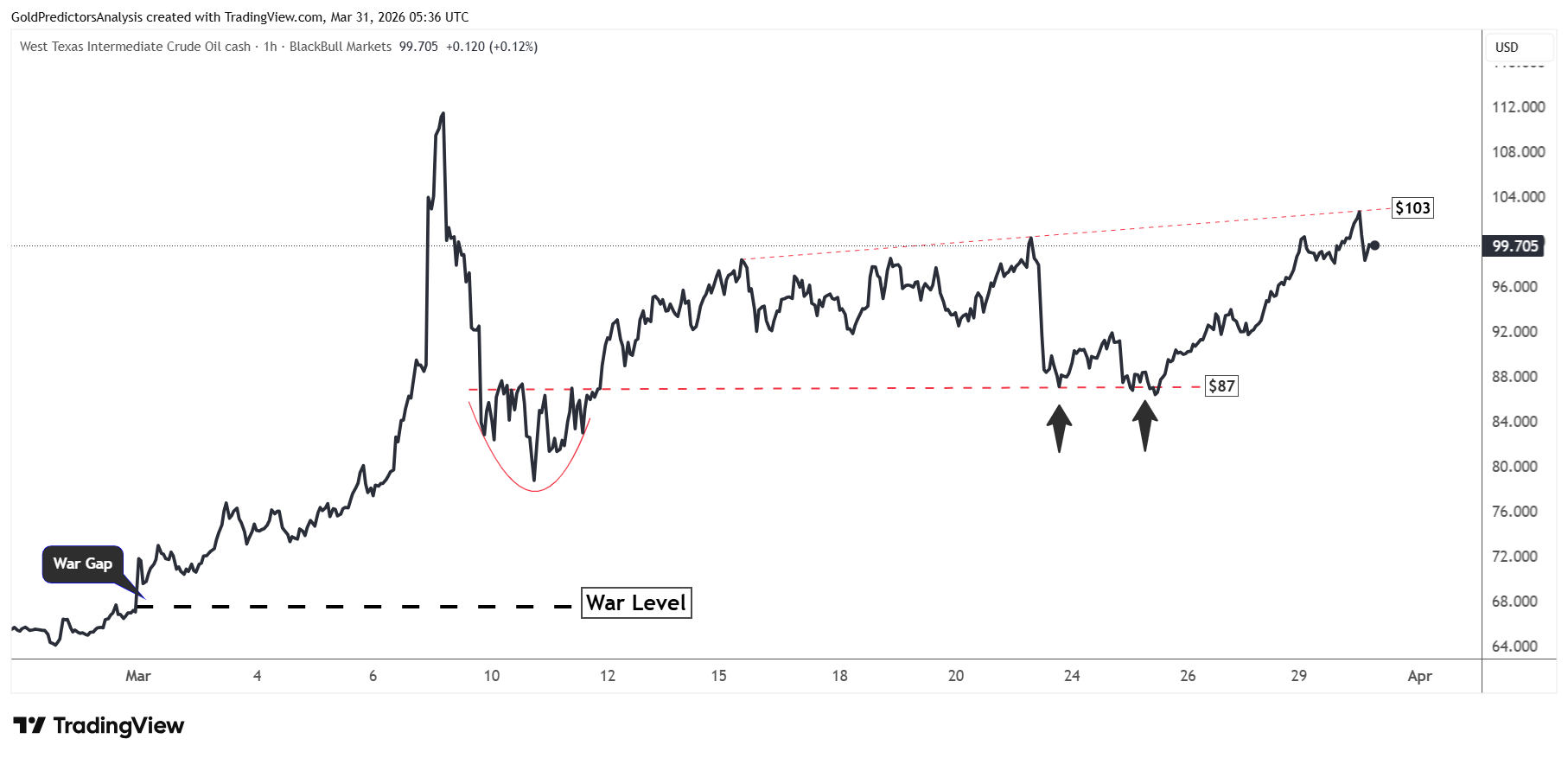
The short-term price action remains bullish and is much higher than the war level, as seen in the WTI oil chart below. The price hit resistance of $103 recently, but this level will likely break higher based on the emerging conflict in the Middle East.
Conclusion – Tight Supply and Rising Costs Keep Oil Prices Supported
The strong disruptions of supply and current geopolitical risks keep oil prices high. The long-term effects of limited supply channels and broken infrastructure have not been adequately factored in the market. The supply will be tight as long as the conflict persists and will continue to put support the crude prices. This maintains the general optimism in the short term.
Meanwhile, the increasing oil prices are straining the world economy with the increase in prices and poor consumer spending. Such impacts will probably accumulate with time unless the situation is ameliorated. From technical perspective, Brent oil has found support at $90 after a retracement which indicates a quick move to $150.
If you’d like to know more about how to trade crude oil, please visit our educational area.