This time, the biggest winners may not be those holding paper assets vulnerable to inflation, policy mistakes and currency debasement. It will be those positioned in the real-world resources the global economy cannot survive without.
These are the assets that fuel nations, feed populations, build infrastructure and protect wealth when the old financial playbook breaks down. And as scarcity tightens across the world, the Hard Asset trade may become one of the most powerful wealth creation opportunities of our lifetime.
Across global markets, a powerful secular rotation is now underway. Capital is beginning to move away from long-duration financial assets built on cheap money and toward the physical resources that underpin national security, industrial expansion and everyday survival.
At The Gold & Silver Club, this is exactly the regime analysts warned about months ago when they formally declared 2026 “The Year of Hard Assets.”
That call is no longer theoretical. It is unfolding in real time.
“This is not a normal inflation cycle,” says Lars Hansen, Head of Research at The Gold & Silver Club. “This is a structural repricing of scarcity. The market is only beginning to understand what that means.”
Inflation Is Back – And the Fed Is Trapped
U.S inflation has accelerated sharply, rising to 3.8% in April, its highest level in three years. The pressure is no longer isolated. It is spreading through food, shelter, services and goods, while real wages remain under pressure and households continue to lose purchasing power.
For investors, the message is blunt: cash is being quietly destroyed.
After inflation, every $100 of spending power is worth materially less than it appears. Governments may speak the language of stability, but fiscal strain, deficits and policy error are steadily transferring wealth away from savers and toward owners of real assets.
“The greatest risk today is not being too early in Hard Assets,” Hansen says. “The greatest risk is discovering too late that your paper wealth has been diluted while physical markets were moving without you.”
Brent Oil Price Forecast
Every new Brent Oil analysis as it publishes, today's technical signal and key levels, live price — on one page.
See all Brent Oil forecastsCommodities Are Rallying Into Hawkish Policy
One of the most striking features of this market is that Commodities are strengthening even as central banks remain hawkish. That combination is rare. Historically, it has tended to appear during wartime expansions, stagflationary shocks or periods when supply constraints overpower monetary tightening.
That is the signal traders cannot afford to ignore.
Nations are stockpiling strategic resources. Export restrictions are increasing. Trade flows are being weaponized. Defence spending is rising. Infrastructure demands are accelerating. Housing shortages require more materials. Food supply-chains are becoming more fragile.
This is no longer a simple demand story. It is a global competition for access.
Copper, Energy, and The Supply Blind Spot
Copper has already surged to record territory, driven by tight supply, falling inventories and explosive demand from electrification, grid expansion and clean technology. Yet global portfolios remain dangerously underweight the Commodities needed to power the next stage of economic expansion.
That imbalance may become one of the defining investment mistakes of this cycle.
“Traders and investors are still crowded into assets built for the last decade,” Hansen notes. “Very few are positioned for the resources required to power, build and secure the next one.”
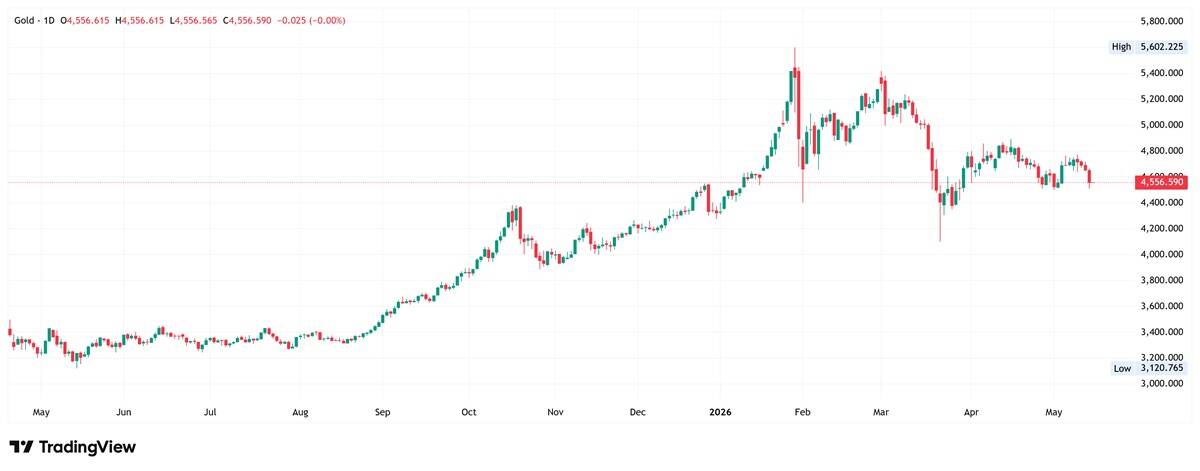
Copper is becoming the new Oil. Aluminium is central to electrification. Nickel remains critical to batteries. Silver is essential to solar. Natural Gas is becoming a strategic bridge fuel. Gold is reasserting itself as monetary insurance.
The Supply Shock Window Is Open
The Strait of Hormuz crisis has exposed how fragile the global system has become. Energy, fuel, fertilizer, freight and food are interconnected. When one artery tightens, the pressure spreads quickly.
Oil disruption raises transport costs. Higher fuel prices squeeze farmers. Fertilizer shortages threaten crop economics. Food inflation then appears with a lag, often after traders have missed the cleanest entry window.
“This is how scarcity trades develop,” says Hansen. “First the physical market tightens. Then inventories fall. Then prices break out. Finally, the mainstream narrative catches up when the opportunity is already far more expensive.”
That sequence may already be underway.
The Hard Asset Wealth Transfer
The winners of the last cycle owned long-duration financial assets in a world of low rates, abundant liquidity and globalization. The winners of this cycle will own the scarce resources required to power economies, feed populations and defend supply chains.
This is why the Hard Asset trade is no longer optional for serious traders and investors alike. It is becoming a macro necessity.
Oil, Gold, Silver, Copper, Natural Gas and Agricultural Commodities are no longer niche markets. They are the pressure points of a new global order.
For traders who missed 2008, missed 2020 and refuse to miss the next greatest generational wealth transfer opportunity, the message is clear.
The Year of Hard Assets is already making history.
The only question is whether you are positioned before the next supply shock turns today’s opportunity into tomorrow’s missed fortune.