
Dollar Holds Firm as Oil and Geopolitics Drive Macro
The US Dollar Index (DXY) is hovering just above 100 as it draws support from the perception of safety and shifts in rate expectations thanks to the ongoing Middle East tensions which are fueling a surge in oil prices. The resulting high energy prices are – as you’d expect – adding to the inflation jitters, and as a result markets are increasingly pricing in a more cautious approach from the Federal Reserve and fewer rate cuts in the near term. Meanwhile the US data is looking pretty resilient, especialy in the labour market, which is helping keep the dollar’s cyclical strength intact.
EUR/USD is still hovering around 1.15 with the euro getting squeezed by expectations that the ECB is on the verge of easing Monetary policy again, all of which is set against a backdrop of pretty modest growth and a energy price sensitivity. Now while the oil prices are starting to add some inflation risks to the mix – which isn’t great – the overall policy bias from the ECB still looks pretty dovish compared to the Fed
GBP/USD is trading around 1.32 and finds support in rising UK inflation expectations which – as one would expect – are fuelled by rising energy costs. As a result markets are rethinking the Bank of England’s policy and if they are less likely to cut rates you can see why sterling is getting a bit of a boost.
Overall geopolitics and oil driven inflation are still calling the shots. As long as there are no signs of tensions easing it looks like the dollar is going to keep on rising but if there ever was a de-escalation that could potentially shift the flow back towards the EUR and the GBP

US Dollar Index (DXY) – Technical Analysis
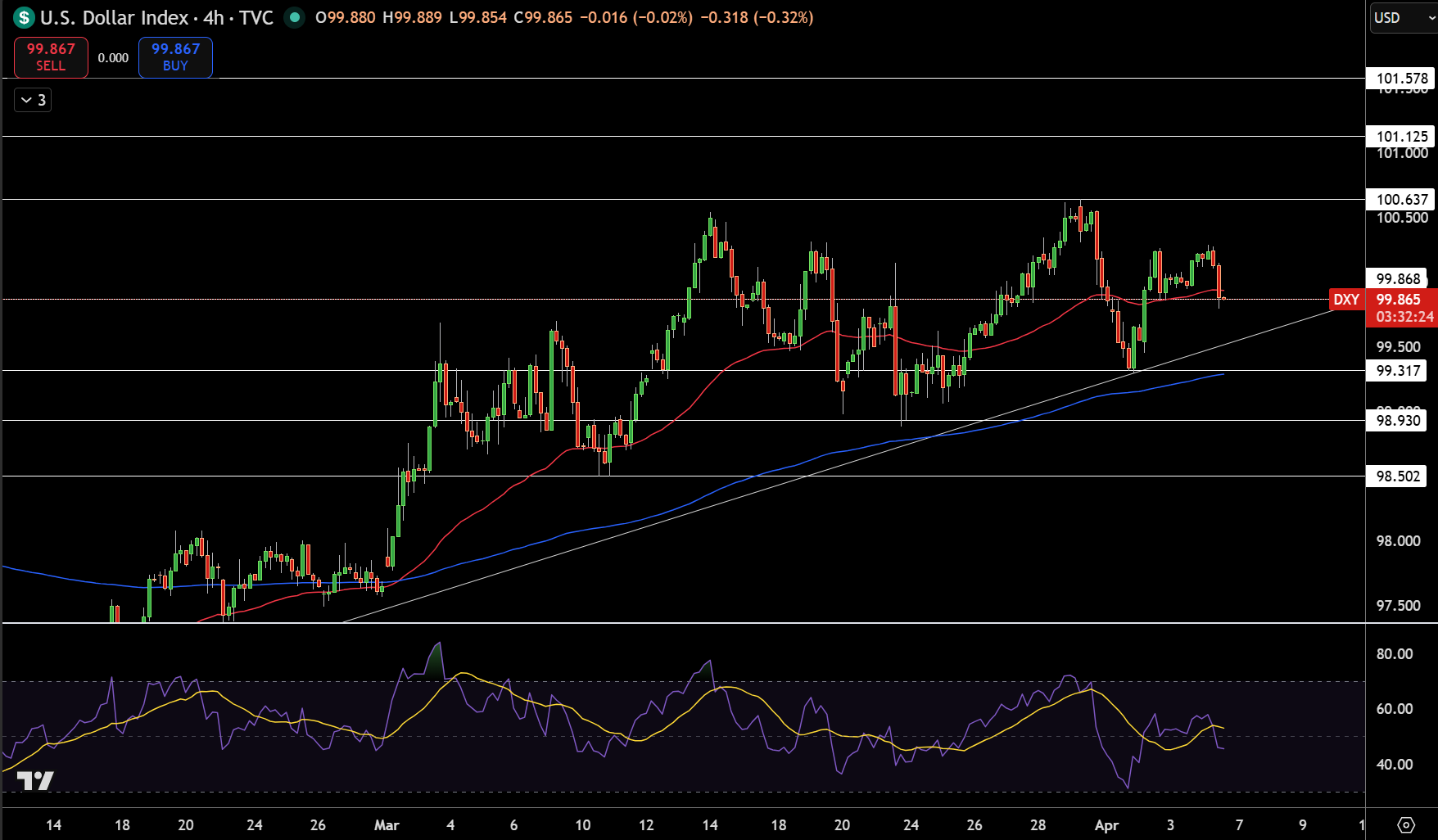
The US Dollar Index (DXY) is currently hovering around 99.85-99.90, just nicking above that long-term uptrend line that has been holding price high since early March – but for how long? We’re still got a mildly bullish vibe going on, with those higher lows intact, but the enthusiasm is slowly draining out of the system after several attempts to break past that stubborn 100.50-100.65 ceiling.
Price is stuck in a bit of a limbo, sitting right around the 50-SMA, while the 200-SMA lurking below near 99.30 is still doing its job as a solid support zone. The RSI is slowly trickling down to the mid-40s – that’s a clear sign that the bulls are starting to lose their mojo and we could well see a short-term pullback on the cards.
If the DXY can somehow power through to a sustained break above 100.00-100.50, then we might be looking at some upside momentum toward 101.10 – but its a long shot. On the other hand, if price plummets below 99.50 – not entirely impossible, given the current mood – we could be in for a deeper correction toward 99.30 , and possibly even 98.90. If you’re looking to short, the best bet might be to do it below 99.50, targeting 99.00 and setting your stop-loss above 100.20.
GBP/USD Price Forecast
Every new GBP/USD analysis as it publishes, today's technical signal and key levels, live price — on one page.
See all GBP/USD forecastsGBP/USD Rebounds but Faces Trendline Pressure
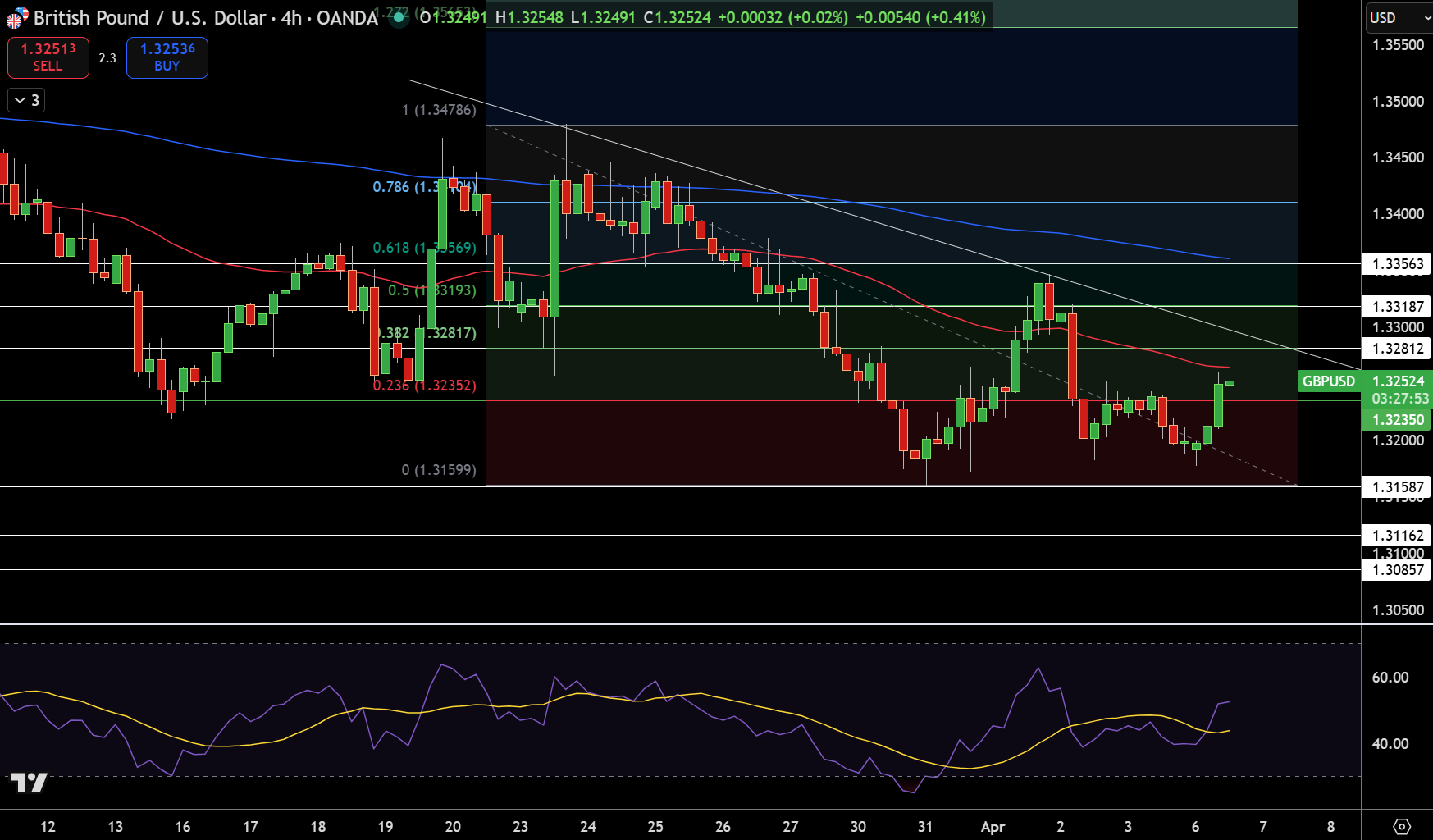
GBP/USD is trading around $1.3250, making a bit of a comeback after defending the $1.3150 support area. But don’t get too excited just yet, GBP/USD is still below a downtrend line and the 200 SMA, so the overall bias here is still pretty bearish.
The last few candles we’ve seen have shown demand coming back into the market, but the momentum is still pretty fragile. RSI has started to move higher from its neutral levels, which does support the idea that we might see some more upside in the short term.
A clean break above $1.3300 would be a big deal – it would be the first sign that we might actually see some strength towards $1.3470 – but otherwise the risk is that we go back to $1.3150 if price is rejected below that zone.
EUR/USD Holds Range Below Key Resistance
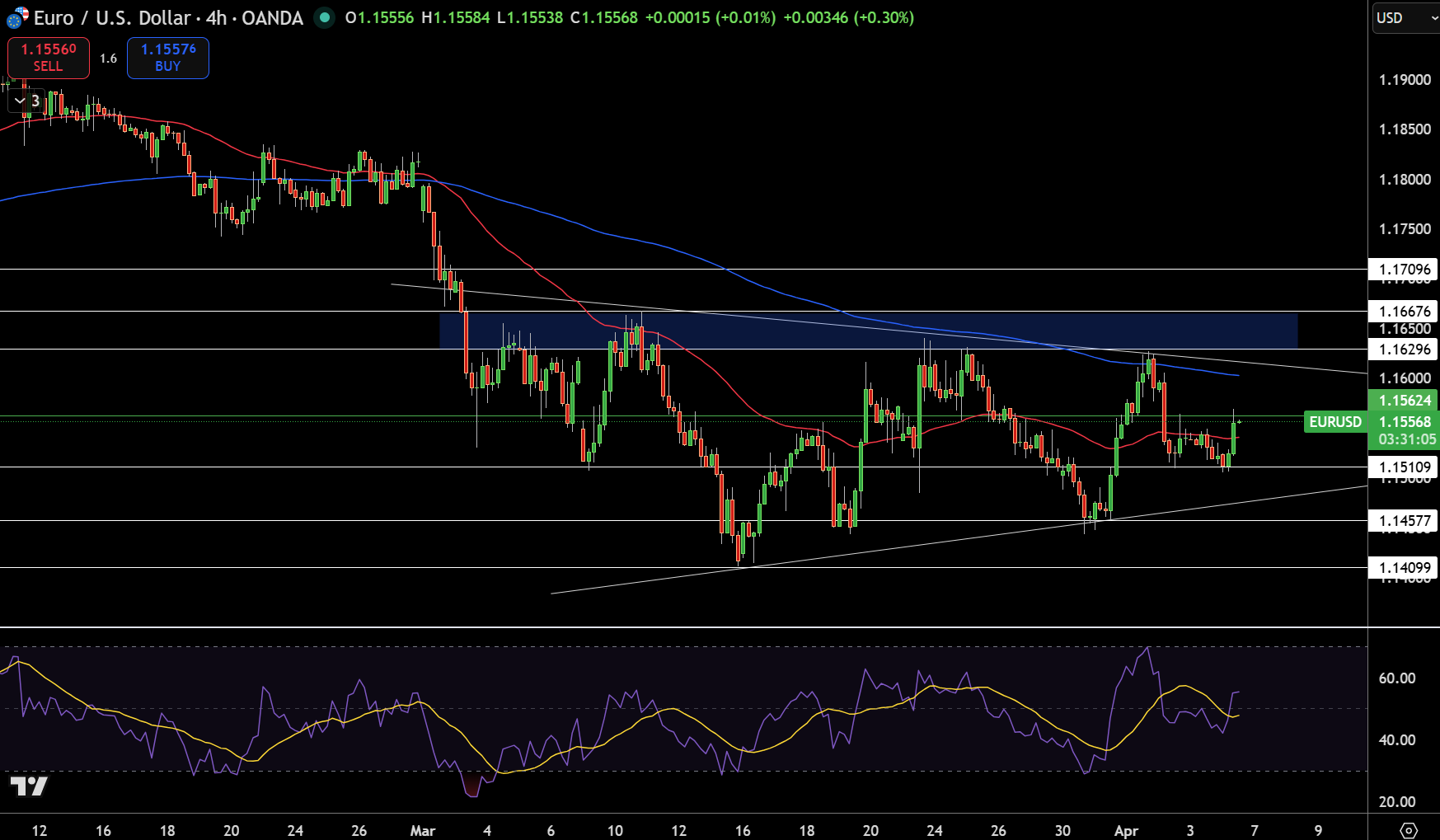
EUR/USD is trading in a tight $1.1555-$1.1565 range, after bouncing off the $1.1620-$1.1660 barrier multiple times. Price continues to respect a downward trend-line, but somehow keeps making higher lows – it’s a pretty tight structure. The 50-period average is helping to hold the line as support, while the 200 period average is keeping the upside in check.
The RSI indicator is slowly climbing back from its middle zone, which does suggest some improvement in momentum – but let’s be clear, it’s still a pretty weak recovery. If EUR/USD can finally break through the $1.1620 resistance, it might put the $1.1700 level within reach, on the other hand if it fails to hold onto $1.1510, then we could be looking at a drop towards $1.1450.