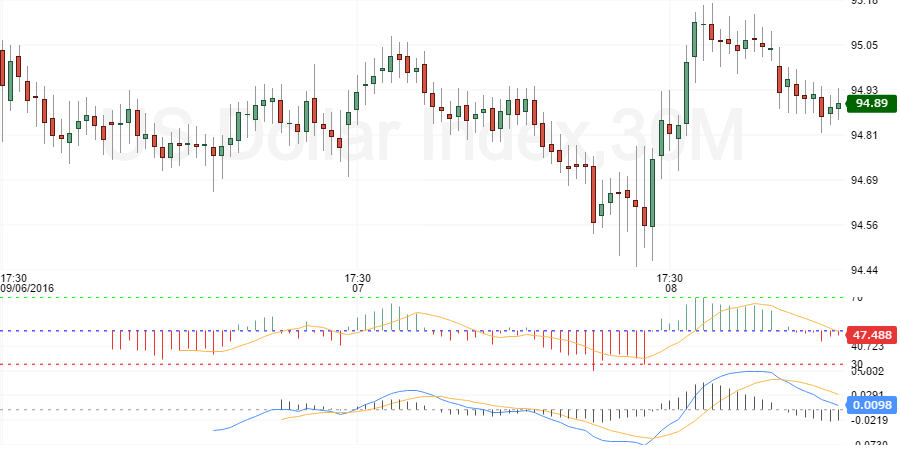
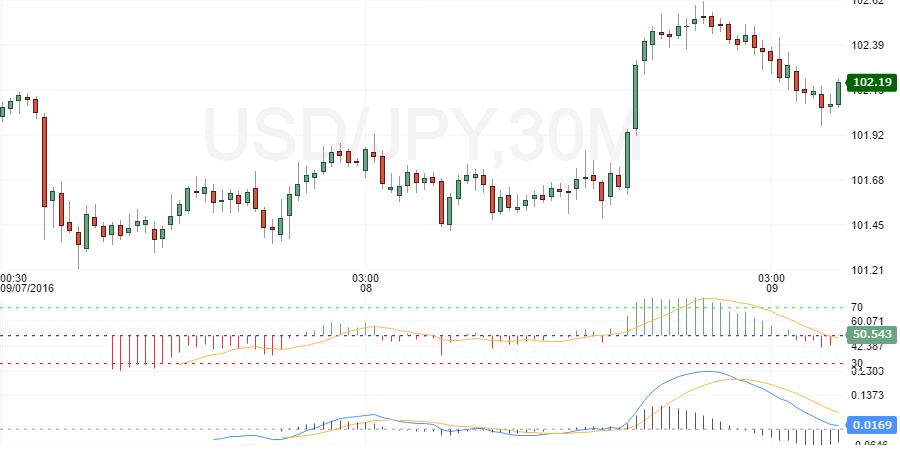
On Wednesday evening the Federal Reserve released their “Beige Book”. The Beige Book, an important indicator on the state of the U.S. economy and as such, is a critical tool for the Fed in making key decisions, showed the Fed sees moderate wage growth in the coming months. Although the outlook was positive, it did not seem to indicate any rush to raise interest rates. The Fed did see a slight inflation move but did not find it significant. US dollar traders also did not see a reason for a rate increase at the upcoming meeting and sent the greenback down to trade at 94.65. The dollar edged up to around ¥101.60 in trading on Thursday, aided by position-adjustment purchases in the absence of fresh trading incentives.
The dollar was later stuck in a tight range between ¥101.60 and ¥101.70 as market players awaited a speech by Bank of Japan Deputy Gov. Hiroshi Nakaso. Dollar selling increased briefly after Nakaso referred to the side effects of the BOJ’s negative interest rate policy, which was introduced in February. Nakaso said the central bank will pursue its massive stimulus program by striking the right balance between its powerful policy effects and potential adverse effects on financial intermediation. He said the BOJ’s comprehensive assessment of its policy effects to take place later this month will look at ways to accelerate achievement of its 2 percent inflation target. The BOJ meets on Sept. 21, when it is expected to unveil the results of a comprehensive policy review it promised in July. There is no clear consensus on what the central bank will do. Likelihood of another BoJ disappointment is rising, putting upside risk to the near-term path for JPY. The yen held firm against the U.S. dollar on Thursday after Nakaso’s comments.
Rarely has the market been quite so unable to admit and characterize the uncertainty over what the Bank of Japan is going to do at its September 20-21 meeting and what its governor, Haruhiko Kuroda, will then conclude in his “comprehensive assessment” of the central bank’s policy of monetary easing.
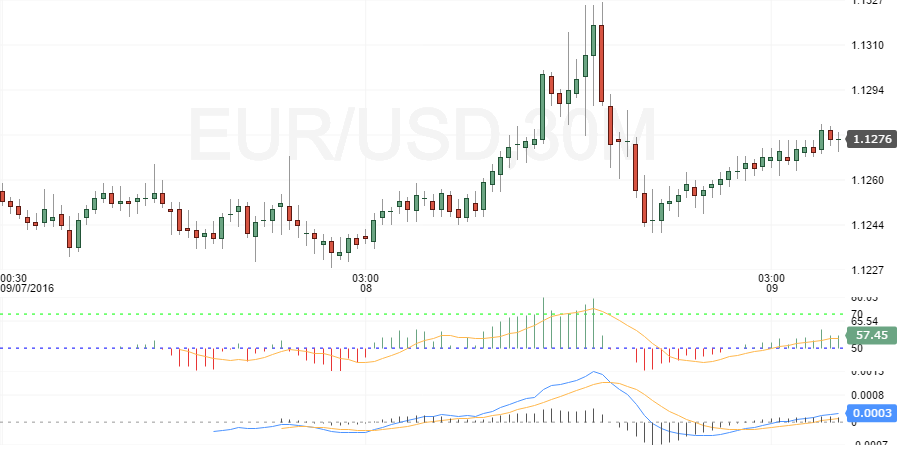
It wasn’t much different today at the ECB, ahead of the meeting no one was sure what the bank would do and many were betting on some increase in stimulus or at the minimal an extension. But the bank held on everything. Mario Draghi surprised the press when he said that “changes to the QE program” were not even discussed. The euro ratcheted up immediately but corrected to trade at 1.1256 up just 16 points. The euro hit 1.1327 after the rate decision.
“The governing council continues to expect the key ECB interest rates to remain at present or lower levels for an extended period of time, and well past the horizon of the net asset purchases,” the ECB said.
It added that the asset purchase program could continue beyond March 2017, if necessary, and in any case until the bank sees “a sustained adjustment in the path of inflation consistent with its inflation aim”.
US Dollar Index Price Forecast
Every new US Dollar Index analysis as it publishes, today's technical signal and key levels, live price — on one page.
See all US Dollar Index forecastsAddressing reporters shortly afterward, ECB President Mario Draghi warned the Eurozone recovery faced major obstacles, one of which was the “uncertainty” following the result of the UK referendum on the European Union.
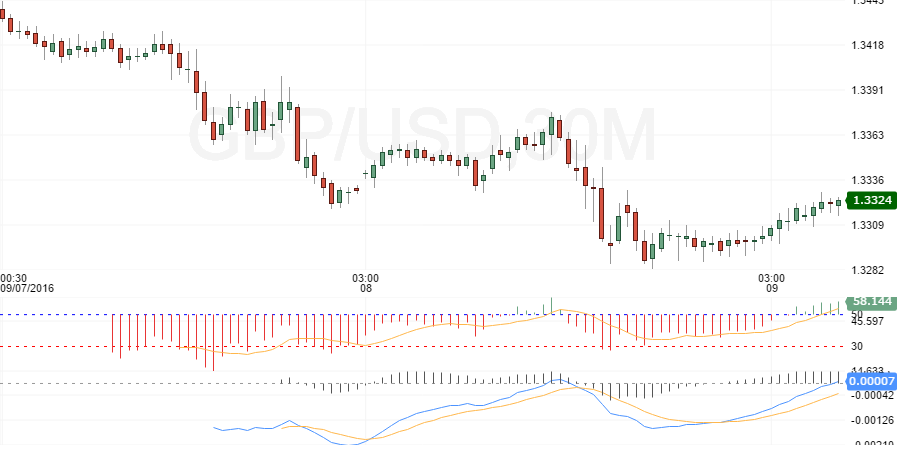
The pound traded in the red against a weak US dollar after the ECB pointed out possible economic problems due to the Brexit decision. The pound is trading at 1.3300 after hitting its highest level since late June. Traders also sold to book profits after the pound hit 1.3376.