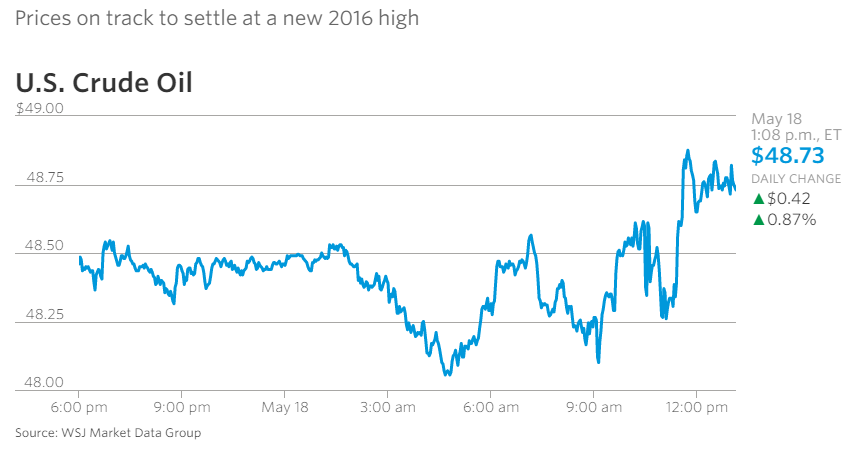
Crude oil inventories in the US surprised to the upside, traders were expecting a significant drop in supplies only to see a gain of 1.31 million barrels but it did little to dent the rally in prices. WTI added 44 cents to 48.75 while Brent oil gained 28 cents to 49.56. Oil prices continue to threaten the $50 resistance level but are unable to sustain above each time they break through.
Oil prices were fanned by escalating wildfires in Canada’s oil sands region and hopes of an easing in the oversupply, influenced sentiments at futures trade. WTI dipped in Asian trading to 47.50 as traders booked profits and the US dollar soared after the Fed minutes. Brent oil fell 78 cents to 48.15.
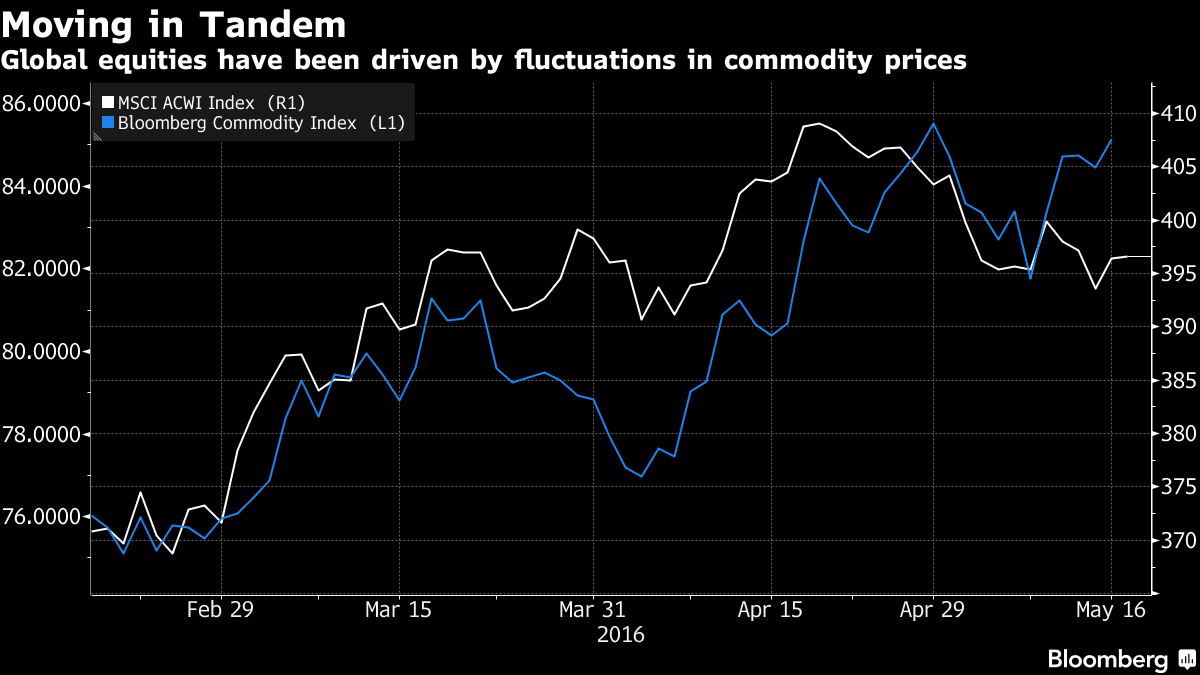
Prices have shot up after us banking giant Goldman Sachs this week said that supply disruptions in Africa’s biggest oil producer Nigeria — along with better demand — had created a surprising short-term supply deficit. Concerns about the potential for higher Libyan output and apprehension that the market was reaching overbought levels initially restrained the rally.
Prices rose after a Reuters poll of oil analysts forecast U.S. crude inventories likely fell 2.8 million barrels last week, declining for a second straight week.
U.S. crude-oil inventories rose by 1.3 million barrels to 541.3 million barrels in the week ended May 13, the Energy Information Administration said Wednesday. Analysts polled by The Wall Street Journal had expected a decline of 2.4 million barrels.
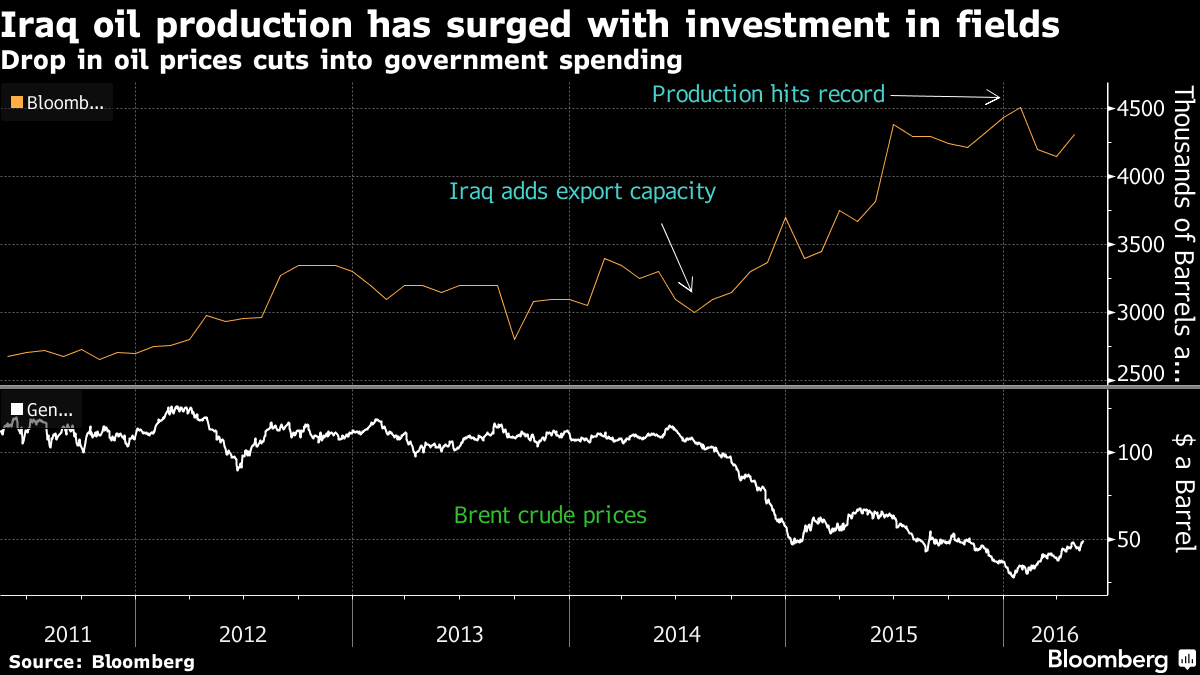
Stockpiles of refined products including gasoline and distillates like diesel fuel fell by more than crude-oil inventories rose. Demand for refined products rose to more than 20 million barrels a day, the EIA estimated, the highest weekly level since January.
Prices softened after a deal struck in Vienna between rival Libyan oil factions indicated the first step towards restoring crude production mostly shut in the North African country. The Libyan agreement followed Monday’s news of potential reopening for some shuttered Nigerian output.
The EIA released its monthly drilling report on May 16, 2016. The report expected crude oil production to decline by 113,000 bpd (barrels per day) to 4.9 MMbpd in June 2016—compared to May 2016—in the key shale regions. Crude oil production will decline in the Bakken and Eagle Ford shale regions during this period.
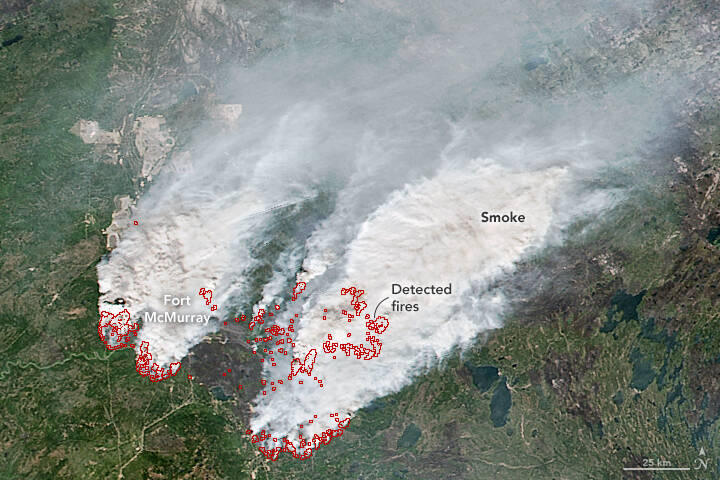
The wildfire that swept through Fort McMurray two weeks ago has now breached a critical firebreak, threatening Canada’s largest oil production facilities, and forcing the evacuation of thousands more workers. As seen from space, this ongoing wildfire is a horrific sight to behold.
US Dollar Index Price Forecast
Every new US Dollar Index analysis as it publishes, today's technical signal and key levels, live price — on one page.
See all US Dollar Index forecastsPlans to restart oilsands production in northern Alberta were put on hold this week when a change in wind direction sent the lingering wildfire north towards critical oil sands projects. Some 4,000 workers from a dozen work camps, including those run by Syncrude Canada and Suncor Energy, had to be evacuated. The fire’s change of direction caught the companies by surprise, delaying a much-needed return to production. A worker camp with 665 rooms burned to the ground yesterday.
Production facilities have been in a state of limbo since the first week of May, when the wildfire destroyed a significant portion of Fort McMurray, a boom town that’s home to thousands of oil-sands workers. The fires have cut Canadian oil output by one million barrels a day. As of yesterday, the out-of-control blaze covered 877,224 acres, up from 704,250 acres on Monday.