


Forex and CFD Scams: What Traders Need to Watch Out For
Here's an insight into how we make money. While we strive to be comprehensive, the compensation we receive can influence the products, companies, or services we showcase and review. Not all available options may be featured on this page.
Intro
Key Points:
- Forex and CFD scams often rely on unrealistic profit promises and pressure tactics to exploit traders’ emotions.
- Fake brokers commonly use misleading branding, unclear legal language, and hidden fees to appear legitimate.
- Many scam operations manipulate trading conditions, including prices, execution, or withdrawals, to disadvantage clients.
- You can verify broker’s legitimacy by checking its regulation, legal documents, execution policy, and fee transparency.
- Traders can significantly reduce their risk by using demo accounts, starting small, and verifying broker credentials before depositing funds.
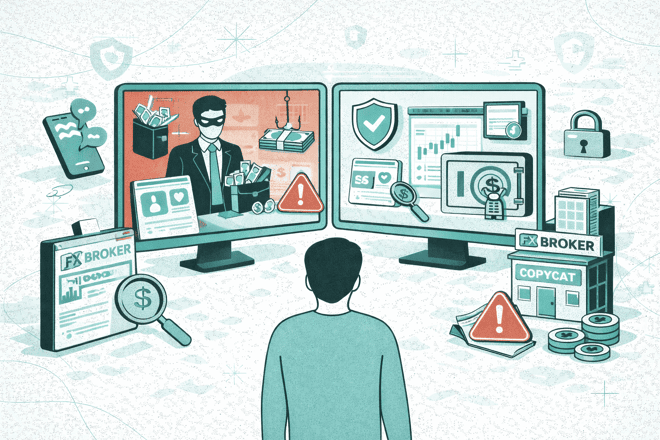
Forex and CFD trading offer exciting opportunities to profit from financial markets, but they also attract scammers looking to exploit unsuspecting traders.
Scammers prey on traders’ greed, ambition, and fears by promising massive returns with ‘little to no risk.’ Unfortunately, traders fall victim to clever scams every day, which is why staying vigilant is crucial.
This article explores the most prevalent forex and CFD scams and provides essential tips to ensure your trading journey is safe and secure.
Types of Forex and CFD Scams
Here is a breakdown of the most commonly used scam strategies in the trading industry:
- Cold Calls: Scammers usually contact potential victims, promising massive returns if they act quickly. Typically, the call comes before a major trading opportunity (e.g., NFP report release, FOMC rate decision), urging you to act before the opportunity expires.
- Fake Landing Pages: Scammers create landing pages promising expert investing advice, massive profit opportunities, or extensive trading education, aiming to collect your contact details to later convince you to deposit funds.
- Brand Appropriation: Scammers use names that mimic well-known brands, claim to be licensed without verification, or have vague corporate structures. Always verify the broker’s licensing information to avoid falling for such tricks.
- Fake Signals: Some scammers sell trading signals with supposedly high profitability for a subscription fee. They manipulate MetaTrader accounts, keeping losing trades open indefinitely to create an illusion of consistent success.
- Price Manipulation: Some brokers manipulate price action to hit clients’ stop-loss orders, especially during high market volatility periods, like major economic releases or market openings.
- Exploitative Use of Bonuses: Some brokers attract clients with substantial bonuses but require significant trading volume before funds can be withdrawn, often leading to misunderstandings and unachievable conditions.
A legitimate broker may provide trading signals for your consideration, but a fake broker will pressure you to act on them.
Red Flags
A ‘red flag’ indicates that a broker might be fake or untrustworthy. While observing one or more red flags doesn’t confirm a scam, you should carefully check if the broker is licensed and regulated before opening an account. Below, I will outline typical red flags you may encounter in the treading industry:
🚩 Unrealistic Promises: Beware of promises about significant bonuses or promotions without clear terms and conditions.
🚩 Misleading Language: Be cautious of brokers using complex or ambiguous terminology. For instance, one broker claimed to offer ‘negative balance protection’ but instead provided ‘account balance protection,’ which was not legally binding.
Once, I encountered a broker who stated that it provided negative balance protection. However, in the Client Agreement, it was put down as ‘Account Balance Protection.’ The difference is that one is legally binding, and the other is not. Keep an eye on things like that!
🚩 Manipulation of Trading Software: Reports of unusual price fluctuations, delayed order executions, or sudden stop-loss hits can indicate price manipulation.
🚩 Withholding Funds: Difficulty withdrawing funds, high withdrawal fees, unnecessary delays, or refusal to release funds are serious scam indicators.
🚩 Hidden Fees: An unclear fee structure or unexpected charges that weren’t initially disclosed may indicate dishonest practices.
🚩 No Negative Balance Protection: Negative balance protection ensures clients do not lose more money than they have deposited. Lack of this protection is a red flag.
🚩 Suspicious Online Presence: A poor-quality website, a lack of company history or details, and fake testimonials or reviews can indicate a potentially untrustworthy broker.
How to Verify a Broker: FXEmpire’s Approach
At FXEmpire, we’ve reviewed 330+ brokers, and trust is one of our top priorities. Traders rely on our research when choosing where to trade, so we put a lot of effort into verifying a broker’s licenses, regulations, and overall safety. Here are the key steps we follow:
- Do a background check. Search for the broker using its name and any entity names. Review the ‘About Us’ section on the broker’s website, read about the company’s history and structure, and carefully examine the Terms & Conditions.
- Note the risk warning. Legitimate brokers must display a warning about the proportion of traders who lose money. This warning is usually placed at the top or bottom of the main page.
- Check the entity’s details and license. On the bottom of a broker’s main page, look for the information about the broker’s address, legal name, and reference/license number from its regulator (if listed).
- Confirm with the regulator. Note the reference number and then confirm it by visiting the regulator’s website, which should have a search function for registered entities.
- Check the Client Agreement. Review the broker’s Client Agreement and look for essential safety mechanisms, such as segregated funds, negative balance protection, and compensation scheme.
- Check the broker’s execution policy. A’ best execution policy’ can be found among the broker’s legal documents. It legally mandates the broker to provide the best possible price quotes under prevailing market conditions.
- Evaluate the broker’s fee transparency. Check for live spreads data on the broker’s website. Then, open a demo account and see if the spread rates on the platform match those of the live quotes. Consistency between these rates is a good indicator of high fee transparency.
What to Do If You Spot a Shady Broker
If you suspect a broker is shady:
🛡️ File a complaint with the broker and contact the relevant financial regulator.
🛡️ Report to local authorities or national financial regulators.
🛡️ Seek legal advice for guidance on financial regulations and procedures.
🛡️ Trust your instincts and thoroughly research the broker.
🛡️ Monitor your account closely for discrepancies or sudden losses.
The key is to act quickly if you suspect foul play, leverage the resources of regulators and authorities, and don’t be afraid to seek professional legal advice. Protecting your finances should be the top priority when dealing with potentially fraudulent brokers, especially in high-risk markets like forex and CFDs.
Beware of third-party services claiming to help scam brokers’ victims get their money back, especially if they want you to pay a fee before they deliver on the promise. Many such websites only pretend to do what they claim, and they actually serve as a different kind of scam.
How to Avoid Forex and CFD Scams
Here is a list of my key takeaways regarding Forex and CFD scams:
- Protect Your Personal Information: Do not share your personal details unless you are absolutely certain of who you are dealing with. Scammers often sell the contact details of their victims to other scammers, so vigilance is crucial.
- Beware of Unusually High Returns: Be skeptical of promises for high returns with little or no risk. These are typical bait tactics used by scammers to lure unsuspecting investors.
- Understand the Terms and Conditions: Before you open an account, make sure you thoroughly understand the terms and conditions. Pay special attention to withdrawal conditions, trading fees, and any potential hidden charges.
- Use Demo Accounts: Before committing any real money, use demo accounts to test the broker’s trading platform and your own trading strategies.
- Start with Small Investments: Even after using a demo account, start trading with small amounts of money to test the broker’s reliability and the responsiveness of their platform with real funds.
Final Take
Navigating the forex and CFD markets requires more than just strategic acumen. It demands vigilance and a keen eye for the red flags that signify potential scams.
By arming yourself with the knowledge of what to look out for – from unrealistic promises to suspicious broker practices – you can safeguard your investments against the pitfalls of fraudulent activities.
Remember, successful trading is not just about making profits but also about protecting them. Always verify broker credentials, be skeptical of overly generous offers, and trust your instincts.
About the Author
Finance writer, analyst, and author of a book for beginner traders "Bulls, Bears and Sharks" with an experience of over 8 years in retail trading and more than 3 years in the finance area.


