For a company that has spent decades insulating itself from supply chain volatility through meticulous procurement strategy, Tim Cook’s recent admission to The Wall Street Journal landed with unusual force. Rising memory and storgage prices, he said, had become “unsustainable.” That single word, coming from the CEO of one the world’s most valuable technology companies, is the kind of signal that traders in AAPL cannot afford to ignore. The story behind it is not about Apple’s execution. It is about what happens when the largest buyers in the semiconductor market (the AI hyperscalers) outbid everyone else for the same components that go into every iPhone, Mac, and iPad Apple ships.

When Cook Says the Situation Is Unsustainable for Apple, Should Traders Be Worried?
Since Google, Microsoft, Meta, and Amazon began sharply increasing their capital expenditure commitments to AI infrastructure, prices for both DRAM memory and NAND storage chips have spiked. The mechanism is straightforward: AI data centres require enormous volumes of High Bandwidth Memory, and the three companies that dominate DRAM production — Samsung and SK Hynix in South Korea, and Micron in the United States — have rationally prioritised their most profitable customers. Apple, historically one of the most powerful buyers in the semiconductor supply chain, now has to wait in line.
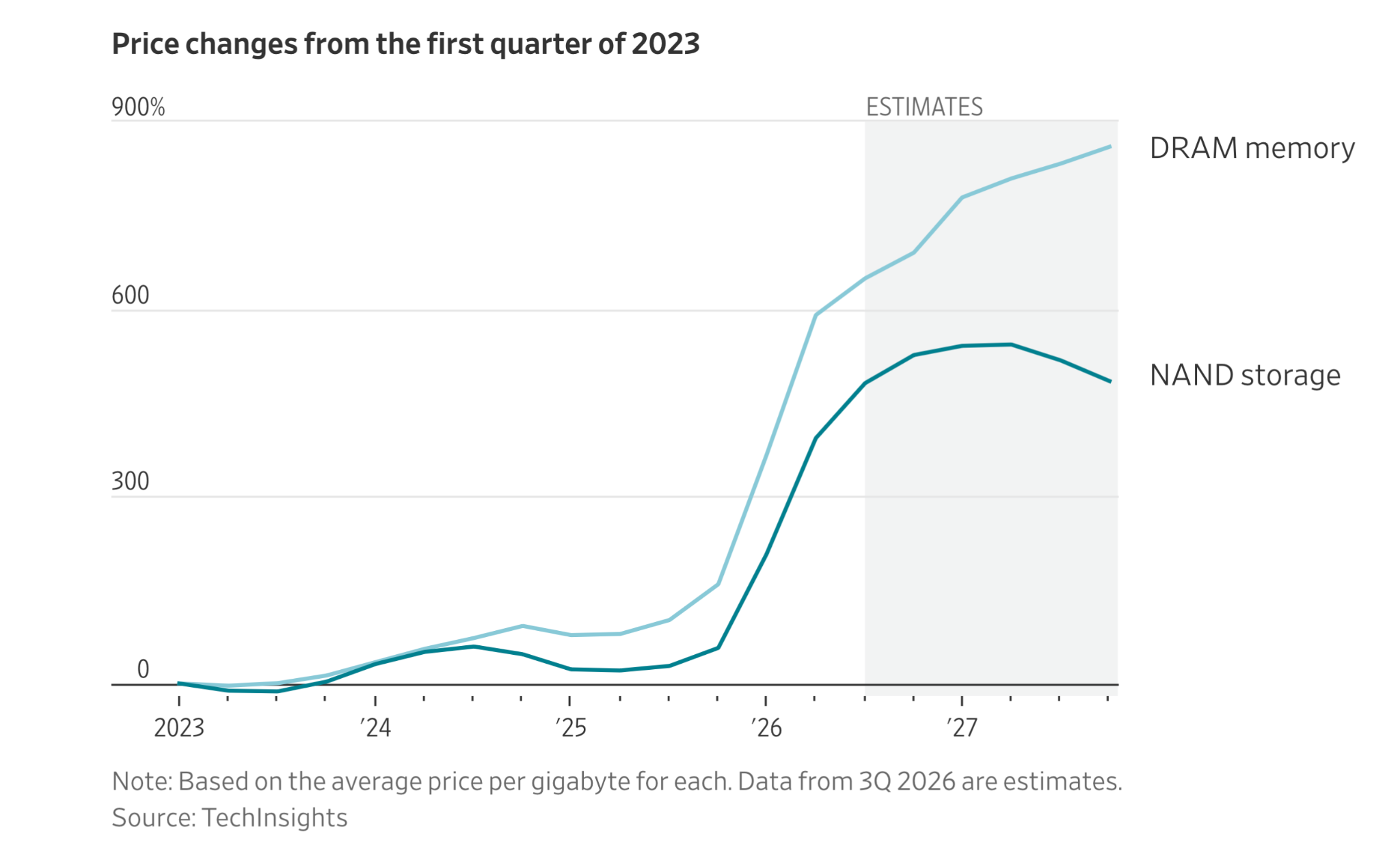
Research firm TechInsights estimates the situation will not resolve quickly. Prices for both memory and storage are expected to continue rising into 2027. Morgan Stanley adds important context: while DRAM wafer production capacity is forecast to grow around 30% by 2027, that expansion is being absorbed almost entirely by AI demand. For consumer technology, the firm projects supply will fall up to 15% short of demand. Some suppliers have reportedly paused issuing new price quotes altogether, a rare signal that they expect prices to move higher still.
Cook described the episode as a “hundred-year flood”: a supply dislocation unlike anything he had seen across more than four decades in the electronics industry, spanning IBM, Compaq, and Apple.
Is Apple’s Pricing Power Strong Enough to Survive a Semiconductor Supercycle?
Traders focused on margin dynamics should pay close attention to the cost pass-through arithmetic. TechInsights estimates that maintaining Apple’s current profit margins on its next iPhone Pro model would require adding approximately $270 to the device’s price. This goes far beyond a routine adjustment — it could represent a fundamental shifting of the cost structure for Apple’s most critical revenue driver, landing at a time when consumer discretionary spending is already under severe pressure.
The broader context reinforces the pressure, as global average selling prices for smartphones are expected to rise roughly 20% in 2026, according to research firm Omdia, reaching an all-time high. In the PC segment, memory costs that historically represented 15 to 20% of total bill-of-materials have surged toward 30 to 40%, according to TechInsights analyst Mike Howard. Margins in consumer hardware, he notes, are simply not deep enough to absorb increases of that scale.
For Apple specifically, the issue has a compounding dimension. The company has long used incremental NAND storage upgrades as a high-margin upsell, charging $100 to $200 premiums for additional storage tiers that cost a fraction of that to produce. As NAND prices rise, that margin engine becomes less efficient. At the same time, Apple’s AI ambitions, including the rebooted Siri (Siri AI) announced recently, require more DRAM per device, not less, pushing memory content costs higher just as the price per unit is surging.
Cook indicated Apple is willing to deploy its balance sheet to help secure supply, though the company faces a structural disadvantage. AI hyperscalers are locking up multi-year allocations through three-to-five year prepayment agreements that Apple, with its historically disciplined capital allocation approach, is unlikely to match at scale. Apple spends in the low tens of billions of dollars annually on memory and storage — making it one of the largest buyers in the world — but that heft, which once gave it pricing leverage, no longer guarantees preferential access.
The Intel Wildcard
Into this picture enters a development that could reshape Apple’s supply chain calculus over the medium term. According to President Trump, Apple and Intel have struck a preliminary manufacturing agreement, a move the administration quickly framed as a cornerstone victory for its domestic semiconductor reshoring agenda. Intel shares have risen fourfold since the U.S. government took a 10% stake in the company last year, and the Apple partnership follows earlier commitments from Nvidia and Elon Musk’s Terrafab project.
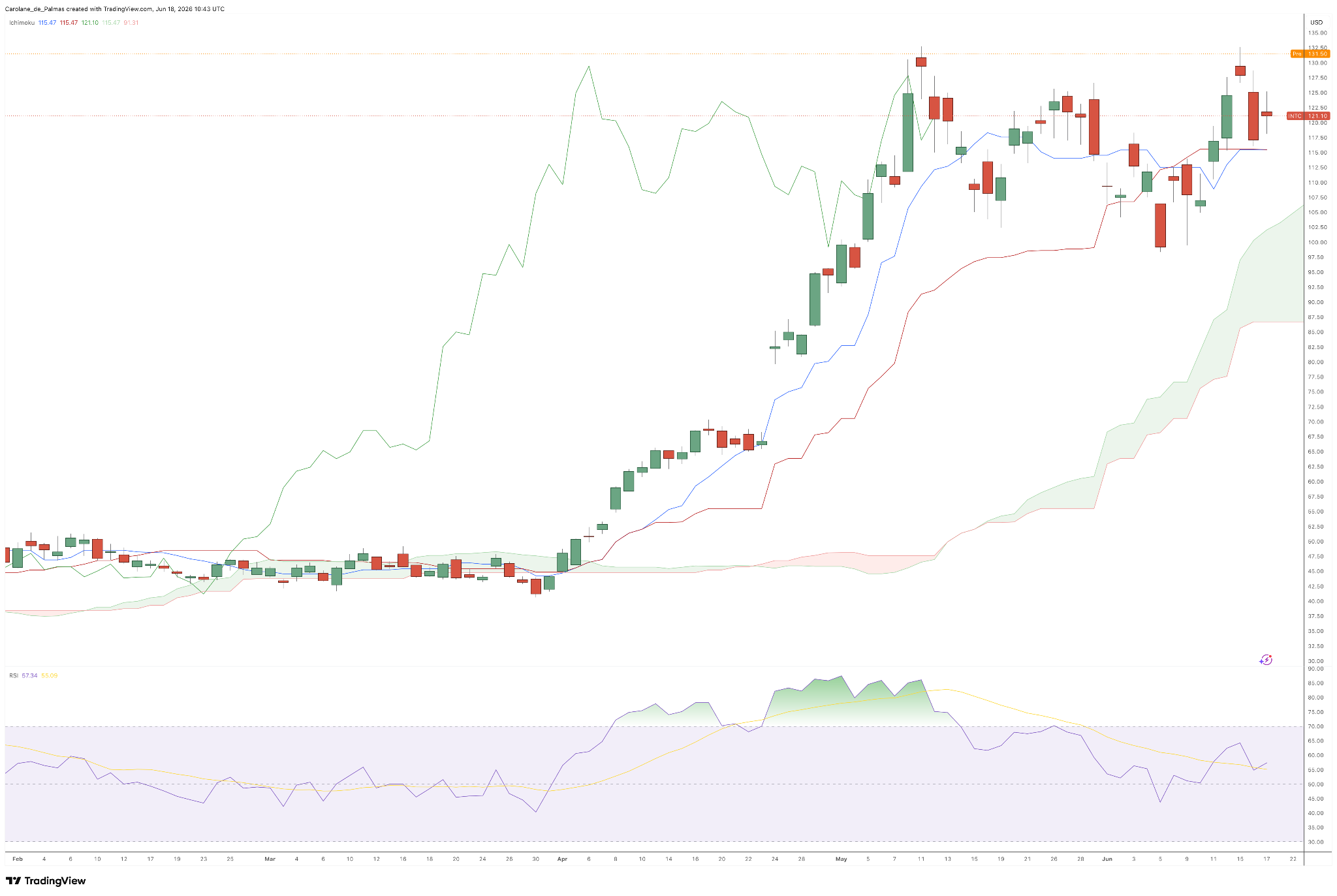

Is the Memory Chip Crisis Priced Into AAPL or Is the Market Missing the Depth of the Problem?
The bear case centers on demand destruction. A $270 increase on an iPhone Pro model is not negligible even for Apple’s affluent customer base, particularly in a global environment where average smartphone prices are already rising. Any indication of softening iPhone 18 preorder demand, or a downward revision to gross margin guidance at the next earnings call, could weigh meaningfully on the stock price.
The bull case rests on two pillars. First, Apple’s balance sheet gives it options — whether that means securing supply through prepayments, absorbing some cost increases to protect volume, or investing in longer-term foundry relationships. Second, the Siri AI upgrade cycle represents a genuine hardware replacement catalyst. If Apple can position the iPhone 18 as the first fully capable on-device AI handset, the premium pricing may prove more defensible than the headline numbers suggest.
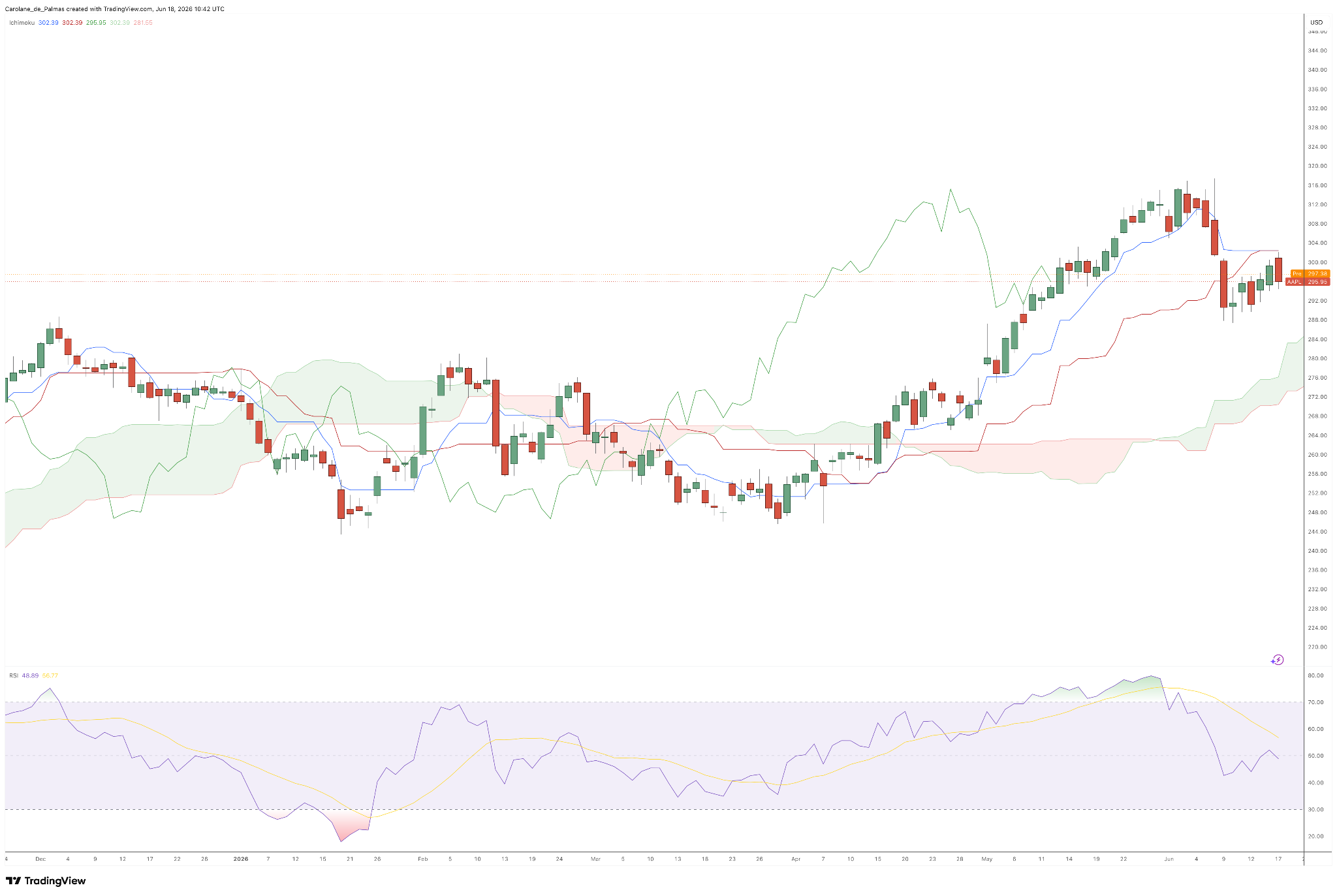
September’s iPhone 18 launch will be the key near-term data point, with pricing decisions for the Pro lineup likely to test consumer price elasticity in real time. Any revision to gross margin guidance in the Q3 earnings release and commentary from Cook on memory cost trajectory will move the stock. Traders should also monitor DRAM spot prices and any formal confirmation of the Apple-Intel manufacturing agreement, which would shift the long-term supply narrative materially.
Sources: Reuters, BBC, Apple, The Wall Street Journal, CNBC