



The Setup
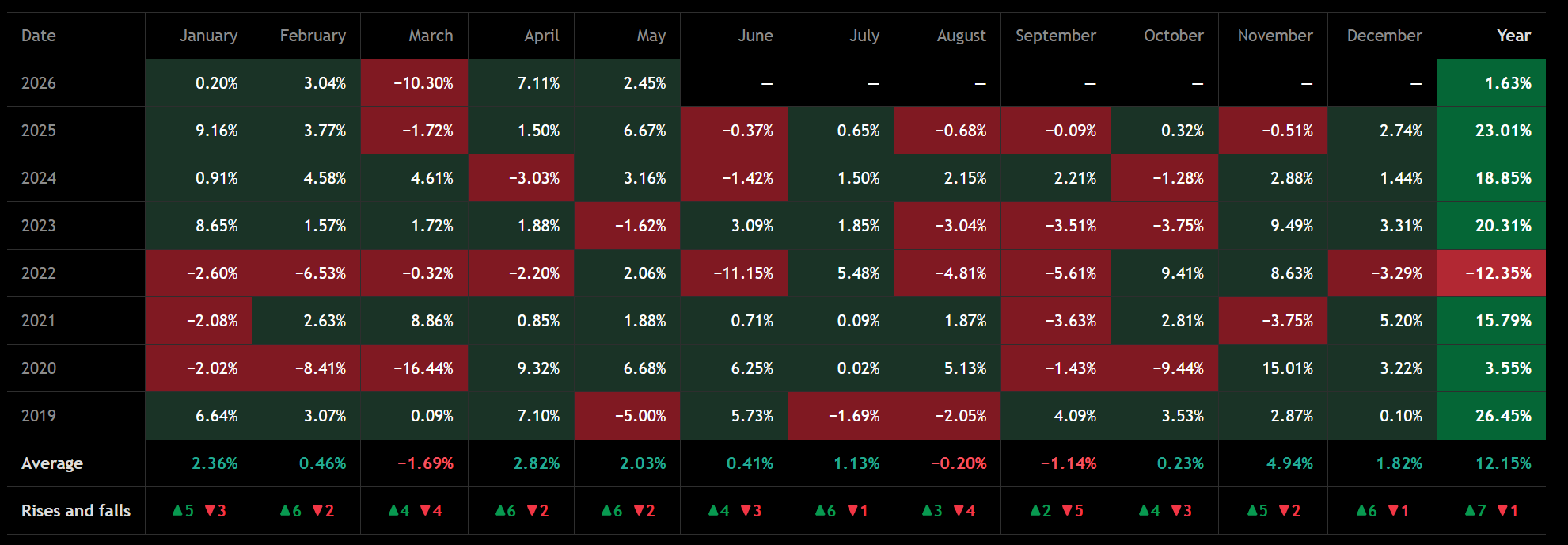
For 2025, most of the traders and investors were focused on US tech, AI and AI demand. However, they did miss out on a 23% move in the DAX. Indeed, hindsight is 20/20 so some are now repositioning themselves back into European space, particularly in Germany.
Looking at the macro environment for 2026, it illustrates a low-growth floor for the EU and Germany. But sometimes stability is good. Especially coming from the fiscal and political uncertainty emanating from the US these days.
Goldman Sachs modeled a 1.1% German GDP growth, and the ECB projects 0.9%. You know when you look at it, growth below 1% sounds really bearish. But considering where the ECB has anchored its rate around 2% and inflation still remains stable at 2% as well. So stability is good.


Industrial Data and Trade Shifts
We see German capital goods production has risen 4.9%. Additionally, the Truck Toll Mileage Index and VDA vehicle production both gained over 3%. Things are happening in Germany.
Then there’s Siemens Energy. Their Q2 2026 report showed an order backlog of EUR154 billion and a 1.72 book-to-bill ratio. When your orders are coming in nearly double you can bill them, You’re looking at a multi-year growth runway. Defense contracts are also contributing to this. Not just AI. This is hard state demand.
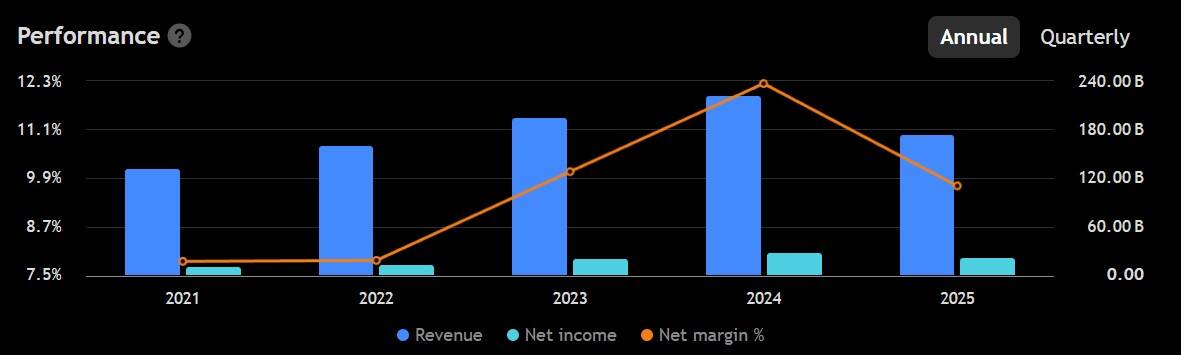
Moreover, China remains Germany’s top trading partner. When looking at total 2025 volume, it hit EUR 251.8 billion. Trade with China grew 2.1%, while trade with the US fell 5%. German firms have shifted more eastward, executing a localization strategy in China, focusing on Renewable Energy, Embodied AI, and Biotechnology. This insulates DAX components from US tariff threats.
Valuations
The DAX looks cheap. It has historically traded at a discount to US markets and it still is. It’s trading at a 36% discount to the S&P 500 Index on a fore P/E basis. Also when we look at the Shiller P/E relative to the DAX, it is at a 47% discount. Moreover, US valuations are trading at a 2.7x premium to German book value. There’s a 3.3% dividend yield on the DAX, offering a 195 bps premium to the S&P 500 Index. From almost every angle it is clear, there’s a buying opportunity here.
DAX Price Forecast
Every new DAX analysis as it publishes, today's technical signal and key levels, live price — on one page.
See all DAX forecastsValuation Comparison Table highlighting the DAX’s historical discount relative to the S&P 500
| Valuation Metric | S&P 500 Index (US Large Cap) | DAX 40 Index (Germany) | Relative Spread / Discount |
|---|---|---|---|
| Forward P/E (Next 12 Months) | 19.8x | 12.6x | DAX trades at a 36% discount to the S&P 500 Index. |
| Trailing P/E (Last 12 Months) | 23.4x | 14.2x | DAX trades at a 39% discount. |
| Shiller P/E (CAPE Ratio) | 31.5x | 16.8x | DAX trades at a 47% discount relative to long-term real earnings. |
| Price-to-Book (P/B) Ratio | 4.3x | 1.6x | US valuations command a 2.7x multiple premium over German book values. |
| Dividend Yield | 1.35% | 3.30% | DAX offers a 195 bps yield premium over the S&P 500. |
A data table comparing valuation metrics like Forward P/E, Trailing P/E, Shiller P/E, P/B Ratio, and Dividend Yield between the S&P 500 and the DAX 40, showing deep discounts for the DAX.
Source: FactSet Earnings Insight ,Deutsche Börse Group / Börse Frankfurt ,Siblis Research & STOXX Ltd ,StarCapital AG / Huber, Reuss & Kollegen,Wall Street Journal (WSJ) Markets Data Bank ,J.P. Morgan Asset Management (Guide to the Markets
Risk Factors
You should also evaluate the risks involved in considering diversifying into the DAX. You can’t just go in blindly. Some risks include:
- Middle East: The Strait of Hormuz handles 20% of global oil and 20% of global LNG. Disruption guarantees an energy inflation spike.
- US Tariffs: US trade policy acts as a direct tax on German auto exports.
- Insolvencies: Corporate insolvencies rose 8.7% in late 2025 to 2,108 filings. Contagion to the Mittelstand remains a threat.
DAX Trading Strategy
To take advantage of the moves in the DAX you can day trade it using Range Charts.
With range charts you can remove time, the x-axis, entirely and operate on a more price-centric paradigm. It is the Western version of Renko charts, where a new bar only forms after the market moves a fixed, predefined distance.
In day trading, this non-temporal framework acts as a noise filter and saves your strategy from false reversal signals during flat or low-liquidity hours. Furthermore, because every bar is the exact same height, it standardizes your risk-per-bar, allowing for highly accurate stop-loss placement and clinical position sizing.
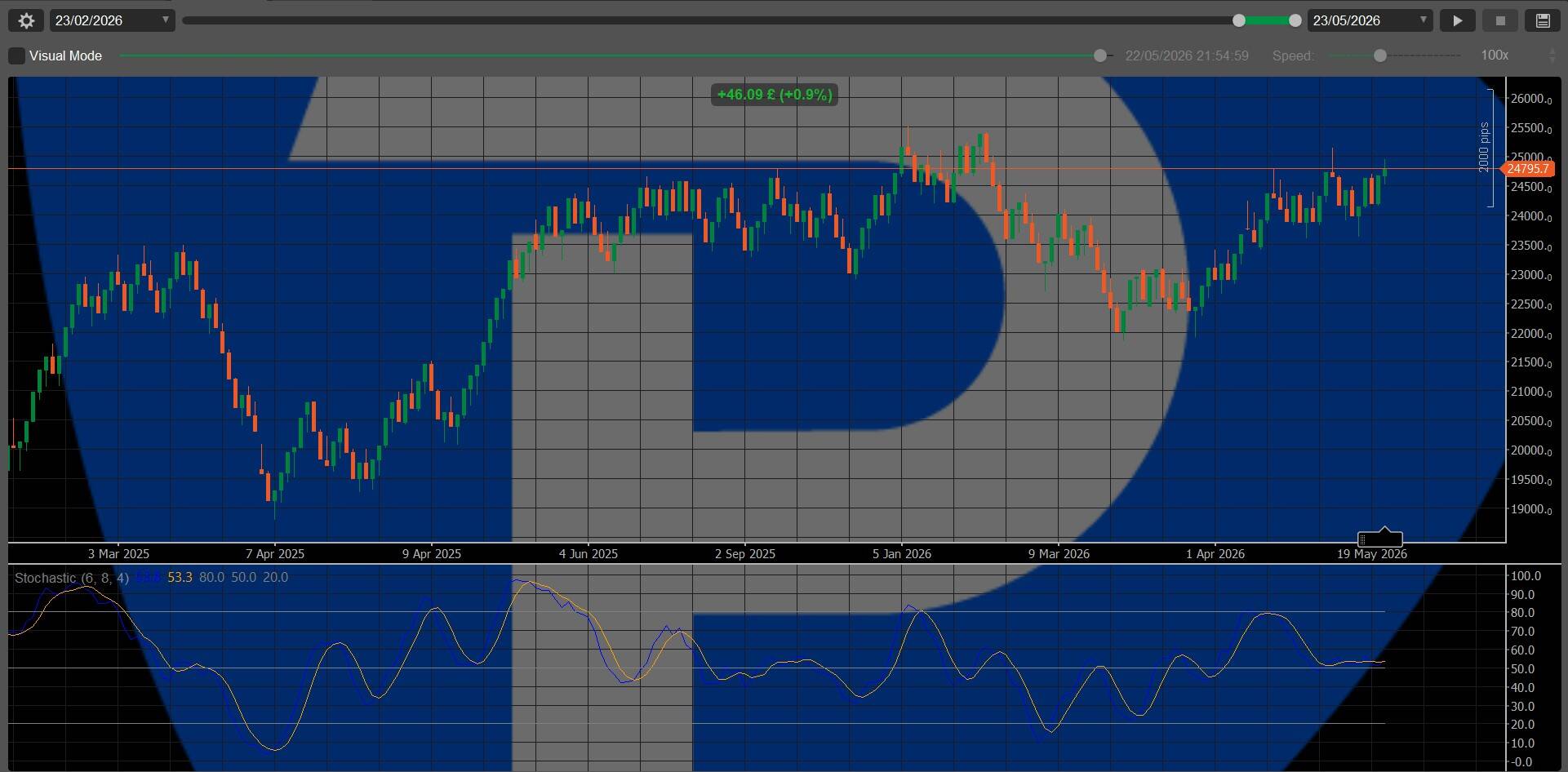
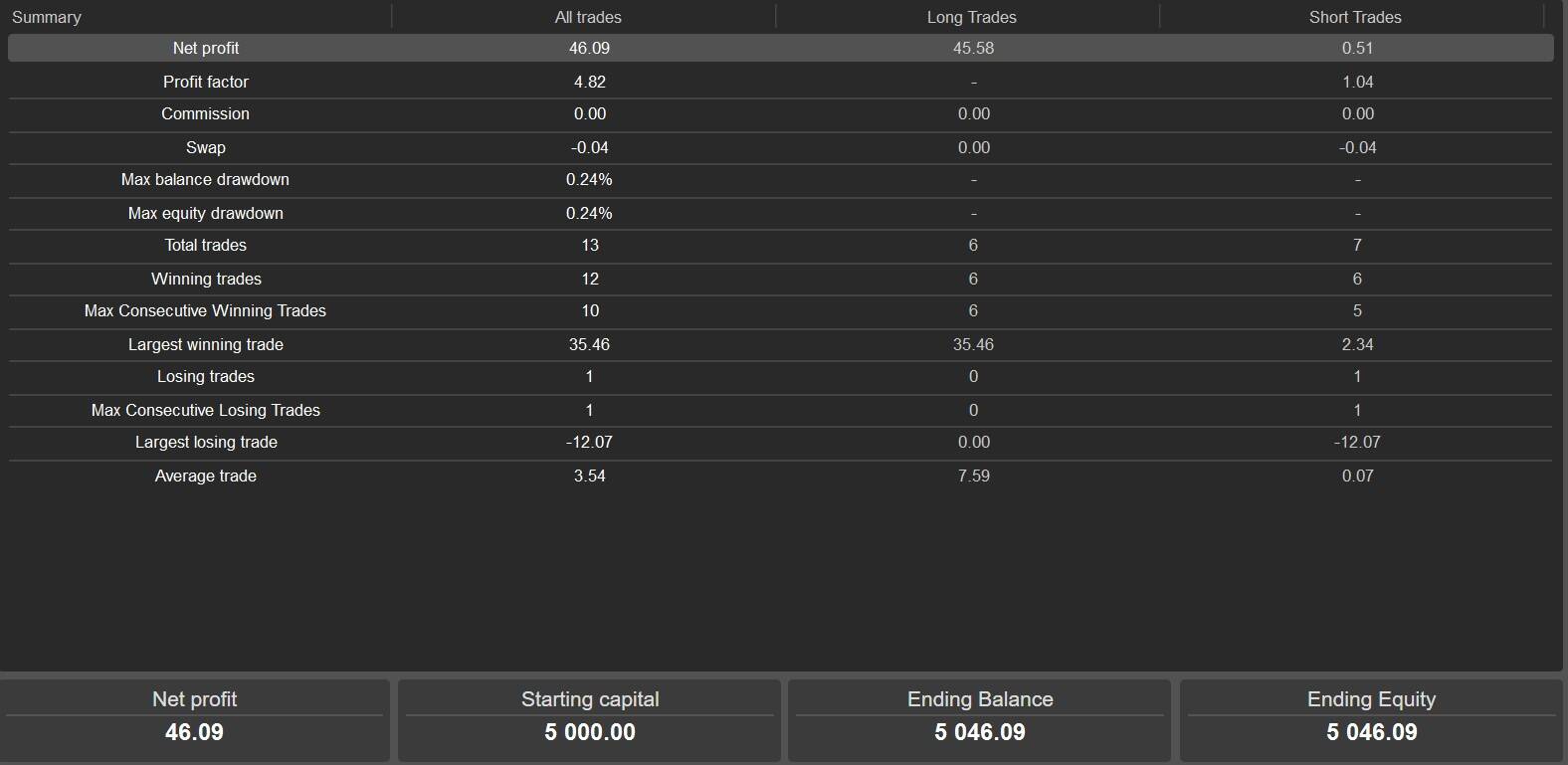
I am currently using a Range Chart strategy on the DAX via the Stochastic Indicator. Here are the backtested results below.
Range Chart Setup For The DAX Trading Strategy, Utilizing The Stochastic Indicator For Precise Momentum Entries
Verdict
Traders and investors should consider taking long positions in the DAX. There’s cheaper valuations, higher yields, solid industrial demand and even a rotation to securities outside the US. There’s more room to run for Germany and the DAX, with the diversification trade in play.


