
US stock futures dipped in early trading on Friday, January 9, as traders braced for the all-important US jobs report.
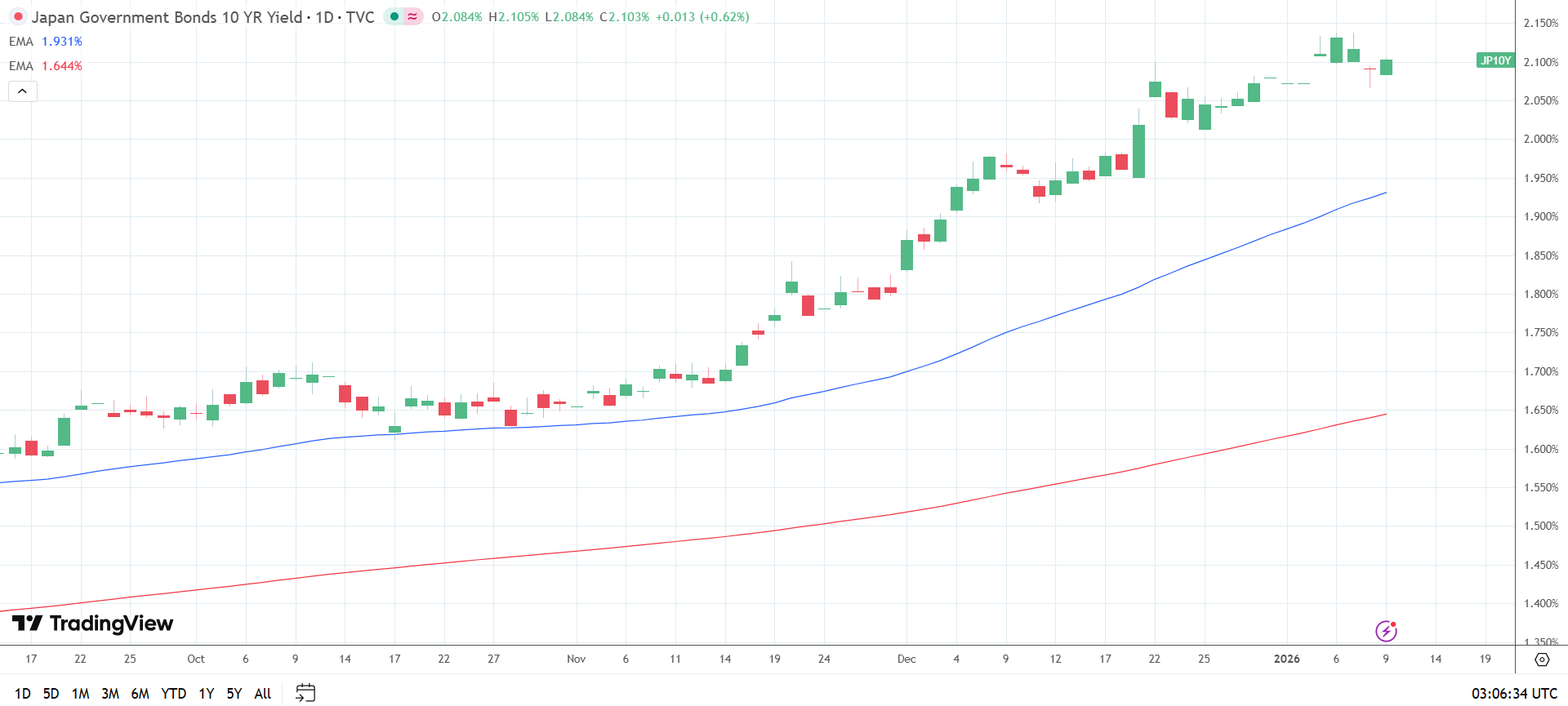
Japanese economic indicators added to the bearish sentiment, as household spending rebounded in November, supporting further Bank of Japan rate hikes. Notably, 10-year Japanese Government Bond (JGB) yields climbed higher in response to the data.
Meanwhile, the US jobs report will be in focus later in the Friday session as expectations of a March Fed rate cut waver on strong US Services PMI data. Weaker-than-expected labor market data would likely raise bets on a March cut, supporting the bullish outlook for US equity futures.
Below, I’ll outline the key market drivers, the medium-term outlook, and the key technical levels traders should watch.

Japan’s Household Spending Rebounds, Keeping Rate Hike Bets Alive
Japanese household spending surged 6.2% month-on-month in November, rebounding from October’s 3.5% drop. The sharp pickup in spending signaled an upswing in economic momentum, given that private consumption accounts for around 55% of Japan’s GDP. Furthermore, consumer spending fuels demand-driven inflation, supporting a more hawkish BoJ rate path.
The household spending figures followed softer-than-expected wage growth data from the previous session. However, economists and the BoJ expect wage growth to pick up on strong corporate profits. Higher wages and consumption would align with BoJ Governor Kazuo Ueda’s support for further hikes if the economy and prices align with the Bank’s forecasts.
However, a weaker Japanese yen limited the impact of the household spending numbers on risk assets. USD/JPY rose 0.21% to 157.156, sending the Nikkei 225 up 0.63%.
Dow Jones Price Forecast
Every new Dow Jones analysis as it publishes, today's technical signal and key levels, live price — on one page.
See all Dow Jones forecasts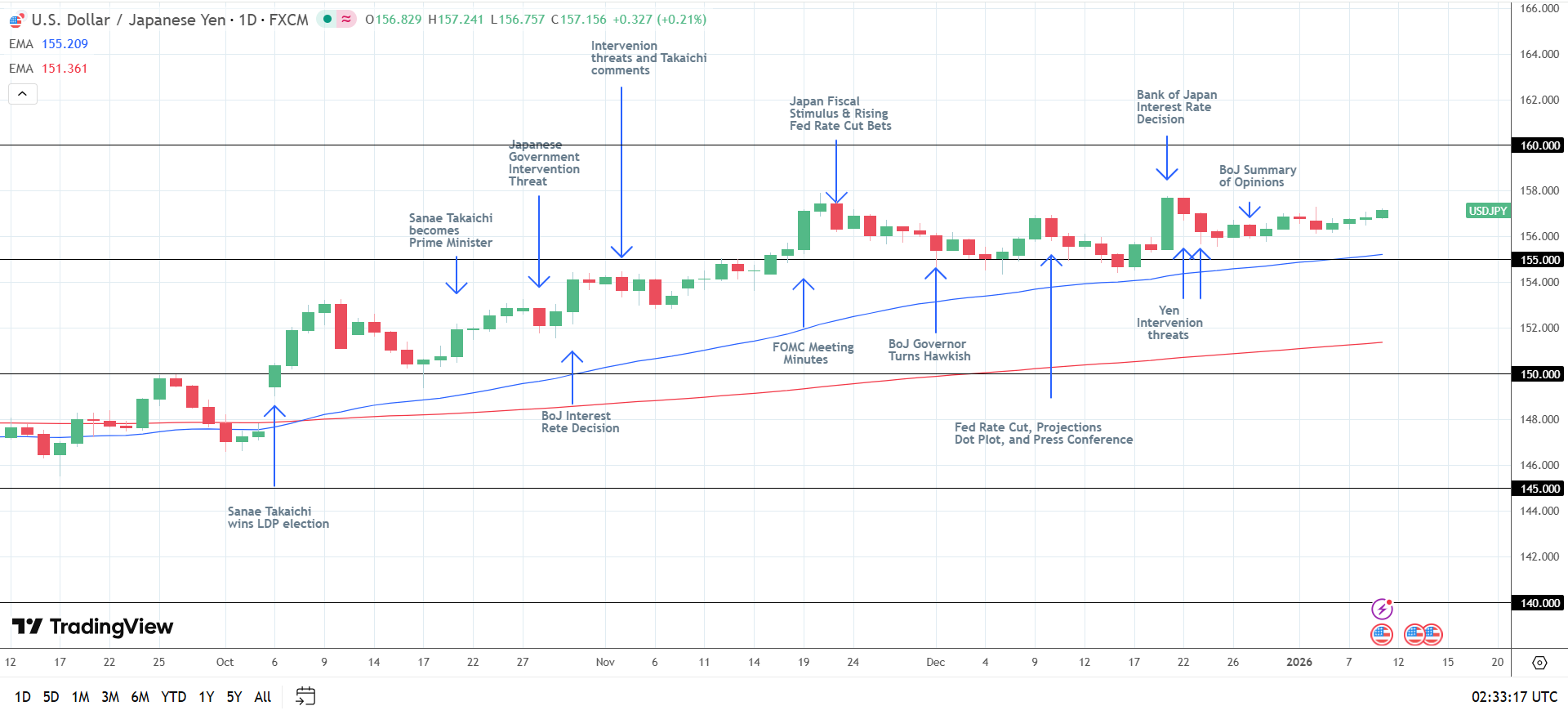
US Jobs Report and Fed Rate Cut Bets
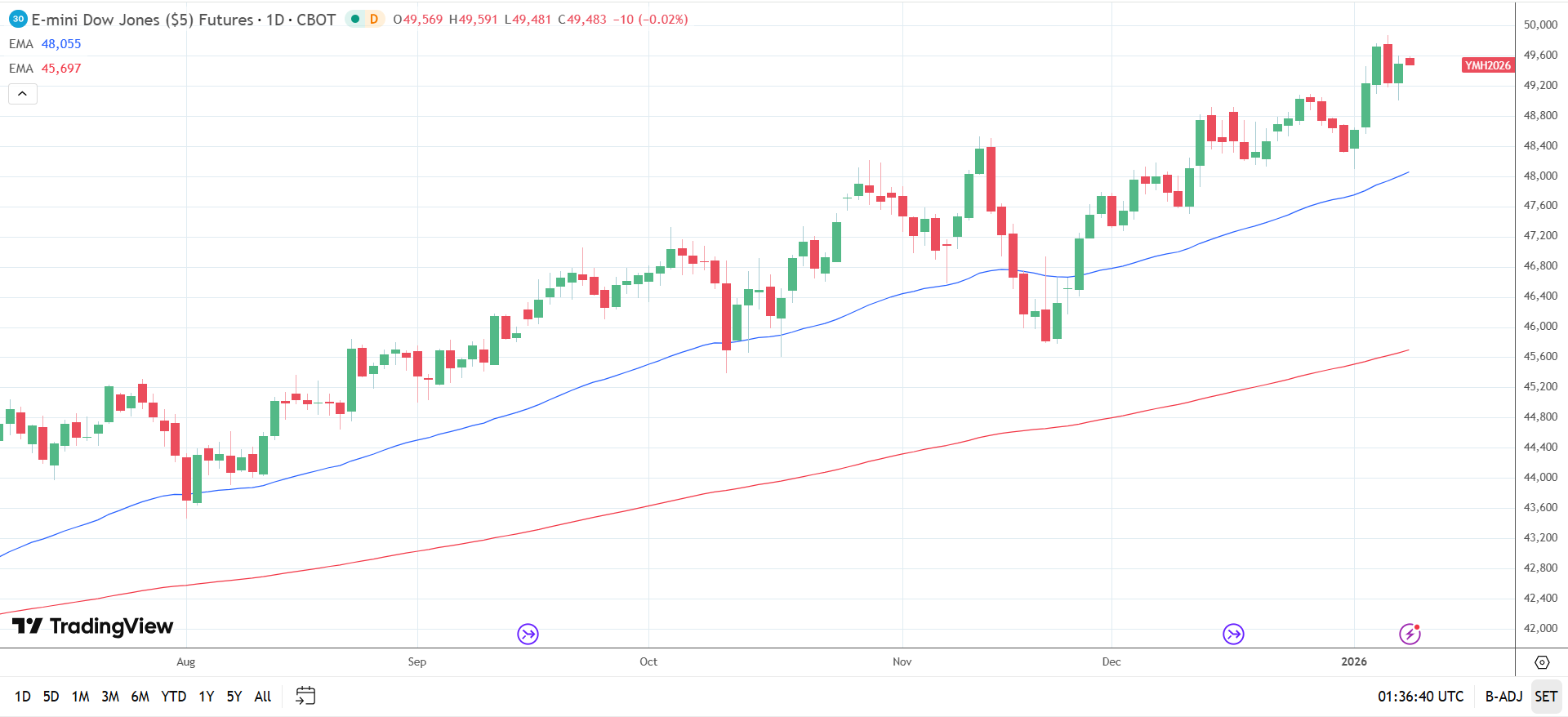
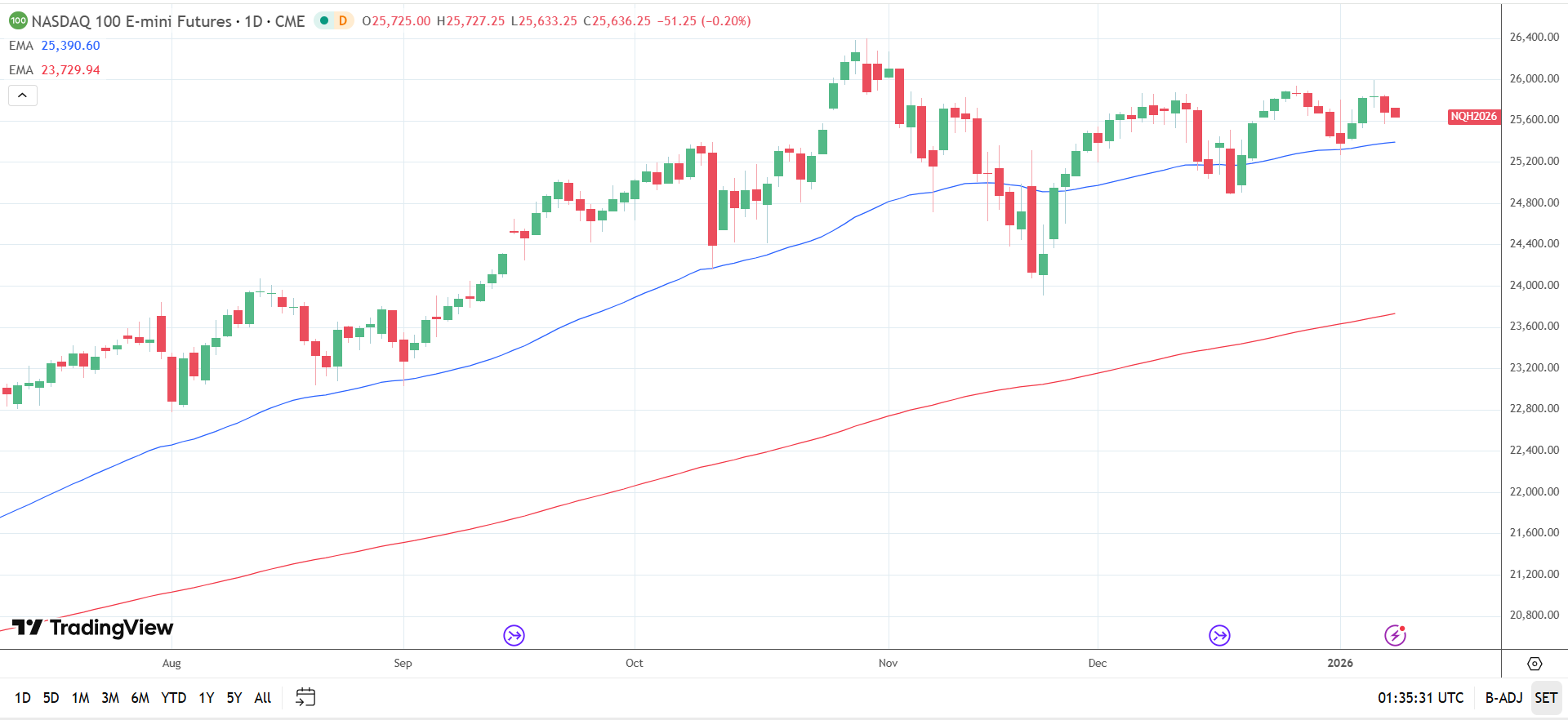
US futures posted losses during the Asian morning session on Friday, January 9, following the previous day’s mixed session. The Nasdaq 100 E-mini and the S&P 500 E-mini dropped 51 points and 6 points, respectively, while the Dow Jones E-mini declined 10 points.
Later Friday, the US jobs report will influence the Fed rate path and demand for US stock futures. Economists expect unemployment to fall from 4.6% in November to 4.5% in December, with wage growth predicted to rise 3.6% year-on-year, up from 3.5% in November.
Weaker-than-expected wage growth and steady or higher unemployment would likely increase expectations of a March Fed rate cut, boosting demand for US equity futures. Typically, lower borrowing costs improve corporate earnings and raise equity valuations, lifting buyer demand.
Beyond the jobs report, traders should closely monitor Fed speeches. Reactions to the labor market data and views on the timing of rate cuts will affect risk appetite.
According to the CME FedWatch Tool, the chances of a March Fed rate cut fell from 43.2% on January 7 to 41% on January 8. Currently, the CME FedWatch Tool is indicating a 72.8% probability of a June cut.
Increased bets on an earlier rate cut would support the cautiously bullish near-term and bullish medium-term price outlook.
Key Technical Levels for Dow Jones, Nasdaq 100, and S&P 500
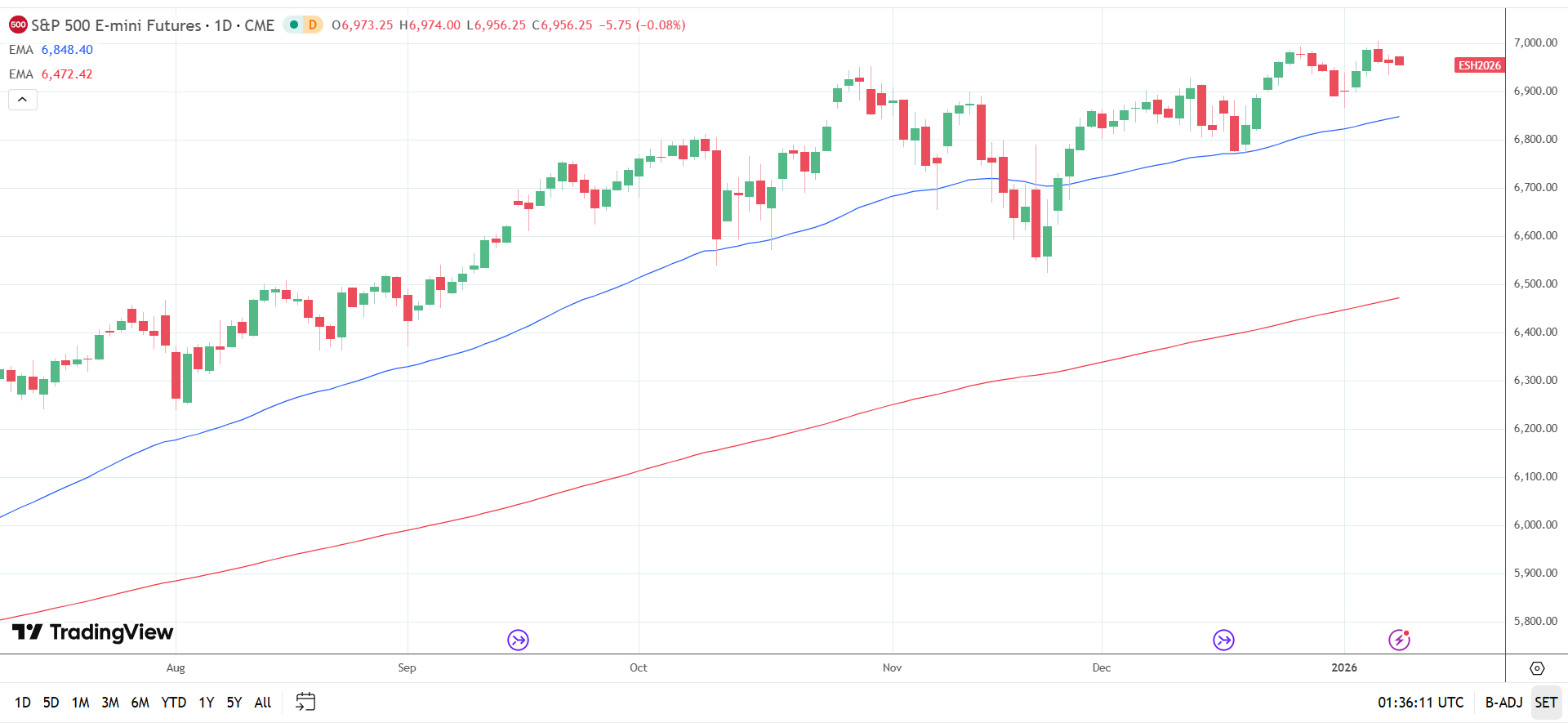
Despite the morning losses, the Dow Jones E-mini, the Nasdaq 100 E-mini, and the S&P 500 E-mini traded above their 50-day and 200-day EMAs. The EMAs indicated a bullish short- to medium-term outlook, aligning with positive fundamentals.
Near-term trends will hinge on geopolitical news, US labor market data, and Fed chatter. Key levels to monitor include:
Dow Jones
- Resistance: the January 7 record high of 49,876, and then 50,000.
- Support: 49,000 followed by the 50-day EMA (48,055).
Nasdaq 100
- Resistance: 26,000 followed by the October 30 record high of 26,399.
- Support: the 50-day EMA (25,391) and then 24,500.
S&P 500
- Resistance: the January 7 high of 7,007, followed by 7,500.
- Support: the 50-day EMA (6,848) and then 6,500.
Bullish Medium-Term Outlook: US Jobs Report and the Fed
In my opinion, the short-term price outlook is cautiously bullish amid hopes for a March Fed rate cut and strong corporate earnings. These fundamentals align with positive technicals. Furthermore, speculation about the incoming Fed Chair being willing to accept elevated inflation and lower interest rates reaffirms the constructive medium-term bias.
However, several events would unravel the bullish medium-term outlook, including:
- The Bank of Japan declares a hawkish neutral interest rate (1.5%-2.5%), signaling a narrower US-Japan rate differential. Narrower differentials may lead to a yen carry trade unwind.
- Strong US labor market data and hawkish Fed chatter are tempering bets on a Fed rate cut.
- Geopolitical tensions escalate.
Conclusion: Bullish Outlook Intact
In summary, a resilient US economy, a dovish Fed policy stance, AI-related earnings, and a dovish BoJ neutral rate support a cautiously positive short-term and a bullish medium-term outlook for US stock futures.
However, traders should monitor 10-year JGB yields, USD/JPY trends, and the Nikkei 225. Threats of a yen intervention and hawkish BoJ rhetoric may fuel concerns about a yen carry trade unwind. Key levels to watch include a USD/JPY drop below 150 and 10-year JGB yields climbing to new highs. These levels would likely send the Nikkei 225 lower, weighing on buyer appetite for US risk assets.
Despite ongoing bets on BoJ hikes, US stock futures are likely to target new highs, with corporate earnings and the Fed being the key price drivers.
Follow our live coverage and consult the economic calendar for real-time market updates.