US Dollar Remains Weak
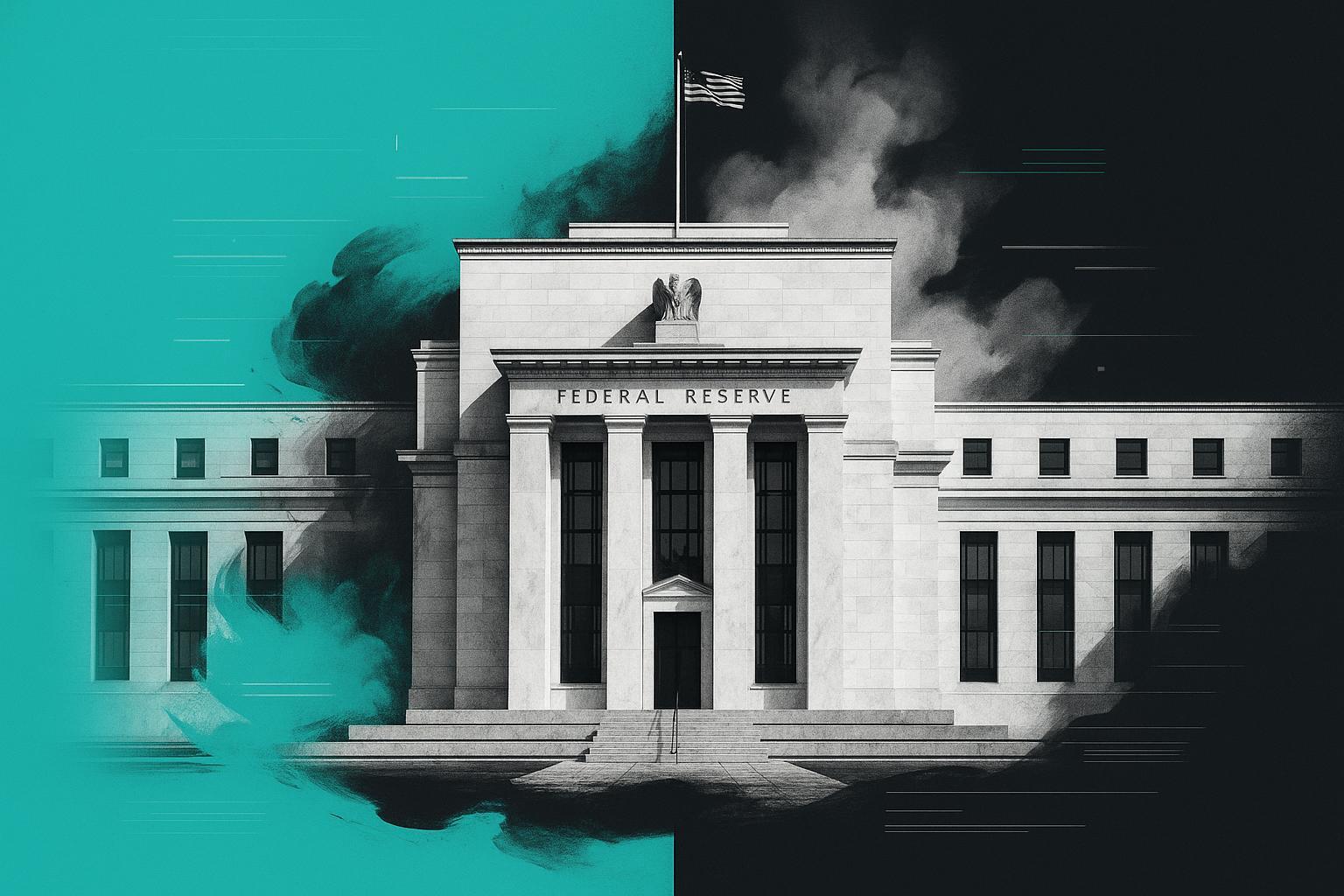
On Tuesday, the US Dollar fell against other major currencies even as various Federal Reserve officials hinted that the Fed might be stepping closer to begin tapering its bond-purchase program later this year. Chicago Federal Reserve Bank President, Charles Evans, who is also a voting member of the Federal Open Market Committee, pointing to better economic fundamentals said that US Fed is “quite likely” to begin reducing its asset purchases before the end of the year. Separately, Atlanta Federal Reserve President, Dennis Lockhart, pointed that the announcement to start curtailing Fed Reserve’s monetary stimulus could be announce at any of the three remaining FOMC meets this year. Also comments by Richard Fisher, President Federal Reserve Bank of Dallas, hinted that Fed is closing towards tapering of its $85 billion bond-buying program.
Even a better than expected US trade deficit for the month of June failed to provide any relief for the US Dollar. According to the report released by the US Commerce Department on Tuesday, US trade deficit in June plunged to the lowest level since October 2009 to $34.2 billion in June, narrowing significantly from a revised $44.1 billion deficit in May (revised down from $45.0 billion previously reported). Economists had expected the trade gap for the month of June to narrow to $43.1 billion.
Supportive Data from Euro-zone and UK
Earlier on Tuesday, upbeat economic data from Euro-zone and UK also supported Euro and British Pound. Data released on Tuesday showed German factory orders in June climbed significantly and Italian GDP contracted less than expected in the second quarter of 2013. Further, Wednesday’s data showed June industrial production in Germany, Euro-zone’s largest economy, jumped significantly by 2.4% from previous month, surpassing analysts’ expectation for a increase of 0.3%.
Meanwhile, after two consecutive month of declines, UK manufacturing production moved back into positive territory and jumped 1.9% for the month of June, beating expectations for a gain of 0.9%.
On Wednesday, the Bank of England (BoE) released its guidance on its future monetary policy decisions, saying not to raise its key lending rate from its current level at a record low of 0.5% and not to reduce the Asset Purchase Facility that currently stands at 375 billion Pounds until the unemployment rate falls below a threshold of 7%. After the announcement, GBP fell sharply towards 1.5200 against USD before recovering back above 1.5400 mark amid highly volatile move.
Elsewhere, the Reserve Bank of Australia, as was widely expected, lowered its benchmark interest rate by 25 basis points to a record low of 2.50%. Other economic releases that could affect Australian dollar includes Australian employment report that is scheduled for release on Thursday and is expected to show an addition of 6.2 K jobs in the month of July, down from 10.3 K new jobs in June. Further, the unemployment rate for the month of July is also expected to have moved higher to 5.8 from 5.7% recorded in June.
Chinese Data in Focus

A series of economic data from the world’s second-largest economy, China, will be back in focus for the rest of the week. Important data, scheduled for release this week, includes Chinese trade and inflation data. Analysts expect Chinese Trade Balance data for July, scheduled for release on Thursday, to come-in at 26.2 billion dollars, down from 27.1 billion dollars in June. Further, the latest Consumer Price Index for July, scheduled for release on Friday, is estimated to stand at 2.8% versus 2.7% in June. Other economic releases from China include industrial production, fixed asset investment and retail sales numbers, all scheduled for release towards the end of the week on Friday.
- Recent flow of economic indicators specifically from the Euro-zone and UK have come-in better than expected, fueling optimism over the economic outlook and boosting demand for the Euro and GBP.
- However, lingering concerns over the prospects of Fed cutting the pace of its quantitative easing measures might continue to dent investor sentiment, thus capping any major upside for other major currencies and increasing appeal for a traditional safe-haven currency, US Dollar.