The most recent inflation statistics have caused a pivotal shift in market sentiment. Inflation is back on the upswing, energy prices are infecting the broader economy and the Treasury yields are rising above the key level as investors reassess Fed policy. The Trump-Xi meeting has created temporary sense of optimism that some deals may be made but the lack of confirmed agreements keeps uncertainty alive. This article provides a breakdown of the influence of inflation and U.S.-China trade sentiment on the U.S. dollar, Treasury yields, gold (XAU), silver (XAG), U.S. stocks, Nvidia Corp. (NVDA), Tesla, Inc. (TSLA) and Boeing Company (BA).

Inflation Risks Build as Energy Shock Spreads Through the Economy
Headline CPI Rises as Core Inflation Starts to Follow
The inflation data in April provides a clear warning. The data below shows that the headline CPI increased to 3.8% over the past 12 months in April. This is a strong move in one month and indicates that inflation is accelerating after a period of relative calm.
The core inflation also surged higher but at slower rate. As per the data, the core CPI increased to 2.8%. The monthly change in the inflation data shows this big move.
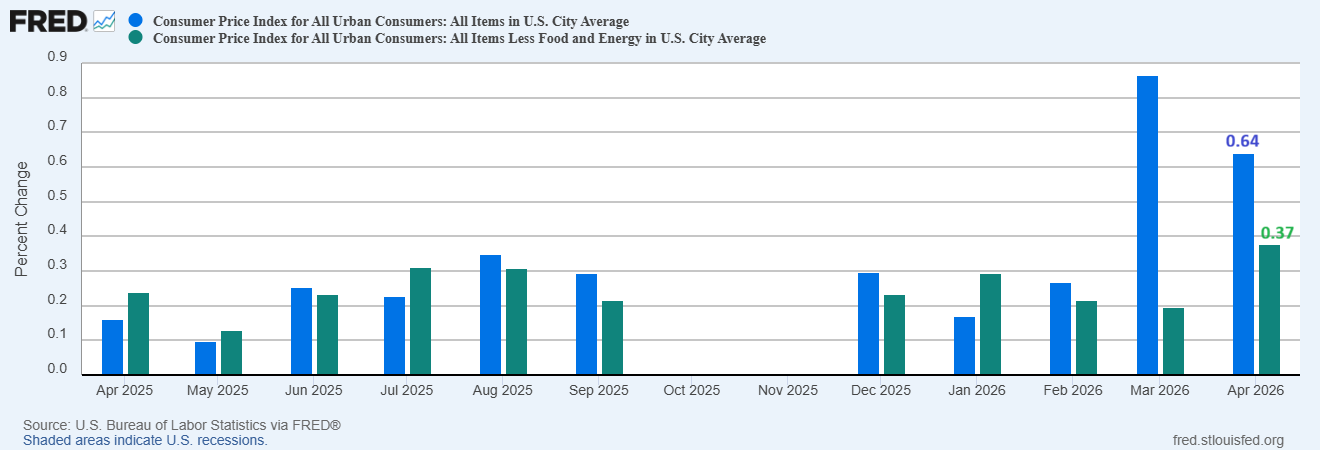
This gap between headline and core numbers is significant. This is due to the fact that core inflation reacts later as companies take time to pass higher fuel, transport and input costs to consumers.
This gap is important to notice during current market conditions as the energy prices continue to accelerate higher due to unresolved conflict between US and Iran.
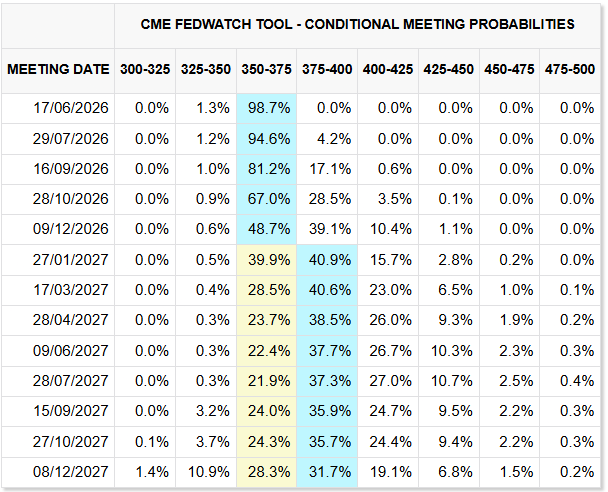
If oil prices remain above $100, then core inflation may continue to increase in the coming months. This surge in energy prices will make the inflation problem more relevant and will reduce the chances of any near term Federal Reserve rate cuts. According to the latest data from the FedWatch tool, the Fed does not expect to cut rates in 2026.
Gold Price Forecast
Every new Gold analysis as it publishes, today's technical signal and key levels, live price — on one page.
See all Gold forecastsEnergy and Producer Prices Signal More Inflation Ahead
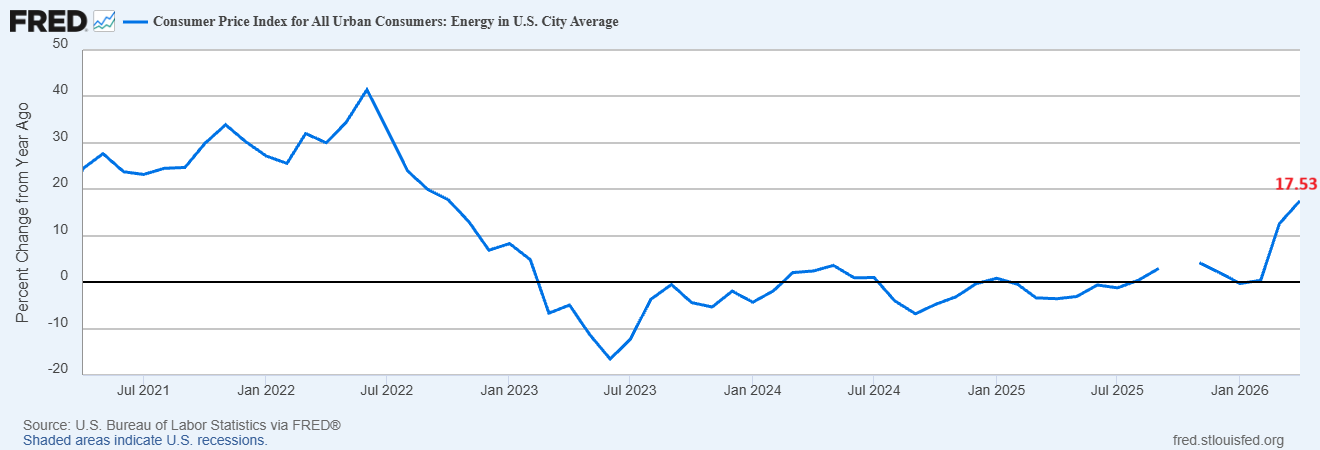
The energy prices are main driver of this shift. The energy CPI index has jumped to 17.53% as shown in the chart below. The increase in oil and gas prices raises the transport costs, production costs and utility bills. These costs then move across supply chains. The businesses first absorb part of the pressure but they pass it to consumers through higher prices.
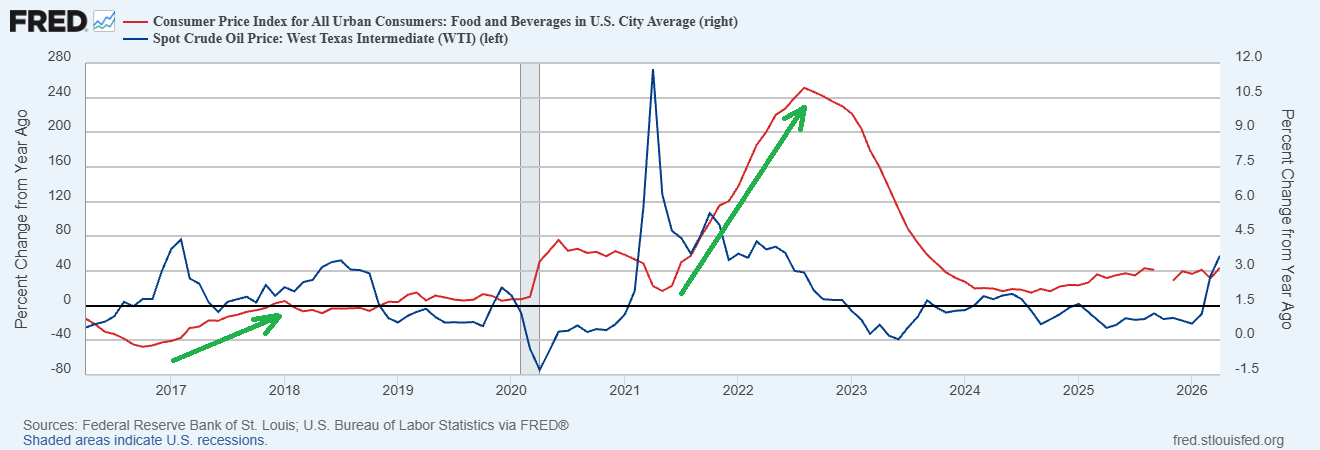
Therefore, the food inflation enters the economy with a significant lag as shown in the chart below. This is also confirmed by using the chart below which shows food prices take several months to reflect higher energy and transport costs. The higher fuel costs affect farming, shipping, refrigeration and packaging. This cycle suggests that the food inflation could surge in H2 2026 if energy prices remain elevated.
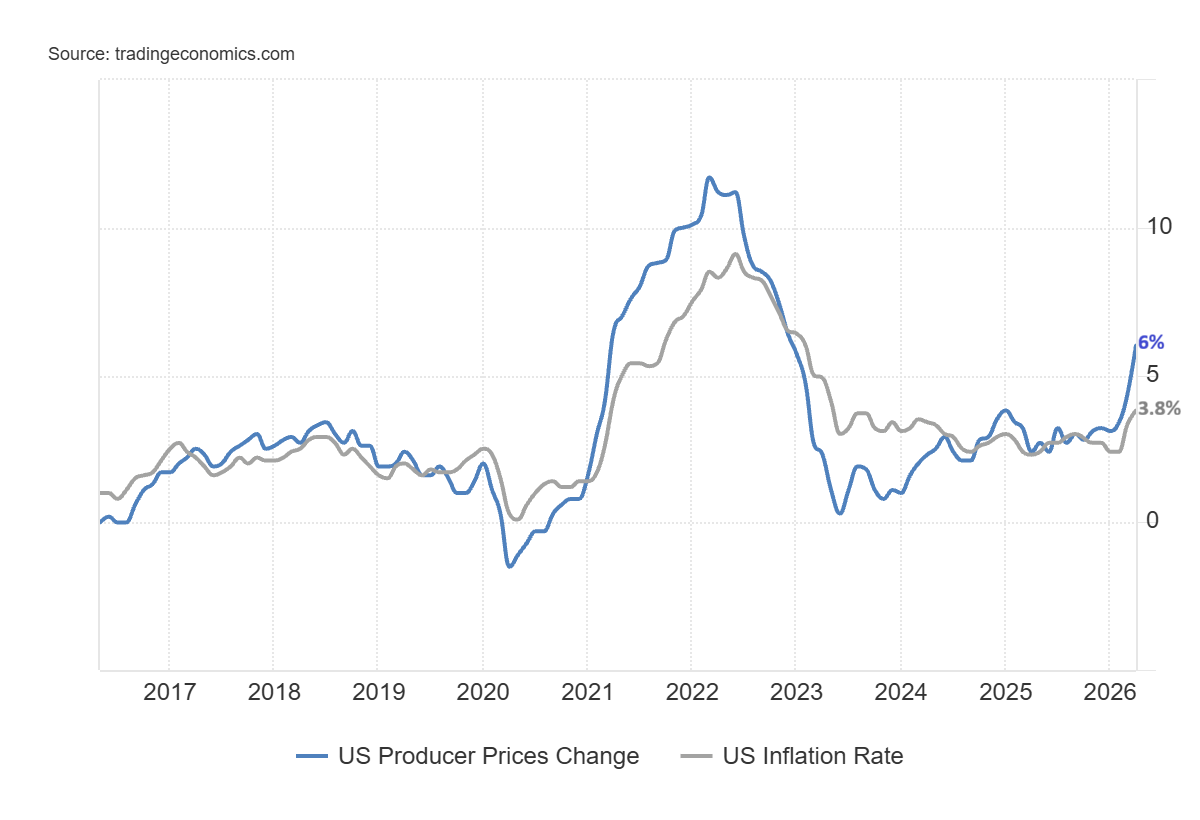
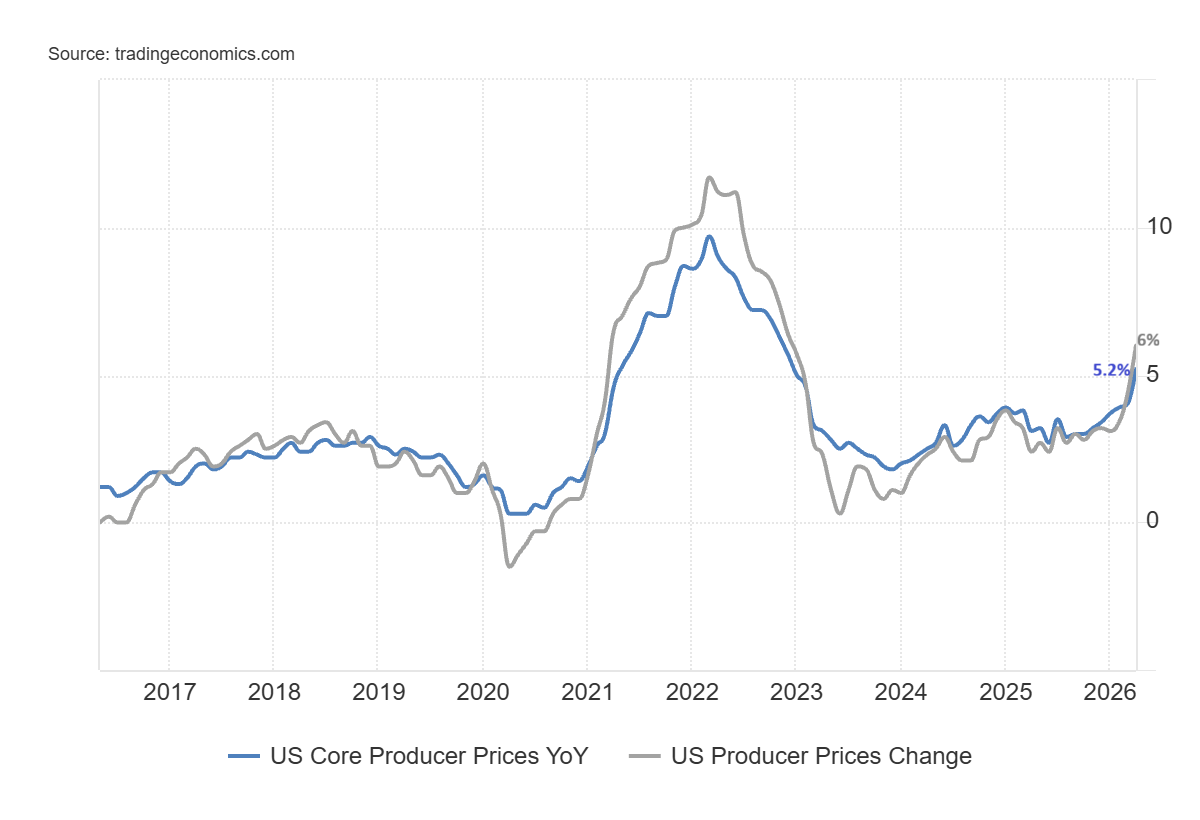
The producer price index tells the same story as the CPI. The chart below shows that the producer price index increased to 6% in April. While the core PPI increased to 5.2% which indicates higher business costs beyond those categories.
Goods prices were increasing at a greater rate than service sector prices, indicating that pressures on the supply chain from transportation are affecting physical products.
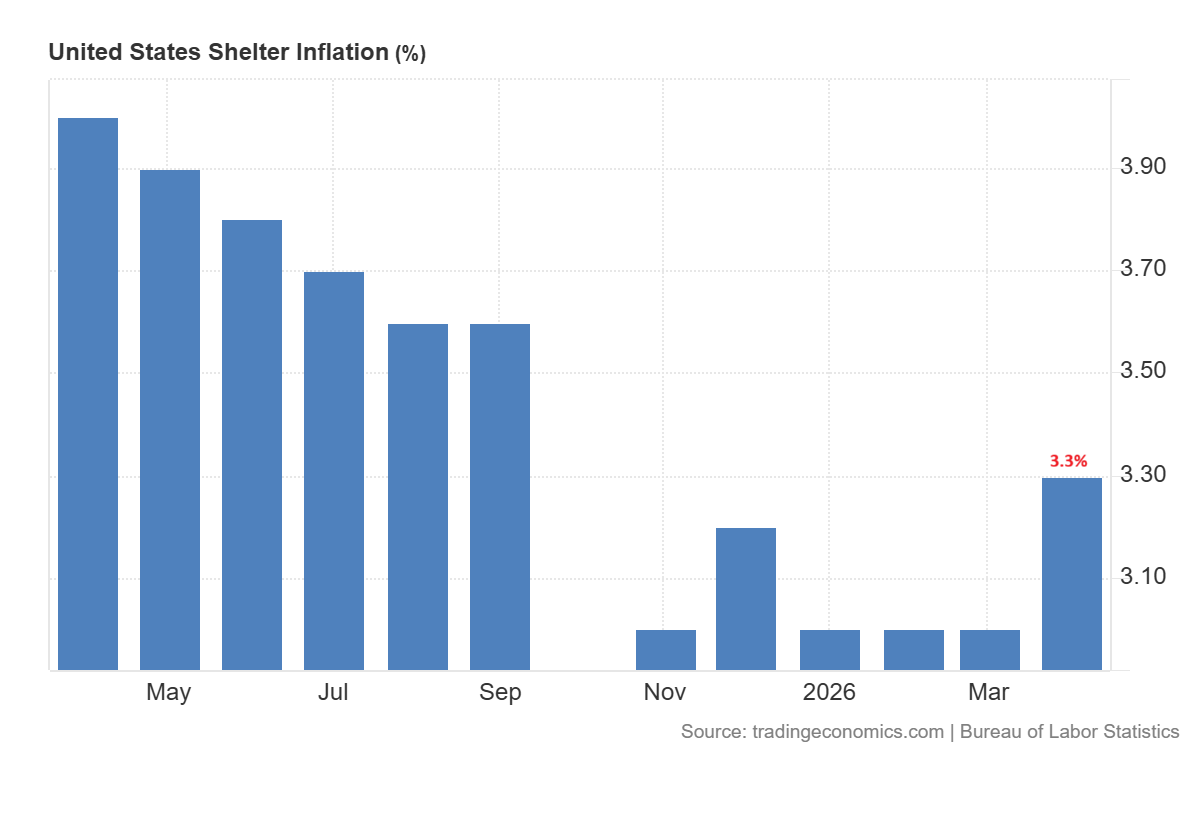
Shelter inflation was reported to be 3.3%. This data has historically been slow to move within CPI reporting. It should be noted that shelter inflation may not fully capture current market trends regarding house prices or rent increases. However, when looking at all aspects of this inflation report, it is evident that the economy is experiencing another major increase in cost due to inflation.
Trump-Xi Meeting Brings Warm Words but Few Confirmed Deals
The meeting between President Trump and President Xi boosted the short term sentiment in the market. President Trump left Beijing after two day summit and described the talks as highly successful. Chinese President Xi Jinping also marked these talks as successful and called the visit historic.
This positive message supported markets as investors want stability between two largest economies. A cooling in relationship between the US and China may reduce the risk of tariffs, support trade flows and improve confidence across global markets.
But the meeting produced more symbolism than confirmed results. Trump said China had agreed to buy 200 Boeing jets with a possible commitment for 750 more planes. He also said China would buy billions of dollars of U.S. soybeans. But China did not confirm these purchases.
This lack of confirmation is important for global markets. This suggests that the summit remains sentiment boost rather than hard economic catalyst.
The tariff issue is also not clear. Trump said tariffs were not discussed while the White House said both leaders agreed to create a “Board of Trade” to manage the relationship.
The presence of Nvidia CEO Jensen Huang and Tesla CEO Elon Musk suggests that the AI chips, electric vehicles and advanced manufacturing remain central to the relationship between US and China.
Impact on the U.S. Dollar and Treasury Yields
U.S. Dollar Index – Higher Inflation Supports DXY
The strong inflation data support the US dollar. A huge increase in the CPI and PPI makes the chances of the Federal Reserve cutting rates lower. This also indicates that the Fed may keep the interest rates higher for longer.
The high interest rates also help to maintain the strong dollar since they attract capital flow from around the world. As a result, it is likely that the Fed will keep the interest rates higher in 2026, which will help to maintain a strong US dollar.
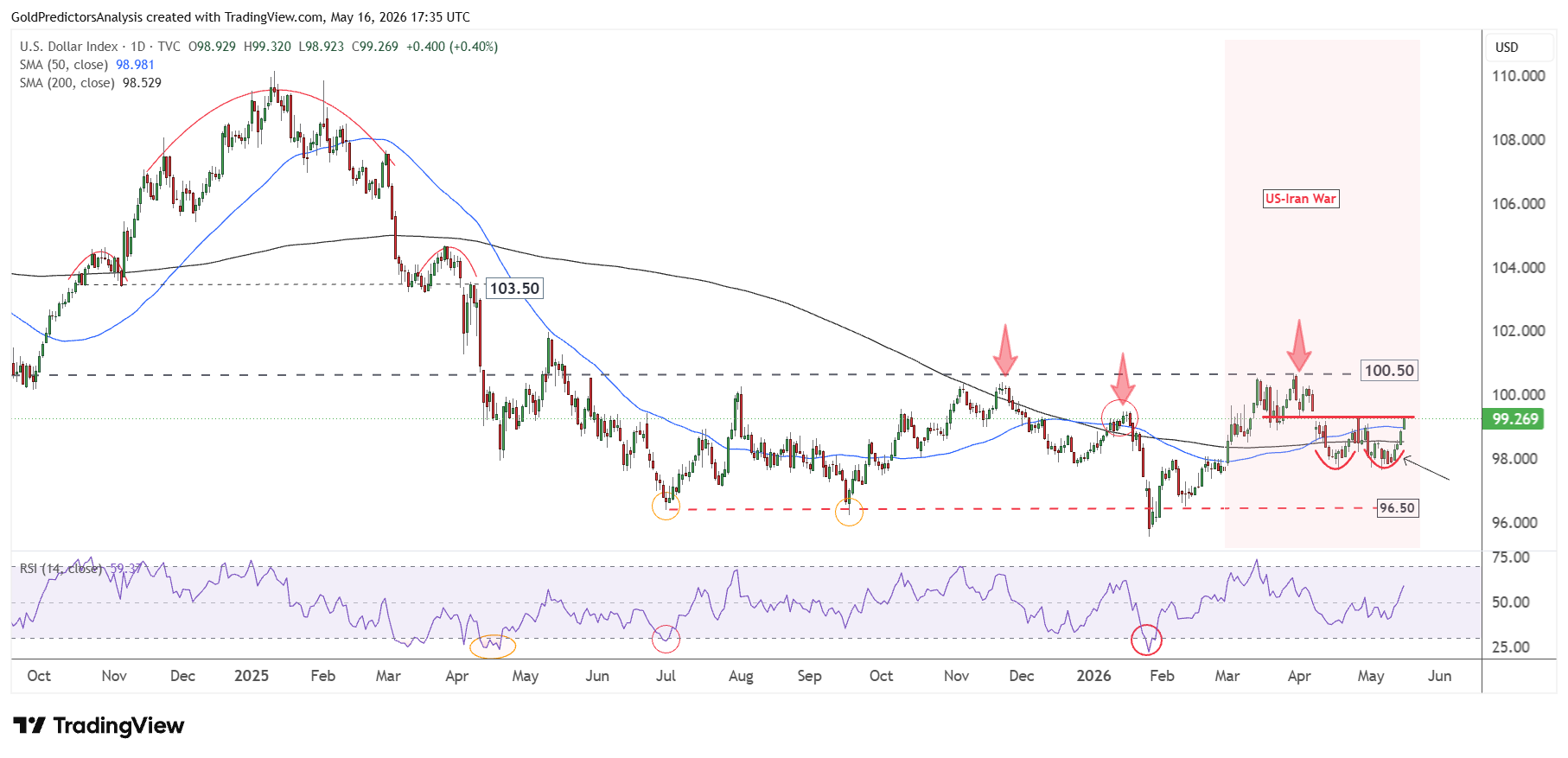
The daily chart of the U.S. Dollar Index shows that it is trading within the range of 96.50 and 100.50 after the U.S.-Iran war. However, the consolidation above 97.80 has formed a double bottom pattern.
If the index breaks above 99.30 on Monday, it will likely move towards 100.50. A break above 100.50 will trigger strong move towards 102.
On the other hand, a break below 97.80 will likely take the index towards 96.50, which is the key level for the downside movement towards 90. The RSI has moved above the midline, which indicates further upside in the short term.
10-Year Treasury Yield – Breakout Points Toward Higher Rates
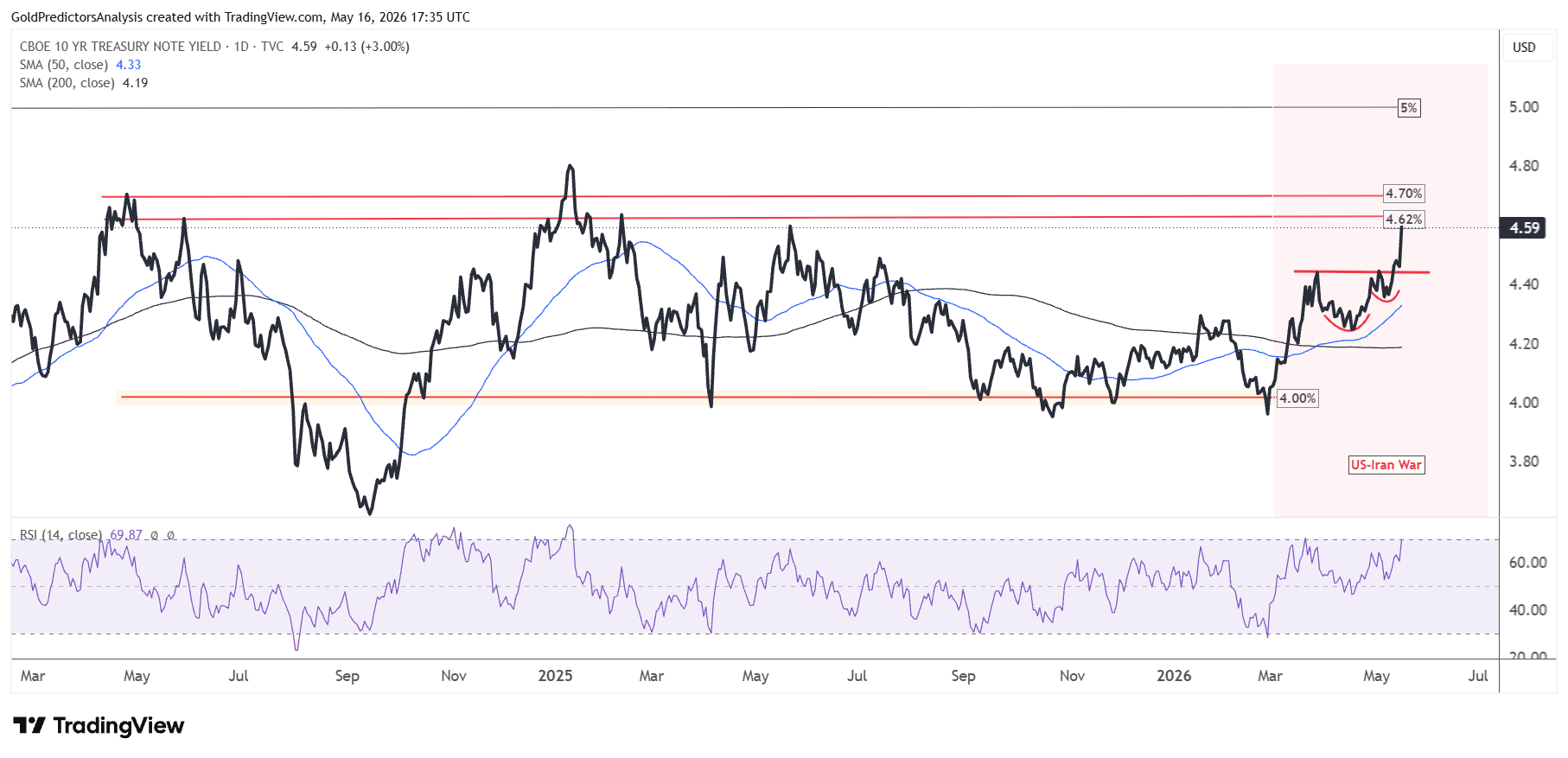
The greater risk in the market is the treasury yield. The 10-year yield jumped following the CPI report. A break above 4.7% would constrain financial activity and put pressure on risk assets.
The higher the yields, the higher the borrowing rates for households, businesses and governments. They reduce the present value of future earnings. It is most important for higher growth stocks that trade on expectations of strong future profits.
As trade tensions ease, the Trump-Xi meeting could help ease some safe-haven demand for the dollar. But for now, the inflation is on the radar. Treasury yields could continue to lead the way in the market if oil prices and PPI continue to stay high.
The daily chart for the 10-year US Treasury yield shows that yields broke above 4.50%, as expected. Now it is nearing a major target between 4.60% and 4.70%. A break above 4.70% will likely take yields towards 5%. But a break below 4.30% will likely take yields back towards the lower consolidation range near 4%.
Impact on Gold and Silver
Gold – XAUUSD Faces Pressure from Rising Yields
The gold market faces a mixed sentiment. Gold is supported by the higher inflation, geopolitical risk and trade uncertainty, which make gold a hedge. But the upward pressure on Treasury yields and US dollar keeps the gold price under pressure.
That’s why the gold price remains uncertain. Gold tends to perform well during the higher inflation and declining yields. For now, yields are rising and it will take new fear or less economic data to drive gold higher.
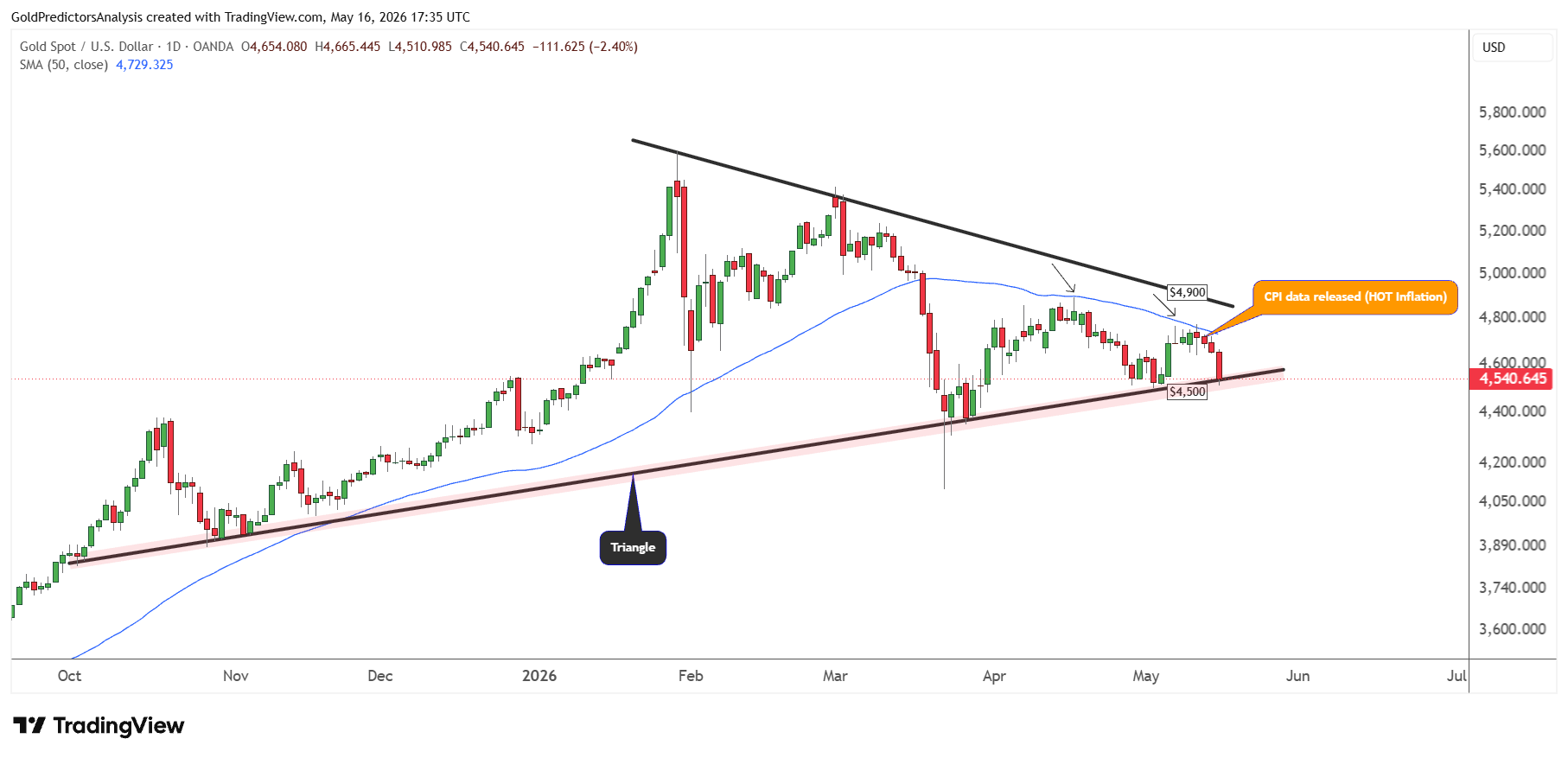
The daily chart for spot gold shows that gold has reached the support line of the symmetrical triangle at $4,500 and closed at the lower level. A failure to break above the 50-day SMA and a strong drop after the CPI data release have taken a big hit in the gold market.
A break below $4,500 will likely trigger a strong move towards the $4000 area. However, a break above the $4,800-$4,900 level will likely take the gold price back towards $5,200.
The overall long-term price structure for gold remains constructive and this drop must bring buying opportunities for long term investors.
Silver – XAGUSD Corrects as Dollar Strength Caps Upside
Silver has positive relationship with inflation and the demand for hard assets. It can be attractive to buyers when investors are searching for alternatives to paper assets.
It can also benefit from industrial demand in the event that U.S.-China trade sentiment improves following the Trump-Xi meeting. But the higher yields and strong US dollar keep the silver price below $100 since the 2026 peak.
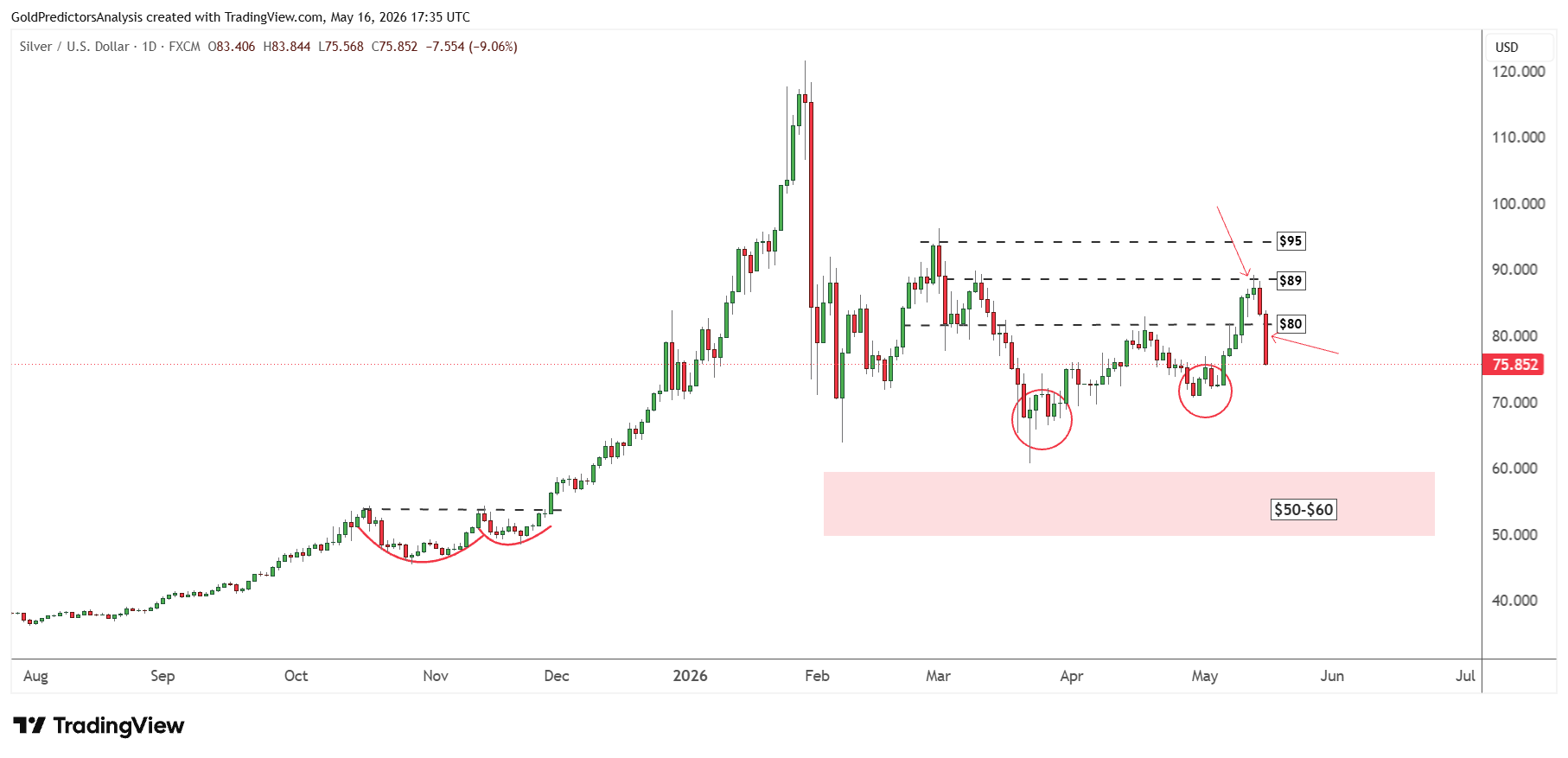
From technical perspective, the silver price failed to break above $89, which negated the formation of a double bottom pattern above the $60 area. The break below $80 on Friday indicates further downside this week.
But silver failed to break below $72, which was the key level to confirm a strong drop towards $50 next week. Despite this close, the overall market remains uncertain and prices are in correction mode.
Impact on U.S. Stock Markets
Dow Jones 30 – Holds Near Key Breakout Level
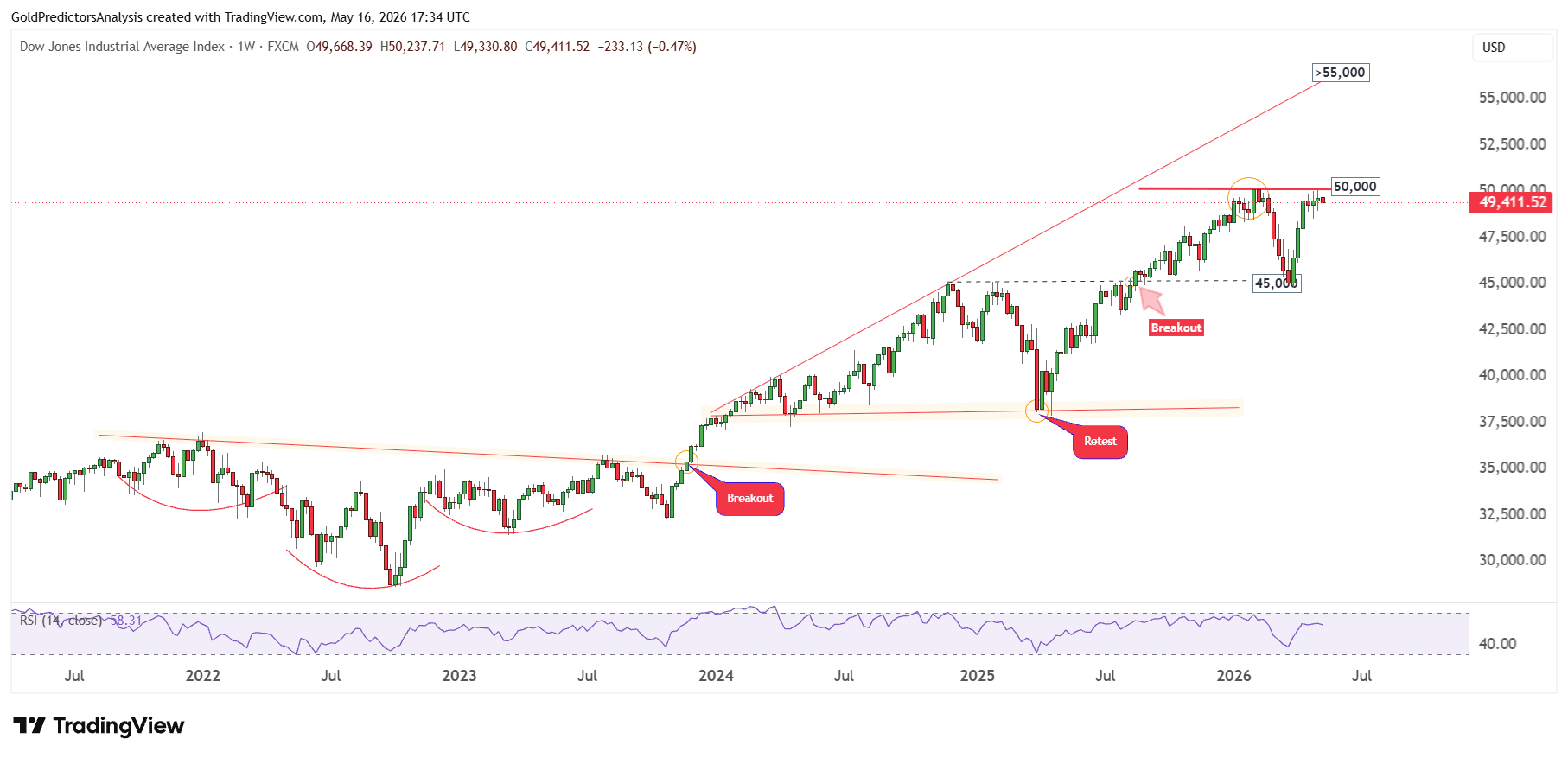
The Dow Jones 30 is hovering below the key level of 50,000. A break above the 50,000 level may signal a bullish tone in the US stock market.
An upsurge in the CPI and PPI adds to the complications in the equity picture. Inflation is running at a higher level which keeps the Fed cautious. Expensive stocks are not very attractive when Treasury yields are high.
The most vulnerable are growth stocks. There are a number of companies in the Tech and AI space that are overvalued. They are very sensitive to future income prospects. As yields increase, the future earnings will be less valuable in today’s money. The Dow will ride higher on the back of investors swapping into industrials, energy and value stocks.
The weekly chart for the Dow Jones 30 shows that the index has been consolidating below the 50,000 level for the past five weeks. These consolidations are showing a strong bullish pattern below the key level.
The index may drop slightly next week towards the support area to form a bullish structure and create pressure to break above 50,000. A break above 50,000 will open the door to the 55,000 level.
S&P 500 – SPX Pullback May Offer Long-Term Support
The meeting between Trump and Xi might give the S&P 500 and Nasdaq a chance to keep rallying on trade optimism. Any easing of U.S.-China tensions will bolster mega-cap tech, semiconductors and exporters.
The daily chart for the S&P 500 shows that the index has been extremely overbought in the short term, which triggered profit-taking last week and sent it towards the 7,400 level.
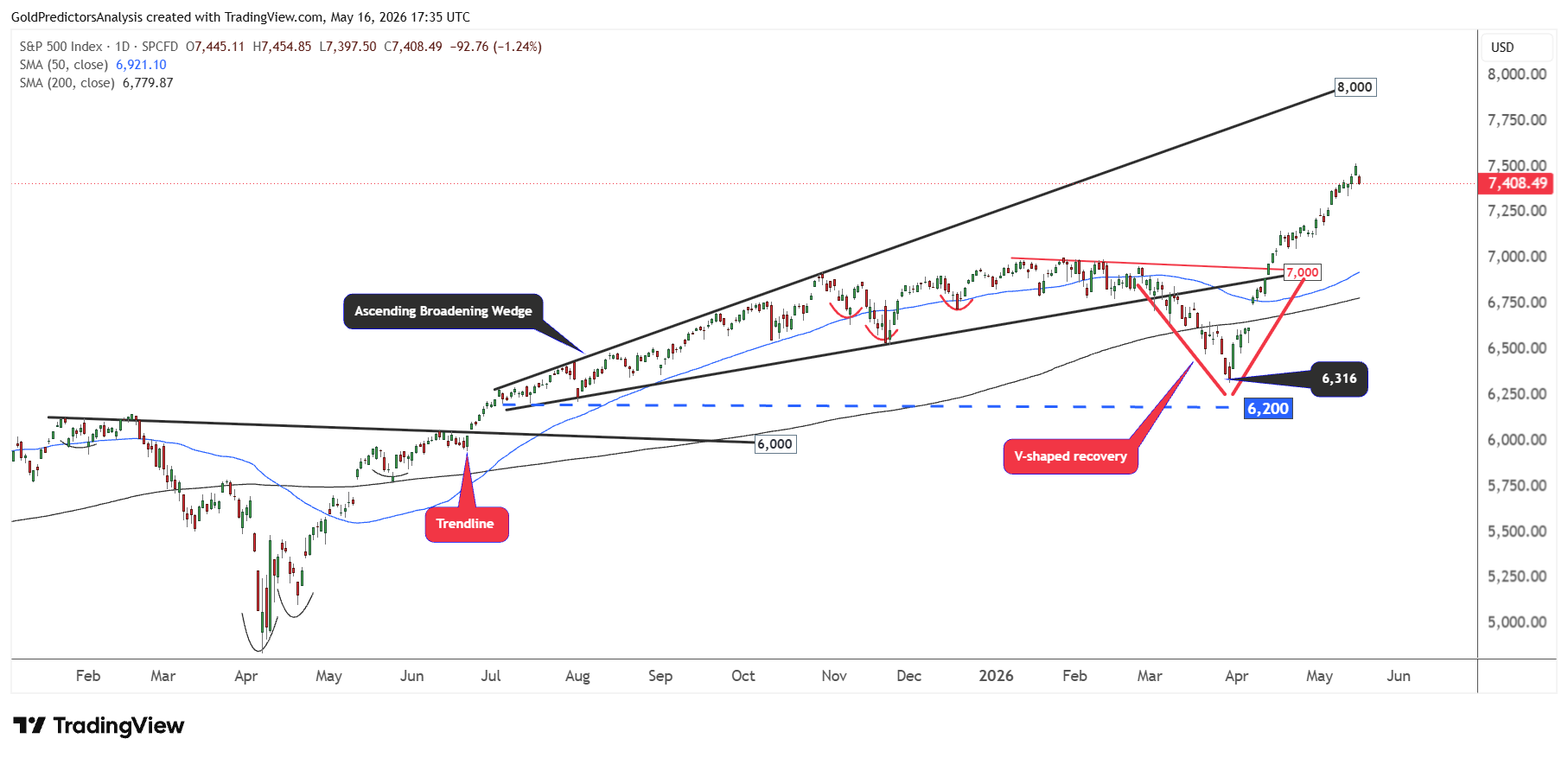
The breakout formation of a V-shaped recovery above the key support of 6,200, and then the recovery above 7,000, indicates that the long-term support of the S&P 500 now lies at 7,000.
If the index returns to the 7,000 to 7,100 range, it will offer strong buying opportunity for long term investors to target 8,000.
Impact on Nvidia, Tesla and Boeing
NVIDIA and Tesla Watch U.S.-China Trade Signals
One of the top stocks associated with the Trump-Xi meeting is Nvidia. With Jensen Huang in Beijing, there was hope that AI chips would be discussed as well. NVIDIA is keen to enter the Chinese market but export restrictions from the U.S. are a significant challenge.
NVIDIA could gain huge boost if the U.S. permits the rest of advanced chip sales to restart. China is still key player in the AI infrastructure market. But the risk is still high. China has emerged as a serious competitor in AI and Washington is adamant about preventing its access to frontline technology. That is, even the most positive headline can be subject to restrictions.
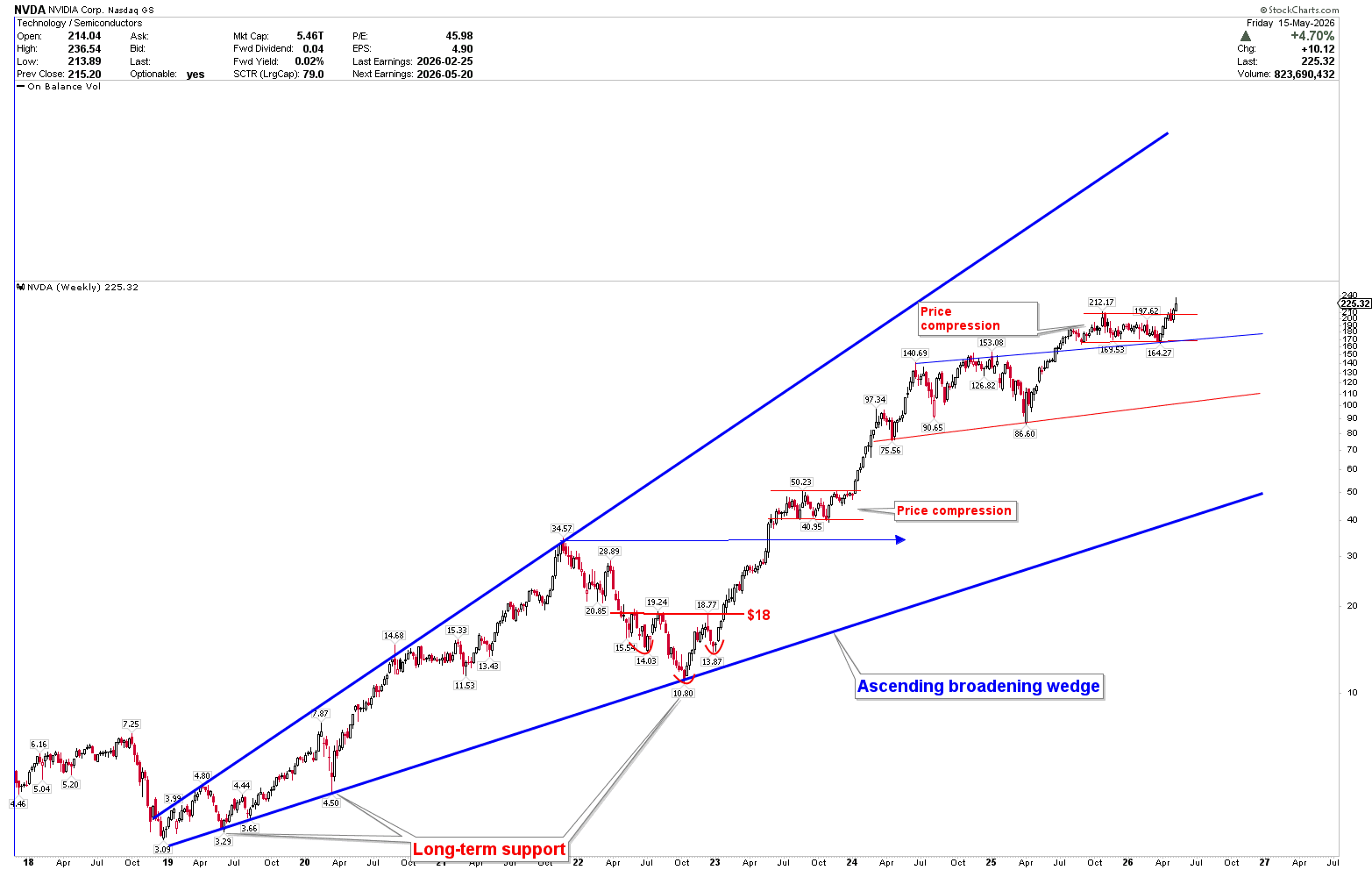
From technical perspective, the long term price structure for NVIDIA remains strongly constructive and points to much higher levels from current levels.
It is observed that the NVIDIA price was compressed between $200 and $160 during Q4 2025 and Q1 2026 and finally broke above $200. This breakout indicates a strong parabolic move in NVIDIA, similar to what it has done previously.
The price structure forms an ascending broadening wedge pattern and multiple constructive price actions that lead to strong growth. This leads to sustained bullish momentum in the NVIDIA market.
Tesla Benefits from Trade Stability but Faces China EV Pressure
Tesla has significant exposure to China. It has Gigafactory in Shanghai that is one of its global production centers. Chinese consumers are also a key group for Tesla’s sales. The resolution of the U.S.-China tension would help ease some of the pressure on Tesla and boost investor confidence.
But there is intense competition in the Chinese EV market for Tesla. Local businesses continue to be competitive on prices, technology and product launches. Diplomatic efforts will help but they are not a solution to Tesla’s competitive problems.
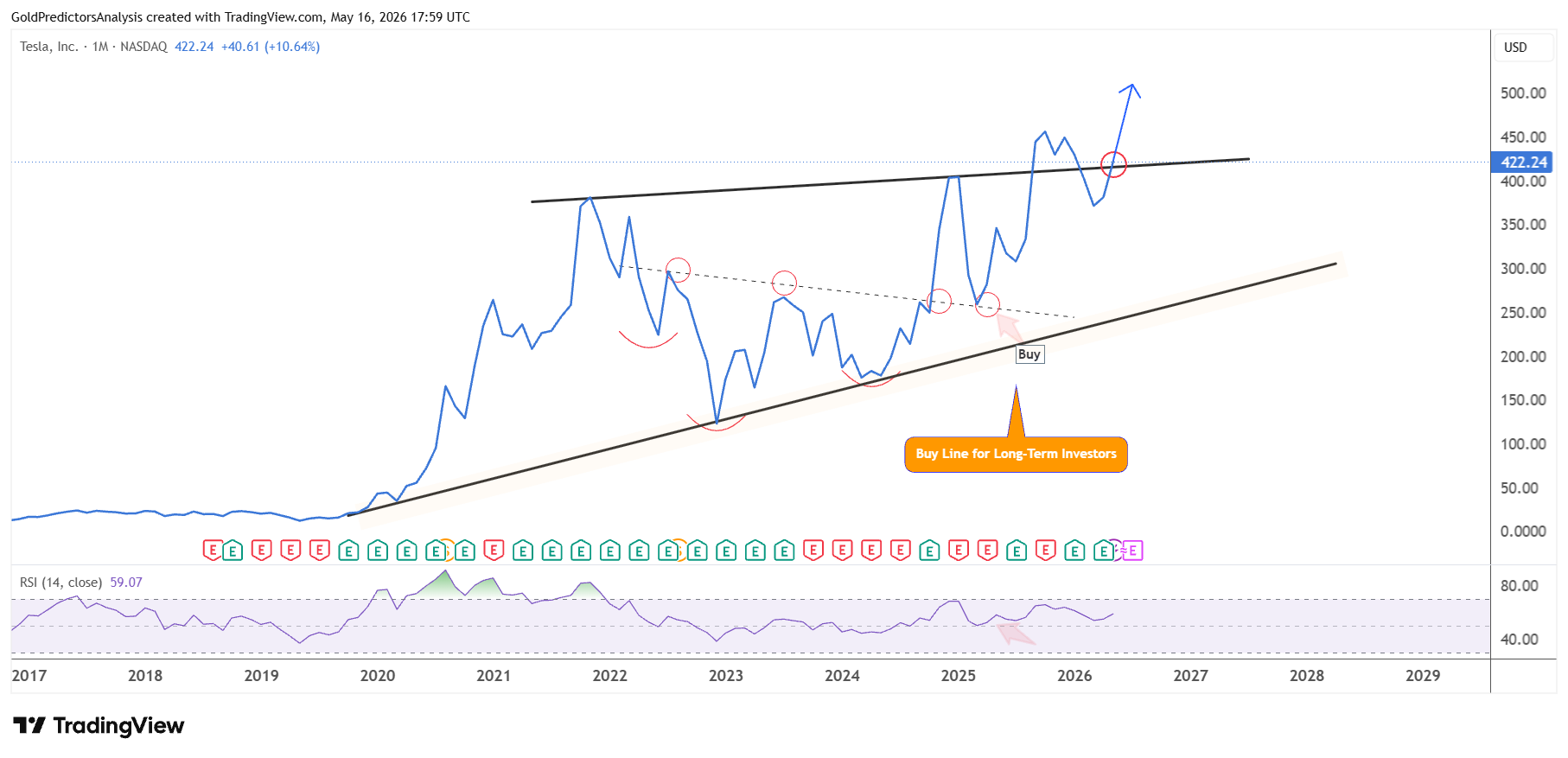
From a technical perspective, Tesla is coming out of the long term pivotal level above $420. This breakout suggests a strong surge in the stock price during the next few months.
Boeing Could Benefit if China Orders Are Confirmed
Boeing could be the most obvious potential winner if Trump’s words become action. If the Chinese had confirmed 200 jet orders, it would be big news. This would be even more significant if Boeing could be more committed as the company has been denied access to China for years due to trade tensions.
Boeing also shows a strong bullish construction above the $120 level and consolidates below the $260 area. A break above $260 will likely initiate another surge in Boeing’s stock.
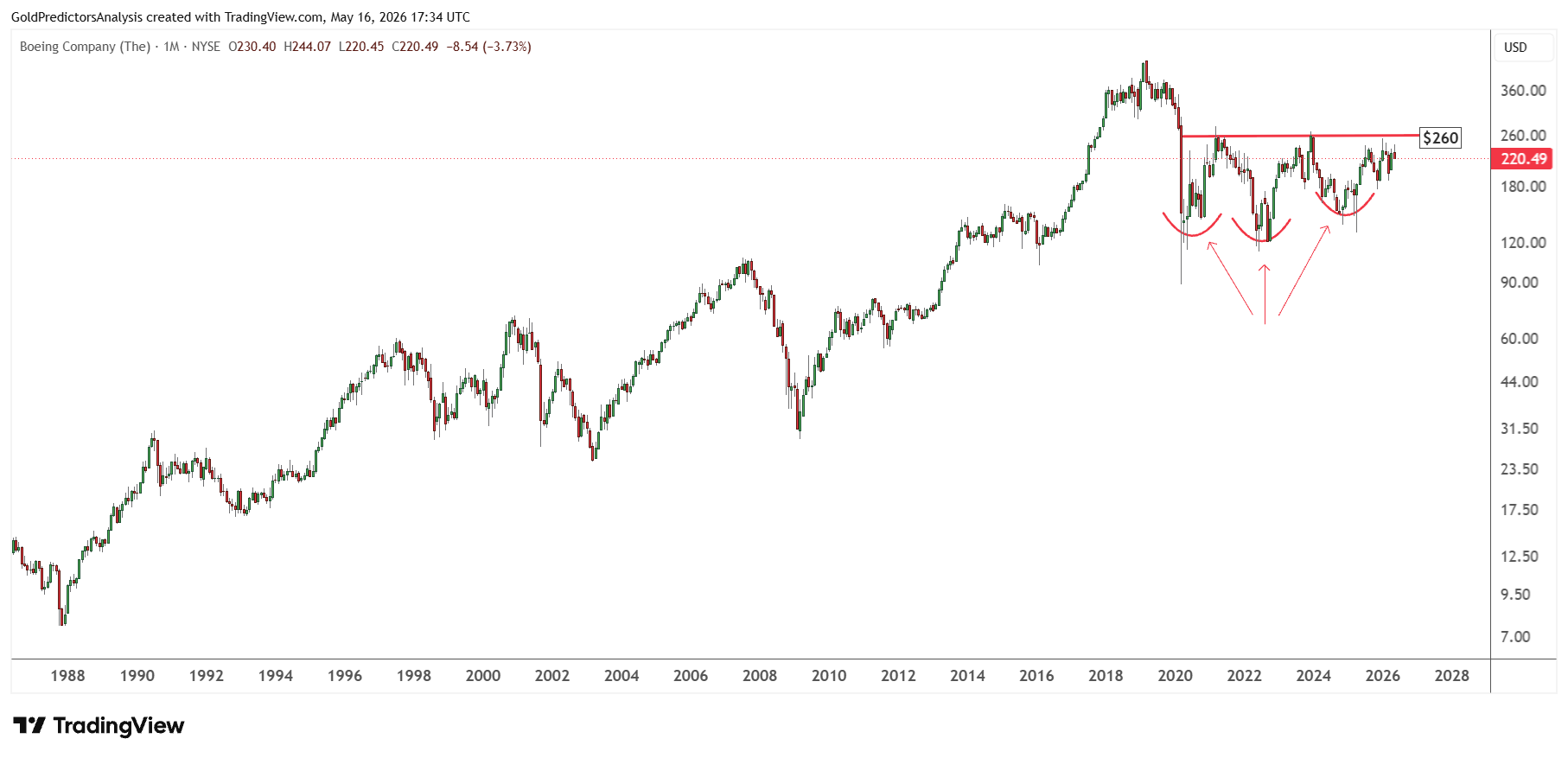
The sentiment towards the U.S.-China relationship is positive for Nvidia, Tesla and Boeing. NVIDIA should be given export control relief. Tesla urges better demand and access. Boeing requires orders for the planes. For now, inflation and Treasury yields might be the more powerful influences determining market direction.
Final Words
In closing, the market has been impacted by the latest inflation data. Pressure is building on the economy, not just the energy sector, as evidenced by the latest inflation reports. This leaves the Fed prudent and helps drive up yields on U.S. Treasuries and the strength of the U.S. dollar. The short-term sentiment outlook looks better, as the Trump-Xi meeting did, but it hasn’t eliminated the larger risks to inflation, tariffs and higher borrowing costs.
Investors are likely to ride a roller coaster as markets try to adjust to the rising yields amid optimism on the trade front. Gold and silver will likely continue to be protected by inflation and uncertainty but gains will be capped by a strong dollar in the short term. Stocks in the U.S. may keep getting help from names like AI, industrials and trade. But growth names are at risk given high valuations. The next big factor will be the resolution of the US-Iran conflict, especially after the Trump-Xi meeting, as it will impact the inflation outlook for the next phase.
Read more: First inflation wave after the U.S.-Iran war