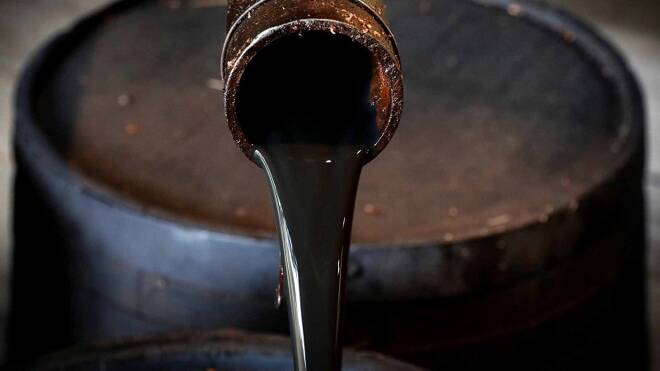
On Tuesday, Oil bulls steadied on gaining more than 5% on a rebound in global equity markets and commodities after crude’s worst losing streak since October 2019.
After gaining for the first time in eight sessions, Brent crude oil futures traded at above $68 a barrel on Monday. Although the rapid spread of the delta variant of the virus continues to cloud the economic outlook, there are small signs of improvement.
Oil traders are once again being rattled by COVID-19 cases on the rise. US and Chinese cases are both on the rise, causing concern about a slowdown in demand. Several restrictions, including travel restrictions and lockdowns, have been put in place as part of China’s COVID Zero policy.
Chinese officials have eradicated local cases, while Indonesia, the biggest economy in Southeast Asia, has loosened restrictions.
By the end of Q3, several market pundits expect crude oil to settle at roughly $72 per barrel. There is high expectation that the oil price per barrel will increase within a year to $85.42
Due to the 9% drop in oil prices last week, these figures may be difficult to accept for some investors.
Despite the price gains, the U.S Department of Energy announced yesterday that 20 million barrels of crude would be sold to comply with legislation passed in recent years, with shipments beginning Oct. 1 and ending Dec. 15.
In response to Covid-19 resurgence, OPEC+ may revaluate plans to restore production each month until the entire halted output is restored.
Because of the flare-up, futures curves have weakened. Short-term time spreads for Brent were 40 cents in backwardation, a bullish structure where contracts with shorter maturities were more expensive than those with longer maturities. End-of-July values were 92 cents.

According to Cirium, the latest virus outbreak means Chinese airlines will operate fewer flights in August than they have in February. The rise of infections in Malaysia threatens to exacerbate the shortages of semiconductors and other components hammering automakers for months.