Three Powerful Forces Are Propelling Gold To Record Levels
Falling Interest Rates and a Weaker Dollar
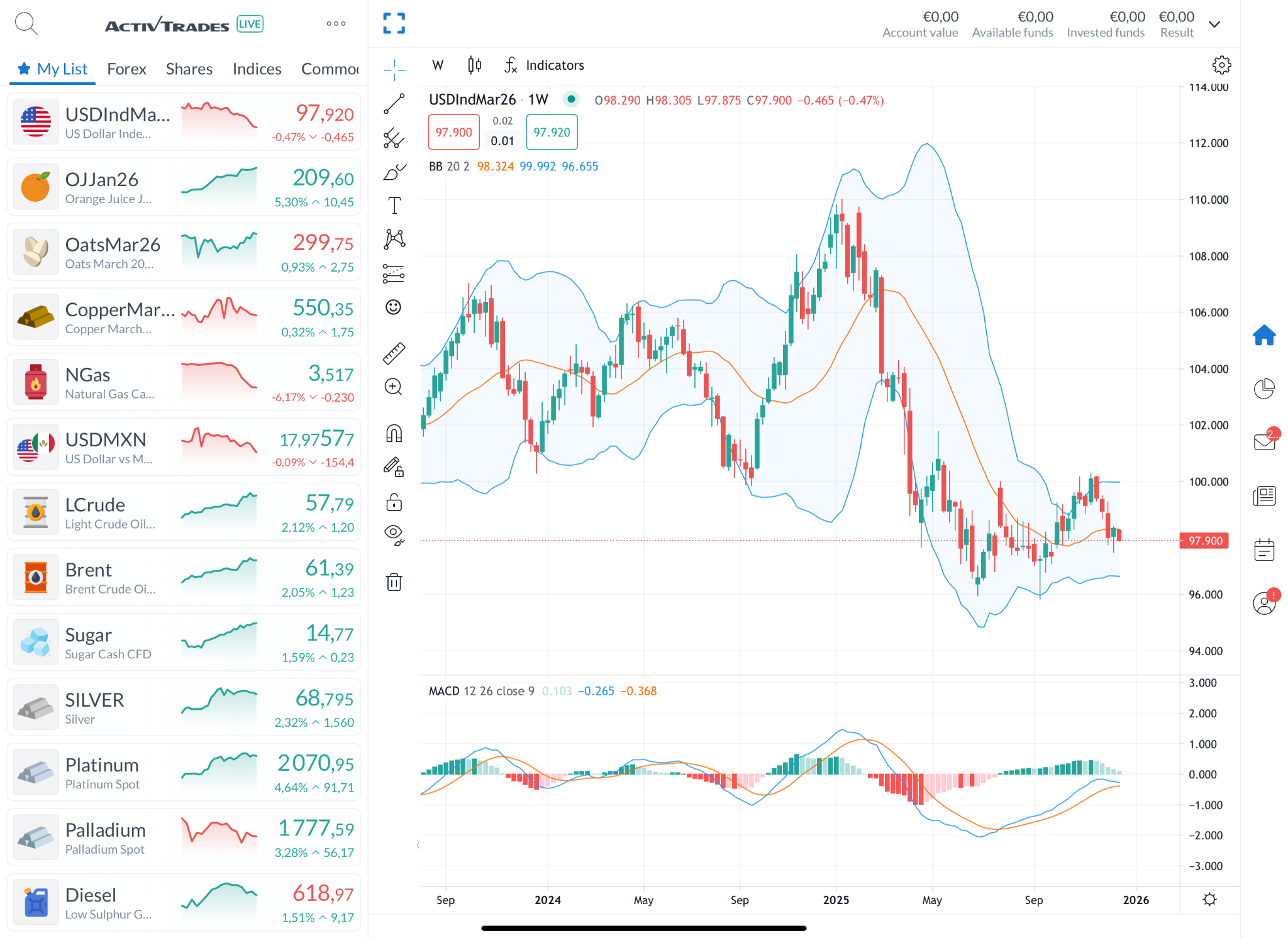
Markets expect the Federal Reserve to cut rates twice in 2026, despite mixed economic signals. Lower rates make gold more attractive because, unlike bonds or savings accounts, gold doesn’t pay interest. As yields decline, the opportunity cost of owning gold diminishes. At the same time, the U.S. dollar is heading towards its most significant yearly fall since 2017 and a weakening dollar makes gold more affordable for foreign purchasers, hence enhancing worldwide gold demand.
Geopolitical Tensions
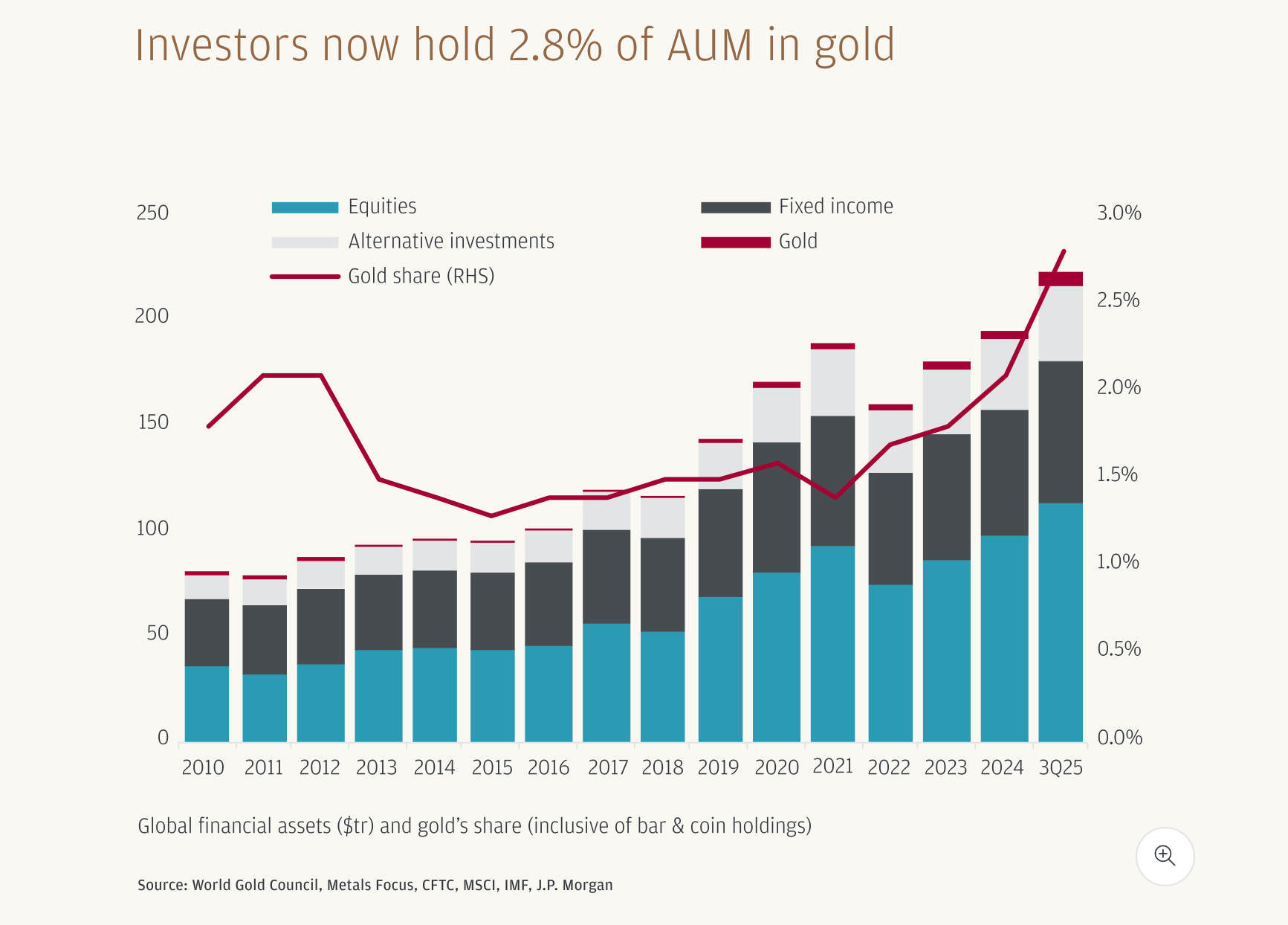
Recent tensions—including trade uncertainty U.S. pressure on Venezuela, enforcement actions against oil shipments, and military strikes in the Middle East—have reinforced gold’s status as a safe haven. When political and security risks rise, investors instinctively turn to assets that preserve value during uncertainty. This dynamic is visible in steady inflows into gold-backed ETFs and continued purchases by central banks seeking to diversify away from traditional currencies.
Central Bank Buying
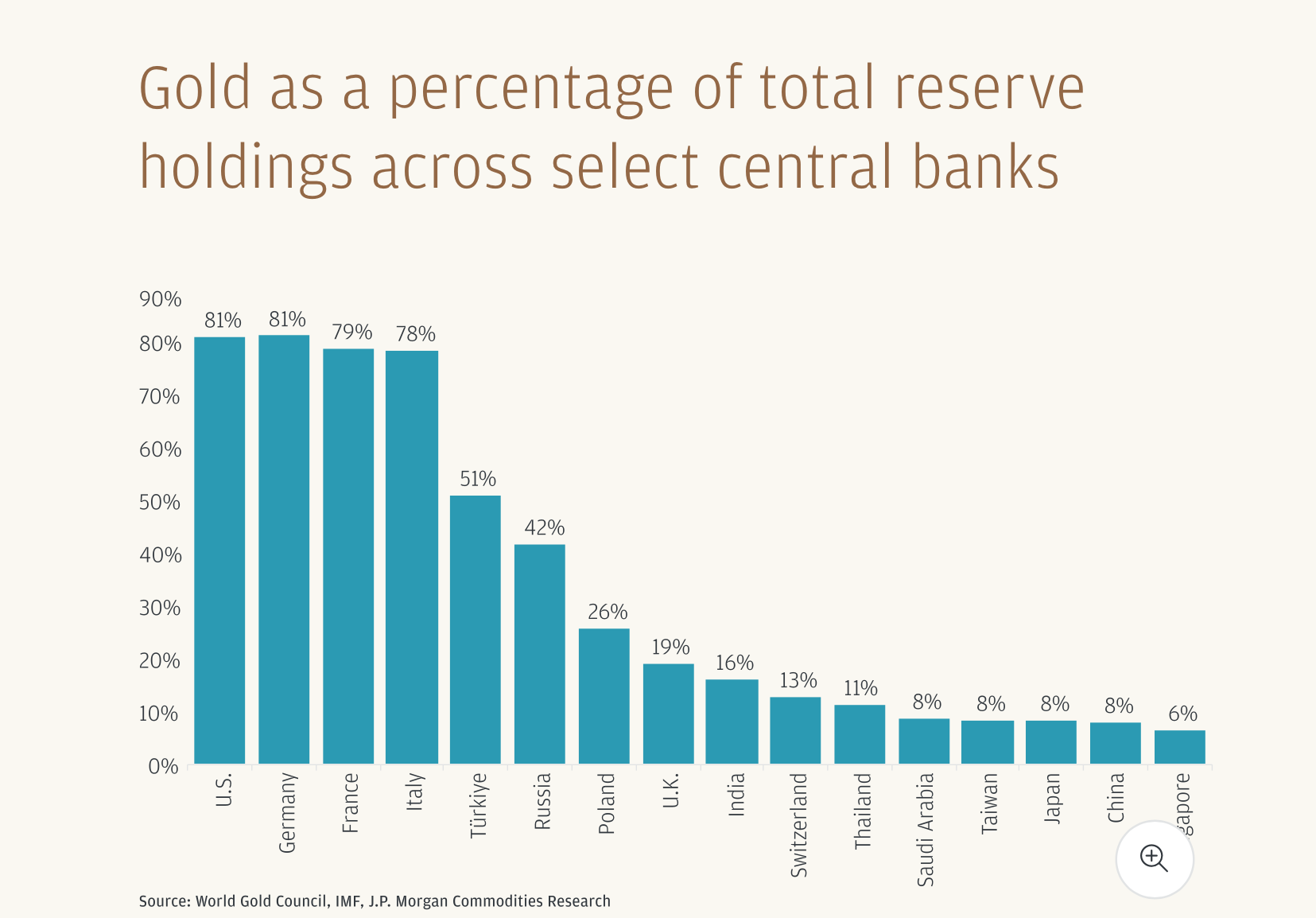
Perhaps most importantly, central banks have become structural buyers of gold. Global official gold holdings now total nearly 36,200 tonnes, representing close to 20% of total reserves—up from around 15% just two years ago. Unlike private investors who trade frequently, central banks hold for the long term. This reduces available supply and provides durable support even during price consolidations. The shift reflects both geopolitical fragmentation and a broader reassessment of currency risk.
Gold Price Forecast
Every new Gold analysis as it publishes, today's technical signal and key levels, live price — on one page.
See all Gold forecastsWhat Are Some Major Banks’ Predictions For 2026?
World Gold Council: Consolidation With Upside Potential
The World Gold Council expects 2026 gold prices to reflect consensus views on growth, inflation, and interest rates. Under stable conditions, this suggests a period of consolidation after 2025’s sharp gains. However, the Council sees multiple scenarios:
- If growth slows and rates fall further: Prices could increase moderately
- In a severe downturn with geopolitical or financial stress: Gold could outperform sharply
- If U.S. policies boost growth and strengthen the dollar: Gold would likely face pressure from higher interest rates
Even in the bearish scenario, the Council emphasizes gold’s role as a portfolio stabilizer remains essential, especially during volatile markets.
Goldman Sachs: Targeting $4,900 by Late 2026
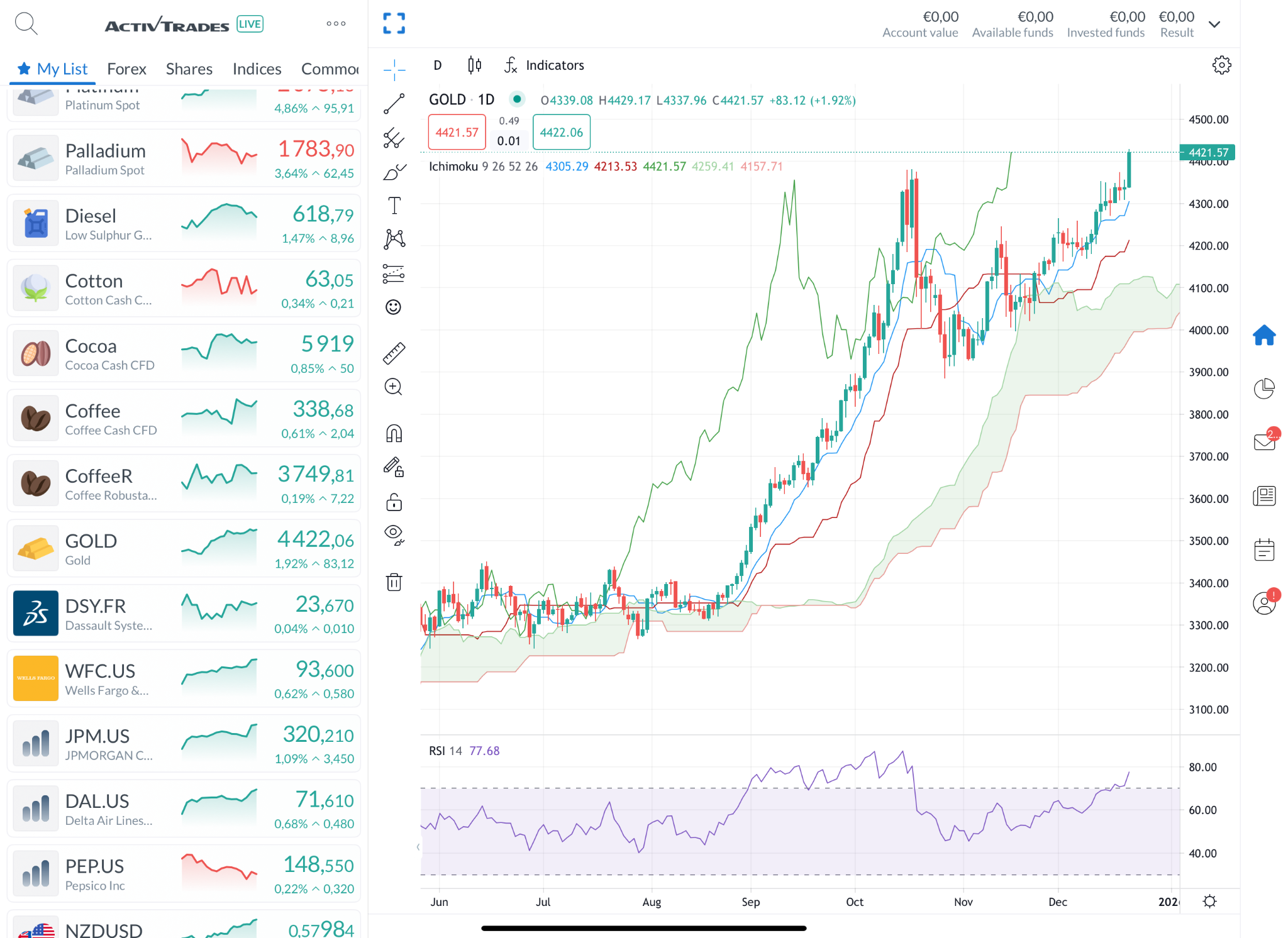
Goldman Sachs holds a bullish outlook, forecasting gold will reach approximately $4,900 per ounce by December 2026—more than 10% above current levels. This prediction rests on two pillars:
- Structurally high central bank demand: Institutions continue to accumulate gold for diversification
- Federal Reserve rate cuts: Expected monetary easing provides cyclical tailwinds
Goldman also highlights upside risks if diversification demand broadens beyond institutions to include more private investors. The bank continues recommending long positions in gold, viewing it as one of the best-positioned commodities in an environment of easing monetary policy and persistent uncertainty.
JP Morgan: The Most Ambitious—$5,000 to $6,000
JP Morgan takes the most bullish stance. The bank attributes 2025’s powerful rally to trade tensions, strong ETF inflows, and sustained central bank buying—forces it expects to continue through 2026 and 2027:
- Fourth quarter 2026: Gold reaches $5,000 per ounce
- Longer term: Potential for $6,000 if macro and geopolitical conditions deteriorate further
- Fourth quarter 2027: Average price of $5,400 per ounce
JP Morgan emphasizes gold’s unique dual role: functioning simultaneously as a hedge against currency debasement and as an alternative to U.S. Treasuries and money market instruments. Its low correlation with other assets makes it valuable insurance during market stress.
The bank expects continuous robust investor participation, projecting approximately 250 tonnes of ETF inflows in 2026 alongside bar and coin demand exceeding 1,200 tonnes annually. This indicates private investors will remain active alongside institutions and central banks.
The Bottom Line
Gold enters 2026 at elevated levels but with powerful structural support such as lower interest rates, a weaker dollar, geopolitical uncertainty, and sustained investor and central bank demand. While consolidation periods are likely after such a big rally, the balance of risks—according to major financial institutions—still tilts upward. Gold is no longer just reacting to short-term inflation fears; it has become a central asset for navigating a more fragmented and uncertain global economy.
Sources: Reuters, The Wall Street Journal, J.P. Morgan, Yahoo Finance, The World Gold Council