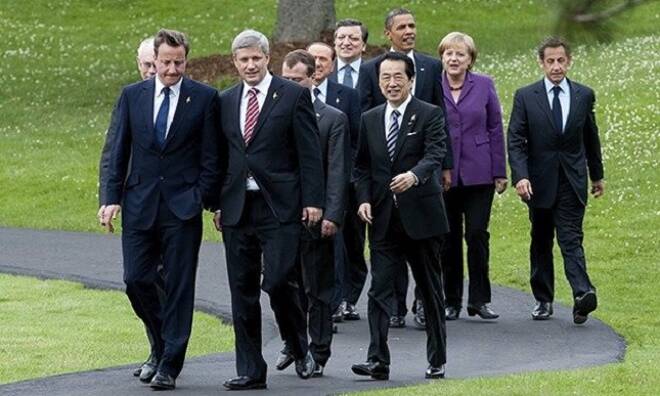
It was an uneventful day other than in China where world leaders met for the G20 Summit. There seemed to be a lot of diplomacy and private meetings that were surprisingly fruitful. Russia’s Putin, China’s Xi and President Obama seemed to turn into overnight diplomats leaving their politics behind and were able to reach understanding and agreements ranging from Syria, the trade cooperation’s to dealing with world growth. Even private conferences between Russia and Saudi Arabia were fruitful.
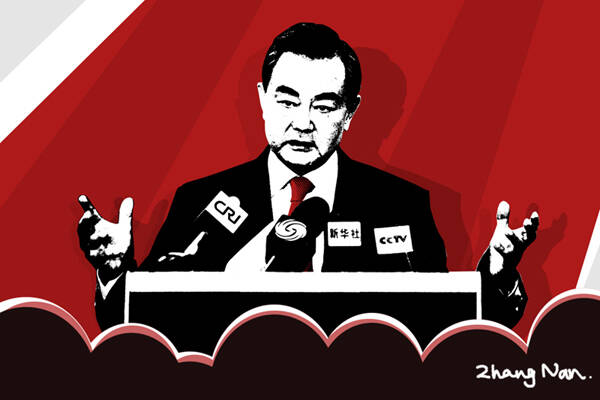
Chinese president Xi Jinping helped set the tone of this year’s G20 meeting in a weekend address to business executives. “Development is for the people, it should be pursued by the people and its outcomes should be shared by the people,” Mr Xi said.
Obama told reporters in Hangzhou on September 5 that the two leaders discussed ongoing negotiations between their top diplomats over Syria. Obama warned that the current situation in Syria, in which he said Moscow’s ally Damascus is bombing opposition forces “with impunity,” is strengthening the ability of extremist groups to recruit new members.
The U.S. president said he also spoke with Putin about Ukraine and the urgency of implementing the Minsk agreement. He said he made clear to the Russian leader that until the Minsk accord is implemented, Washington “will not pull down sanctions.”
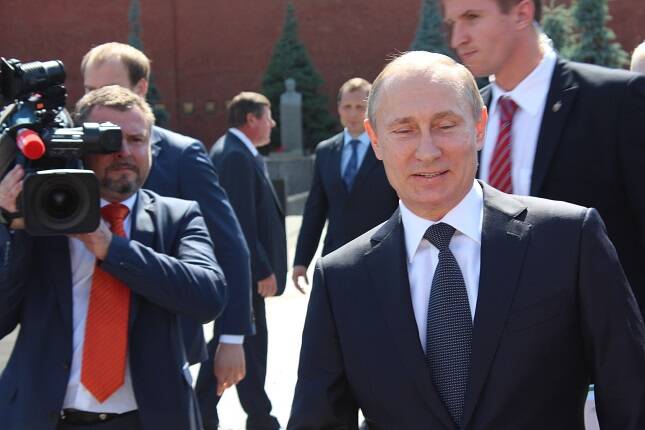
Obama said the meeting was “constructive but not conclusive.” He said, “We will see whether Putin, despite talking about wanting a negotiated solution, is comfortable with a constant low-grade conflict on the Russian-Ukraine border.”
The war in Syria has been ongoing since March 2011; the conflict in Ukraine, since December 2013.
British Prime Minister Theresa May discussed Brexit with Eurozone leaders, while Germany’s Merkel dealt with immigration problems in the EU. Theresa May has reiterated that she will not be triggering Article 50 until next year.
She said there is a “genuine willingness” on the part of other world leaders to open up trade talks, while other European leaders has expressed to her that they wanted to the transition for UK to leave the EU be “as smooth as possible”. Theresa May has explained why she has ruled out introducing a points-based migration system.
Asked if she had gone “soft” on Brexit and tackling migration, she said: “What the British people voted for on 23 June was for some control of movement of people into the UK. A points-based system does not give you that control.
“I want a system where the Government can decide who comes into the system. A points-based system means they come in automatically if they meet the criteria.”
The question is with all the diplomacy going on, will the G20 summit actually accomplish anything or were the sideline meeting the most important events. Sometimes discreet meeting held quietly are more valuable than the public meetings.
The communique issued last night offered new commitments to use every option to lift growth. It outlined a G20 Blueprint on Innovative Growth and said member nations believed domestic reforms were needed to see off threats to the world economy.
Yet the new pledges count for nothing when the world’s 20 biggest economies have done so little to deliver on their ambitions from the summit in Brisbane two years ago. That plan was meant to add 2 per cent to the world economy. Christine Lagarde, the managing director of the International Monetary Fund, started one of Sunday’s closed sessions with a collective rebuke for this failure. Heads of the largest 20 economies have been warned that they must “civilize capitalism” as they seek to revive economic growth and address growing public skepticism about the benefits of free trade and globalization.