Avalanche (AVAX) has dropped by 51% so far this year and just broke a long-dated support area at $9 per token.
As a result, the token is trading at its lowest price since January 2021, as the market seems to be dumping any altcoins whose use cases and ecosystem growth have stalled.
Trading volumes have spiked lately to $396 million, currently accounting for 15% of the token’s circulating market cap. This reflects rising selling pressure and a potential long squeeze.
In the past couple of days, long liquidations have surged by over $1 million per day, which is an above-average figure for AVAX.
Macroeconomic Conditions Worsen as Fed Could Raise Rates by 50bps This Year
Comments from the new head of the Federal Reserve, Kevin Warsh, hinted at an upcoming interest rate hike this year. This is a big change to the prevailing narrative at the beginning of 2026, as the crypto market expected at least one rate cut.
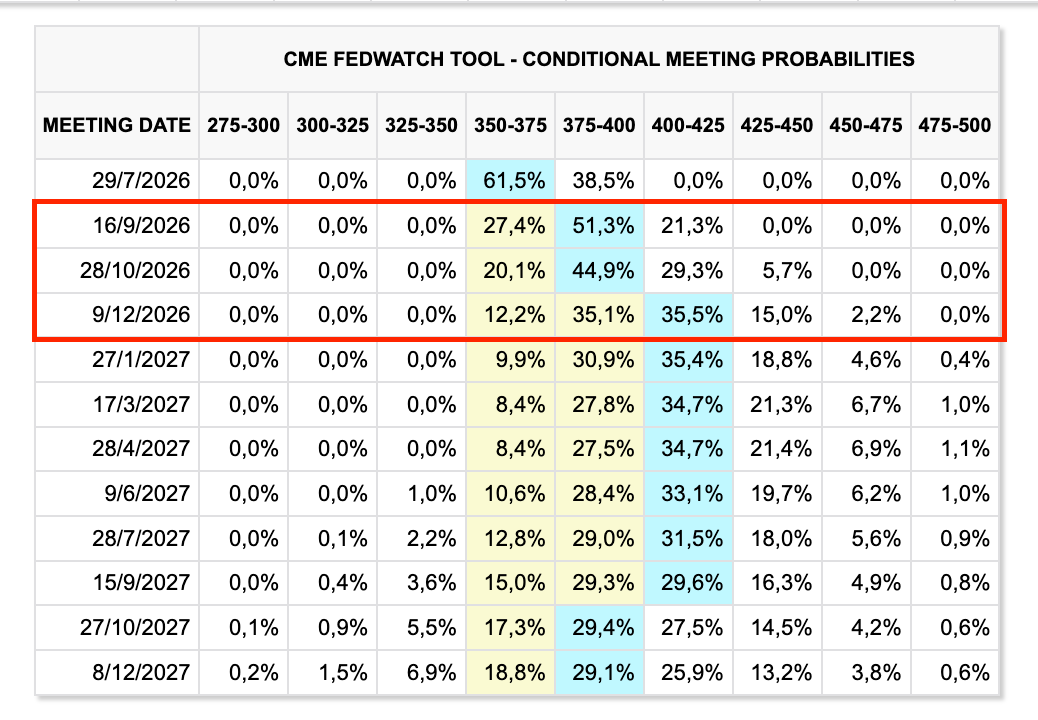
Warsh emphasized that inflation is a “choice” for the Fed, meaning that he believes they have the tools to keep prices in check — and that means raising rates and lowering the money supply by buying treasuries and other similar mechanisms.
Fragile altcoins with small ecosystems like AVAX will get the most heat in this environment.
Is Avalanche a “Zombie Chain”?
On-chain data from DeFi Llama shows that AVAX’s price is highly correlated with how application fees and DEX volumes perform. Last month, Avalanche-based apps collected $5 million in fees, which means a 75% decline from the most recent peak in September 2025.
Meanwhile, DEX volumes experienced a more dramatic drop of 84% during that same period, plummeting from $17 billion to $1.3 billion as of last month.
Moreover, we have been seeing a steady drop in annual chain fees, which is what the blockchain collects in total per transaction. These fees peaked at $63 million in 2023 but were as low as $8 million as of last year.
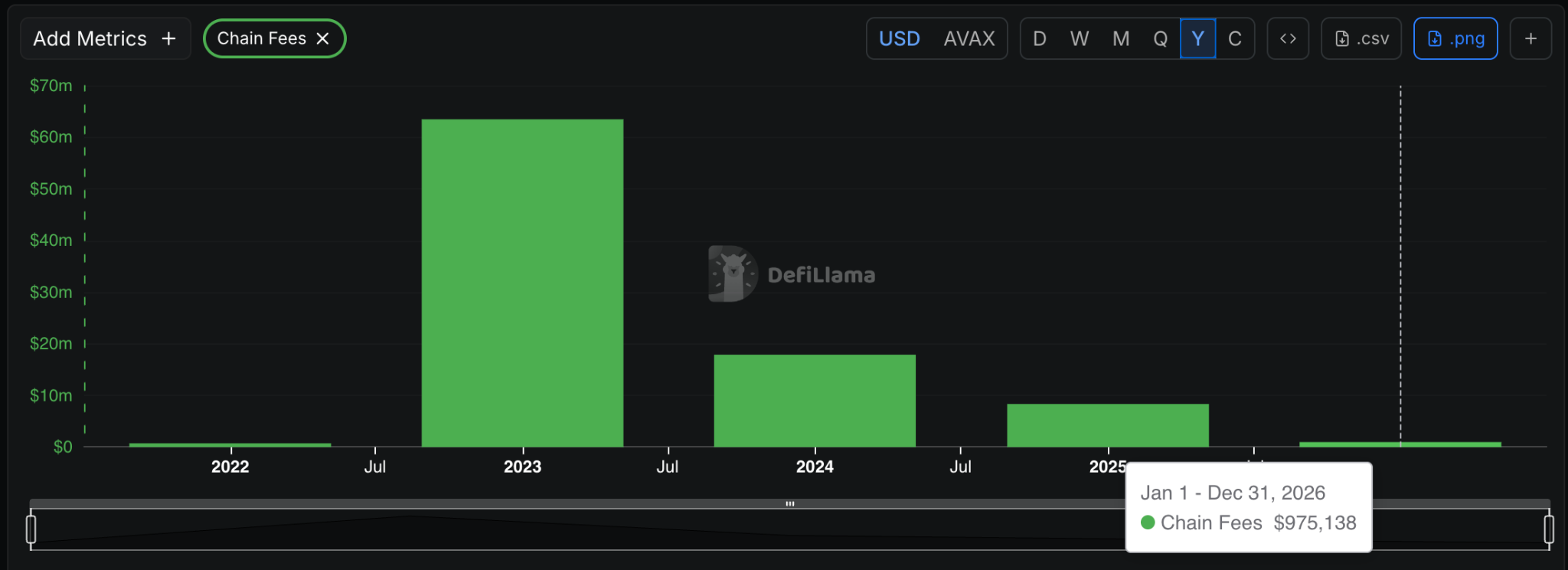
This year, Avalanche would be lucky if it crossed the $2 million mark. This means that the project’s valuation currently has a price-to-revenue (P/R) ratio of 1,310. Comparatively, Solana generated $645 million last year and is on track to generate around $200 million in chain fees this month.
This results in a much more conservative, yet still high, P/R ratio of 198. Avalanche qualifies for the term “zombie chain.” It generates very little revenue and has not yet proven that it can attract apps with real-world use cases.
Odds of a Drop to $3 Are Higher Than Ever
Losing a key support like $9 has both technical and psychological implications and could prompt whales to dump the token en masse if they believe that the market is heading toward a retest of the next support area at $3.
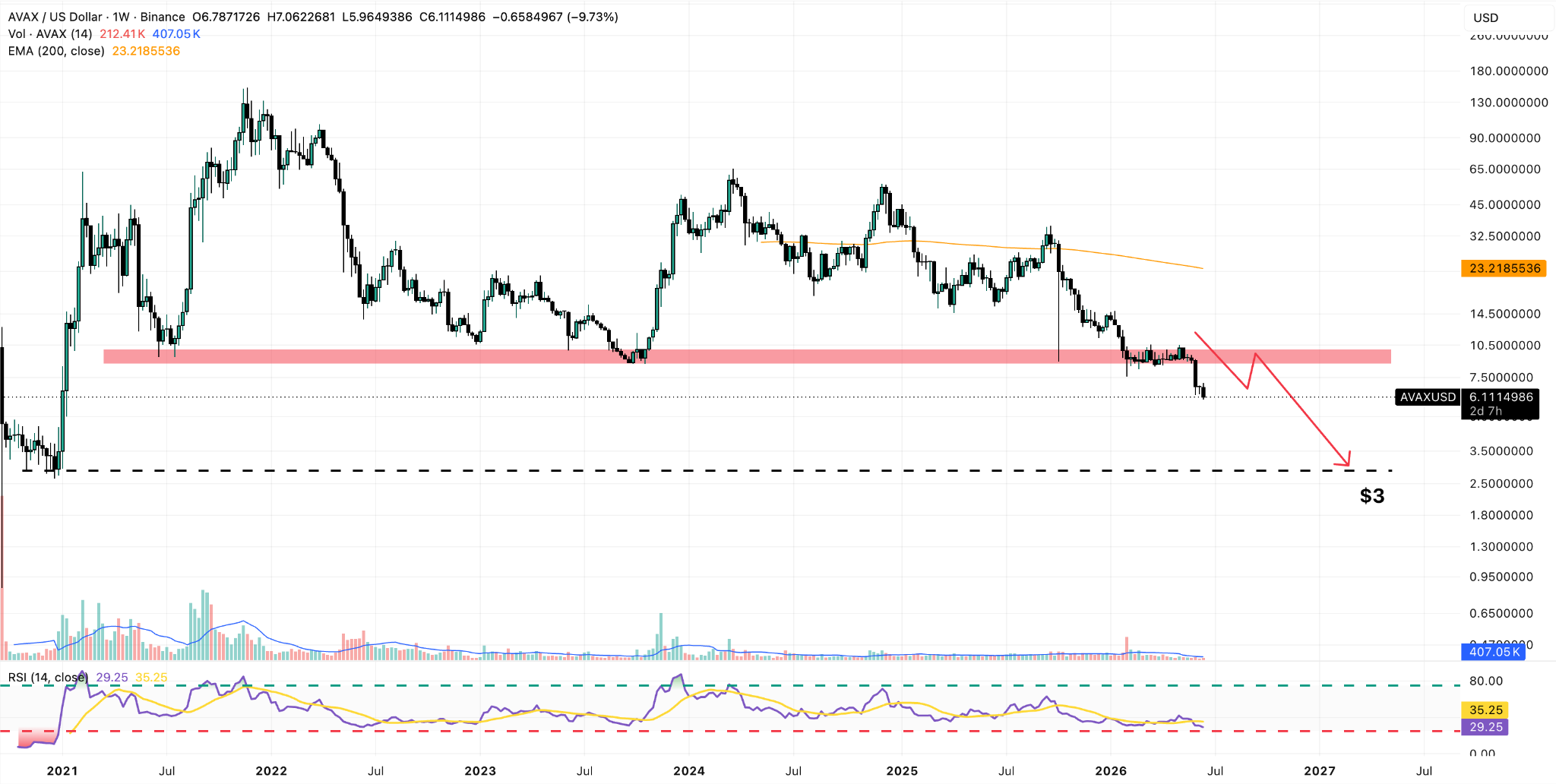
This implies a massive 50% downside risk at a point when macroeconomic conditions have worsened.
The Relative Strength Index (RSI) has dipped to 29, its lowest level on record since June 2022, back when the price bounced off $9.
The stage looks set for a drop to $3, as macroeconomic headwinds could take a big toll on heavily stretched valuation metrics like those of Avalanche.