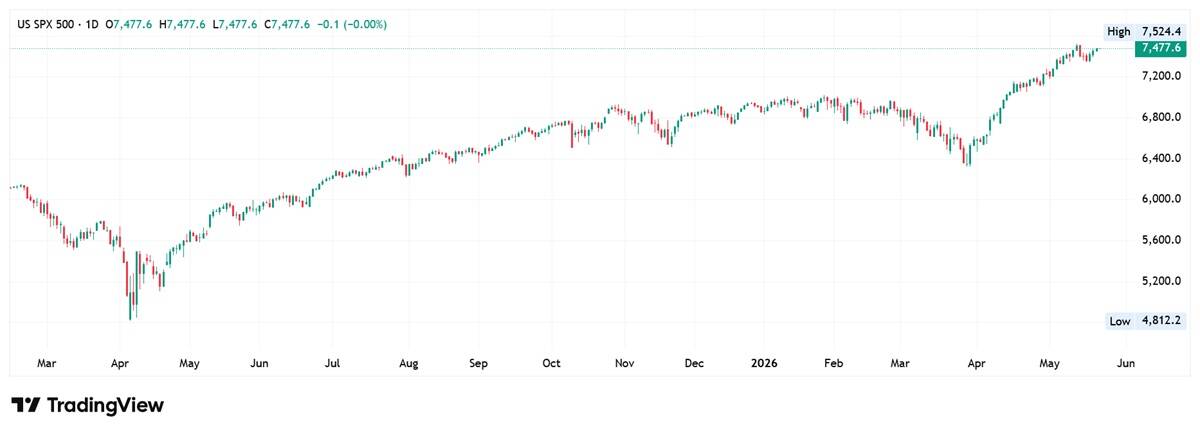
The dominant theme remains the war in the Middle East, and Thursday offered a textbook example of how sensitive markets are to every headline from Tehran. It was a busy session in oil markets; Brent swung from a high of US$109/barrel to a low of US$102 before ending the day largely unchanged.
Iran acknowledged that the latest US proposal had somewhat narrowed the gap, which, of course, lifted market sentiment. However, this was short-lived after reports emerged that Supreme Leader Khamenei had issued a directive for Iran’s near-weapons-grade uranium stockpile to remain on home soil. Then President Trump poured cold water on talk of a toll system through the Strait of Hormuz, calling the waterway an international passage that should remain free and open.
The bond market took its cue from the same headlines. US Treasury yields were mixed across the curve, though longer-dated maturities ended lower after reports that the US and Iran were nearing a peace deal. Markets are pricing in 20 bps of tightening by year-end, marking a notable reversal from -5 bps of easing just a month ago.
Global PMIs: Momentum Fades as Cost Pressures Bite
The May S&P Global PMIs were released yesterday, highlighting a notable slowdown in activity and elevated prices. The eurozone composite PMI fell to 47.5 – the second consecutive month in contraction. Services hit their weakest level since early 2021, cost pressures are rising at their fastest pace in 3.5 years, and France delivered the biggest shock, with its composite index crashing to a 66-month low. The eurozone looks set to shrink in Q2 even as inflation re-accelerates – a miserable combination for the ECB.
UK: A Gloomy Picture for the BoE
The UK PMI dipped below 50 for the first time since April last year, and today’s April retail sales data compounded the gloom – volumes fell 1.3% last month, the sharpest drop in nearly a year, with motor fuel sales down 10% as drivers conserved fuel and made fewer journeys.
Brent Oil Price Forecast
Every new Brent Oil analysis as it publishes, today's technical signal and key levels, live price — on one page.
See all Brent Oil forecastsConsumer confidence also continues to deteriorate, households are drawing down their savings, and the energy price cap is set to rise by 13% this summer. The BoE looks almost certain to hold in June (86% probability), caught between a weakening economy and an inflation shock it has little room to accommodate.
Day Ahead: Warsh, Waller & Consumer Sentiment
Looking ahead to today, the University of Michigan US consumer sentiment reading at 2:00 pm GMT will be closely watched – particularly given the mixed signals from this week’s retailer earnings. We also hear from Fed Governor Christopher Waller, and APEC trade ministers begin their meetings in China. With Iran talks still unresolved, expect the oil market to remain the key swing factor for equities heading into the long weekend.
Finally, Kevin Warsh will be sworn in as chairman of the Fed today; the ceremony will be held at the White House and overseen by Trump. If the President says he wants lower rates today, it will be an interesting time for Warsh, as markets are pricing in a hike. I will leave it at that.
Have a great weekend.
Written by FP Markets Chief Market Analyst, Aaron Hill