


Inflation Cools, but the Fed Is Not Popping Champagne
YY headline and core eased to 3.5% (from 4.2% in May) and 2.6% (from 2.9%), respectively, with MM headline falling -0.4% (from 0.5%) – its first drop since early 2020, fuelled largely by a decline in the cost of gas, clothes, and used cars – and core price momentum was unchanged from 0.2% in the previous month.
US Treasury yields bull-steepened, and the USD fell in the immediate aftermath of the inflation release, though follow-through was limited. This may have been due to a renewed flare-up in the Middle East between the US and Iran, and later, comments from Fed Chairman Kevin Warsh.
Although the benign report will provide some breathing space for the Fed and investors did indeed pull back on rate-hike bets, OIS markets are still pricing in 27 bps of tightening by year-end, with 16 bps for September’s meeting and 22 bps for October.
Warsh made his debut before Congress yesterday and, unsurprisingly, offered no hint of potential tightening this month. He also stated that June’s drop in price pressures does not mean ‘mission accomplished’, essentially saying that one month’s data does not undo years of elevated price pressures.

Gulf Tensions Keep Oil Bid
Layered on top of all of this were the ongoing hostilities in the Gulf. While President Trump has dropped the 20% fee for providing safety for other vessels crossing the Strait of Hormuz – I had a feeling this would be rolled back – the US and Iran continue to exchange blows, and Trump has pushed forward a naval blockade of Iranian shipping.
As you would expect, oil benchmarks remain higher, with Brent crude circling US$85/barrel and eyeing the overhead 50-day SMA at US$88.92.
Brent Oil Price Forecast
Every new Brent Oil analysis as it publishes, today's technical signal and key levels, live price — on one page.
See all Brent Oil forecastsStocks Cheer Inflation Data
In equities, US stock benchmarks caught a bid after the softer June CPI. The S&P 500 gained 0.4%, and the Nasdaq rose 0.9%, while the Dow was roughly flat as IBM plunged 25% on a soft earnings outlook, which essentially offset gains from Goldman Sachs and a rebound in semiconductor stocks. However, bank earnings have generally impressed, with JPMorgan, Bank of America, Wells Fargo, Citigroup and Goldman all beating estimates.
Put together, we have a market that wants to believe the fight against inflation is nearly won, while simultaneously hedging against an energy shock and trying to work out how much of the AI capex boom is real demand versus a self-fuelling supply race.
BoC Preview: Hold Priced In; It’s All About the Words
Today’s docket will include an update from the BoC. Here is where I stand on this. Markets and economists widely expect the central bank to leave the overnight rate unchanged at 2.25% – marking the sixth consecutive hold. Since June’s meeting, we have seen a marked dovish repricing in the OIS market, shifting from fully pricing in a rate hike by year-end to 16 bps of tightening now.
The BoC, as Governor Tiff Macklem recently stated, is in a holding pattern, with the overnight rate at the lower end of the neutral range, balancing soft GDP growth against above-forecast inflation. On the one hand, there is clearly no urgency to raise rates while the jobs market continues to loosen and core inflation measures hover around 2%. On the other hand, the case for cuts is also thin, with growth bouncing back in recent months (following Q1 26 GDP flatlining).
With the rate hold all but baked in, attention will fall squarely on the accompanying rate statement, press conference, and updated economic projections in the MPR. While energy prices have eased considerably since June – helping to mitigate upside inflation risks – policymakers will likely adopt a cautious tone despite little evidence of broadening.
I expect the BoC to signal that it remains neutral – open to both hikes and cuts. I also anticipate the all-items inflation component to be revised higher in the updated MPR, given that YY CPI inflation reached 3.2% in May, but I do not expect much change in the core inflation updates.
Furthermore, while core measures are stable, the bank will remain highly defensive after the recent Q2 Business Outlook Survey showed a dangerous unanchoring of expectations, with a staggering 44% of firms now bracing for inflation above 3% over the next two years. In terms of growth, we could see a downward revision to reflect the Q1 hit, but this will likely be offset somewhat by the rebound we have seen in Q2.
CAD Trade?
Ultimately, the only trade for the CAD I see here is if Macklem shifts from his neutral stance, which I do not see happening at this juncture. However, if he downplays the recent rebound in growth and emphasises the loosening labour market, traders may further pare back rate-hike expectations.
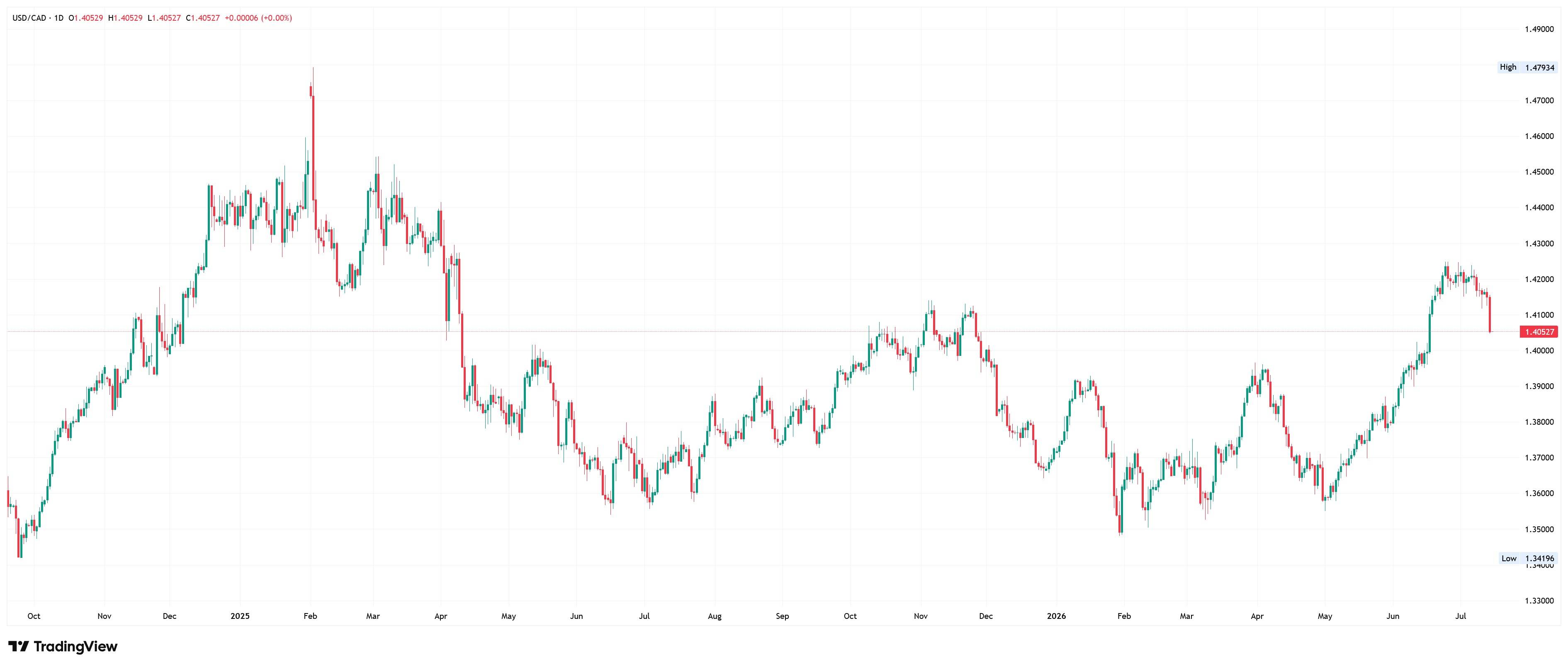
This will push short-term yield spreads lower and underpin a bid for USD/CAD. Alternatively, if Macklem focusses more on the inflation side of things, referring to the 3.2% level and unanchored corporate expectations, we can expect traders to add to rate-hike bets, pushing yield spreads higher and possibly weighing on USD/CAD.
Written by FP Markets Chief Market Analyst, Aaron Hill


