


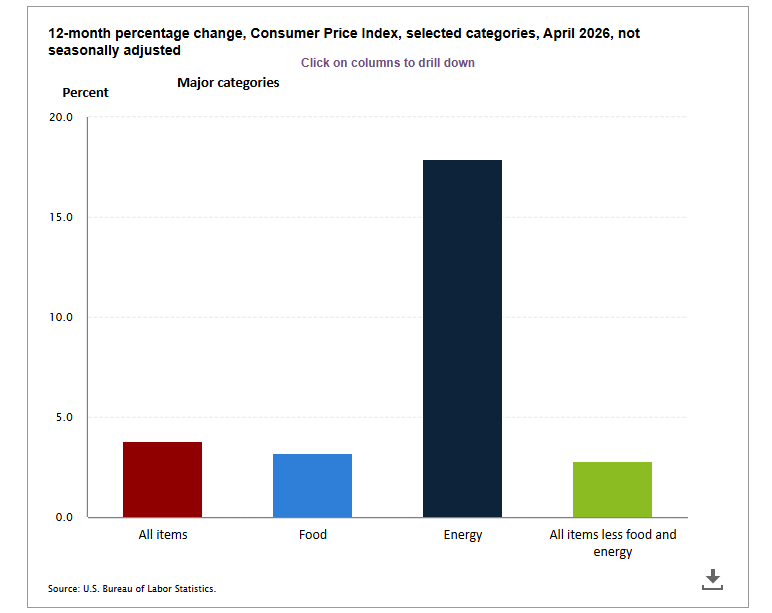
The Personal Consumption Expenditures index report lands May 28 and the market is not in a position to absorb another hot inflation number. CPI came in at 3.8% annually. PPI ran at 6% year-over-year. Import prices jumped 1.9% with fuel costs posting the biggest monthly increase in four years. Three consecutive misses on the upside have already pushed Treasury yields to multi-year highs and put rate hike odds back on the table. A hot Core PCE does not arrive in isolation. It arrives on top of all of that and the market knows it.
Ahmed Yousre, Global Market Strategist at PU Prime commented:
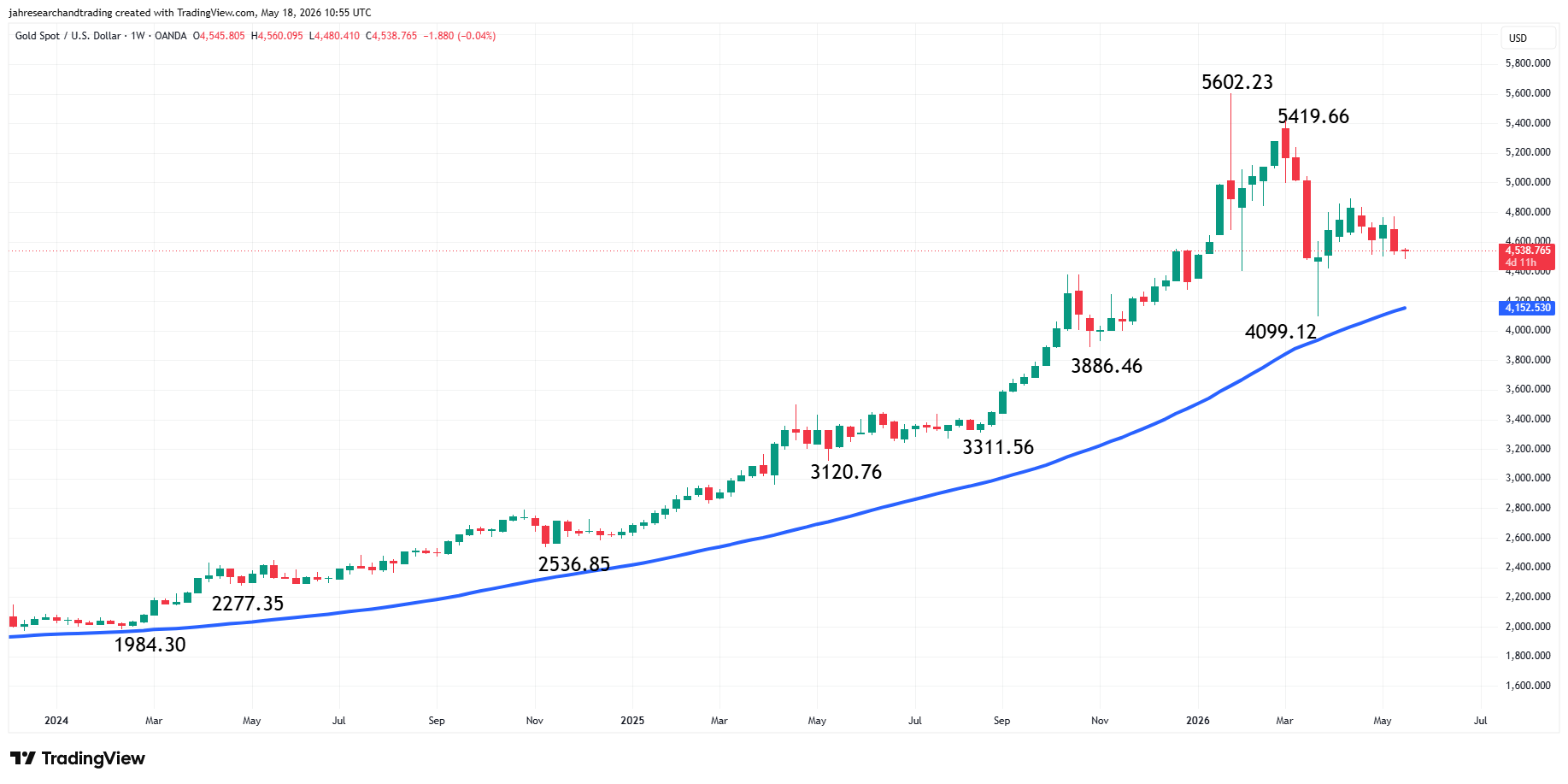
Gold prices remained largely range-bound and continued consolidating near the lower end of their recent range as the stronger U.S. dollar and elevated Treasury yields continued limiting upside momentum for the precious metal.
From PU Prime’s perspective, the broader outlook for gold remains closely tied to the direction of the U.S. dollar and Federal Reserve policy expectations. Recent U.S. economic data—including stronger CPI, PPI, Retail Sales, and Manufacturing PMI figures—continue reinforcing confidence in the resilience of the U.S. economy. The latest Manufacturing PMI reading rose to 55.3 in May, slightly exceeding expectations and supporting the view that the Federal Reserve may maintain a higher interest rate environment for longer.
This has helped support Treasury yields and the U.S. dollar, both of which remain key headwinds for gold prices. As yields rise, investors are increasingly attracted toward interest-bearing assets such as government bonds, reducing the relative appeal of non-yielding assets like gold. At the same time, a stronger dollar makes gold more expensive for foreign buyers, further limiting bullish momentum in the metal.
While recent pullbacks in oil prices have temporarily eased inflation concerns and slightly softened Treasury yields, markets remain cautious that resilient U.S. economic conditions could continue delaying expectations for aggressive Federal Reserve rate cuts. This broader macro environment continues supporting the long-term outlook for the dollar while keeping gold trapped within a consolidation range.
Looking ahead, developments surrounding U.S.–Iran negotiations will remain a key driver for both the dollar and gold markets. Any escalation in geopolitical tensions could revive safe-haven demand and provide temporary support for gold prices. Conversely, if diplomatic progress continues and oil prices stabilize further, easing inflation pressures may strengthen confidence in the U.S. economy and reinforce dollar resilience, potentially keeping downside pressure on gold in the near term.
A New Fed Is Taking Shape
Kevin Warsh is replacing Jerome Powell as Federal Reserve Chair and that transition changes the calculus for every risk asset in the market. During Powell’s tenure investors developed a reliable assumption. If stocks fell hard enough or the economy weakened enough the Fed would eventually step in. That assumption fueled the AI rally, the tech valuations and the confidence that bought every dip for the past two years.
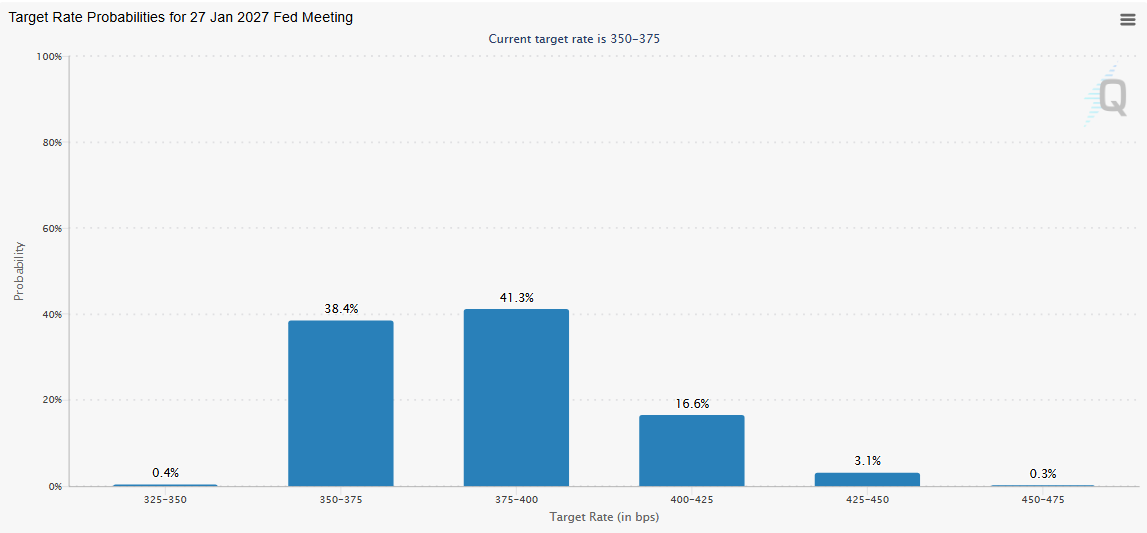
Warsh does not come with that assumption attached. He has made it plain he will hold policy tight even if financial markets struggle and a hot Core PCE gives him every reason to do exactly that. Fifty percent odds on a January 2027 rate hike are already sitting in futures markets. A hot Core PCE does not move that number gradually. It reprices every asset class in the same session and traders who are not positioned for it find out the hard way.
Gold Price Forecast
Every new Gold analysis as it publishes, today's technical signal and key levels, live price — on one page.
See all Gold forecastsBond Market Takes the First Hit
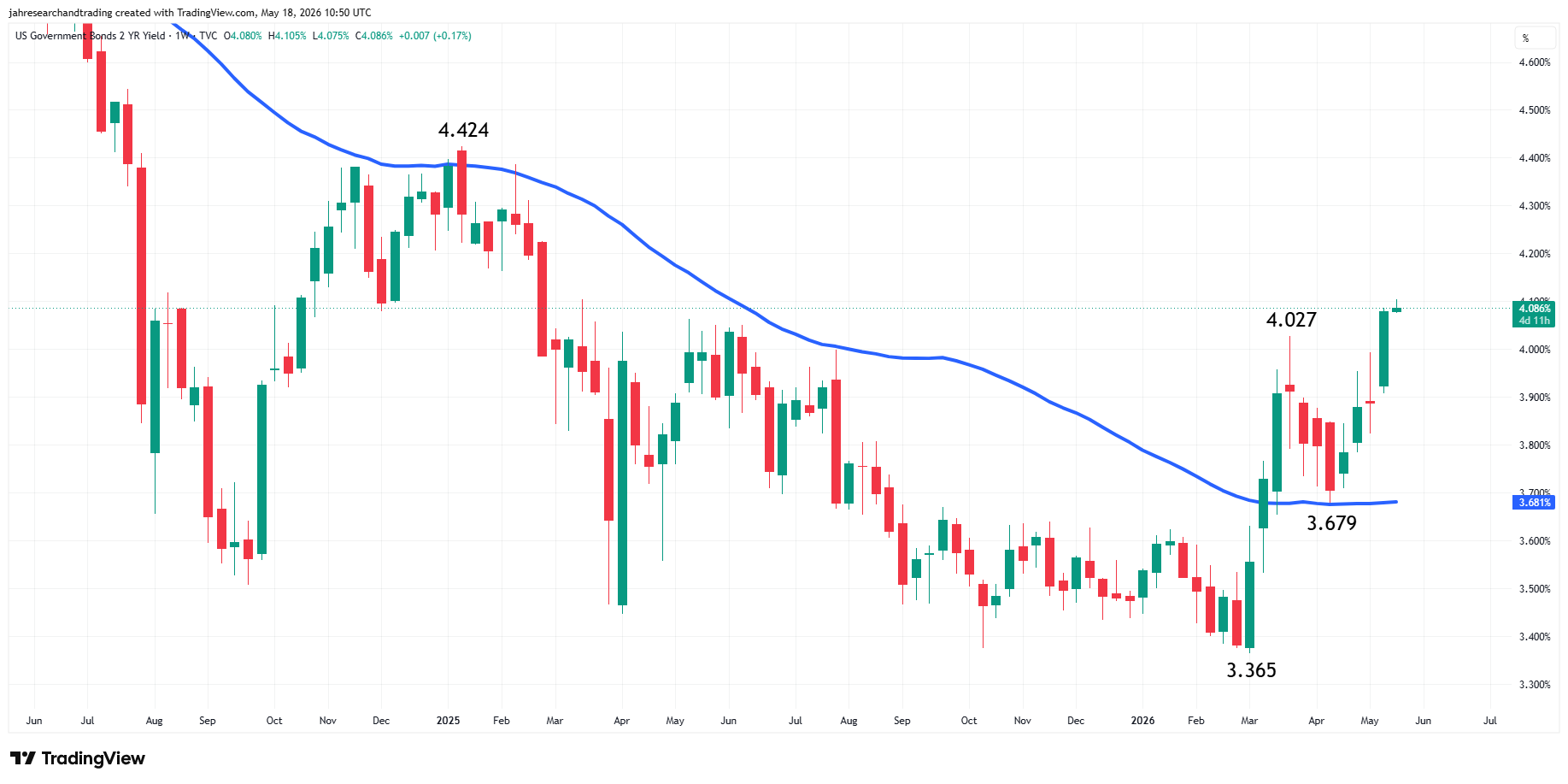
The 2-Year U.S. Treasury yield tracks Fed policy expectations more directly than any other maturity and a hot Core PCE could push it above 5% in a single session. That is not an abstract market move. Every basis point higher means more expensive credit cards, auto loans, mortgages and corporate borrowing. The rate pain does not stay in the bond market. It moves through the entire economy and it does not take long. The rate pain does not stay in the bond market. It spreads across the entire economy and it spreads fast.
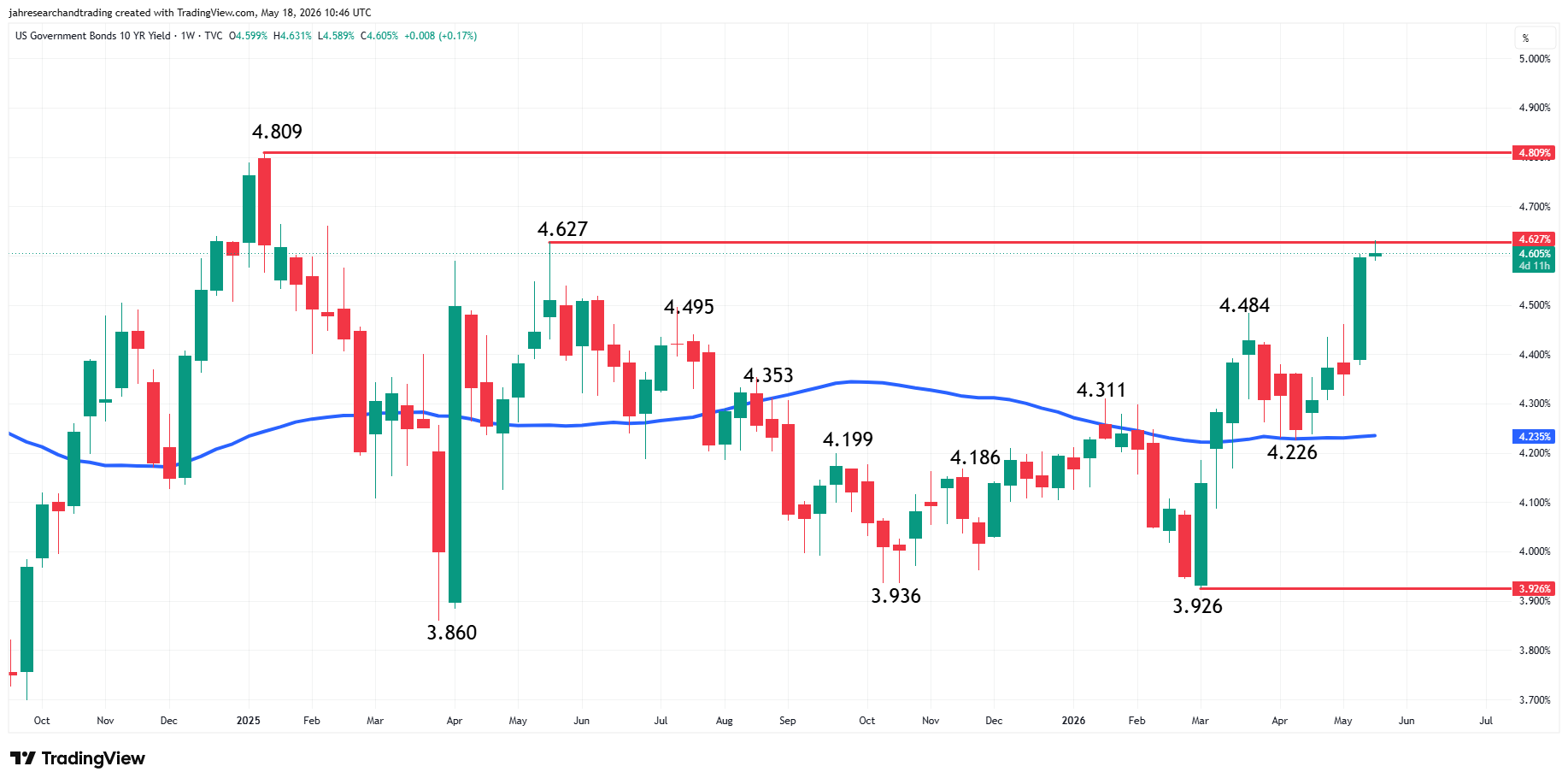
The 10-Year U.S. Treasury yield has already climbed toward 4.58%. A Core PCE surprise pushes it toward the 4.8% to 5% range. Higher long-term yields raise the discount rate investors apply to future earnings and that hits growth stocks with the most exposure to years-out profit projections.
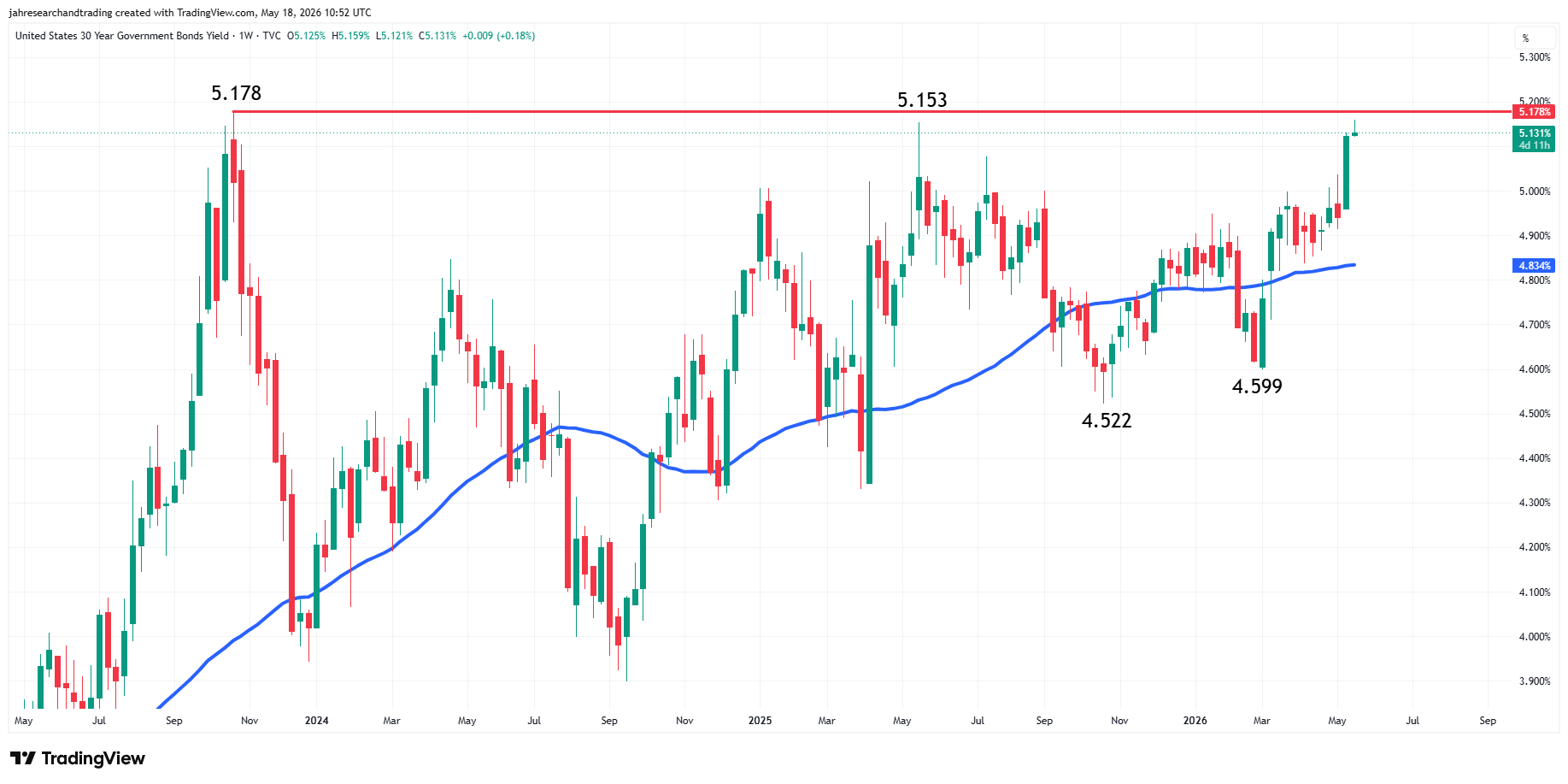
The 30-year yield is carrying a different problem. Investors are watching government deficit levels and long-term inflation risk with growing concern. Long-duration bond holders are demanding higher returns to compensate for that risk and a hot inflation print accelerates that demand. The likely result is a bear flattening across the curve. Short-term yields rise faster than long-term yields. That combination has historically signaled tighter monetary policy and slower economic growth ahead and markets price both consequences immediately.
What Happens to Stocks
Technology and AI names are the most exposed sector in the market right now and they are already under pressure. Higher yields reduce the present value of future earnings and no sector has more of its valuation tied to years-out profit projections than AI infrastructure, semiconductors and cloud computing. The Nasdaq has been the market’s engine all year. It is also the market’s most vulnerable index when the rate narrative turns against growth.
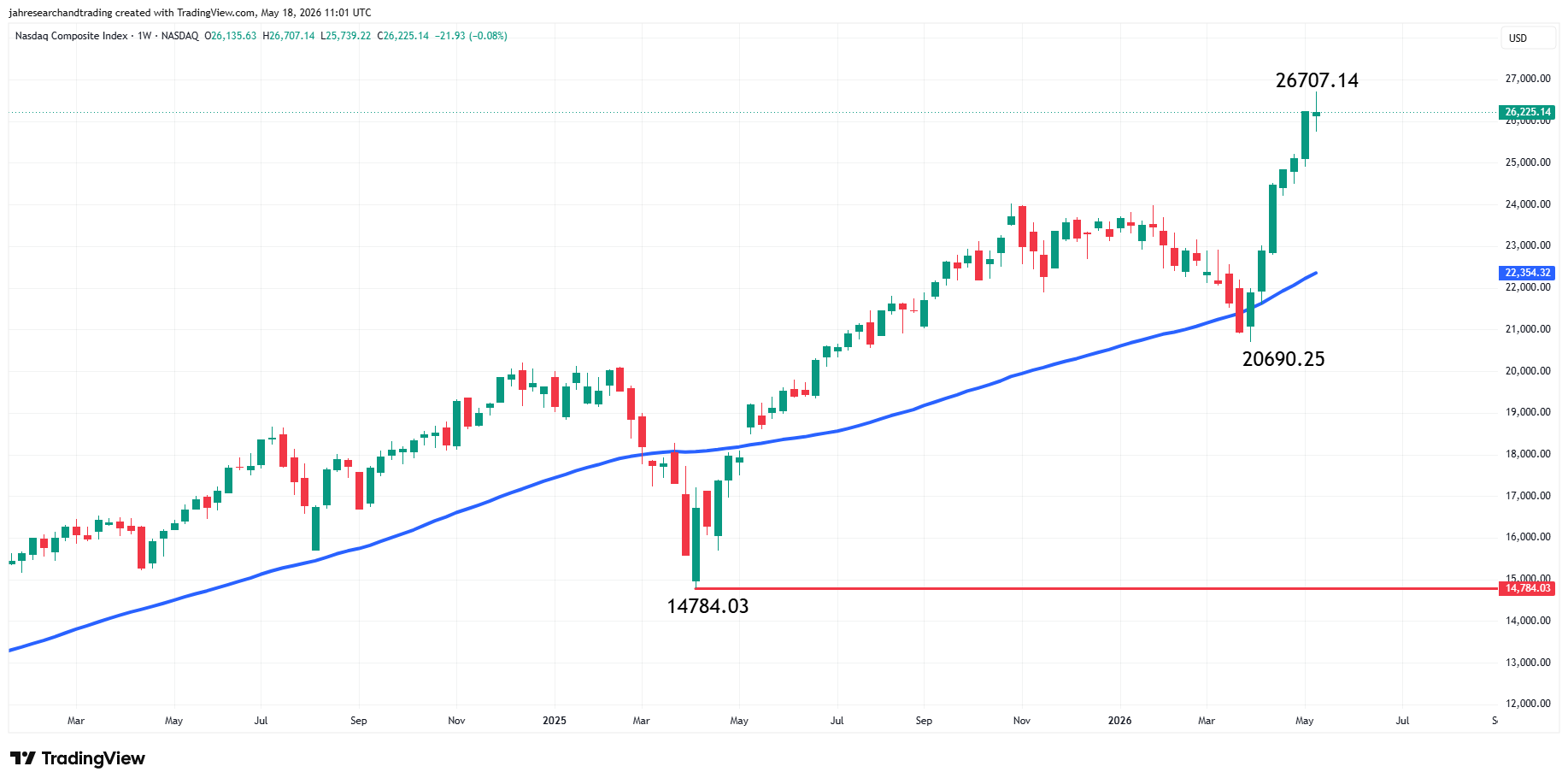
The AI trade became one of the most crowded positions in the market during the first half of the year. Nvidia pushed toward a $5.7 trillion market cap. Semiconductor valuations expanded on expectations for explosive demand growth. That positioning works when rates are falling or stable. It becomes a liability when the Fed is moving in the opposite direction and investors start questioning whether current multiples can survive a prolonged period of elevated rates.
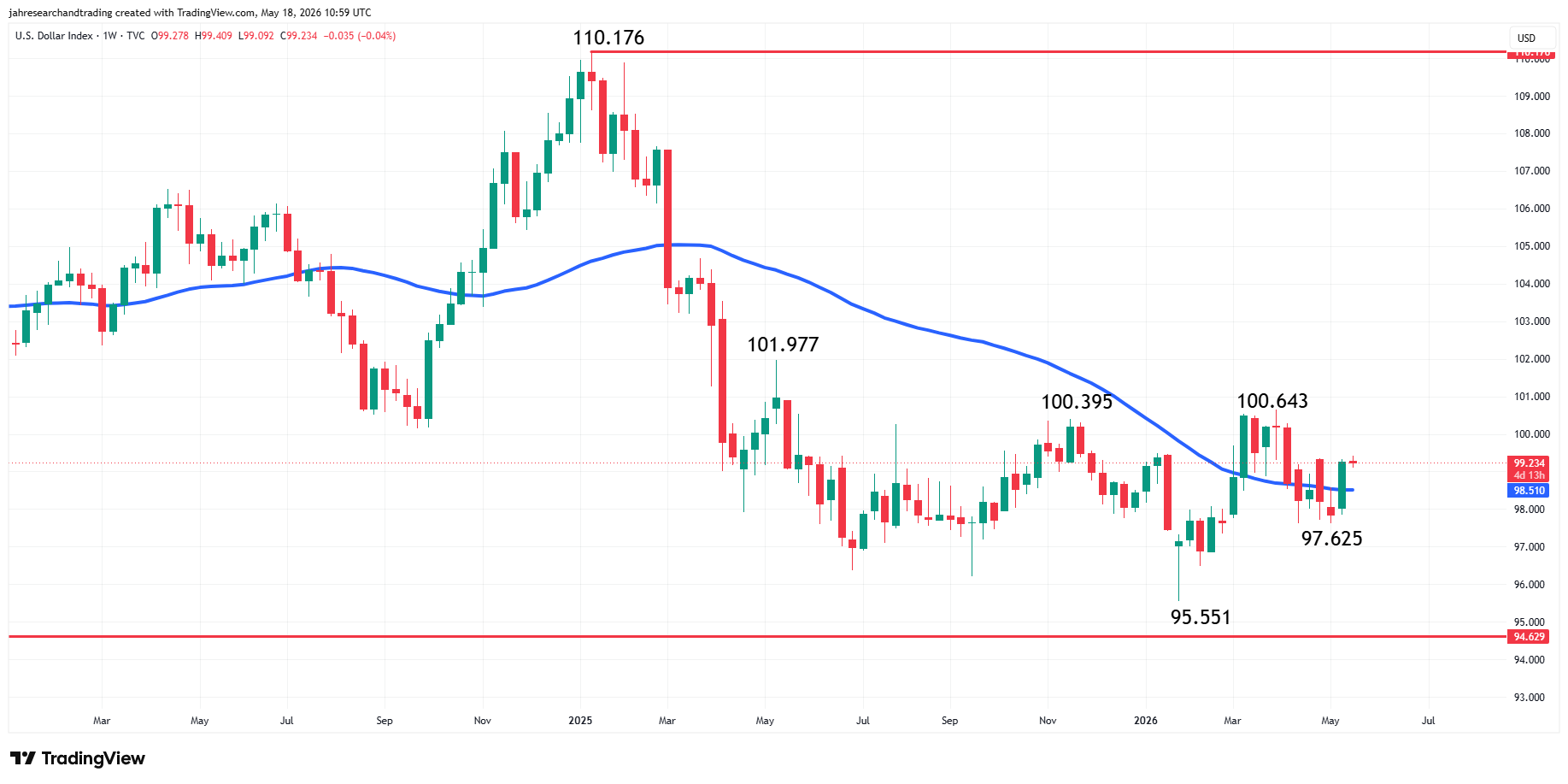
Large technology companies generate substantial revenue overseas and the U.S. Dollar Index is already running. A stronger dollar does not show up in the headline earnings number until conversion and by then the damage is done. That is a second mechanism hitting profit growth at exactly the moment rate pressure is already questioning whether current valuations make sense.
The third hit is on the balance sheet. Companies that financed expansion and buybacks at near-zero rates are rolling that debt at significantly higher costs right now. The earnings beat cycle that has been running above historical averages all year does not survive a prolonged period of rising financing costs. The math stops working and it stops working across the board, not just at the weakest names.
What Happens to Gold and Silver
Gold does not benefit from hot inflation in the current environment and a Core PCE surprise does not change that. The mechanism that matters is the rate chain. Hotter inflation keeps the Fed on hold. A Fed on hold keeps yields elevated. Elevated yields mean investors can collect 4.5% to 5% in government bonds with virtually no credit risk. Gold pays nothing. That comparison does not favor bullion and a Core PCE miss makes it worse not better.
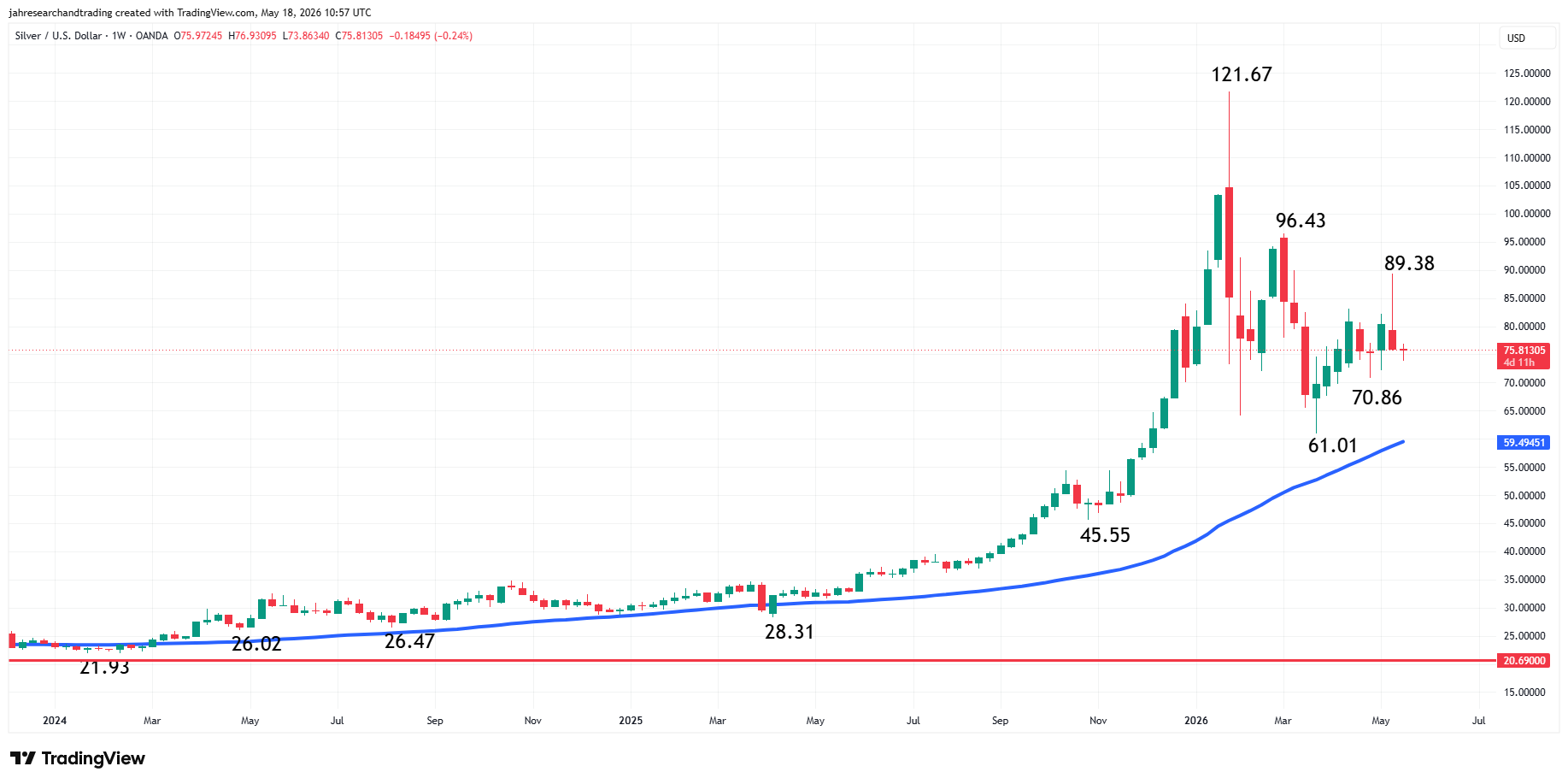
Silver carries additional downside risk because it depends on industrial demand as well as rate expectations. If tighter monetary policy slows economic growth the industrial demand story that has been supporting silver through the AI infrastructure buildout weakens at the same time the rate environment is working against it. Two pressure points instead of one.
The one scenario where gold recovers strongly is if inflation keeps rising while the Fed falls visibly behind the curve. Markets that believe the central bank has lost control of inflation historically rotate into gold as a long-term inflation hedge. That scenario requires the Fed to be late and visible in its lateness. Under Warsh that scenario is less likely not more likely. A tighter Fed by reputation changes the calculus even if the data is running hot.
The Way I See It
The May 28 Core PCE report is not arriving in normal conditions. It is arriving after three consecutive hot inflation prints, a Fed chair transition to someone with a tougher inflation mandate, Treasury yields at multi-year highs and a stock market that has concentrated its gains into a narrow group of AI and semiconductor names that are maximally sensitive to the rate environment. One more hot number does not need to be historic to be damaging. It just needs to be above expectations and confirm what the previous three reports already suggested. Inflation is not cooling on its own and the Fed under Warsh has every reason to respond to that with continued tightening rather than relief. Investors sitting in cash, short-duration bonds and defensive sectors are better positioned for that outcome than those still chasing AI valuations at current multiples.