


The interest rate outlook has changed after the strong May jobs report. The U.S. economy added 172,000 jobs and the unemployment rate remained low at 4.3%. That will put pressure on the Fed to maintain a hawkish stance as robust job growth, higher wage growth, and persistent inflation will weaken the case for cutting rates sooner. The bond market has already reacted as traders are pricing a tighter Fed path, with 2-year Treasury yields rising to 4.16%. This article examines the interest rate outlook, the U.S. labor market indicators, the policy dilemma in Japan and the effects on USD/JPY.
Fed Rate Outlook: Strong Jobs Report Lifts Interest Rate Expectations
The latest jobs reports give the Federal Reserve reason to sound less dovish. The chart below shows that the economy added 172,000 jobs in May. This was the third consecutive monthly gain.
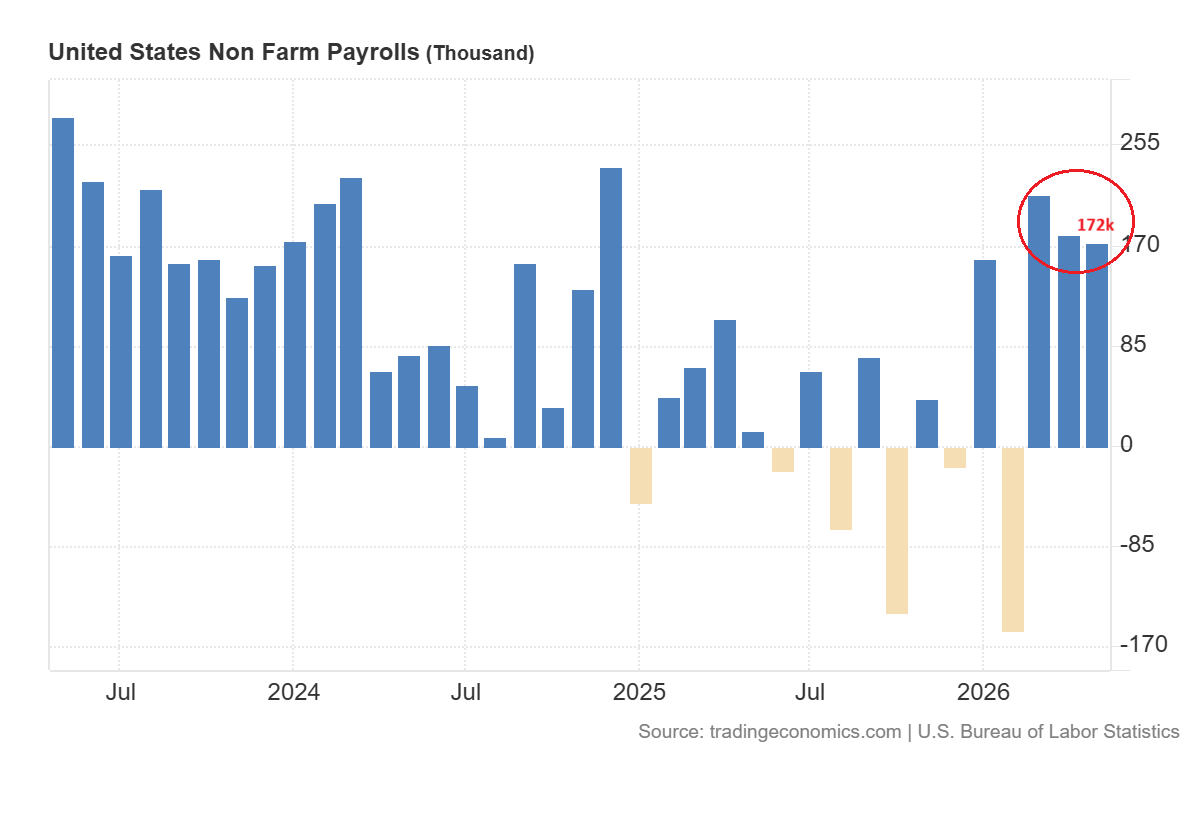
The unemployment rate remains at 4.3% which means the economy is not as weak as to warrant less aggressive policy position. This is important because the Fed cannot rely on growth if inflation pressures are present.
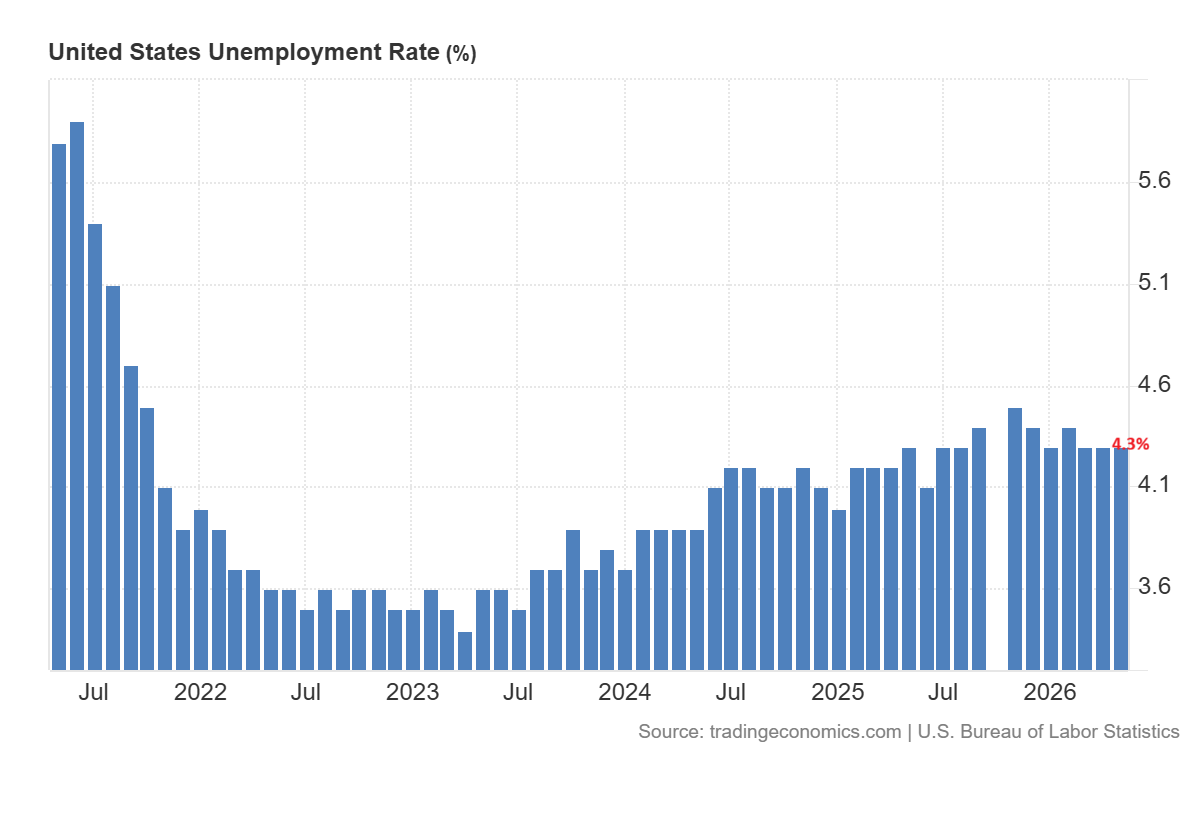
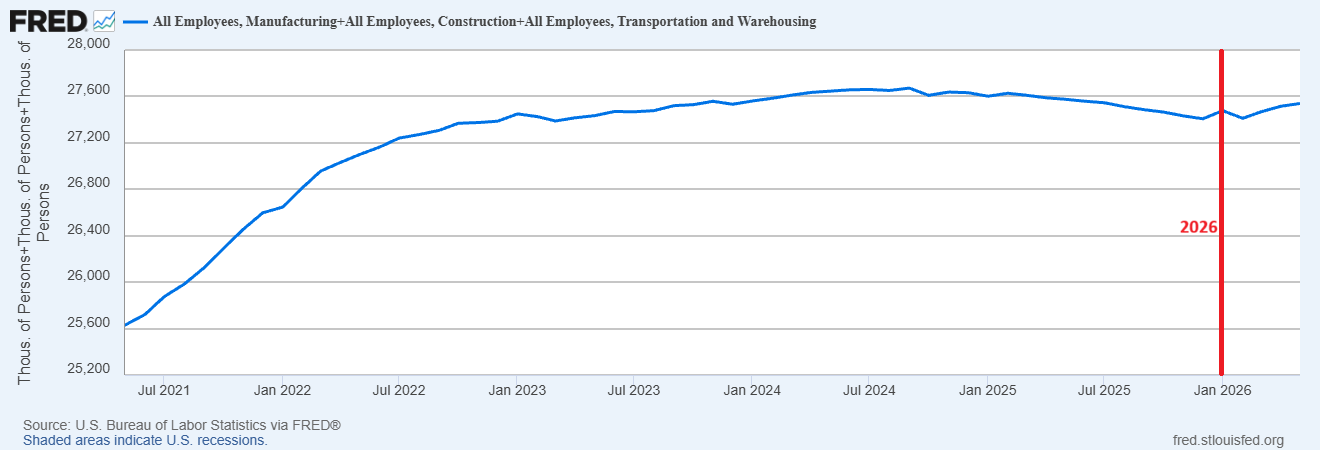
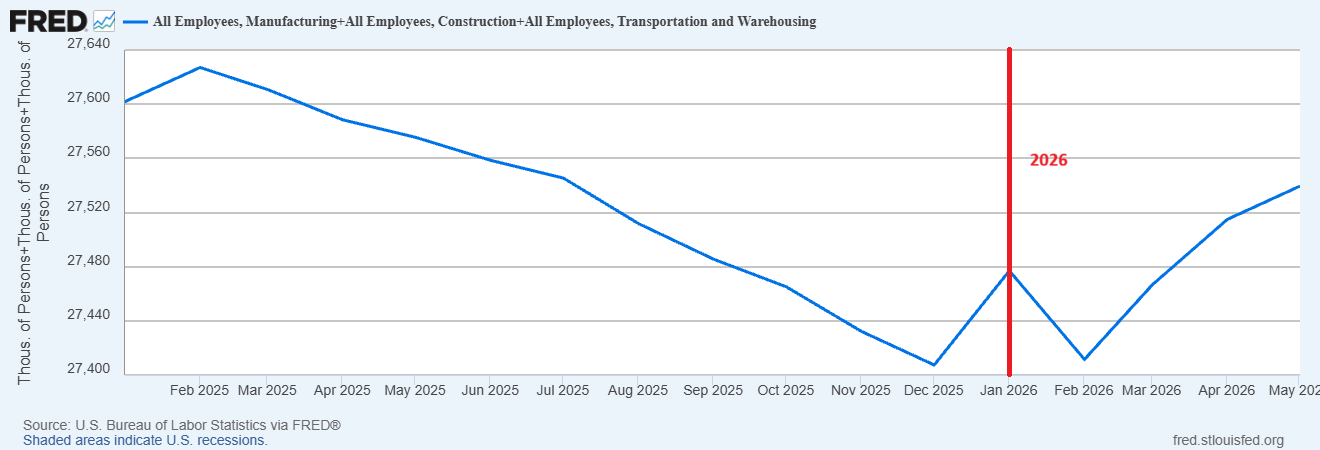
The strength of the components of the labor market also supports hawkish interest rate outlook. Cyclical employment has begun to pick up following the weakness of 2025 as seen in the chart below. This is significant because cyclical sectors tend to turn before the economy.
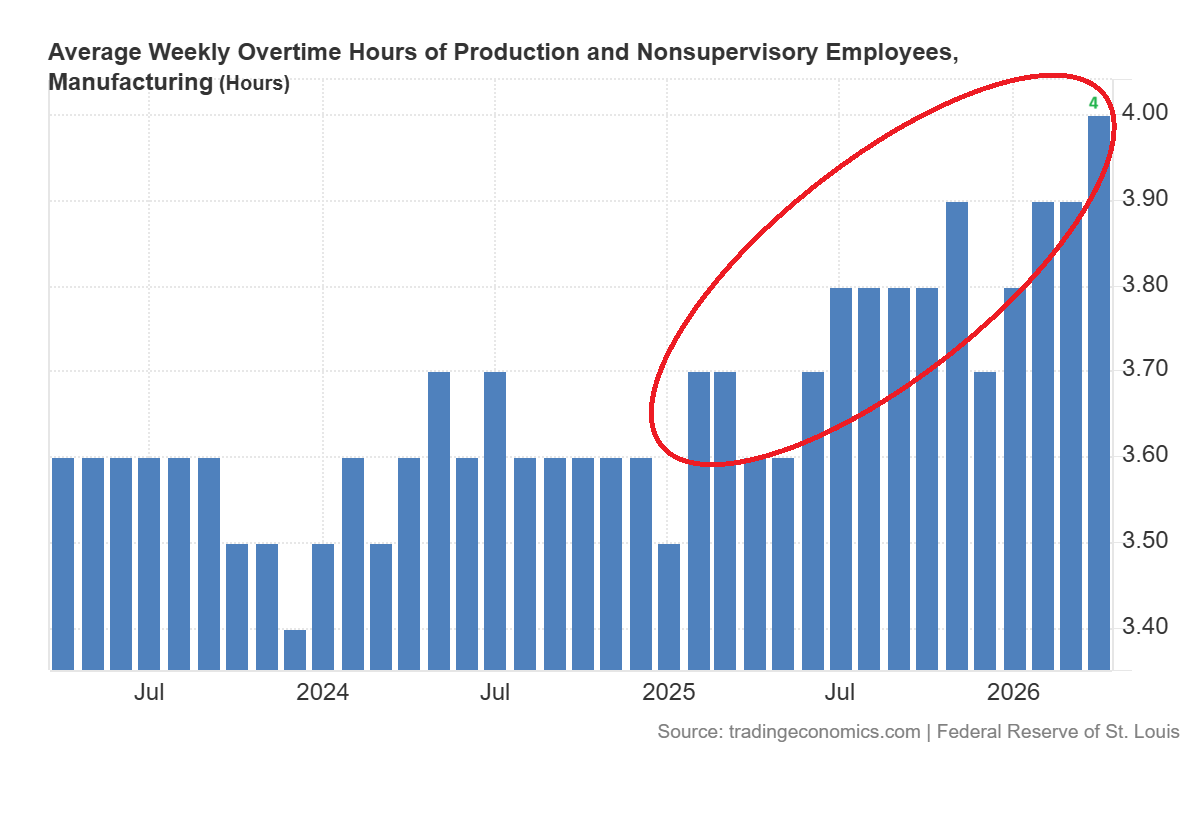
The chart below shows that the average weekly overtime of production and nonsupervisory employees increased to 4 hours in April 2026.
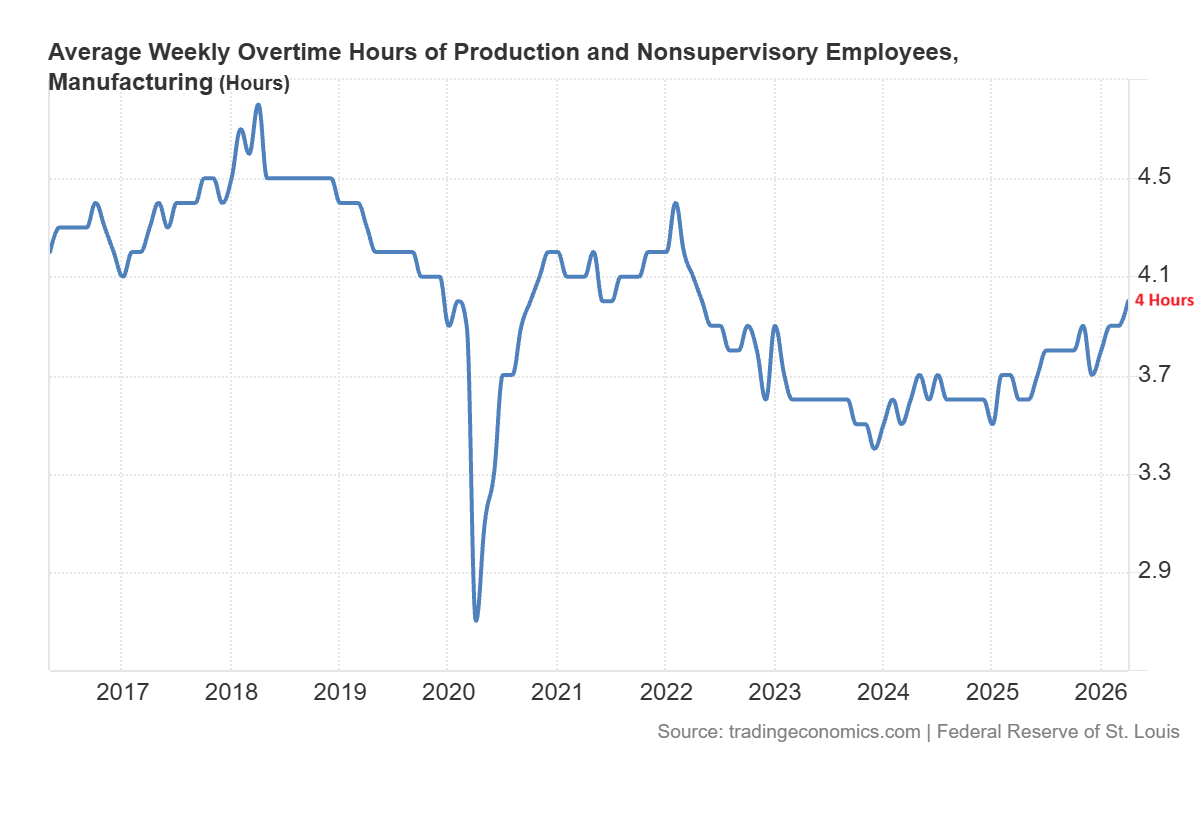
This increment is consistent with the 2025 positive trend and indicates an upturn in manufacturing activity. Usually, companies raise overtime before they raise their recruitment numbers.
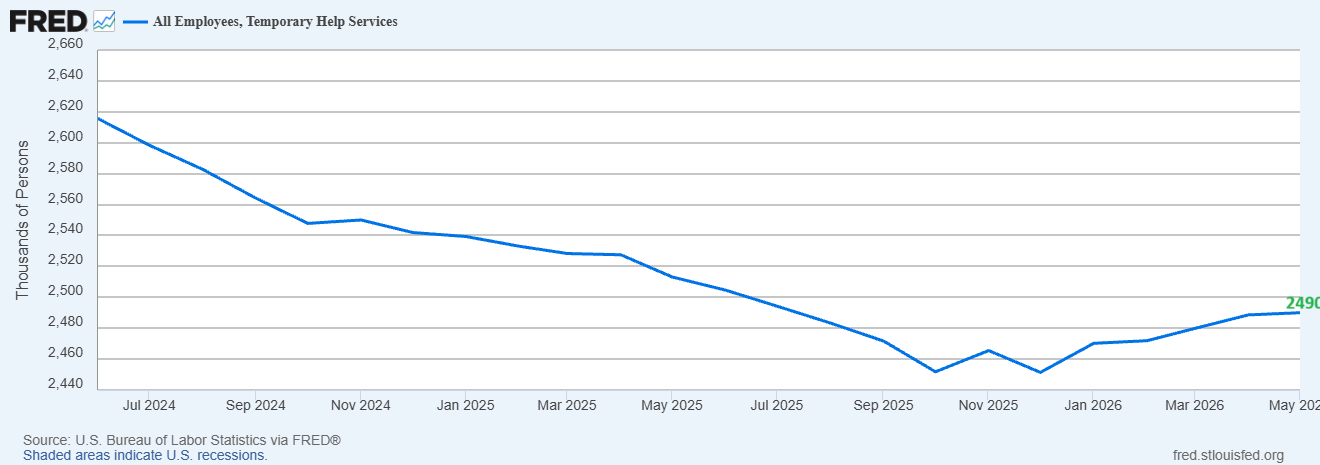
Temporary hiring has also recovered from an extended downtrend, indicating an improving attitude toward business.
The signals are making the Fed’s job more difficult. A poor jobs market would give the central bank the opportunity to concentrate on growth threats. In a tight labor market, it must be concerned with inflation risks. That’s why Treasury yields climbed following the report. The 2-year yield rose to 4.16% while the 10-year yield increased to 4.52%. That means bond traders expect tighter policy for longer.
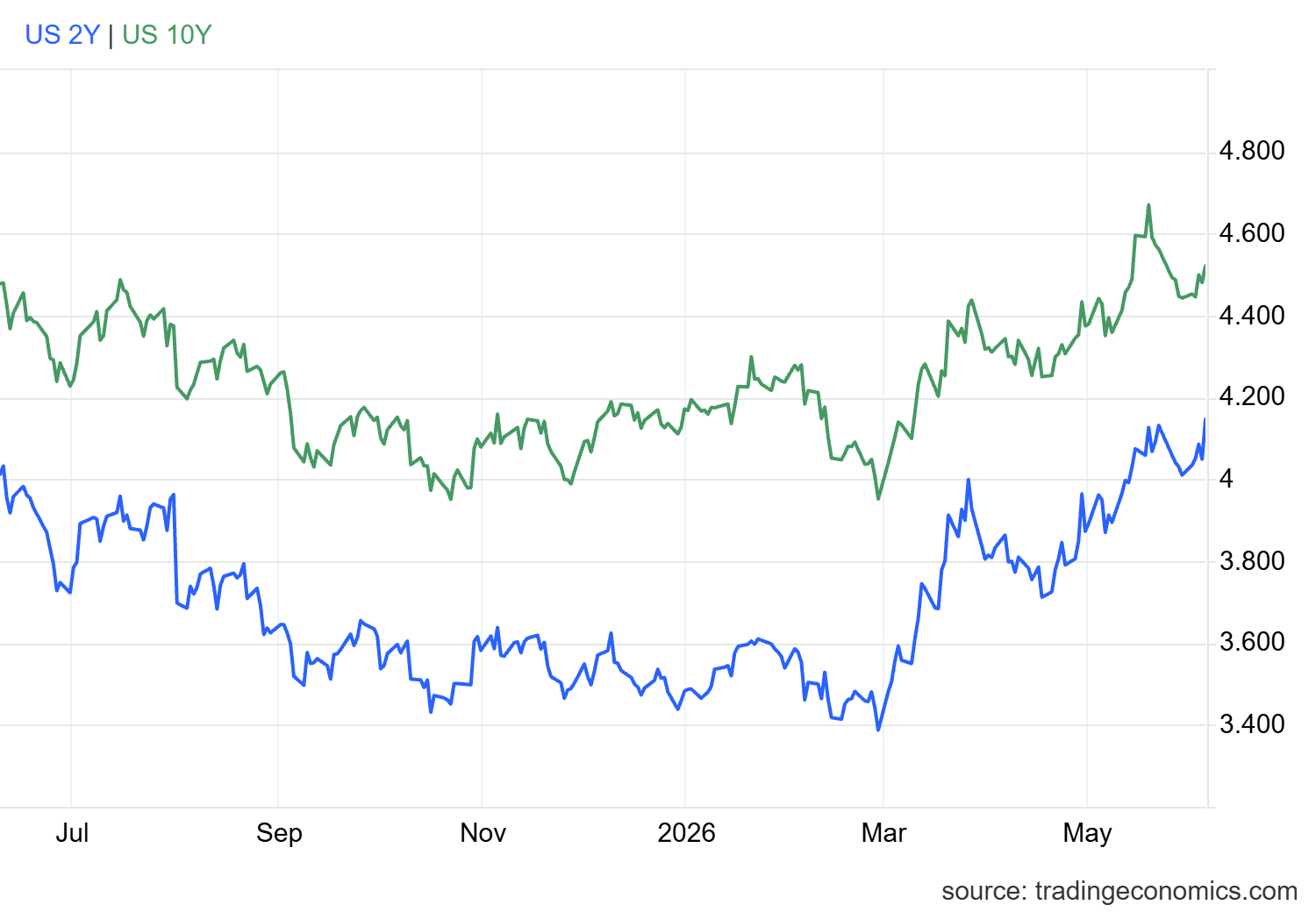
The next message from the Fed will be crucial. The market may price more rate hikes if policymakers accept stronger jobs and inflation pressures. A more relaxed tone from the new Fed leadership could relax the bond market. Long-term yields may increase further as investors seek more inflation risk premium.
USD/JPY Price Forecast
Every new USD/JPY analysis as it publishes, today's technical signal and key levels, live price — on one page.
See all USD/JPY forecastsTreasury Yields Rise as Inflation Risk Delays Fed Rate Cuts
The key to the next Fed’s decision is whether the policymakers see the jobs report as strength or inflation risk. The strong employment data support the income and spending. It can also help maintain wage growth and slow down the return to low inflation. That is why the bond market quickly responded to the jobs data. The increment in the US Treasury yields indicates that investors no longer view rate cuts as top opportunity.
The U.S. dollar is also supported by higher yields on U.S. Treasuries. The US Dollar Index broke higher this week as strong jobs data bolstered U.S. economic confidence and increased the possibility of higher rates for longer. The dollar is important because it has an impact on commodities, liquidity and the major forex pairs.
The next policy decisions for the Bank of Japan and the U.S. Federal Reserve on 16th-17th June are significant. The next step in global yields may be influenced by these two decisions. The Fed’s hawkish tone paired with a slow BOJ should keep the rate differential in favour of USD/JPY. But the yen could rally if the BOJ’s message is more hawkish than expected.
The interest rate outlook is also influenced by oil prices. Rising oil prices could raise inflation pressures. That suggests that the Fed may be more cautious in loosening policy. This puts pressure on Japan as th country is heavily dependent on energy imports.
BOJ Rate Hike: Japan Wages Support Tightening as Yen Weakens
Japan Wage Growth Strengthens the BOJ Rate Hike Case
Japan is making a key policy decision as well. Real wages increased by 1.9% for the 4th consecutive month in April. This further bolsters the Bank of Japan’s arguments for another hike, as BOJ seeks sustained wage and price increases before going further.
Total cash earnings also increased 3.5% from a year ago and base pay for full-time workers remained above 3% for a fourth consecutive month.
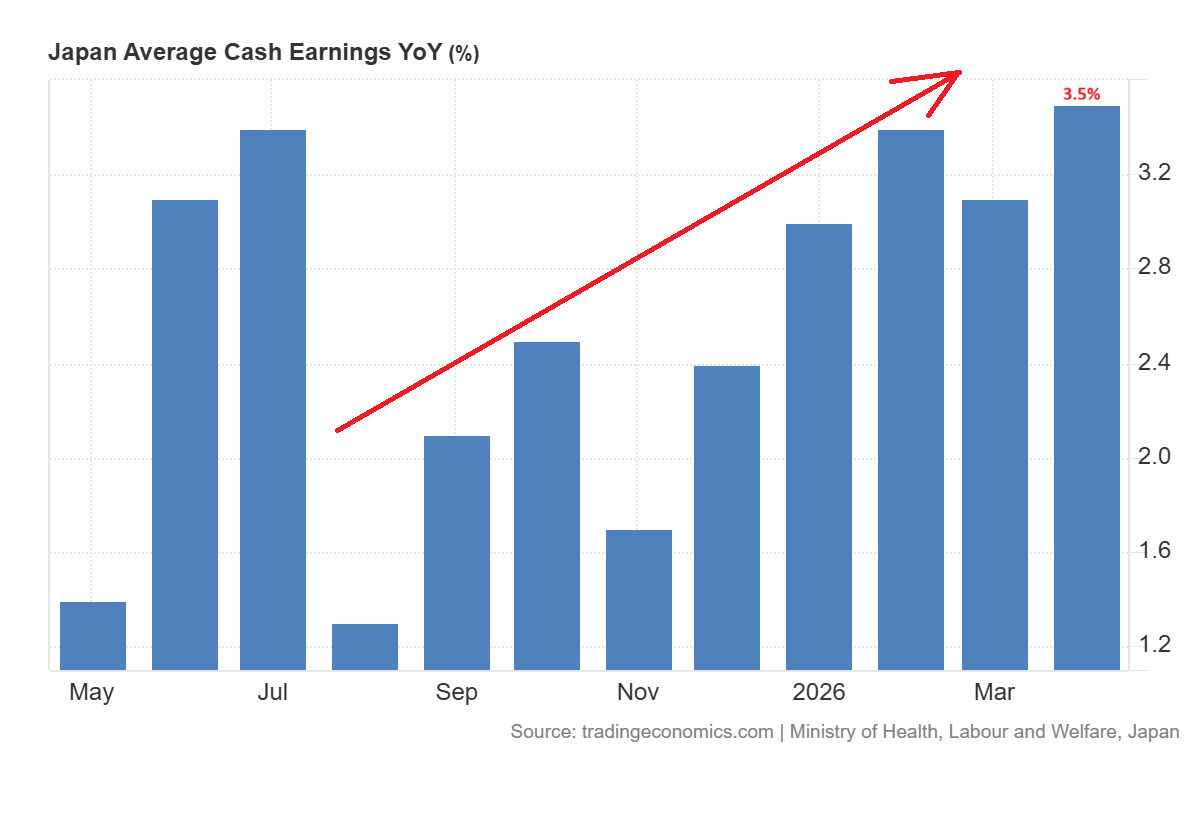
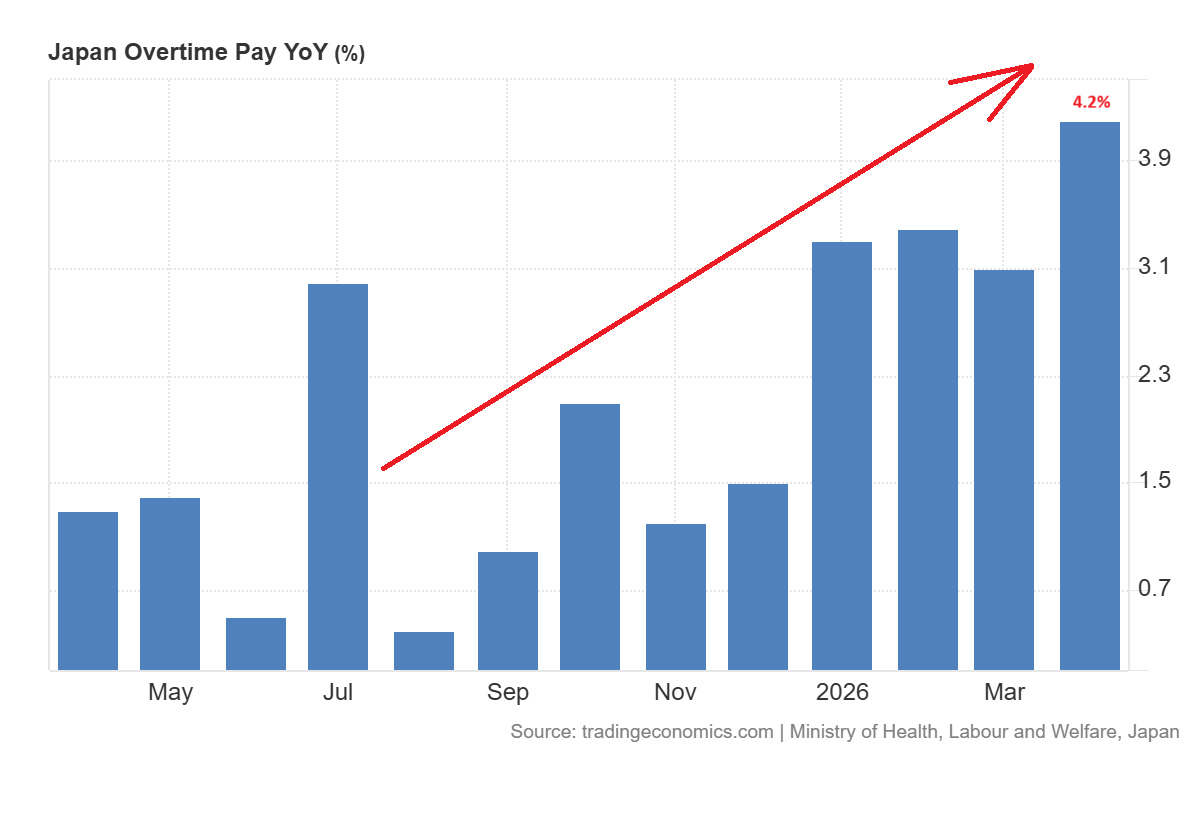
The chart below shows that the overtime pay also increased to 4.2%. The overtime pay shows increasing pattern since the second quarter of 2025. This data indicates the improvement in the wage cycle of Japan. This provides the BOJ with greater confidence that inflation can shift to domestic inflation rather than imported cost inflation.
Japan Demographics and Debt Limit BOJ Policy Flexibility
But the Japanese situation is worse. The birthrate of Japan has hit an all-time low. The number of births fell to just over 670,000, the lowest since records began in 1899. The population decline and aging are also occurring in Japan. This leads to a shortage of labour, increases social welfare expenses and diminishes the tax base.
It will be a significant long-term threat to interest rates. Japan can leverage automation and robotics to address shortage of manpower. But the robots can not completely address this fiscal strain due to the aging population. Japan already has high debt as the country has the debt to GDP ratio of 248.7%, which is one of the highest in the world. The increases in social spending can further increase budget pressures.
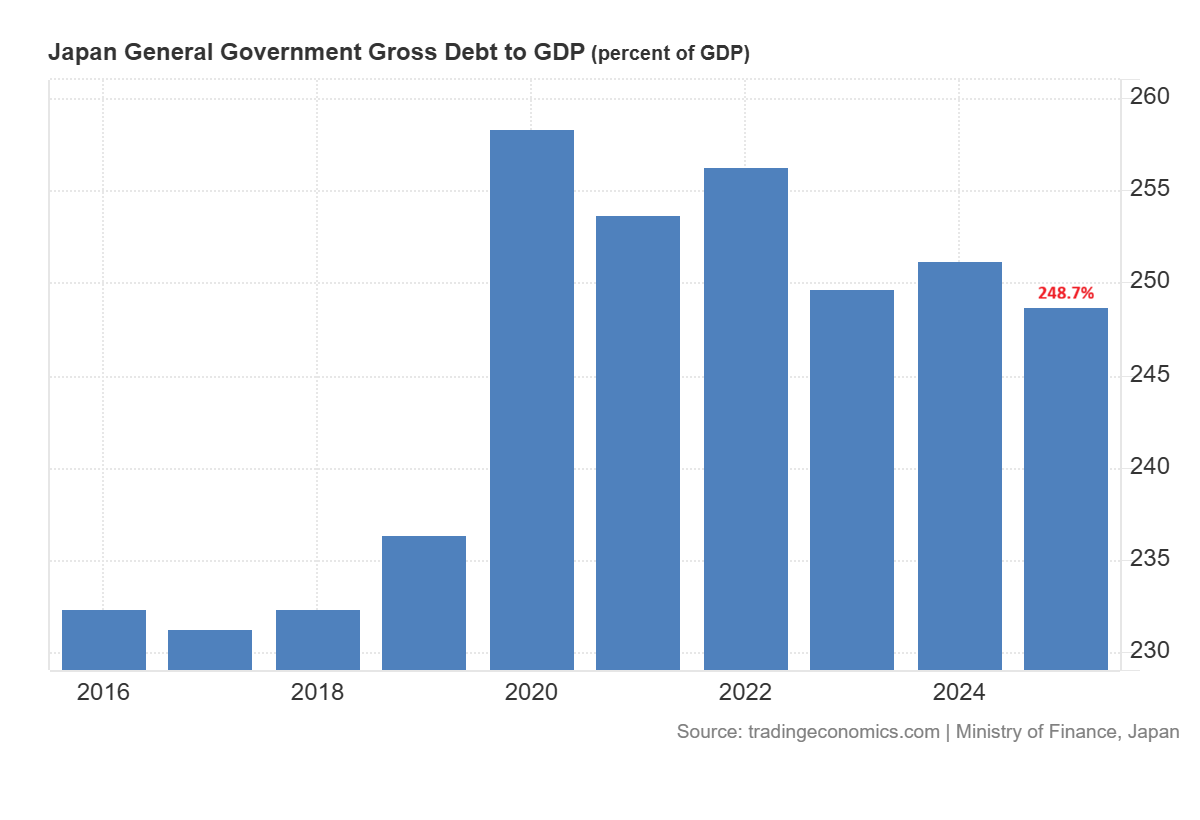
The possibility of higher bond yields over time is possible if Japan continues to run larger deficits and growth weakens.
The BOJ thus has a tricky balancing act. It needs to hold the yen and tame down inflation without hurting the weak domestic economy. An increase in the interest rate may stabilize the currency. But too much tightening could hurt spending and growth. This is why the BOJ decision is so important for global markets.
USD/JPY Forecast: 160 Level Puts Japan Intervention Risk in Focus
Rate Gap Keeps USD/JPY Supported Near 160
USD/JPY reached the 160 level last week and shows signs of strength within the 160-162 zone. The U.S. still has much higher yields as compared to Japan as seen in the chart below. But this gap is thinning after the surge in Japanese yields from 2022.
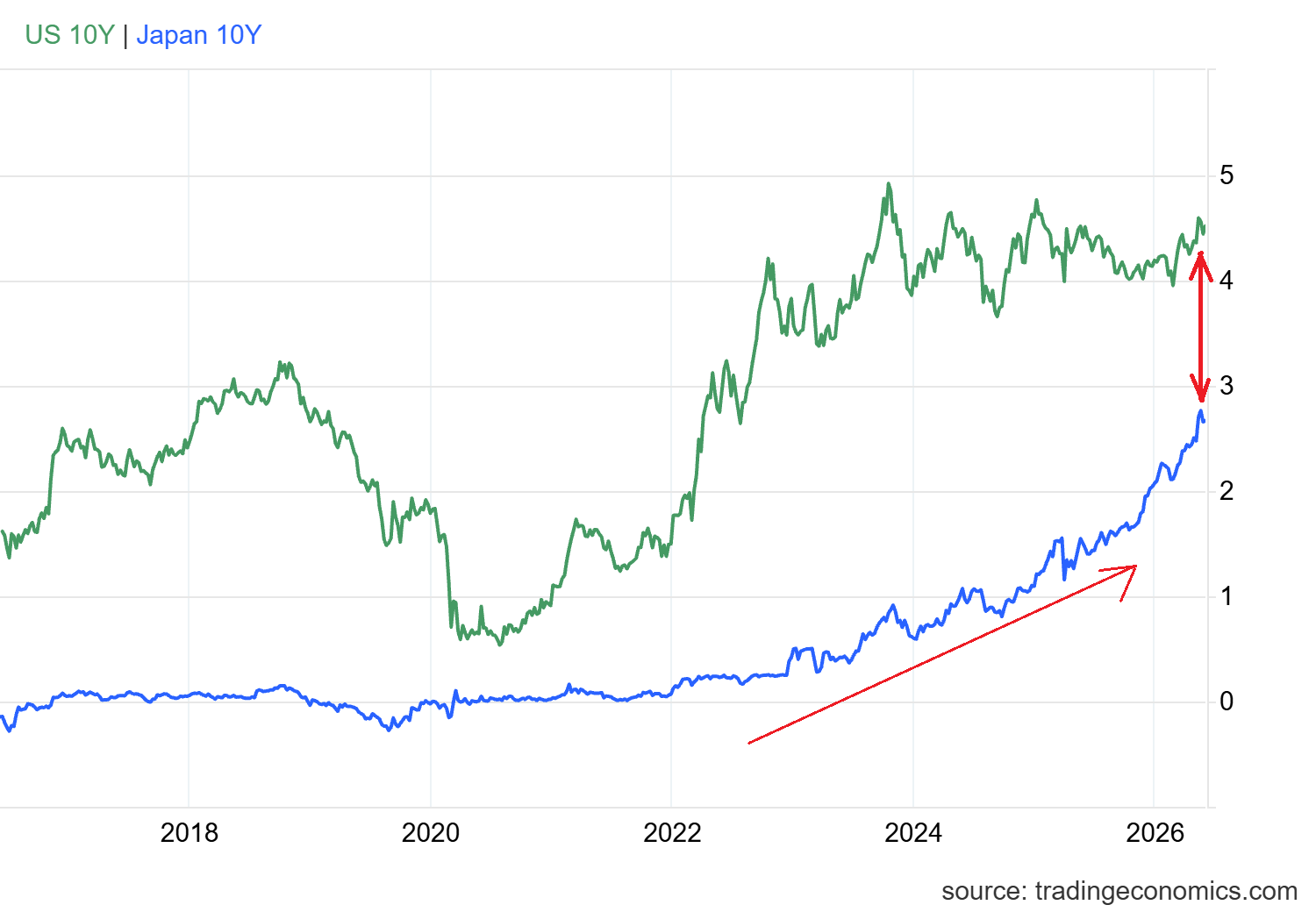
This gap indicates that investors are more confident in buying dollars as compared to yen. This helps to support USD/JPY. The only way for Japan to reduce this pressure is if the BOJ is more hawkish or if the Fed is less hawkish.
A weak yen makes imports more expensive particularly for energy and food. That hurts households. It also puts pressure on the Japanese government to take action. Japan has already stated that it is prepared to react to currency movement.
The risk of intervention and sharp volatility increases if the break above 160-162 develops.
USD/JPY Technical Analysis: Breakout Risk Builds Near 160–162
From a technical perspective, the USDJPY remains in a strong and healthy uptrend, as seen in the daily chart below. The pair has formed a strong bottom at the 140 level. Each time the pair bottoms at 140, it produces a strong rally toward 160.
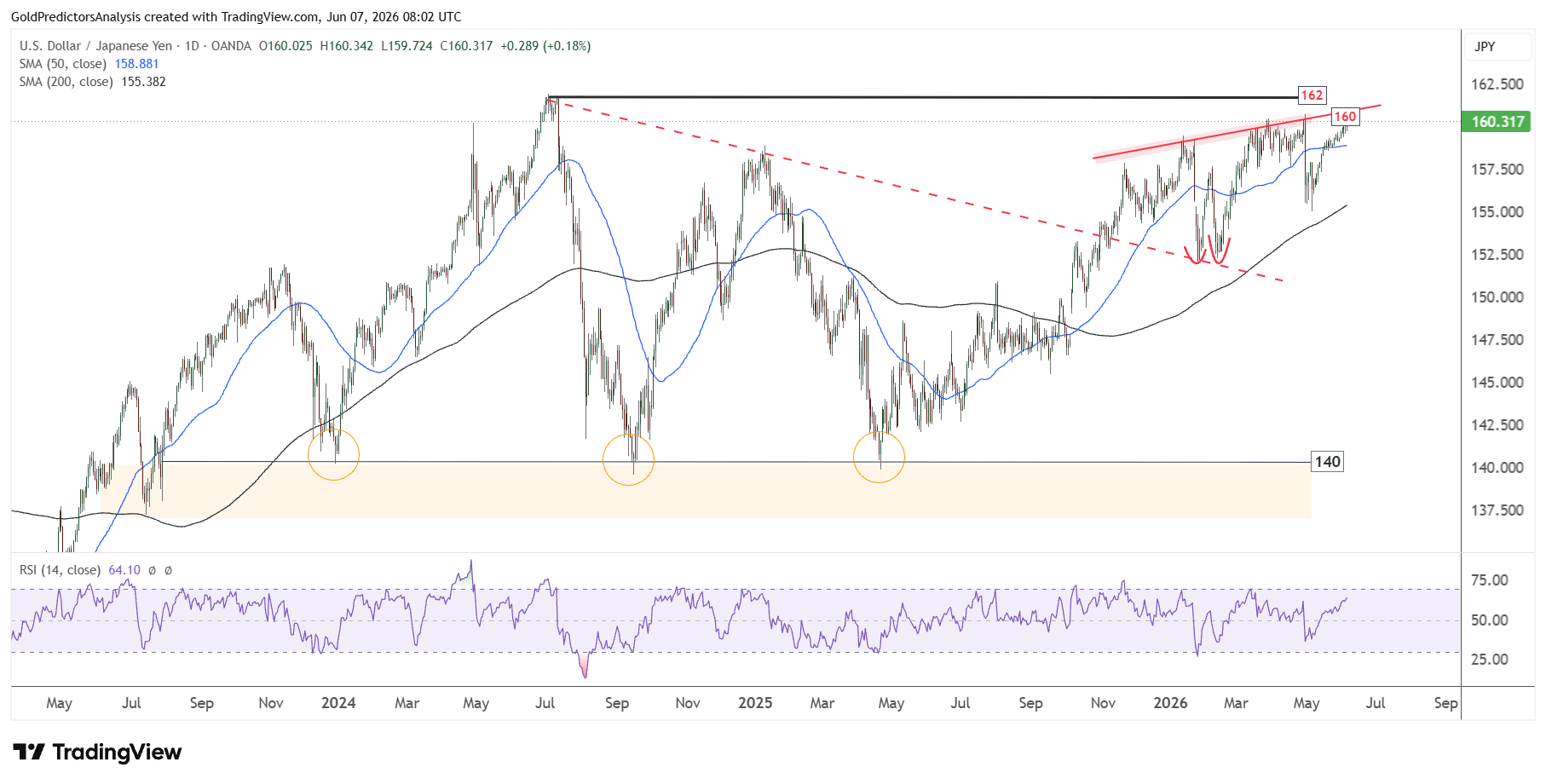
The bottoms in December 2023, September 2024, and April 2025 have triggered a strong surge in USD/JPY toward the 160 to 162 level.
But the rebound from April 2025 is more constructive as it produces a strong consolidation below the 160-162 zone.
This constructive price action near the 160 to 162 level increases the likelihood of upside breakout.
And if the USDJPY produces an upside breakout, it will likely trigger a strong surge in the pair.
To further understand the short term price action in USDJPY, another daily chart shows the red trend line. The trend line lies between the 160 and 162 levels. A break above this line will likely trigger the next surge in USDJPY.
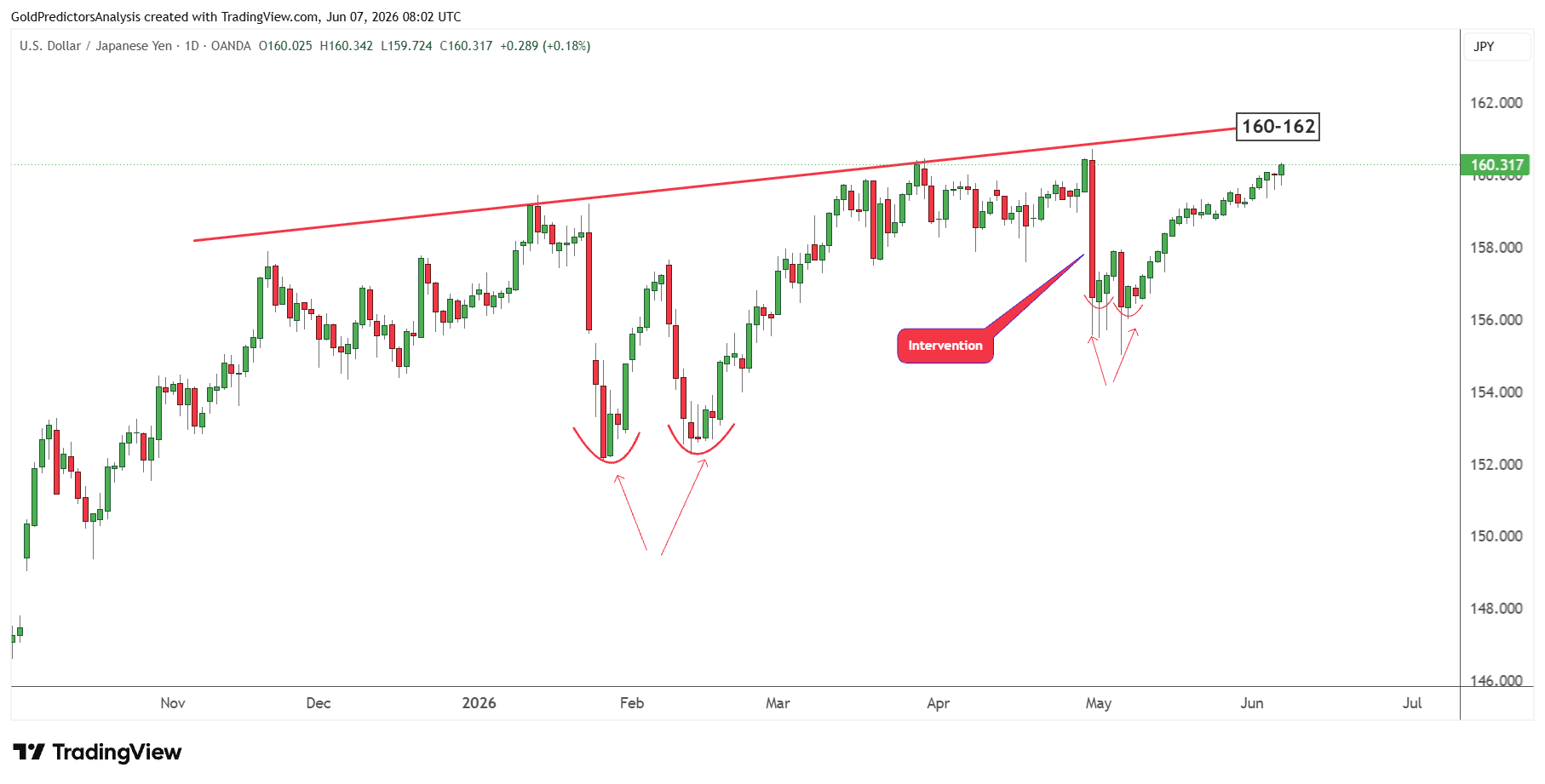
The chart shows that intervention has produced a strong bottom each time, such as the bottoms in January 2026, February 2026, and May 2026. These bottoms have all triggered strong rallies.
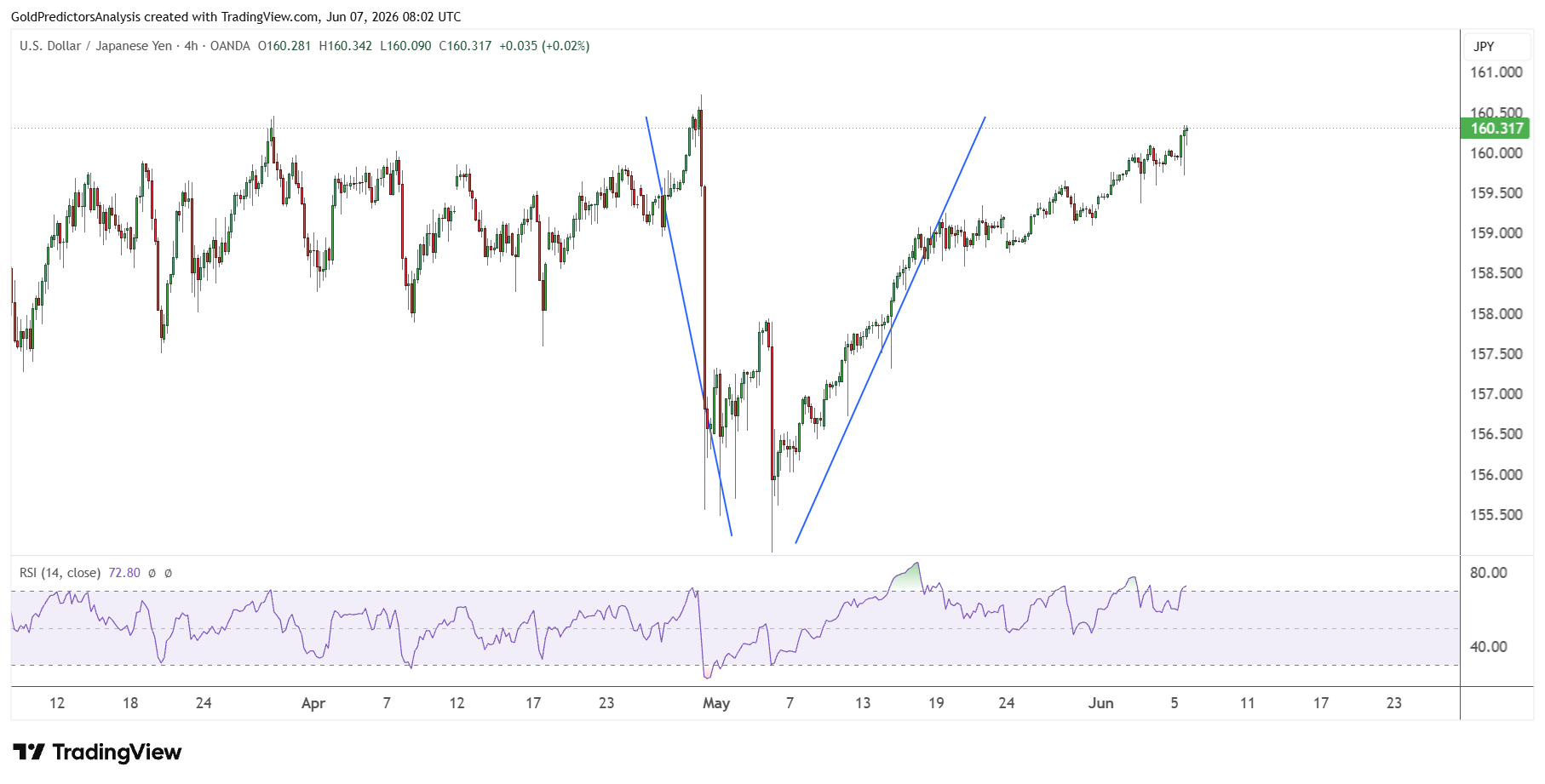
The 4-hour chart also shows the constructive price action. The chart shows that the recovery from the 155 level is very constructive. The price is slowly moving toward the 162 level. This increases the possibility of an upside breakout above this zone.
Bottom Line
The interest rate outlook primarily drives the global markets and the USDJPY. The robust U.S. jobs report continues to put pressure on the Fed to remain hawkish, and rising Treasury yields support the U.S. dollar. There is another challenge for Japan. Higher wages would be good for a BOJ rate hike, but the poor demographic trends, high debt and sluggish consumption suggest little room for maneuver for the central bank. This does not provide strong support for the yen, and it may keep USD/JPY supported in the 160 to 162 range.
If it breaks above this area, then another big rally is likely but the chances of intervention are also increasing. It will be up to the next Fed and BOJ meetings to determine if the rate differential continues to push USD/JPY higher or if it will lead to a dramatic turnaround.
Read more: Interest Rate Forecast: Dow Jones and S&P 500 Rally Despite Fed Rate Risks