While inflation continues to dominate market commentary late in 2025, the more immediate threat to U.S. economic stability is emerging from the labor market. Evidence is building that employment conditions are weakening faster than headline data suggests, creating a risk profile that traders cannot ignore heading into 2026.
For markets, this shift matters more than marginal changes in CPI. A deteriorating labor backdrop changes the Federal Reserve’s reaction function, alters earnings expectations, and reshapes flows across equities, gold, and the U.S. dollar. The core question for traders is no longer whether inflation cools, but whether labor weakness forces the Fed into a faster and deeper easing cycle than currently priced.
Richmond Lee, CFA and Senior Market Analyst at PU Prime commented:

While inflation still dominates market headlines late in 2025, the U.S. labor market is increasingly emerging as the more immediate risk for the economic outlook heading into 2026. Despite fairly stable headline numbers, there are growing signs that employment conditions are weakening faster than markets currently price in, with important implications for monetary policy and asset prices.
The Federal Reserve has already begun to shift its focus. After delivering its third rate cut of the year, policymakers have signaled that labor market deterioration now represents a greater threat than inflation. Chair Powell acknowledged that payroll data may be overstating job creation, while other Fed officials have suggested that policy remains restrictive relative to underlying employment trends. This change in emphasis increases the likelihood of further rate cuts should labor conditions continue to soften.
Recent data reinforces these concerns. Although the unemployment rate remains contained, hiring has slowed sharply, job postings have fallen to multi-year lows, and the quits rate has dropped to levels typically associated with late-cycle conditions. Layoffs are gradually rising, and unemployment duration is increasing, particularly among college-educated and higher-income workers. This development is especially relevant, as these groups account for a disproportionate share of consumer spending, the main engine of U.S. growth.
For markets, the implications are mixed. On one hand, weaker labor conditions strengthen the case for additional Fed easing, supporting equity valuations and providing a favorable backdrop for gold through lower real yields. On the other hand, a sustained deterioration in employment would eventually weigh on corporate earnings and increase downside risks for equities.
Overall, labor market dynamics have overtaken inflation as the key macro variable to monitor. Whether employment weakness remains gradual or accelerates will be critical in determining market direction and the depth of any economic slowdown in 2026.
The Fed’s Shift: Employment Now the Primary Concern
The Federal Reserve’s December 10 decision to cut rates by 25 basis points to a 3.50%–3.75% range marked the third reduction of 2025, but the vote revealed growing internal strain. Three dissents underscored disagreement over how restrictive policy remains as economic conditions soften.
More important than the cut itself was Chair Jerome Powell’s admission that the economy is in a “very unusual” position: tariff-driven goods inflation remains sticky while labor conditions deteriorate. This combination has forced policymakers to reassess priorities.
Philadelphia Fed President Anna Paulson reinforced that message on December 13, stating that unemployment now poses a greater risk to the economy than inflation. She also suggested there is a “decent chance” inflation continues to ease through 2026 as tariff effects fade. That assessment implies policy is still restrictive relative to labor conditions, opening the door to further easing if employment weakens.
For traders, this marks a clear pivot. After years of inflation dominance, the Fed is signaling that job losses — not prices — will dictate policy decisions. That bias materially raises the probability of faster rate cuts if labor data continues to soften.
Gold Price Forecast
Every new Gold analysis as it publishes, today's technical signal and key levels, live price — on one page.
See all Gold forecastsWhy the Labor Data Is Worse Than It Looks
At first glance, the December unemployment rate of 4.1% appears manageable. Beneath that surface, however, the labor market is showing multiple signs of stress.
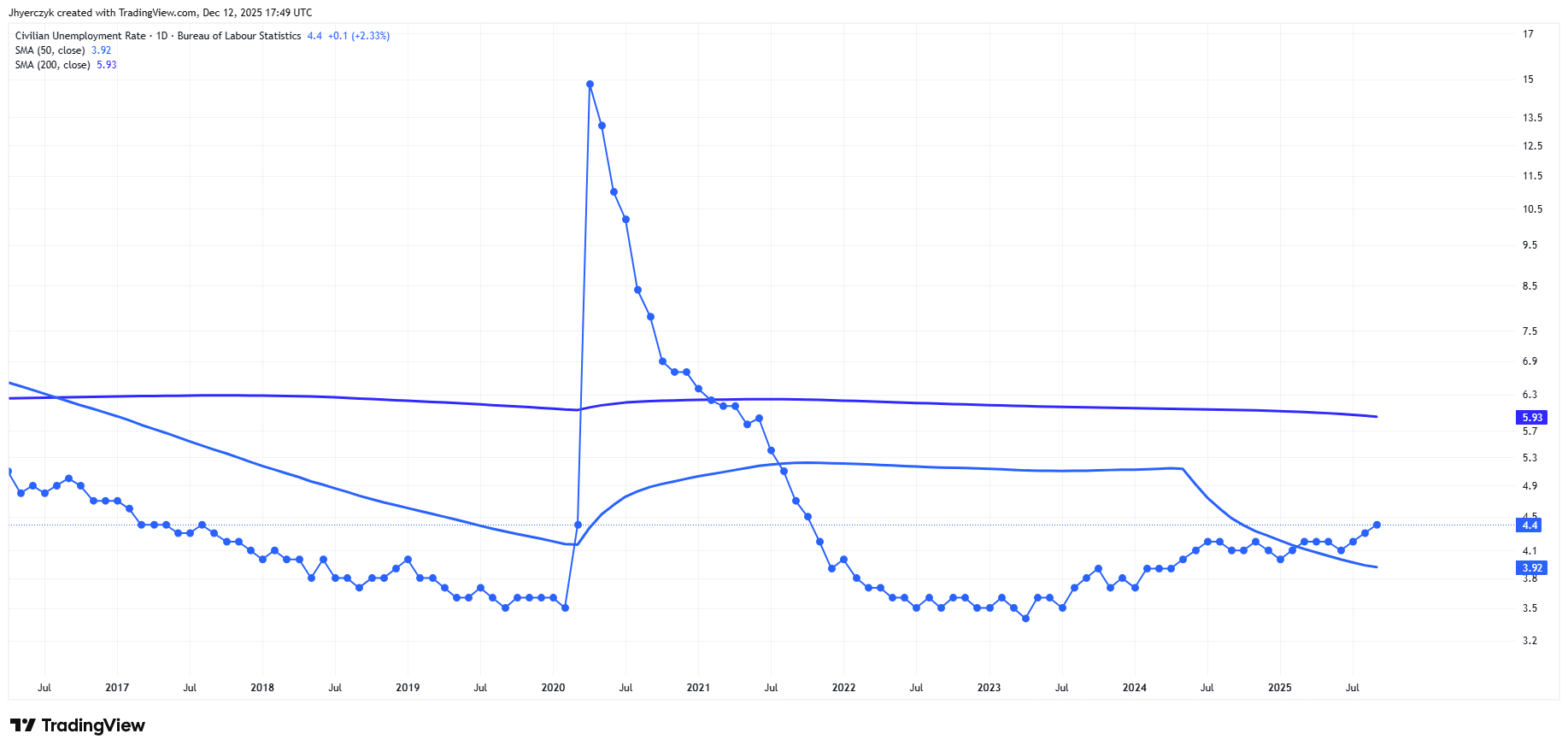
Figure 1. U.S. unemployment rate (UNRATE) chart (Source: TradingView).
Chair Powell disclosed that the Fed believes payroll data may be overstating job growth by roughly 60,000 per month. In practical terms, a reported gain of 40,000 jobs could actually represent a net loss of 20,000. If accurate, the economy may already be shedding jobs without markets fully recognizing it.
JOLTS data released December 9 offered little comfort. Job openings rose to 7.7 million in October, but much of that increase came from seasonal hiring in retail and transportation. More telling was the quits rate, which fell to 1.8%, the lowest level outside the pandemic since 2014. Workers are no longer confident they can leave a job and quickly find another, a classic early warning sign.
Layoffs climbed to 1.9 million in October, pushing the layoff rate to 1.2%, the highest since early 2023. While still below recession levels, the direction matters. As hiring slows, even modest increases in layoffs can quickly lift unemployment.
Unemployment duration is also rising. The average worker now spends 10 weeks without a job, while Black women — often an early indicator of labor stress — were unemployed for 18.5 weeks in September, sharply longer than a year earlier. Longer job searches reduce income stability and pressure consumer spending.
The Hiring Freeze Is the Biggest Red Flag
The most concerning development is not layoffs, but the collapse in hiring. The hiring rate fell to 3.5% in August, the lowest level since 2011 and consistent with post-recession conditions. According to Indeed, job postings dropped to their lowest level since early 2021.
This creates a fragile setup. Unemployment has not surged only because companies are not actively cutting staff. If growth slows further and layoffs increase while hiring remains frozen, the unemployment rate could rise quickly.
Goldman Sachs estimates underlying job growth at just 39,000 per month as of September, with alternative indicators pointing to renewed losses in October. Among college-educated workers — who account for roughly 40% of employment and the majority of wage income — conditions are deteriorating. Unemployment for graduates aged 25+ has climbed to 2.8%, while workers aged 20–24 face an 8.5% rate. Weakness among higher earners carries outsized risk for consumption.
Trading Implications Across Key Markets
Equity Index Futures and Stocks
Labor weakness creates a two-sided risk for equities. On one hand, softer employment almost guarantees continued Fed easing. Markets already price additional cuts by mid-2026, with expectations for policy rates near 3.00%–3.25% by year-end. Lower rates support valuations, particularly in rate-sensitive growth sectors.
On the other hand, employment deterioration threatens earnings. Consumer spending drives roughly 70% of U.S. economic activity, and prolonged labor stress will eventually pressure revenues.
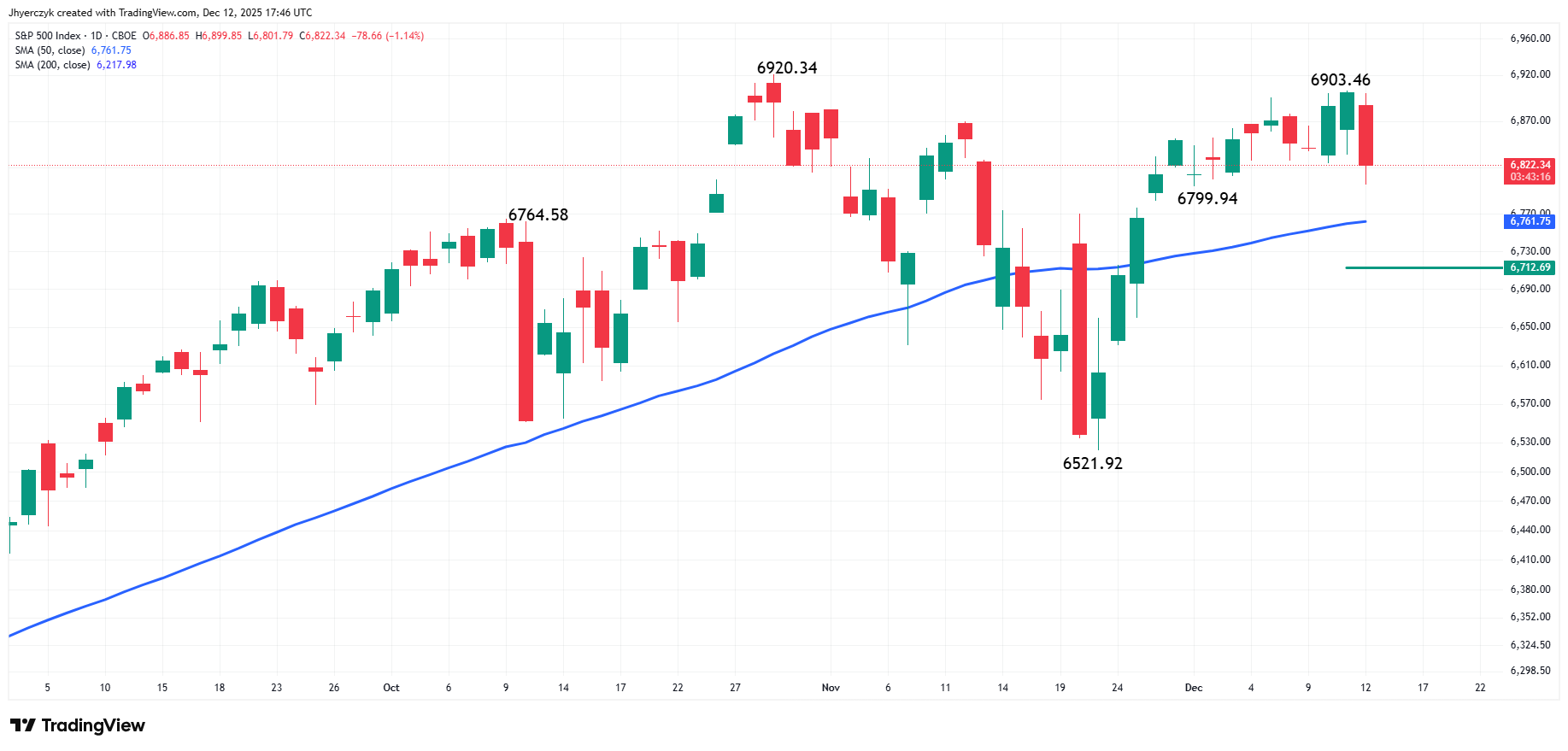
Figure 2. S&P 500 index (SPX) chart (Source: TradingView).
The inflection point to watch is hiring versus layoffs. Weekly jobless claims remain stable near 236,000, but sustained moves above 250,000 or negative payroll prints would shift sentiment sharply. Until then, expect equity volatility as traders alternate between easing optimism and recession risk.
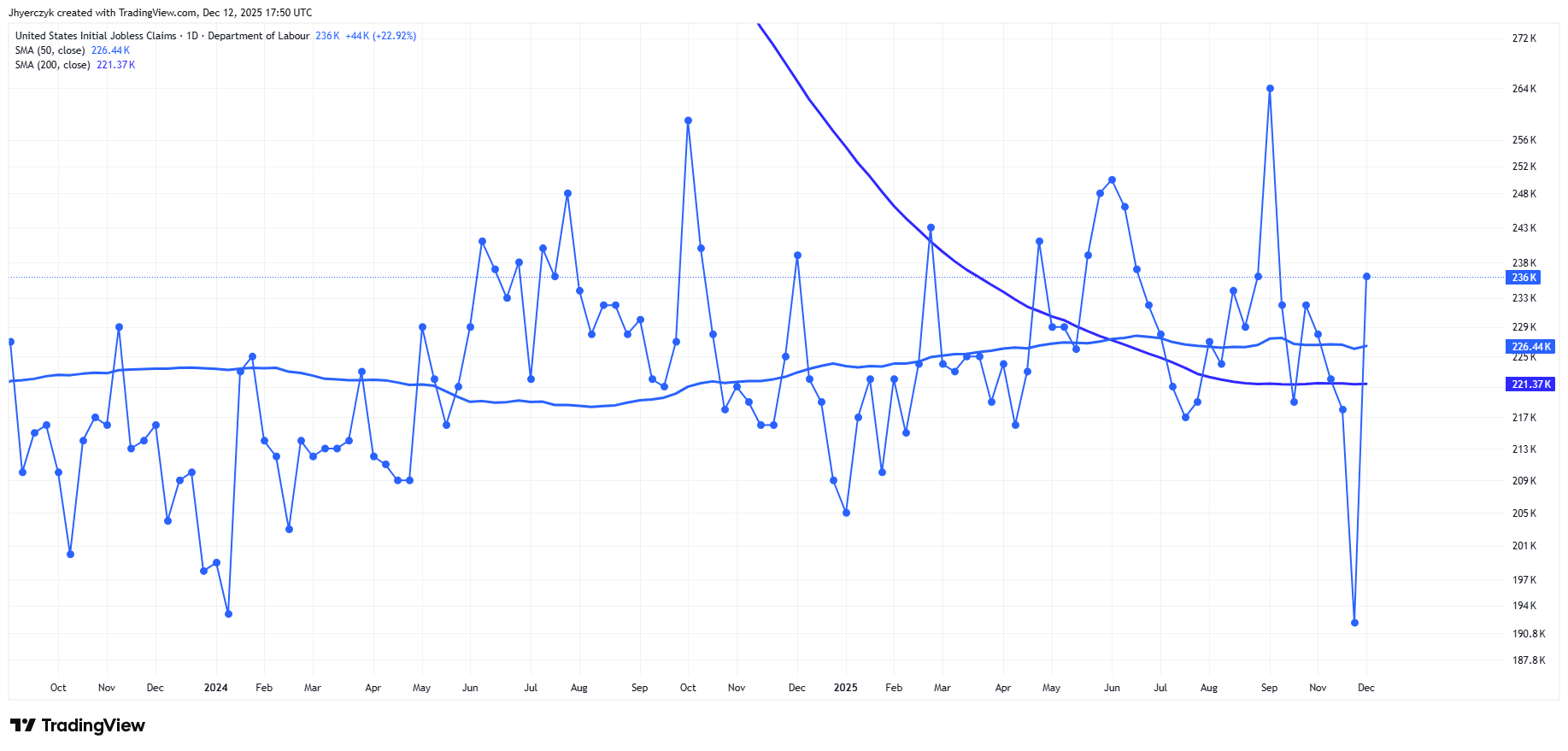
Figure 3. Initial jobless claims (USIJC) chart (Source: TradingView).
Gold
Gold is well positioned if labor conditions continue to soften. A Fed focused on employment implies lower real rates, a supportive backdrop for non-yielding assets. Economic uncertainty also increases demand for defensive positioning.
If labor weakness remains contained and the Fed cuts gradually, gold may consolidate. However, a move in unemployment toward 4.5%–5.0% would likely trigger stronger demand as markets price more aggressive easing. Gold traders should focus on trends in claims and unemployment duration rather than single data points.
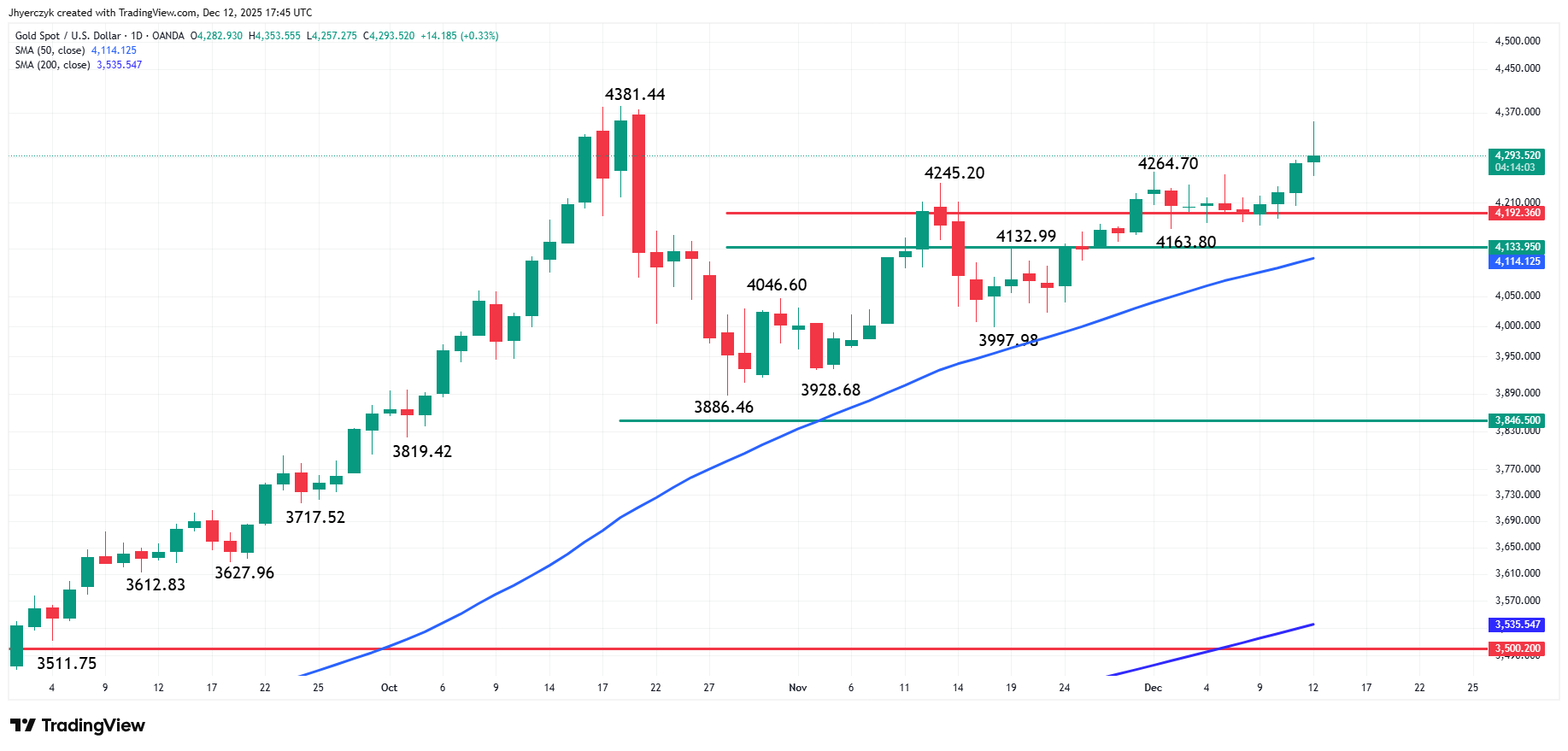
Figure 4. Gold spot price (XAUUSD) chart (Source: TradingView).
U.S. Dollar
The dollar faces pressure if labor weakness forces the Fed to ease faster than peers. Markets already expect more cuts than the Fed’s median projection, leaving room for downside surprises.
That said, the dollar’s role as a safe haven complicates the outlook. A slow labor deterioration that leads to steady cuts likely weakens the dollar. A sharp break in employment, however, could drive risk-off flows that temporarily support it. Traders should watch whether unemployment changes align with risk sentiment or override rate differentials.
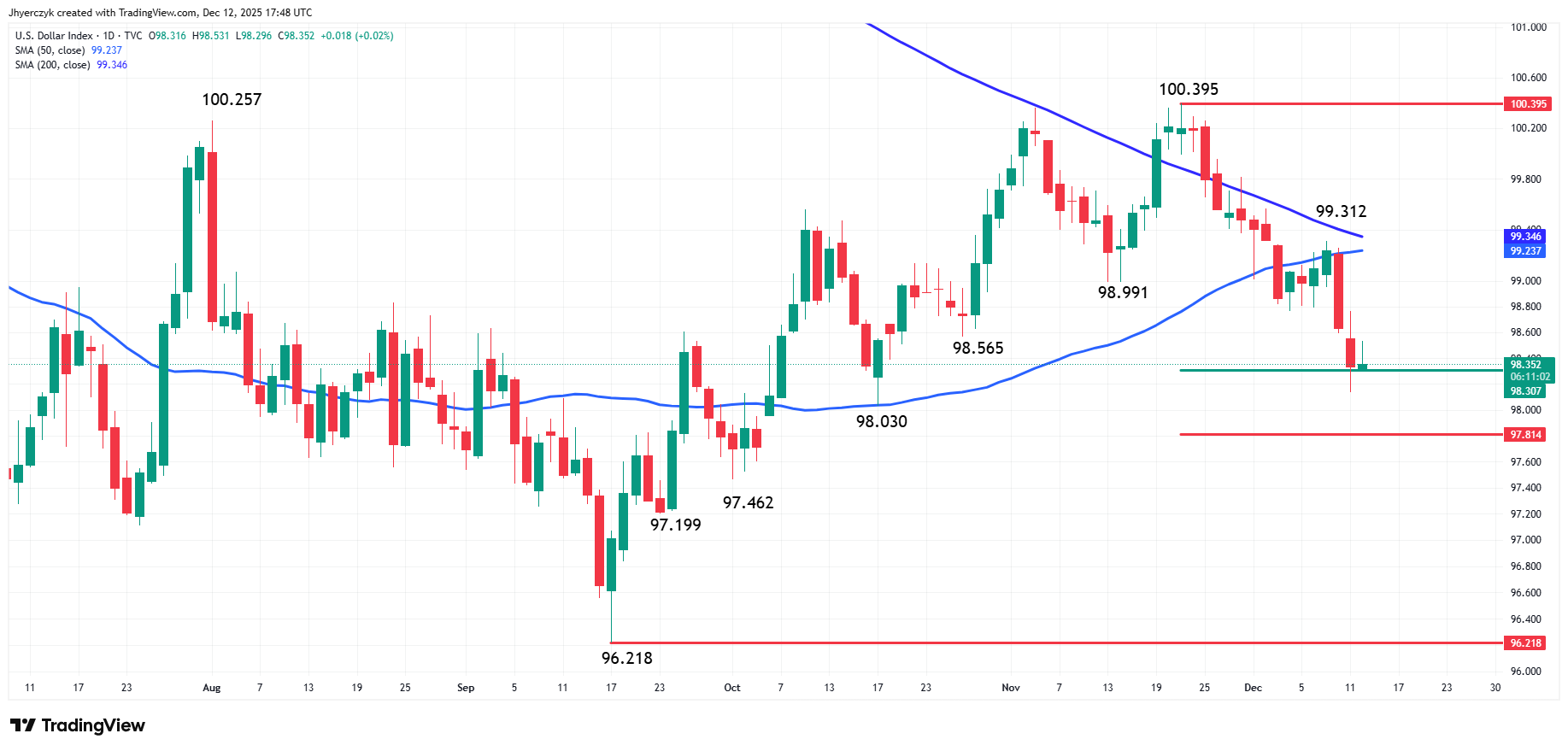
Figure 5. U.S. Dollar Index (DXY) chart (Source: TradingView).
Key Data to Watch
Several upcoming releases will clarify the labor outlook. December 16 brings the November employment report, followed by November CPI on December 18. The November JOLTS report is due January 7, and the next FOMC meeting takes place January 28–29.
The employment report is critical. A rise in unemployment above 4.3% or weak payrolls would increase expectations for faster easing. A stronger print could stabilize risk assets and slow dollar losses.
Conclusion: Employment Is Now the Market’s Core Risk
Inflation may still attract headlines, but labor market weakness has become the dominant risk to U.S. economic stability. Frozen hiring, longer unemployment duration, weakening job growth among higher earners, and potential overstatement of payroll data create a fragile setup.
For traders, this means adjusting to a Fed increasingly focused on supporting employment. Policy bias is now clearly toward easier conditions. Positioning that reflects this shift — strength in gold, selective equity exposure with downside protection, and tactical dollar shorts during easing phases — aligns with the emerging macro signal.
The central question for 2026 is whether the Fed can stabilize the labor market before damage deepens. Inflation is likely to cool further. Employment will decide whether the economy avoids a sharper slowdown or requires more aggressive intervention. Watch the labor data closely. These indicators, not inflation prints, will drive markets in the months ahead.