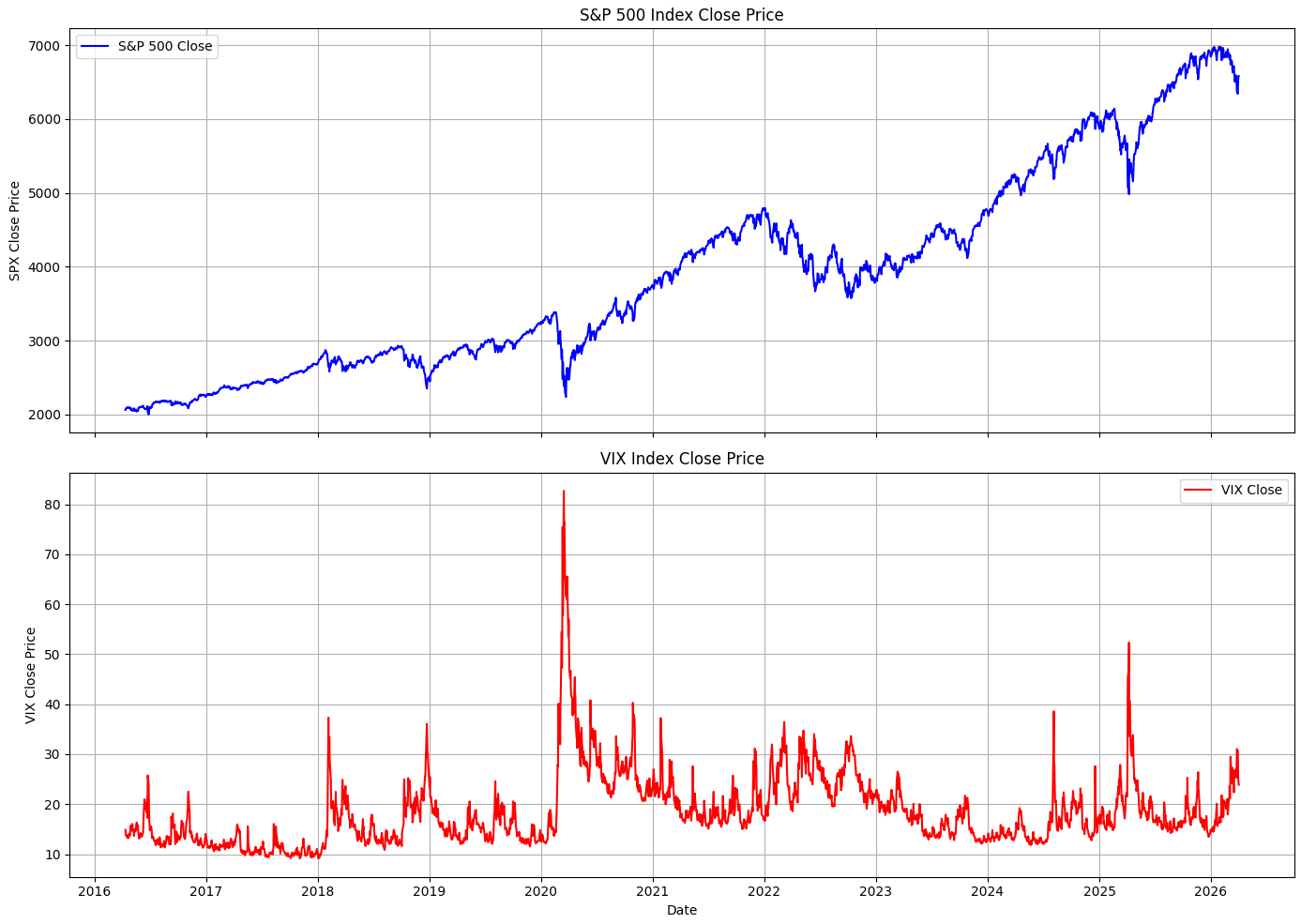
The tape has bled. Panic pays. Right now, the S&P 500 Index is in corrective mode with pronounced retail capitulation. I’ve spent the last three weeks watching panicked retail traders violently capitulate, desperately selling their core equity portfolios right into the teeth of the most aggressive volatility spike we’ve witnessed since the Trump tariff announcements.We aren’t guessing.I don’t trade blindly.I can assign statistical evidence to the March selloff and strip away its heavy emotional baggage by analyzing about ten years of crossover data.

What is the VIX?
The Chicago Board Options Exchange introduced this iconic metric back in 1993, originally anchoring it to the S&P 100 before giving it a major, desperately needed overhaul in 2003. It now computes the 30-day implied volatility derived directly from the pricing of S&P 500 options, acting as the market’s most popular measure of fear.
S&P 500 Price Forecast
Every new S&P 500 analysis as it publishes, today's technical signal and key levels, live price — on one page.
See all S&P 500 forecasts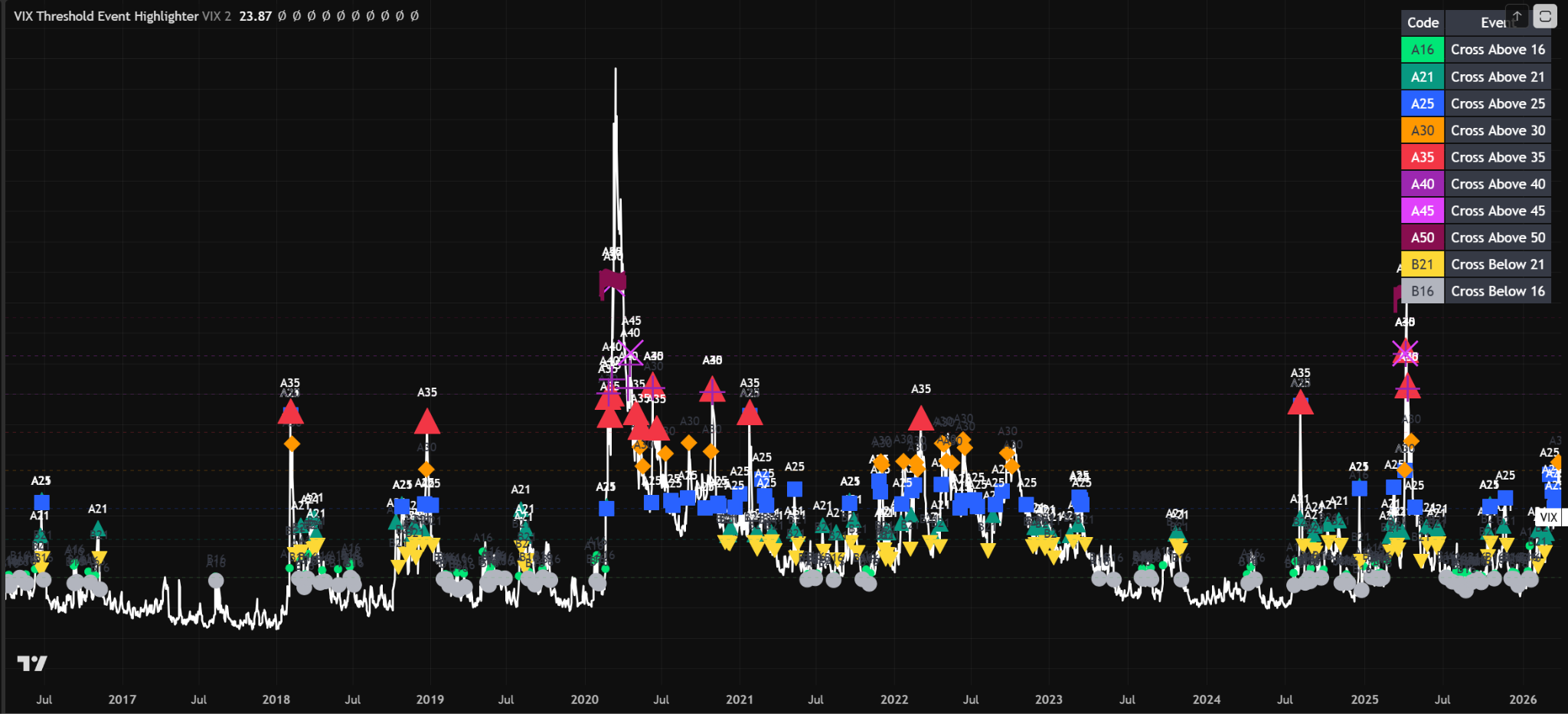
Time-series plot of VIX crossovers and crossunders since 2016 Source: TradingView
Source: TradingView
Source: TradingView
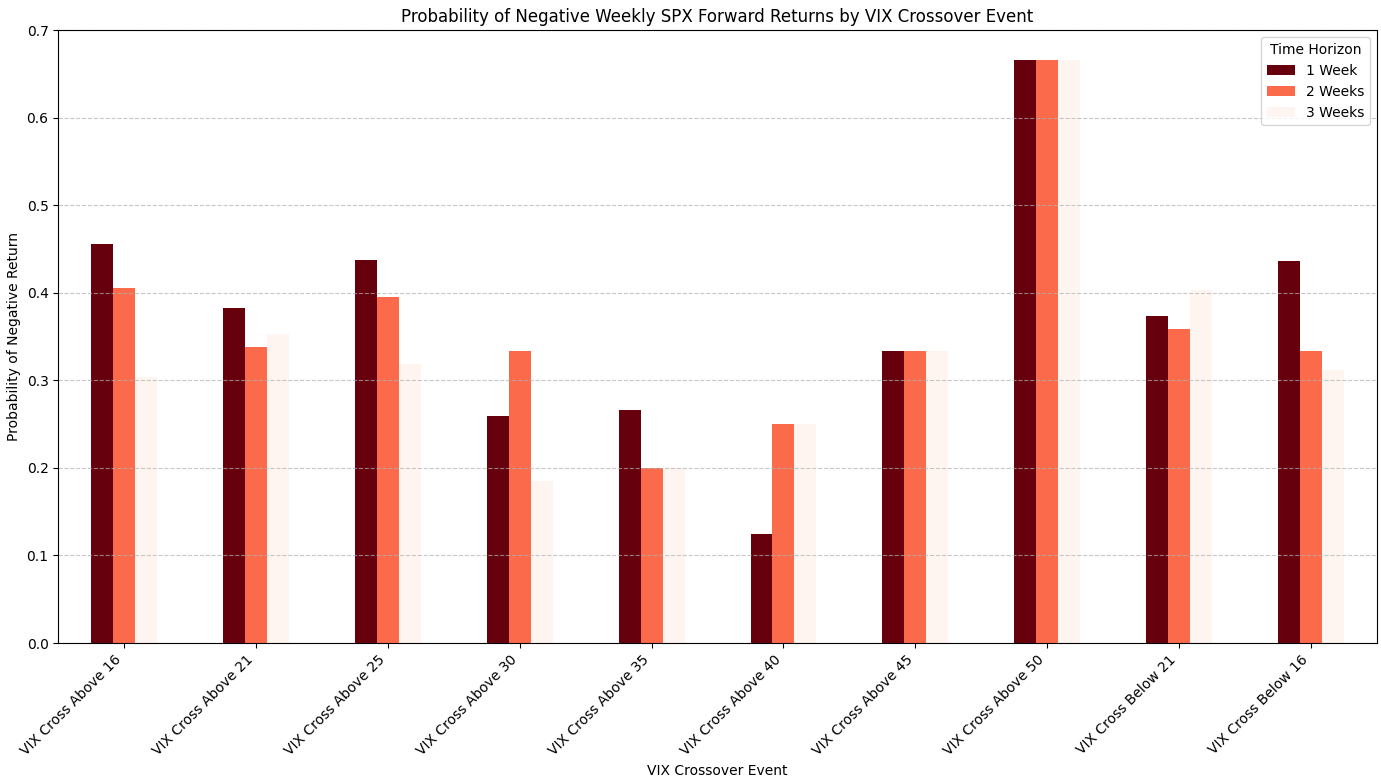
Buy the fear (with confirmation). That’s the mantra once the VIX punches into the 30 to 40 zone, because history suggests this is where the sellers finally run out of steam and the bulls start finding their rhythm again. We saw this briefly on March 30th when the gauge hit 29.30; the three-week positive return probability for a cross above 30 is a massive 81.5%. It’s the sweet spot. Once the panic gets properly stretched, the S&P 500 usually stages a rebound that feels satisfying.
The Tactical Alpha Zone
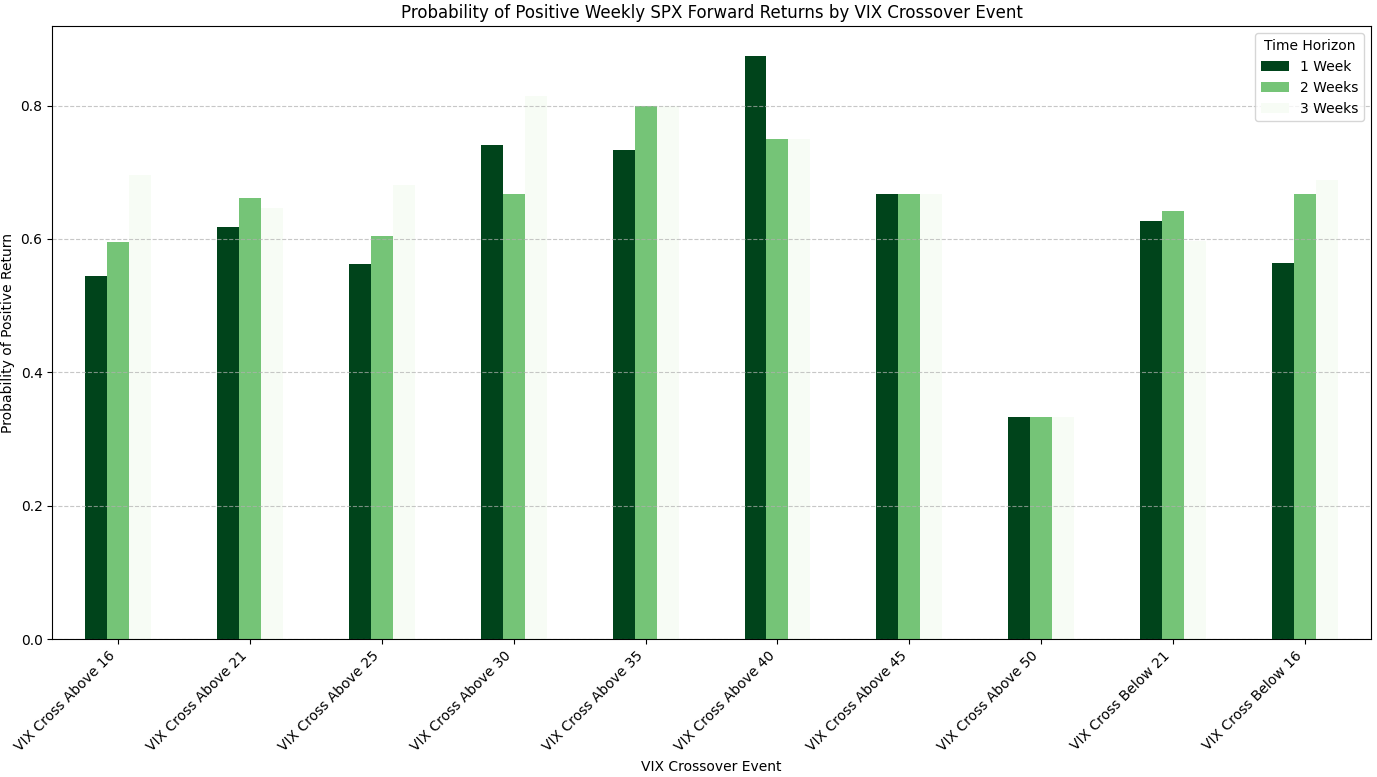
Bar chart showing that the probability of positive returns jumps significantly once the VIX threshold of 30 is breached. Source: TradingView
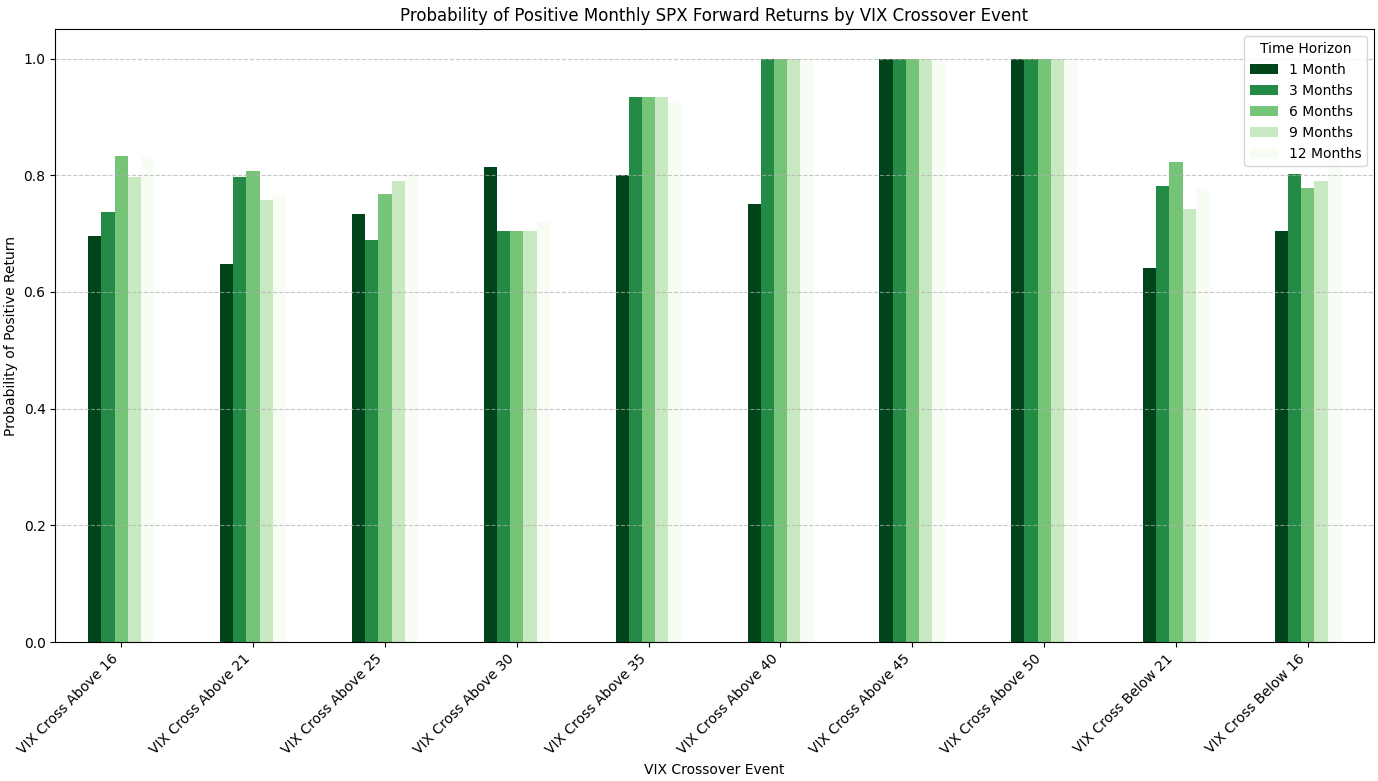
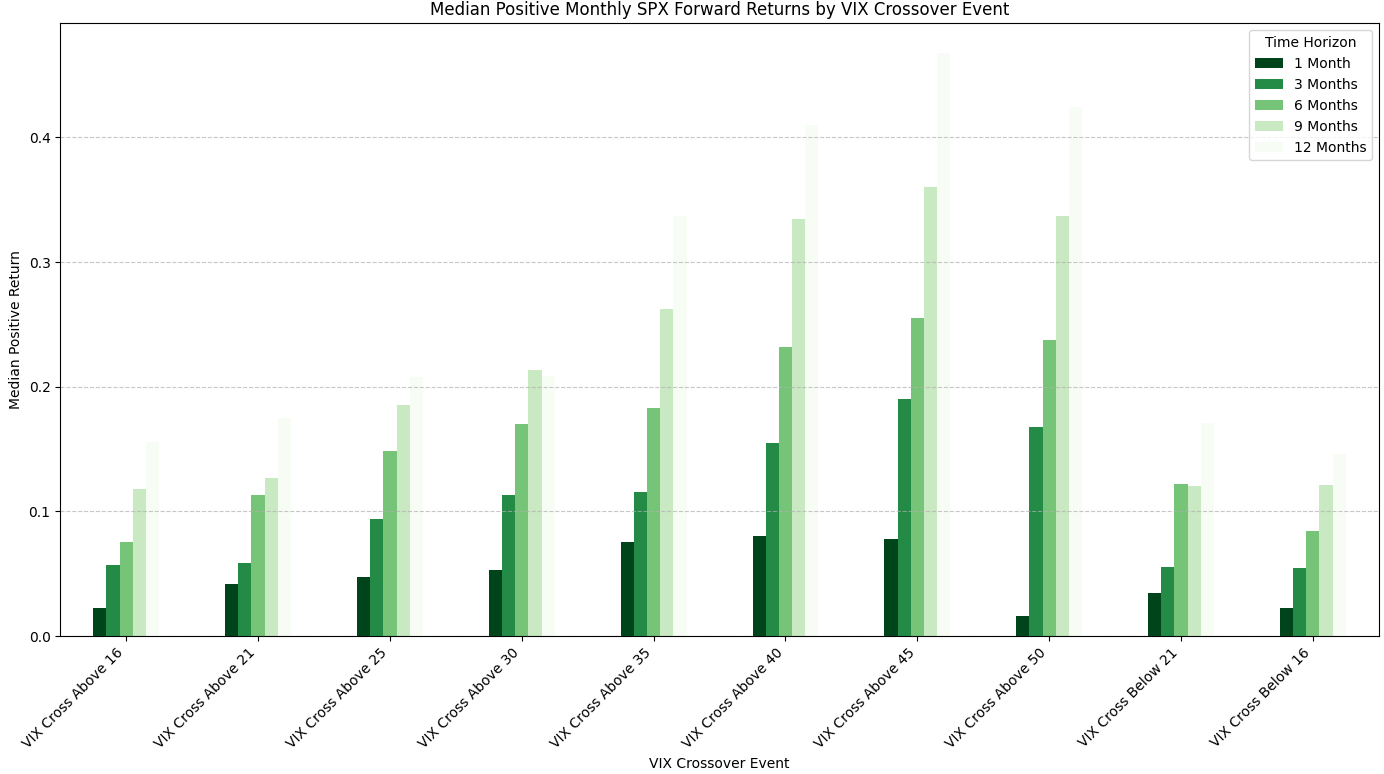
The long game is where the real money’s made. If you can hold through, every single VIX cross above 40 in the history of this data (from 2016) set has resulted in a 100% probability of positive returns 12 months later, with median gains north of 40%.
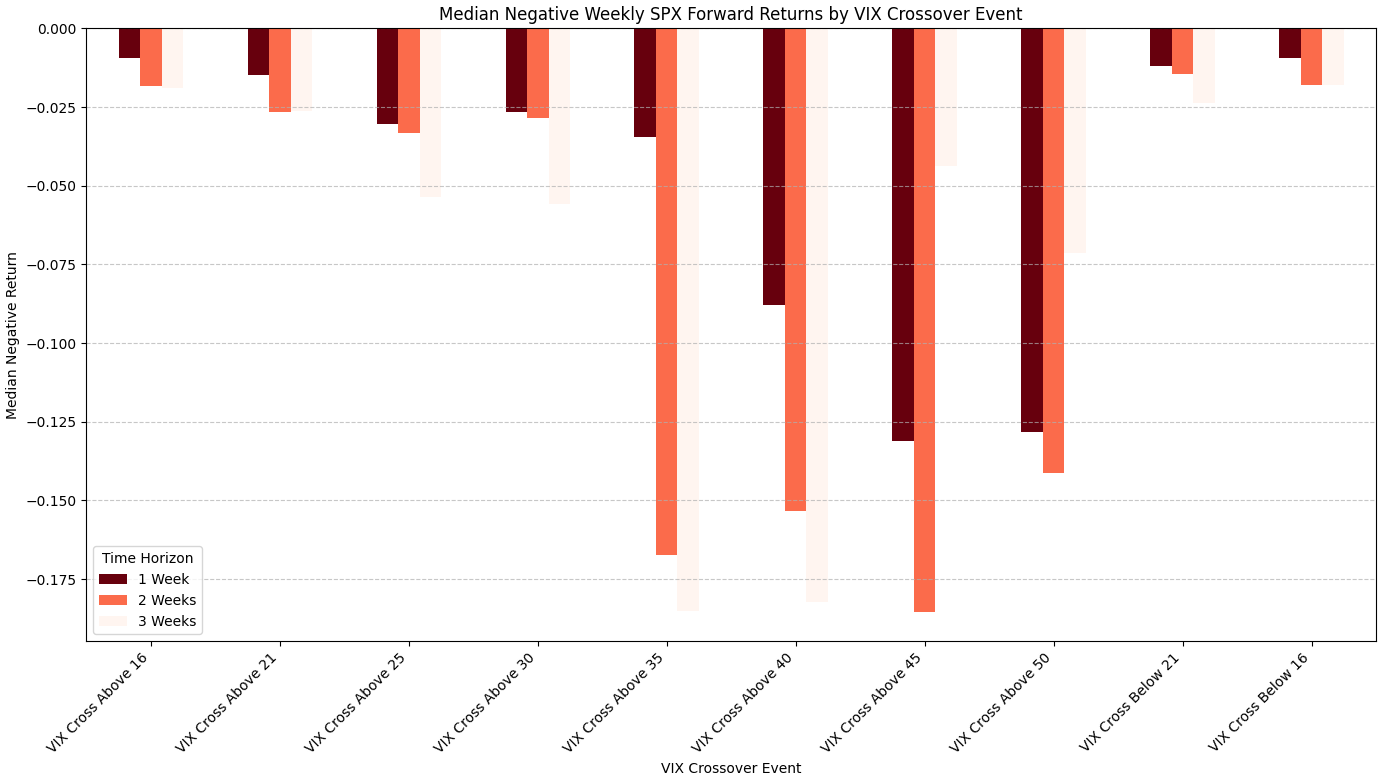
Extreme spikes are different. If you see the VIX screaming past 50, don’t assume it’s an automatic buy the dip signal because the data for these levels is unstable. Crosses above 50 show a 66.7% probability of negative returns over the following three weeks. You might get a sharp upside eventually, but the immediate aftermath of a 50+ print is usually pure, unadulterated chaos that can wreck your account.
Long-Term Wealth Creation
Source: TradingView
Source: TradingView
Normalization is a slow grind. VIX crossing below 21 or 16 gives us a steadier pulse, with positive three-week odds sitting at 59.7% and 68.8%, respectively. These signals won’t give you the explosive gains of a mid-level panic bounce, but they tell me the market is finally settling back into a constructive flow.
Watch the levels. Ignore the noise. The 30-to-40 range is your best friend, but the current 24-level is just a reminder that the undercurrent is still strong enough to pull you under if you aren’t careful.
Statistical Edge Mapping for Volatility Spikes
| VIX Event | Impact Type | Prob. (Outcome) | Median Return | Timeframe |
|---|---|---|---|---|
| Cross Above 50 | Short-Term Chaos | 66.7% (Neg) | -12.82% | 1-Week |
| Cross Above 45 | Extreme Pain | 33.3% (Neg) | -18.54% | 2-Week |
| Cross Above 40 | Max Drawdown | 25.0% (Neg) | -18.24% | 3-Week |
| Cross Above 30 | Tactical Alpha | 81.5% (Pos) | +4.62% | 3-Week |
| Cross Above 35 | High Conviction | 93.3% (Pos) | +11.56% | 3-Month |
| Cross Above 40 | Capitulation | 100% (Pos) | +23.21% | 6-Month |
| Cross Above 50 | Wealth Creator | 100% (Pos) | +42.40% | 12-Month |
| Cross Above 21 | The Slow Leak | 20.3% (Neg) | -6.79% | 3-Month |
Source: TradingView
YTD 2026: The Latest Signal Board
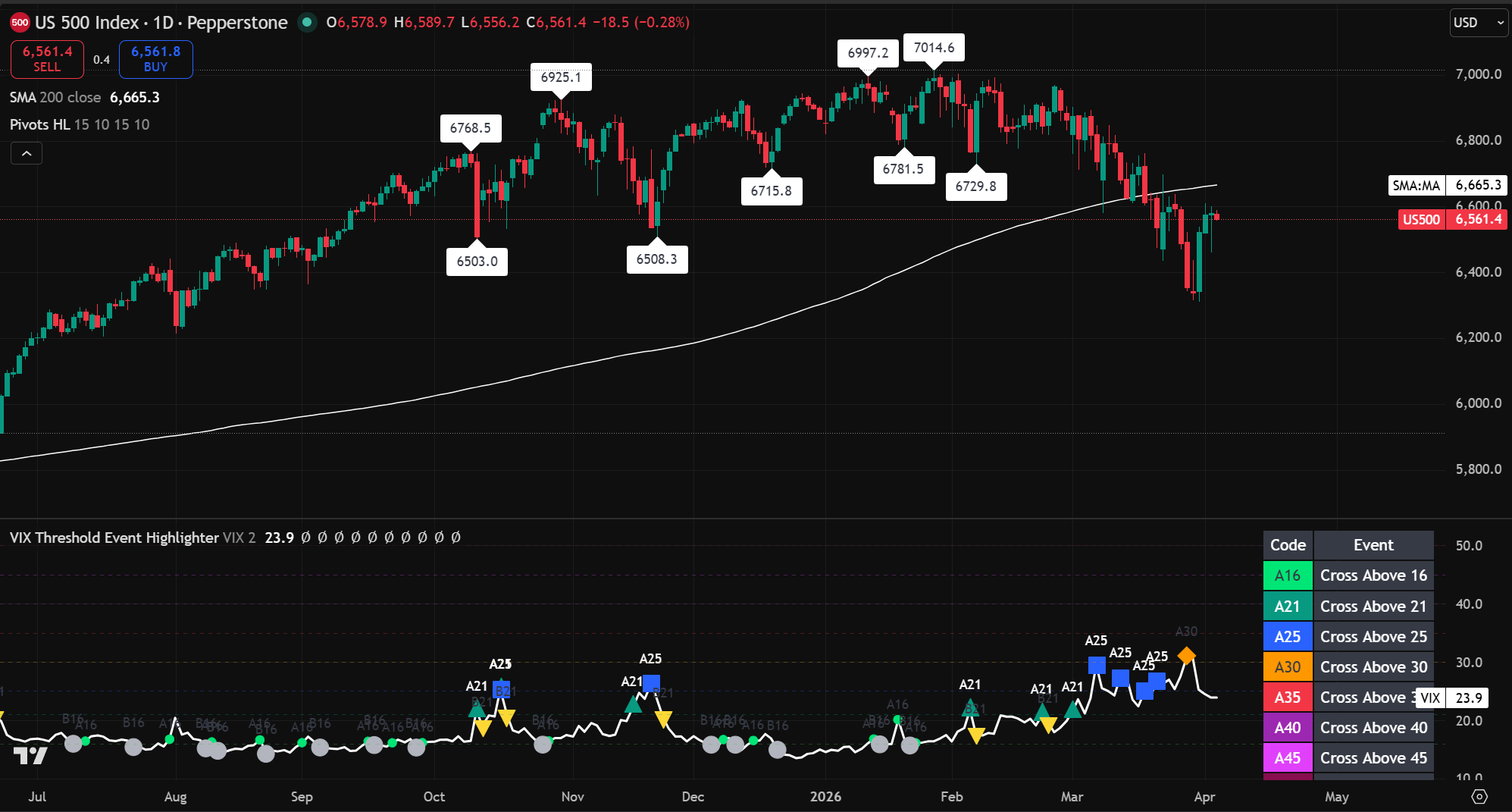
January stayed quiet. We saw some A16 flickers, but February dialed up the tension with an A21 push before teasing us with a late-month B21 crossunder that suggested the market was finally ready to settle into a predictable groove. It didn’t hold. March brought thunder. We tracked repeated A25 signals throughout the month, but the late-March [cross above 30] is the real signal. It’s in.
SPX Daily Analysis with VIX Overlays
Source: TradingView
When the VIX punches through 30, history tells us the S&P 500 usually finds its backbone, delivering positive average returns across every monthly horizon we track because the panic has finally done its messy, necessary work. Better performance follows. I’ve always preferred the transparency of a full-blown washout over the slow, agonizing bleed of a market that’s just mildly stressed. But expect more noise.
While the late-February B21 move looked like a decent attempt at normalization, the subsequent escalation into a fresh A30 regime tells me the market needed a deeper, more violent purge before the medium-term bulls could truly find their footing again on solid ground.
Since that late-March crossover took hold, the historical table suggests we’re no longer in the fragile middle, but rather in a setup where the three-to-twelve-month outcomes have consistently outperformed the quieter periods that preceded them. History usually rhymes.
It’s a higher-volatility regime now, but the 2026 signal board is screaming that this specific brand of fear is exactly what the S&P 500 needs to set up a proper, medium-term rally that actually sticks.