
Stocks Open Sharply Lower on Hot Inflation Data
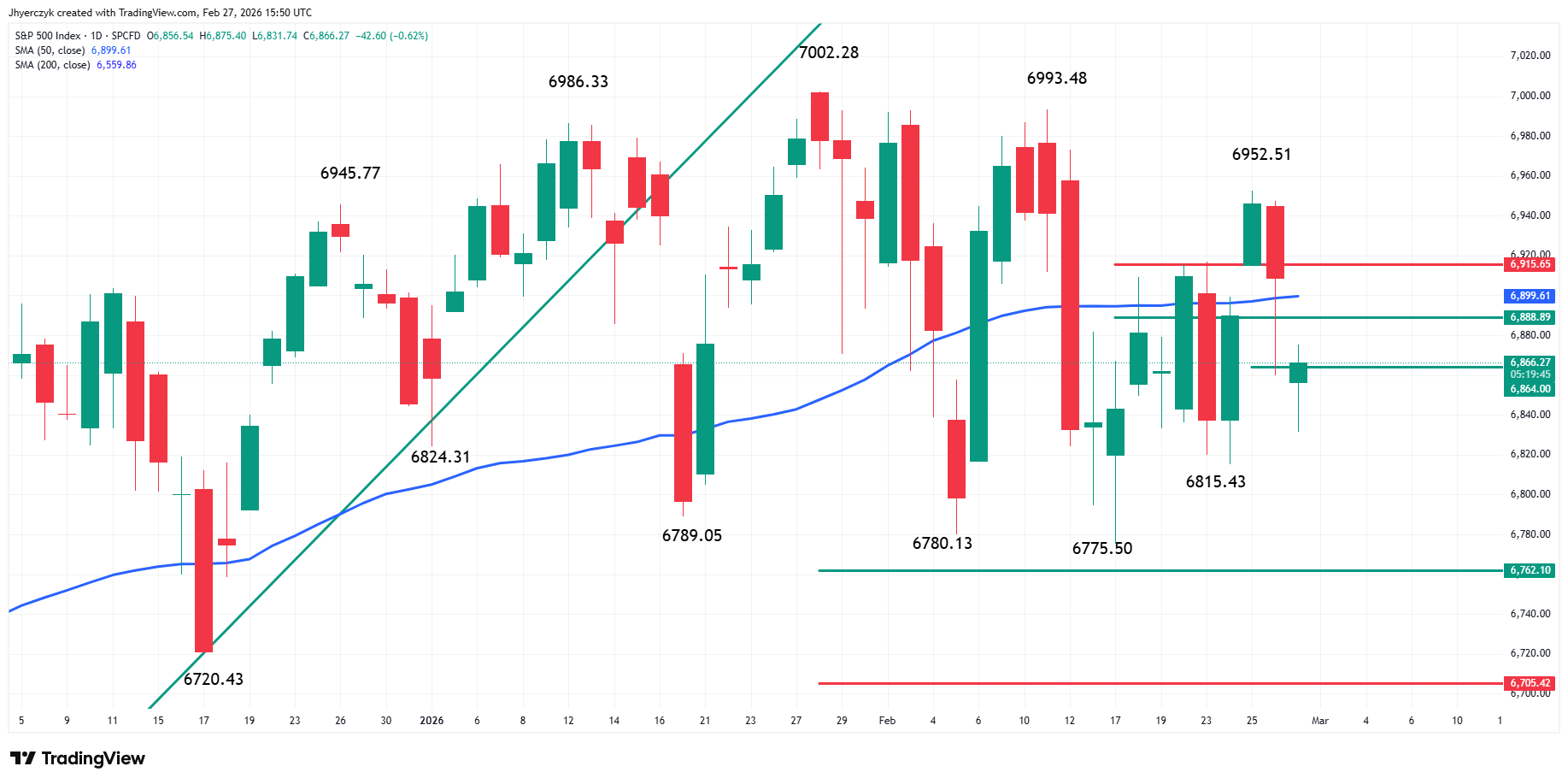
The major U.S. stock indexes are trading sharply lower on Friday as January’s Producer Price Index (PPI) came out much higher than expected, adding to a longer running list of concerns that have shaken markets through February. As a result of the report, the Dow Jones Industrial Average declined by 715 points, or -1.5%, the S&P 500 decreased by 1.1%, and the Nasdaq Composite fell by 1.4%. Investors were left reeling, having been optimistic that inflation was beginning to cool off, but they were soon faced with a clear sign that supports the Fed’s reasoning for holding interest rates up until at least June.

January PPI Was Not Warm. It Was Hot.
In my opinion, January PPI Data was not only warm; it was hot. The headline and core indices both came in significantly higher than the estimates. Most of the gains came from services, which experienced the biggest one-month increase since July 2025. This report also raises more doubts over whether the Fed can justify any rate cuts this year, and adds another level of uncertainty to an already unstable environment for a market struggling with the potential of AI disruption, uncertainty around tariffs, and an economic slowdown. A fund manager summed it up best: traders have been selling first and asking questions later all month long.
Nvidia Extends Its Post-Earnings Slide
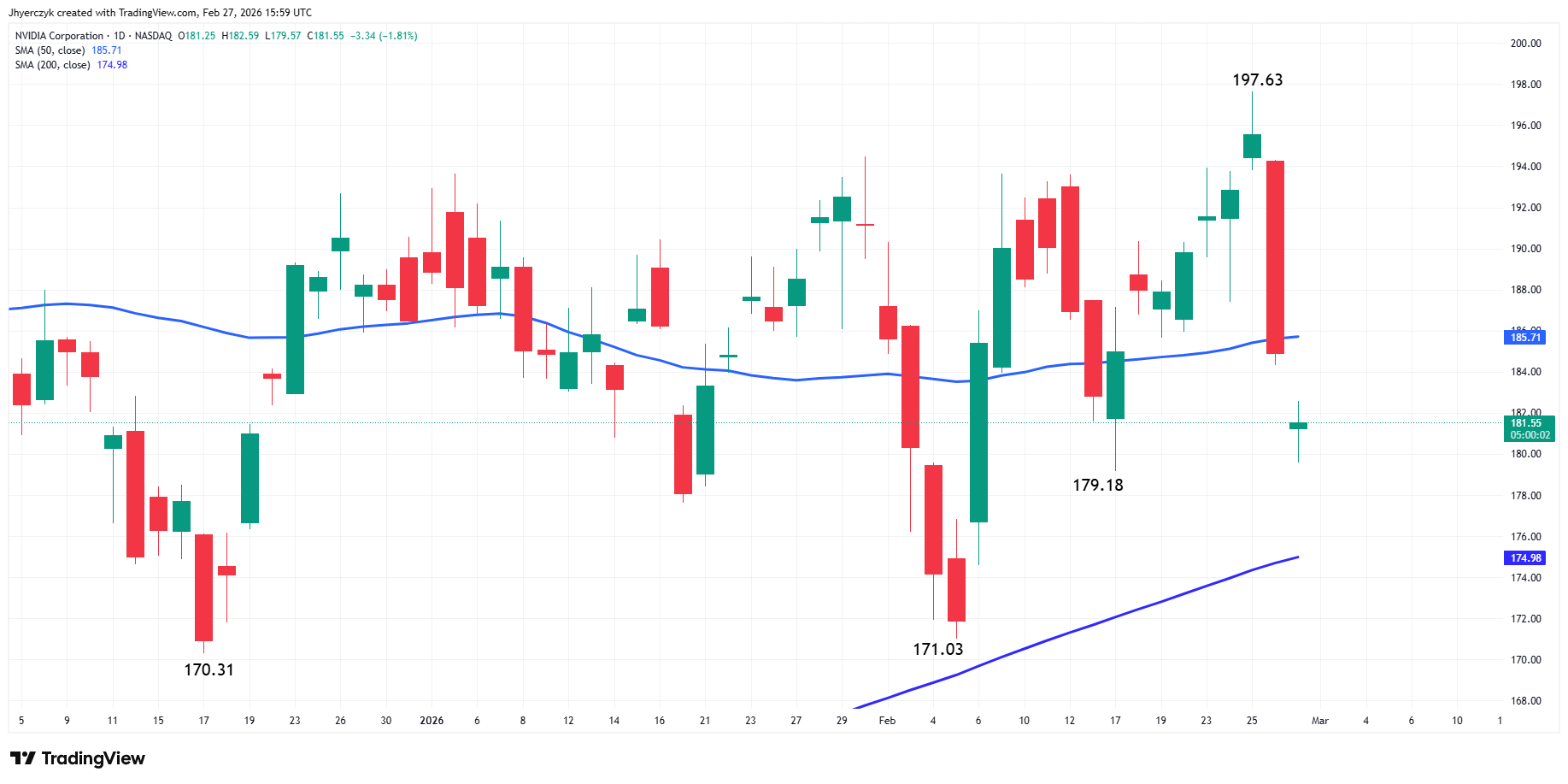
Tech stocks declined for a second day, with Nvidia shares dropping 2%, on top of their previous 5% drop. Even though Nvidia reported very strong earnings in the most recent quarter on Wednesday after the close, worries regarding their $30 billion investment into OpenAI and doubts about hyperscalers’ ability to sustain their high level of capital spending for AI have led to a bearish outlook for the stock.
The shares of Amazon, which invested $50 billion to assist with funding for the most recent round of investments in OpenAI, have also seen a drop in share price along with that of Nvidia. All of these events would have resulted in significantly higher share prices in the bull market prior to these announcements; now, however, now they seem like a burden to shareholders.
Software Sector Closes Out a Terrible February
Many of the major software companies are on track to finish the month with significant financial losses. On Friday, Salesforce fell more than 4% and Microsoft is down nearly 2%. Cybersecurity company Zscaler had an extremely disappointing outlook as well and lost 11%, while CoreWeave lost 16% due to very poor guidance. The iShares Expanded Tech-Software ETF is down 10% for the month, resulting in year-to-date losses of twenty-three percent. Similarly, the Nasdaq composite index is experiencing its worst month since last March with an overall decline of over 3% through February.
NASDAQ 100 Price Forecast
Every new NASDAQ 100 analysis as it publishes, today's technical signal and key levels, live price — on one page.
See all NASDAQ 100 forecastsAI Job Fears Spread Beyond Tech
Technology wasn’t the only sector to see share value drop. Financial and other sectors also took a hit due to worries about AI’s potential broader impact on jobs and the economy. After Block, Inc., announced that over 4,000 workers, nearly half of its workforce would be laid off from their jobs, those concerns escalated. As of late February, with the S&P 500 down more than 1% this month and the Dow Jones up only 0.3%, this has been a disappointing conclusion to what had been projecting as another good year.
More Information in our Economic Calendar