
Hands-down inflation is the hot topic of debate as rising prices now dominate the list of major voter concerns. The bigger worry on Wall Street is that the Covid virus is turning into a bigger inflation tail risk than a growth headwind. U.S. consumer price index recently hit an annual rate of +6.8%…the largest year-over-year increase since 1982. Energy and used vehicle prices continue to lead the gains with both now up more than +30% compared to last year and still accounting for an outsized portion of overall headline inflation.
Fed in the spotlight again
The year-over-year Core CPI rate, which strips out food and energy, is up nearly +5% with price gains occurring across a broad range of everyday consumer goods, most of which analysts don’t foresee being walked back.
Meaning the current higher prices for many goods are likely to stick around rather than fade once the issues believed to be creating them are resolved. I should also note, U.S. food inflation is starting to attract more attention and concern as overall “protein inflation” was reported at +12% in November and running as hot as at any time in the past 30 years.
Bottom line, the powers that be are starting to hear voter concerns about inflation. I have to imagine the Federal Reserve might soon start to feel increasing pressure to take a more hawkish stance. This has all eye’s on this week’s two-day Fed FOMC meeting and their latest policy announcement on Wednesday. I’m thinking we could see some more extreme market volatility around this event as the U.S. central bank is widely expected to accelerate its asset purchase “taper” pace and release economic projection that show both higher levels of inflation and benchmark interest rates than were forecast back in September.
Many Wall Street insiders are now talking about three or perhaps even four rate hikes in the cards for 2022 with the Fed’s asset purchases ending as soon as March.
Covid
Also a major worry for central bankers is that another major wave of Covid will exacerbate global existing supply chain dislocation, particularly with China maintaining its zero-tolerance policy.
The majority of China’s Covid cases are currently centered in the Zhejiang province, one of the countries key manufacturing hubs and home to the Ningbo-Zhoushan port, the world’s largest in terms of cargo tonnage. Covid restrictions this past August shut the port down for two weeks.
The province is under a partial lockdown starting today and Chinese shippers say they are already bracing for disruptions.
Data to watch
In the U.S. today, there is nothing of note due in economic data or earnings. Tomorrow, the Producer Price Index is due out tomorrow and is likely to also climb higher for November, with insiders expecting the annual rate to hit +9.2%.
The inflation story is similar in the UK and the EU with the annual rate running at over +4% for both right now and creating the same kind of pressures as the U.S. Fed to curtail the surge. Could be a wild ride this week so hold onto your hats. Don’t forget this is also the last full-week of trading ahead of the shortened Christmas and New Year holidays. Reminder… DEC21 stock indexes go of the board at the end of this trade week 12-17-21.
SP500 technical analysis
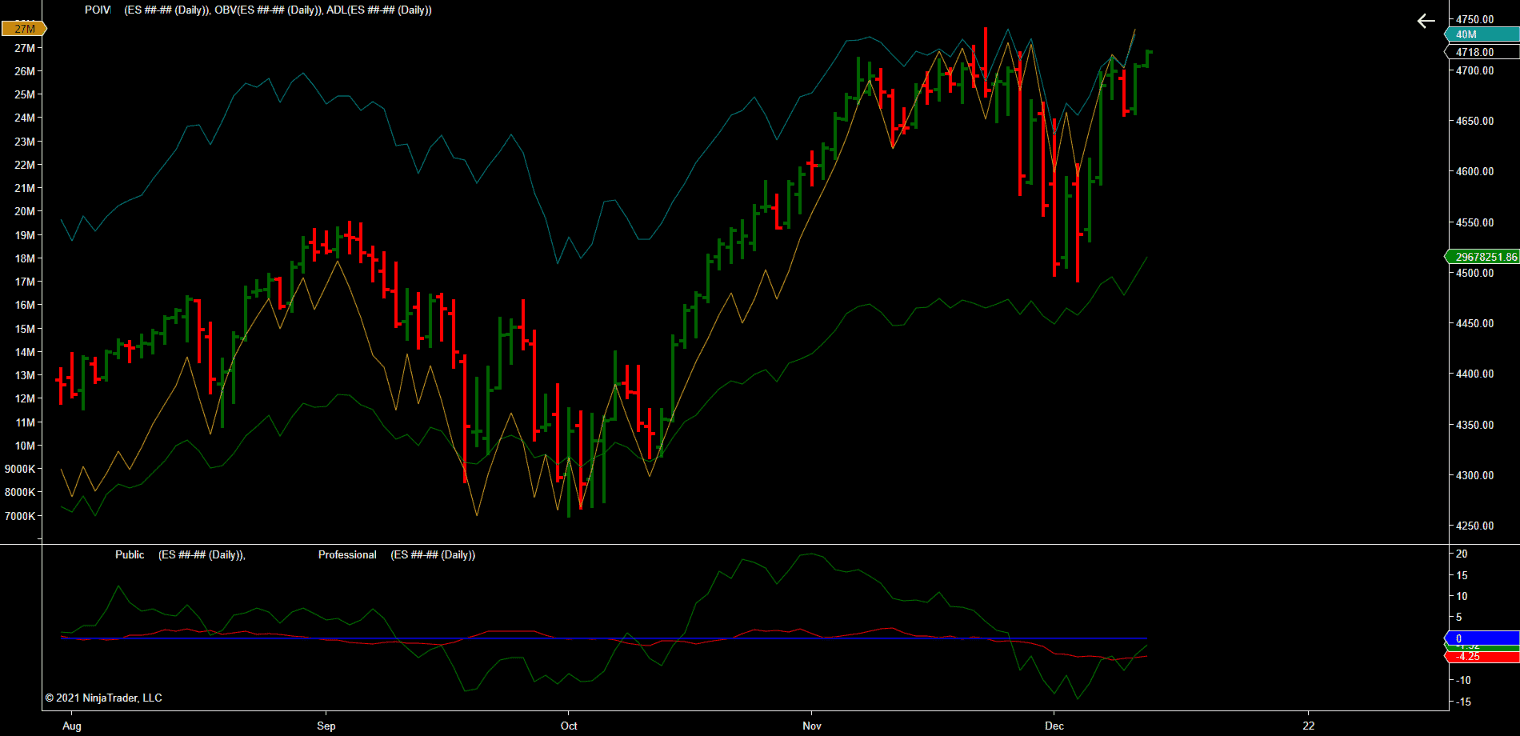
The accumulation is getting stronger in SP500, giving investors more hope for the Christmas rally. The Advance-Decline Line is also stronger than the price. With that in mind and seasonal and cyclical lows coming soon, all dips will be bought likely.
The index is trading at critical resistance. If it breaks up, we can see 5000 in extension. In the case of end-year profit booking, we have multiple supports all the way to 4500.
For a look at all of today’s economic events, check out our economic calendar.