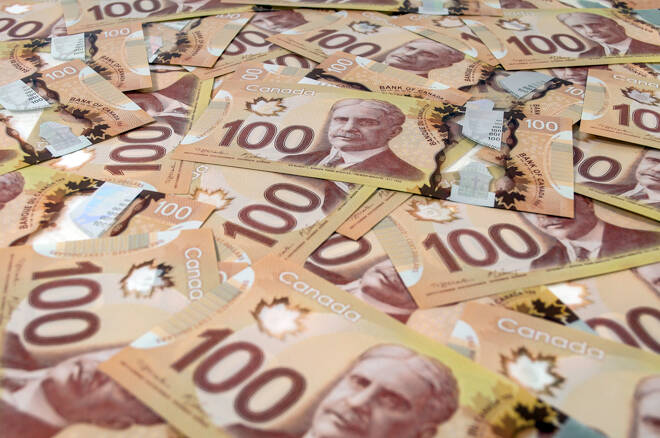
The Canadian dollar snapped its two-day losing streak against its U.S. counterpart on Tuesday as recovery in energy prices support the commodity currency.
The Canadian dollar snapped its two-day losing streak against its U.S. counterpart on Tuesday as recovery in energy prices support the commodity currency.
Today, the dollar to loonie conversion fell to 1.2516, down from Monday’s close of 1.2574. The Canadian dollar had lost about 1% in July – the second biggest monthly drop since September 2020 and has weakened about 0.5% so far this month.
Canada is the world’s fourth-largest exporter of oil, which edged higher as investors cashed in profit after the biggest losses in months last week. U.S. West Texas Intermediate (WTI) crude futures were trading 3.49% higher at $68.8 a barrel. High oil prices lead to higher U.S. dollar earnings for Canadian exporters, resulting in an increased value of the loonie.
“In the week ahead, CAD will be only driven by external factors, as the data calendar does not include any market-moving release and there are no scheduled BoC speakers. We’ll be on the lookout for signs of resilience in the oil market (e.g. Brent holding above US$70/bbl) as OPEC releases its monthly market report, where we’ll see how the cartel assesses the impact of the Delta variant on oil demand,” noted Francesco Pesole, FX Strategist at ING.
The dollar index, a measurement of the dollar’s value relative to six foreign currencies, was trading 0.15% higher at 93.079 – not far from this year’s high of 93.437.
The U.S. dollar gained versus a basket of currencies after the world’s biggest economy added 943,000 jobs last month and its jobless rate declined to 5.4%, suggesting that the monetary policy tightening will be coming soon.
The greenback was also supported by hawkish remarks from the US Federal Reserve which led markets to move forward with expectations of policy tightening. Richard Clarida said last week that policy conditions could be met for an interest rate hike by late 2022, putting a move in early 2023 on track, according to Reuters.
Reuters reported that he and three other Fed members also hinted at cutting back on bond-buying shortly, depending on what happens with the labour market.
The risk that the world’s dominant reserve currency, the USD, recovery over the coming year is high, largely driven by the Fed’s expectation of two rate hikes in 2023. A strengthening dollar and growing risk that the Federal Reserve would tighten its monetary policy earlier than expected would push the USD to CAD pair higher.
“If indeed markets are now feeling more comfortable with the Fed’s rate expectations priced into the dollar, then the main highlight of next week – US CPI data for July – may not have a strong FX impact, even if headline inflation inches higher (our economist expects it to flatten up at 5.4%),” ING’s Pesole added.
“External factors should instead dictate the underlying narrative for FX: the spread of the Delta variant is forcing countries with low vaccination rates (like in most of Asia) to revert to strict containment measures. This is a theme that may keep being a drag on the already vulnerable risk sentiment in China and Asia, which may ultimately offer a gently supportive narrative to the safe-haven dollar in the week ahead.”
Vivek has over five years of experience in working for the financial market as a strategist and economist.