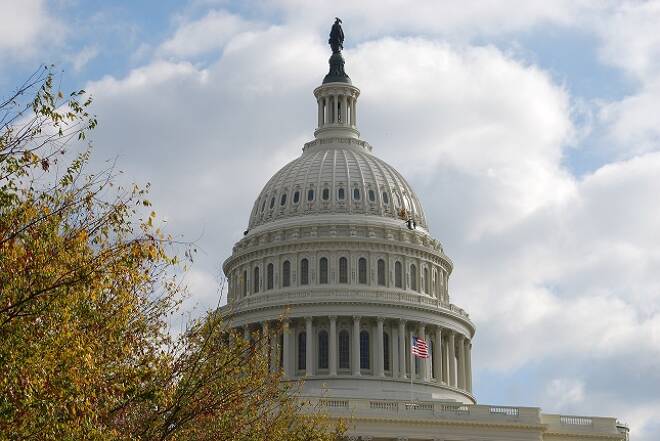
The Dollar looks ready to pounce should the House vote in favor of the tax reform bill later today, with economic data out of the U.S likely to play a minor role in the Dollar's path this afternoon.
Economic data released through the Asian session included New Zealand’s 4th quarter consumer sentiment and December business confidence figures.
The Westpac Consumer Sentiment index fell from 112.4 to 107.4, with the index falling below its 111.4 long-run average. Declines were seen in all of the sub-indexes with the 1-year economic outlook taking the biggest hit, falling by 8.5 points to 4.9. Concerns over the labour led coalition government was attributed to the slide in confidence, with there being a clear decline in optimism over the economy and income prospects.
The Kiwi Dollar moved from $0.69939 to $0.69942 upon release of the data.
With consumer sentiment on the decline, December’s business confidence index failed to recover from November’s 8-year low, with the index rising from -39.3 to -37.8, confidence having taken a battering following the Labour-led coalition being formed back in late October.
The Kiwi Dollar moved from $0.69936 to $0.69957 upon release of the figures, with the negative sentiment towards the Labour-led coalition largely priced in since taking office at the end of October.
For the Aussie Dollar, the RBA meeting minutes were released this morning, giving the Aussie Dollar some support, as the minutes reflected a sense of optimism over the economy amongst the Board members.
Key points from the minutes included:
The Aussie Dollar moved from $0.76635 to $0.76680 upon release of the minutes, with the key risks to the economy continuing to be highlighted in the minutes, which may well leave the RBA in its holding pattern until wage growth picks up to support household disposable incomes and consumption.
At the time of writing, the Aussie Dollar was up just 0.04% to $0.7667, while the Kiwi Dollar gave up gains from earlier in the session to sit at $0.6996, up by just 0.01% in the session.
There was a little more action in the Asian equity markets this morning and, while the Nikkei was down at the time of writing, the Hang Seng, CSI300 and ASX200 were making solid gains, following the 2nd consecutive day of record runs in the U.S, on rising optimism that the tax reform bill will get voted in this week. At the time of writing, the Hang Seng was leading the way, up 0.83%, with Ping An Insurance (+3.88%), AAC Technologies (+3.28%) and Tencent Holdings (+2.08%) amongst the biggest gainers on the day.
Economic data out of the Eurozone this morning includes 3rd quarter wage growth together with Germany’s Ifo business climate index figures for December. Any uptick in wage growth will certainly influence the EUR, with wage growth a key consideration for the ECB. The markets will also look to gauge whether Merkel’s troubles in forming a coalition has had any impact on business confidence at the end of the year. Hopes of a grand coalition remain, with the Chancellor being clear that a grand coalition is the only option, with Merkel reiterating that a CDU-led minority government is not an option.
At the time of writing, the EUR was up 0.08% at $1.1791, with $1.18 levels on the cards should this morning’s data impress ahead of the tax reform bill vote later today.
For the Pound, it’s been a slow start to the day following Monday’s gains, with the Pound up just 0.01% to $1.3384. There are no material stats to provide direction, leaving the Pound in the hands of the Brexiteers through the day. The markets and the Pound have become slightly desensitized to the negative comments coming from Brussels, which is a good thing, but we will certainly expect the volatility to build up as talks get into the meat of the trade negotiations.
Across the Pond, stats include November housing start and building permit figures together with the 3rd quarter’s current account numbers. The figures are forecasted to be on the softer side, which could weigh on the Dollar, though it’s going to boil down to today’s anticipated House vote on the tax bill after which it will go to the Senate.
The Dollar Spot Index was down 0.03% at 93.668, with the Dollar having seen red on Monday in spite of the upbeat sentiment towards tax reforms. We will expect a vote to move the tax reform bill to the Senate to be Dollar positive ahead of the bill hitting Trump’s desk, with the Senate expected to vote later tonight or tomorrow.
With over 28 years of experience in the financial industry, Bob has worked with various global rating agencies and multinational banks. Currently he is covering currencies, commodities, alternative asset classes and global equities, focusing mostly on European and Asian markets.