
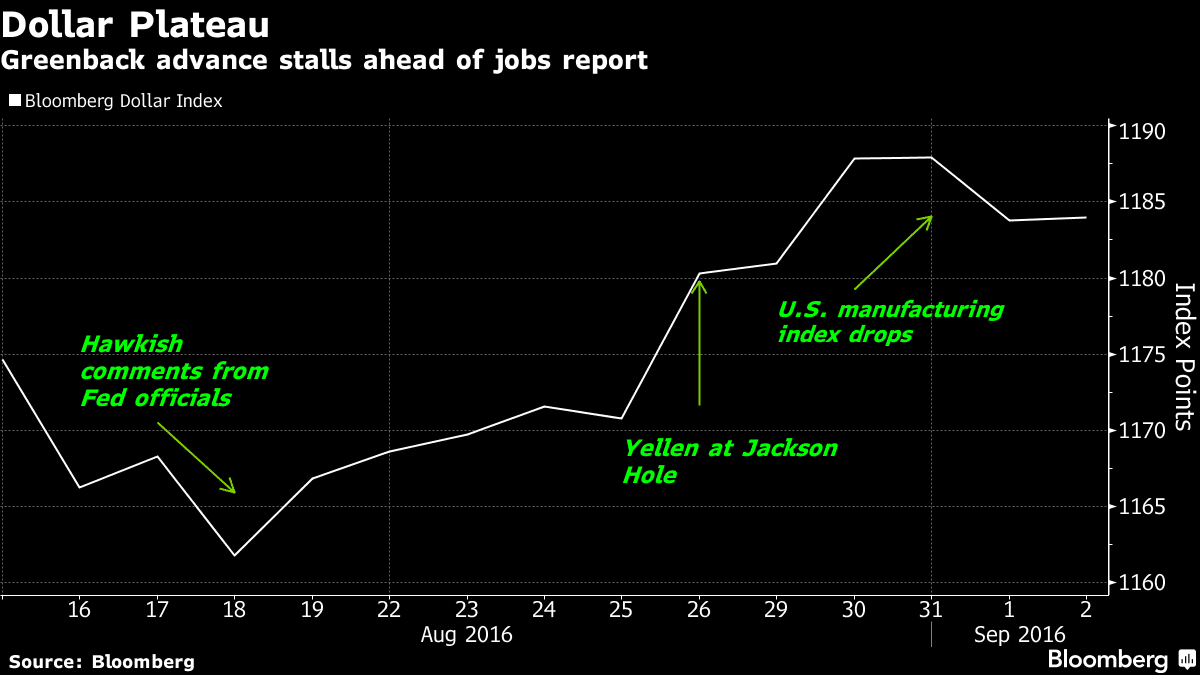
Asian markets were very quiet this morning (Friday, September 2, 2016) as traders prepare for the US jobs report which hopefully will give some direction and hints into the Federal Reserve members thinking before the September FOMC meeting. Asian currencies responded to the lower US dollar after disappointment on the data released by the ISM. US manufacturing slipped a bit but this can also be a simple mathematical anomaly with summer vacations sometime data is reported late or inaccurately. Data showed U.S. factory activity contracted for the first time in six months in August, as new orders and production tumbled. The ISM index was 49.4.
Reuters said that Australian stocks lost 0.7 percent. South Korea’s Kospi and Japan’s Nikkei were flat, and the yen was marginally stronger.
“Some market participants had bet the Fed may raise a U.S. rate as early as this month, but because of the weak ISM data and poor U.S. auto sales, such expectations seemed to have changed,” said Hikaru Sato, a senior technical analyst at Daiwa Securities.
“The U.S. is moving towards tightening, and that direction is the same, but the dollar-yen moves also show that people stepped back from expectations for an imminent hike.”
Asian equity markets took few cues from overnight moves on Wall Street, where stocks were flat with gains in the tech sector offsetting sluggish U.S. factory activity data and lower oil prices.
The Australian dollar gained 3 points as the greenback slid a bit and is trading at 0.7555 and the kiwi is up 4 points at 0.7289 keeping pace with its neighbors.
US Dollar Index Price Forecast
Every new US Dollar Index analysis as it publishes, today's technical signal and key levels, live price — on one page.
See all US Dollar Index forecastsMany traders in the US are already on holiday leading into Labor Day and US markets are closed on Monday, so the response might be muted to the jobs report. Most major currencies weakened against the greenback, as traders awaited the US non-farm payrolls data for August due to come out at 8:30pm Hong Kong time. Recent data showed the US private payrolls grew at a steady pace in August and rose by 177,000, after increasing 194,000 jobs in July.
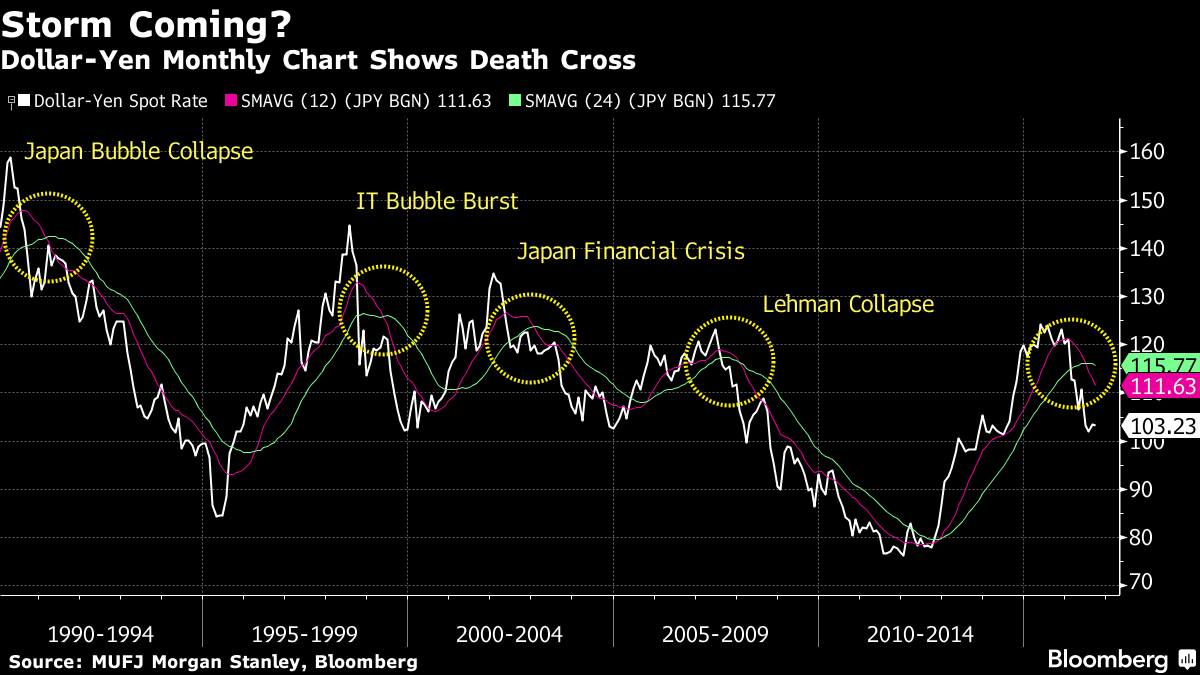
The British pound fell for three days in a row, down 0.13 per cent to trade at 1.3285 on Friday morning. The euro dipped 0.02 per cent to 1.199. The Japanese yen also weakened versus the US dollar, trading 0.11 per cent lower at 103.33. Bank of Japan Kuroda stated that there remains “ample space for additional easing” under the existing policy framework. Data last week showed consumer prices in Japan fell for a fifth straight month, underscoring the central bank’s struggle to spur inflation to its 2 percent target.

The greenback rallied last month, with the dollar index trimming its 2016 loss to 4 percent, as Fed officials signaled that employment and inflation gains have bolstered the case to hike rates. That contrasts with major peers in Europe and Japan, who are boosting stimulus.