The March Fed meeting may have been a turning point. After that meeting the rate hike talk came back. Nobody expected it but the tone from every major central bank that week made traders nervous. All the major central banks including the Fed, ECB, BOE and BOJ held rates steady but warned that higher energy prices could keep inflation elevated. That made traders think rate cuts could be delayed and in some cases that another hike was possible later in the year.
Jaime Martinez Medina, Global Market Strategist at PU Prime commented:
The March central bank meetings marked a clear turning point for markets, as the narrative shifted away from imminent rate cuts toward a renewed focus on inflation risks. While the Federal Reserve, ECB, BOE, and BOJ all held rates unchanged, the tone across the board was notably more cautious, and in some cases outright hawkish, as rising energy prices reintroduced upside risks to inflation.
The Federal Reserve maintained its benchmark rate at 3.50%-3.75%, but its messaging signaled a shift. By explicitly highlighting geopolitical tensions and oil prices above $100 as inflation risks, the Fed reinforced the idea that policy may need to remain restrictive for longer than previously expected. Markets quickly interpreted this as a move away from a pure easing cycle toward a “higher for longer” framework, with even the possibility of further tightening being reconsidered.
The shift was even more pronounced in Europe. The ECB surprised markets by revising its inflation forecasts higher while downgrading growth expectations, effectively acknowledging a stagflationary backdrop. Traders rapidly adjusted expectations, with rate hikes re-entering the conversation after weeks of anticipated cuts. Similarly, the Bank of England adopted a firmer tone, warning of second-round inflation effects and signaling readiness to act if price pressures persist.
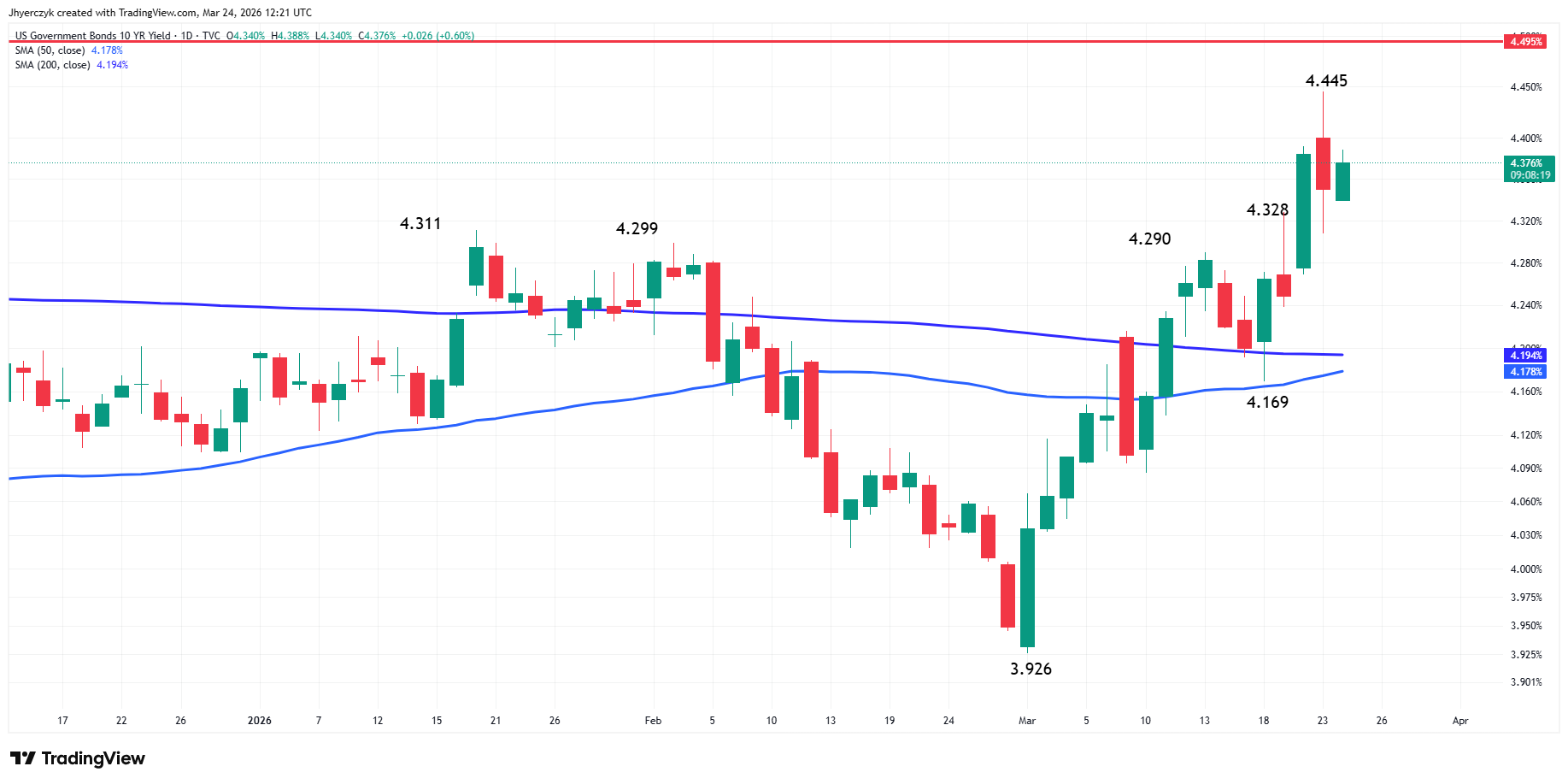
Markets reacted swiftly. Bond yields rose across major economies, with short-term rates particularly sensitive to policy expectations. Equities declined as higher discount rates weighed on valuations, while gold and silver faced pressure from rising real yields despite ongoing geopolitical tensions.
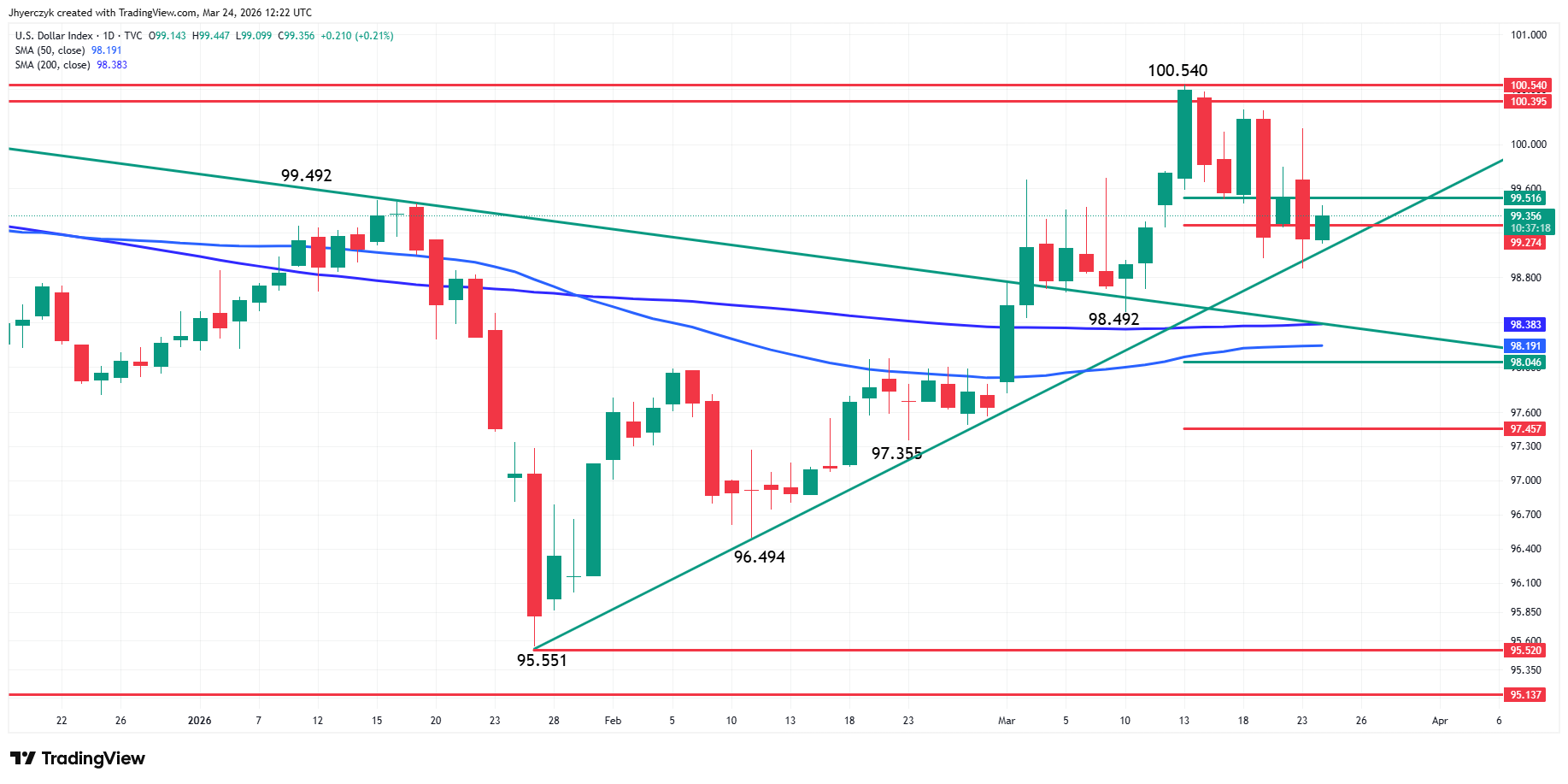
In FX, the dollar weakened as relative policy expectations shifted in favor of the euro and sterling, both supported by a more hawkish outlook from their respective central banks.
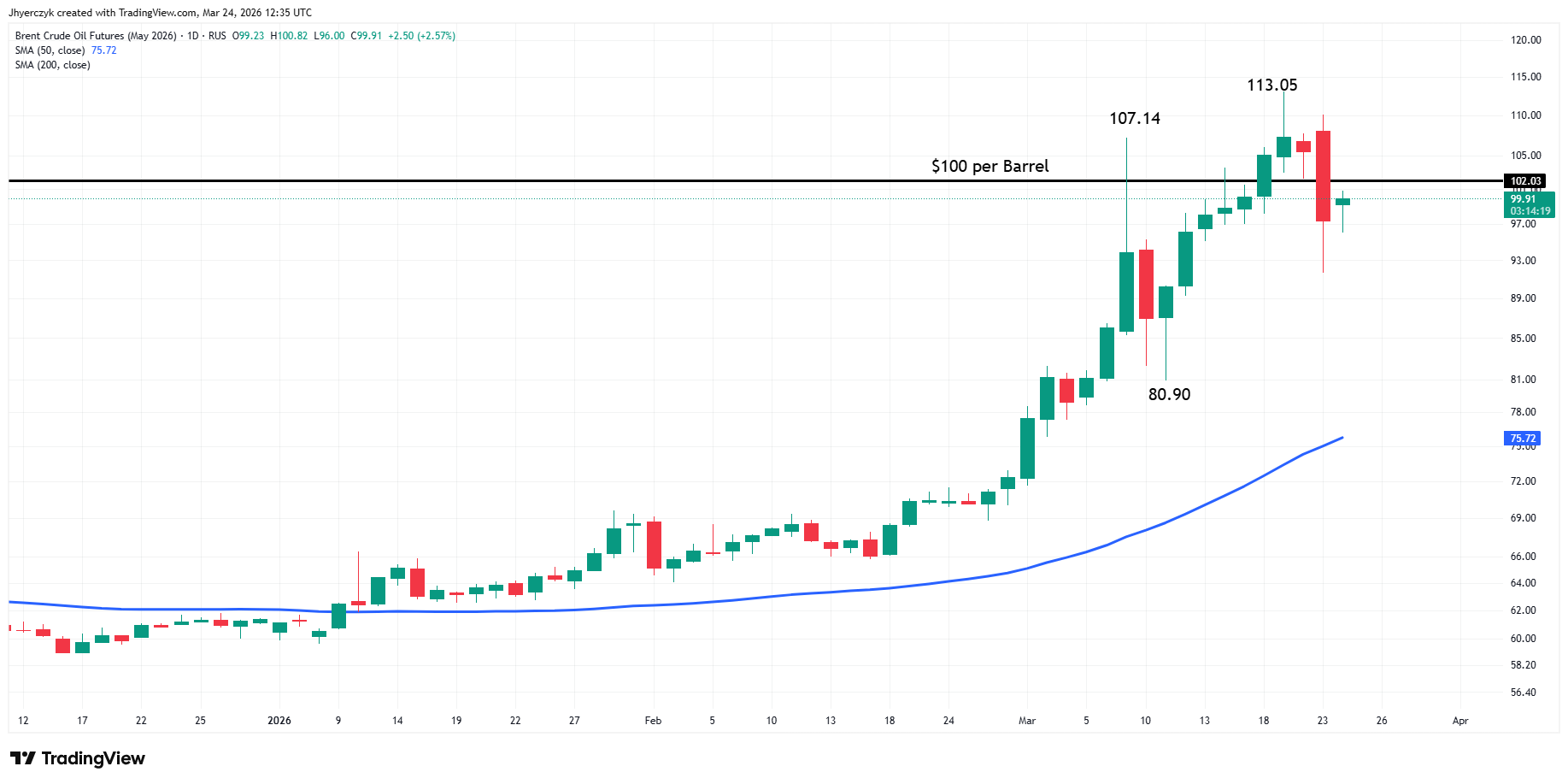
At the core of this shift lies one key variable: oil prices. Sustained levels above $100 increase the risk of persistent inflation, forcing central banks to prioritize credibility over growth support.
In this environment, markets are adjusting to a new reality: one where policy flexibility is reduced, volatility increases, and inflation once again becomes the dominant driver.
Higher for Longer Was the Message Traders Heard
The Fed kept its benchmark interest rate unchanged at 3.50% to 3.75%. But I sensed a more cautious tone than before in its statement. The Fed said the economy was uncertain and put the war squarely on the table as an inflation risk. With oil already over $100 that wasn’t a small thing to say.
With the way the markets reacted, I think investors understood this to mean the Fed was no longer focused on just rate cuts, but was now focusing on inflation risks more closely again.
The Fed didn’t promise a hike but it didn’t have to. The tone said enough without making a promise. The Fed doesn’t have to say hike. Traders hear it anyway. In this case what they heard was higher for longer. That may have put a rate hike on the table. Oil over $100 will do that. When fuel costs run hot, everything else follows. Transportation, business costs, consumer prices. Traders weren’t waiting for confirmation of weak growth and high inflation. They started pricing in the worst case and selling accordingly.
Brent Oil Price Forecast
Every new Brent Oil analysis as it publishes, today's technical signal and key levels, live price — on one page.
See all Brent Oil forecastsECB Forces Markets to Rethink Rate Path
That’s Stagflation and Traders Heard It Loud and Clear
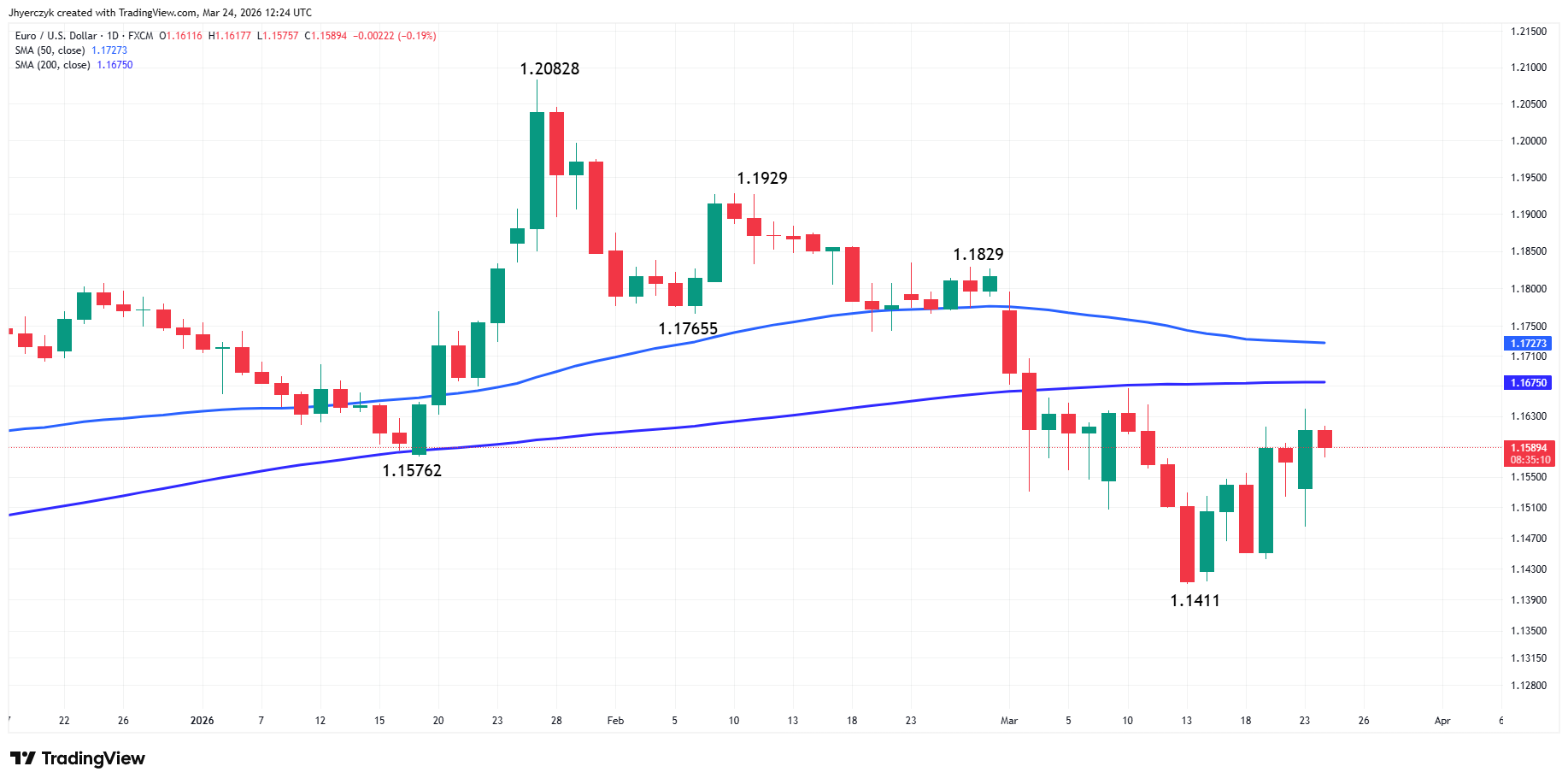
The ECB held rates at its March meeting but the projections were a hawkish shock. They lifted their 2026 inflation forecast to 2.6% from 1.9% in December and cut their 2026 growth forecast to 0.9%. On top of that they warned that a prolonged energy disruption would push inflation even higher while growth fell further. That’s stagflation and traders heard it loud and clear.
Reuters reported traders were already pricing in more than two 25 basis point ECB hikes this year. Sources told Reuters that hike discussions could start as early as April with a move more likely by June. A few weeks ago the talk was still about cuts. Now traders are pricing in hikes. When euro-zone rate expectations shift that fast the euro follows and it did, even with U.S. yields climbing at the same time.
Source: TradingView
BOE Puts Markets on Notice
The MPC Just Fired a Warning Shot
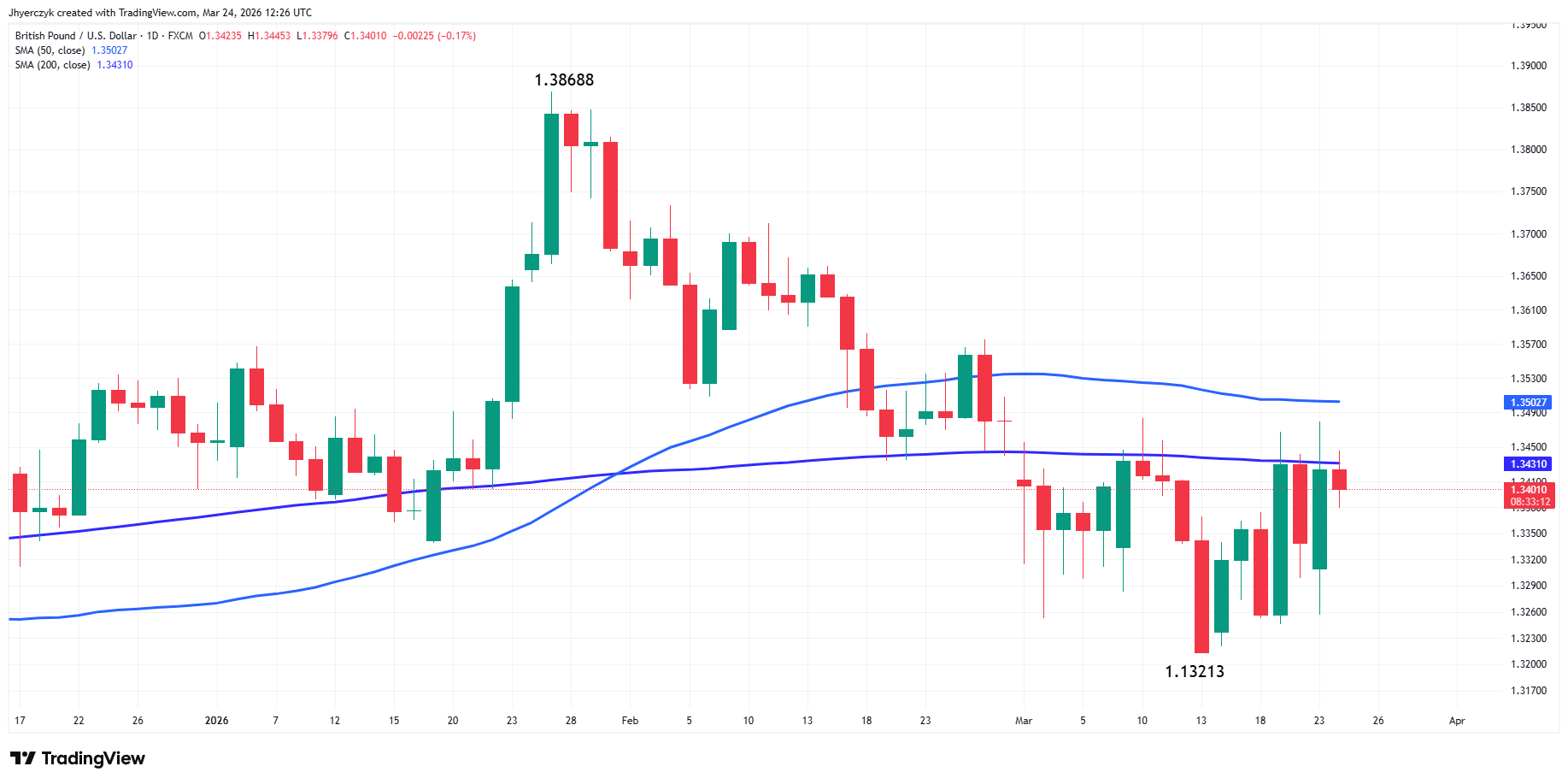
The BOE kept Bank Rate at 3.75% but the minutes were hawkish. The Middle East shock had pushed energy and commodity prices higher and the BOE said CPI was going up in the near term. They also flagged the risk of second-round inflation through wages and pricing. Then came the line traders were focused on. The MPC said it “stands ready to act as necessary.” In my opinion the MPC just fired a warning shot.
The market heard it. Two-year gilt yields jumped around 30 basis points to 4.404% after touching 4.486% earlier. Sterling strengthened sharply and Reuters said the pound was on track for a weekly gain. The market made its own translation. The BOE had moved from “hold then maybe cut” to “hold now, hike if inflation persists.” That’s a significant shift in one week.
Source: TradingView
The BOJ Didn’t Pull the Trigger but the Trigger Is Still Loaded
The BOJ kept its short-term rate at 0.75% but maintained its hiking bias. One board member pushed for a move to 1.0% and got outvoted. The market noticed. The BOJ didn’t pull the trigger but it made clear the trigger is still loaded.
Oil Above $100 and the Clock Is Ticking
Oil told the rest of the story. Oil above $100 a barrel is the key. At that level central banks stop worrying about growth and start worrying about credibility. The fear isn’t just elevated oil prices. It’s what happens next. Energy costs work their way into transport, utilities, goods and wages. Once that process starts it’s hard to stop and every central bank in the room knew it.
Source: TradingView
The Dollar Took the Hit and the Euro and Sterling Gained
The dollar took the hit on March 19, dropping about 1% to 99.19. The euro gained and sterling jumped. The market’s verdict was simple. The ECB and BOE had turned more hawkish than expected and their currencies reflected that. The yen gained too as BOJ intervention talk picked up. The dollar’s weakness wasn’t about the U.S. economy. It was about all the major central banks turning tougher.
Source: TradingView
Yields Rose, Stocks Fell and Metals Got Hit Hard
Yields moved with it. The U.S. 10-year rose and the 2-year rose sharply. UK short yields jumped harder. Stocks fell globally. The S&P 500 slipped below its 200-day moving average and the STOXX 600 had its worst week since March 3. Gold and silver produced massive losses for the week. Higher real yields and rate hike fears hit metals hard even with the war still going. That’s the part the gold bugs never want to hear.
Source: TradingView
Winners and Losers From a Week Nobody Saw Coming
The winners from all of this are energy producers, oil exporters and banks that benefit from higher rates. The euro and pound also look better with central banks forced into a tougher stance. The losers are rate sensitive stocks, small caps, homebuilders, utilities carrying heavy debt and consumers getting squeezed on fuel and borrowing costs. Gold and silver can hedge inflation over time but right now real yields are running against them and that’s what matters in the short run.