In that world, Equities dominated, Bonds offered protection and Commodities were often treated as cyclical side trades. That era is now ending. A far more volatile and fragmented global order is taking its place and it is setting the stage for Commodities to become the defining trade of the next decade.
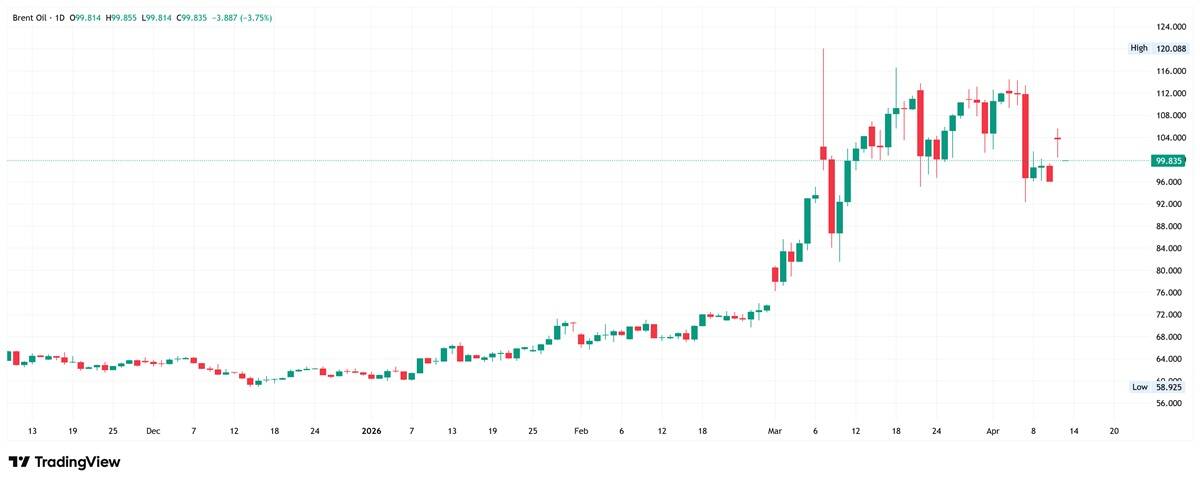
This is not simply a bullish call on Gold, Oil or Copper in isolation. It is a broader thesis on how capital will be forced to reprice hard assets in a world being reshaped by fiscal excess, inflationary pressure, geopolitical conflict, de-globalization and the rapid emergence of a multipolar order. As the old system breaks apart, control over natural resources is becoming one of the most important determinants of economic power.
Lars Hansen, Head of Research at The Gold & Silver Club, believes the market is still dramatically underestimating what comes next.
“Traders are still looking at Commodities through a cyclical lens,” he says. “What is developing now is much bigger. This is a structural repricing of real assets in a world that is becoming more fractured, more protectionist and far more aggressive in securing supply.”

A Multipolar World Is Repricing Real Assets
For years, markets operated under the assumption that globalization would keep supply chains efficient, inflation contained and raw materials readily available. That assumption has been shattered. Energy shocks, shipping disruptions, export controls, sanctions, resource nationalism and military conflict have all exposed how fragile the global supply system really is.
Simultaneously, the world is moving away from a unipolar model, towards a multipolar system in which regional powers increasingly compete for influence, production and strategic control.
That matters enormously for Commodities. In a multipolar world, nations do not simply buy what they need on demand. They hoard. They stockpile. They secure bilateral supply agreements. They weaponize exports. They build redundancy into supply chains. They prioritise national security over market efficiency.
This shift is already underway.
The scramble for Oil, Natural Gas, Copper, Silver, Uranium, Rare Earths and Agricultural Commodities is no longer just about price. It is about access. It is about resilience. It is about who controls the inputs required to power AI infrastructure, military capacity, energy systems, transportation networks and industrial production.
Bank of America, has warned that amid rising geopolitical and macroeconomic turbulence, traders and investors alike should be aggressively positioning in Commodities in the years ahead.
Their view is that Commodities could replace Equities as the biggest winner in non-bond trades through the remainder of the 2020s, as capital seeks protection against inflation, geopolitical instability and a weakening U.S dollar.
Brent Oil Price Forecast
Every new Brent Oil analysis as it publishes, today's technical signal and key levels, live price — on one page.
See all Brent Oil forecastsHoarding, Fragmentation and the Next Supply Squeeze
This is where the bullish case becomes even more explosive. The Commodity story is no longer simply one of strong demand. It is one of repeated supply squeezes in a world that has underinvested in production capacity for years while simultaneously increasing strategic demand.
Governments are hoarding Critical Minerals. Central banks continue accumulating Gold. Energy producers are navigating political constraints, sanctions and conflict risk. Manufacturers are trying to lock in access to essential inputs before the next disruption hits. In a less cooperative world, every supply scare becomes more violent because the cushion of freely moving global inventory is shrinking.
“The next decade is likely to be defined by a series of rolling supply squeezes,” Hansen says. “Not one event, but repeated shocks across Energy, Metals and Soft Commodities as governments, institutions and corporations race to secure what they cannot afford to run out of.”
That is the point many traders and investors still have not grasped. In a fragmented world, Commodities do not need perfect demand conditions to rise. They simply need constrained supply, persistent insecurity and a market that is caught under-positioned.
Hard Assets Are Moving Back to the Centre of Capital Allocation
At the same time, the traditional alternatives look less convincing. Government bonds are no longer the unquestioned portfolio hedge they once were, particularly in an environment of rising debt, fiscal overspending and unstable inflation. Equities may continue to attract flows, but valuations remain vulnerable to rising input costs, margin compression, geopolitical shocks and stagflation pressures.
By contrast, Commodities sit at the intersection of inflation protection, strategic scarcity and geopolitical relevance. They are not peripheral to the next decade’s biggest themes. They are the raw materials that make those themes possible.
And that is why this opportunity carries such urgency. Despite powerful moves already seen across the Commodity complex, the trade still appears under-owned relative to its potential. Most traders remain psychologically anchored to the last regime. They are still treating hard assets as a hedge rather than recognising them as leadership.
That hesitation may prove costly. Because once the market fully understands that a multipolar world means more hoarding, more resource nationalism and more supply squeezes, Commodities will not be cheap. They will be crowded. They will be politically sensitive. And they will be significantly higher.
The biggest trade of the next decade may not be the one everyone is talking about today. It may be the one the world is about to chase all at once. By then, the easy money will already have been made.