
Ethereum’s native token, Ether (ETH), looks primed for a bigger rally as macro tailwinds, on-chain demand, and institutional buying align.

US–Iran Peace Talks Favor Ethereum Uptrend
Ether has pushed higher for three straight weeks and is attempting a fourth, tracking a broader recovery in global risk sentiment. Markets have turned cautiously optimistic as the US and Iran prepare to resume peace talks, easing fears of a prolonged oil supply shock.
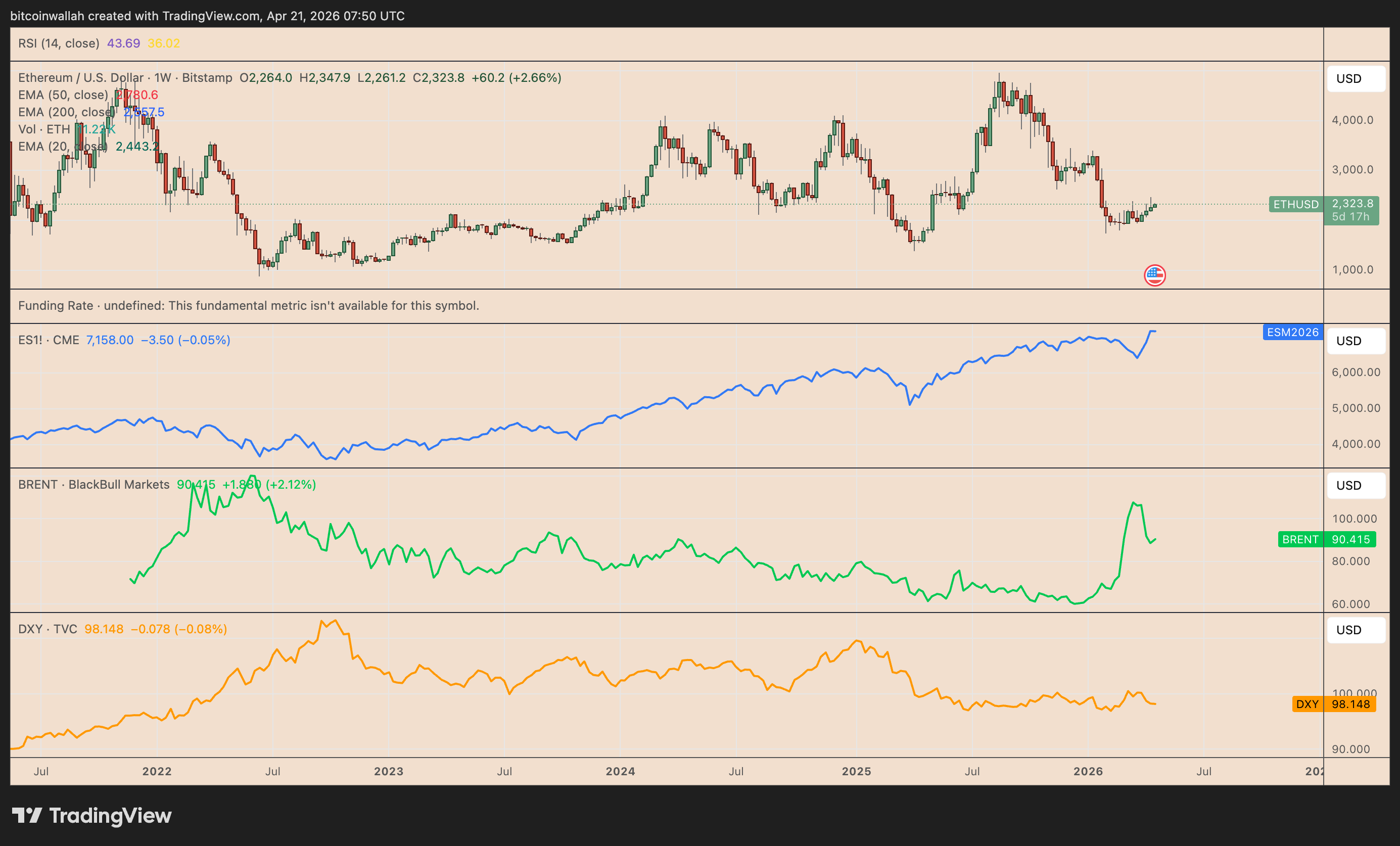
Crude prices have softened as traders price in diplomacy, reducing inflation pressure and improving conditions for risk assets like crypto. That shift matters. When oil cools and macro uncertainty fades, liquidity tends to rotate back into higher-beta assets, including Ethereum.
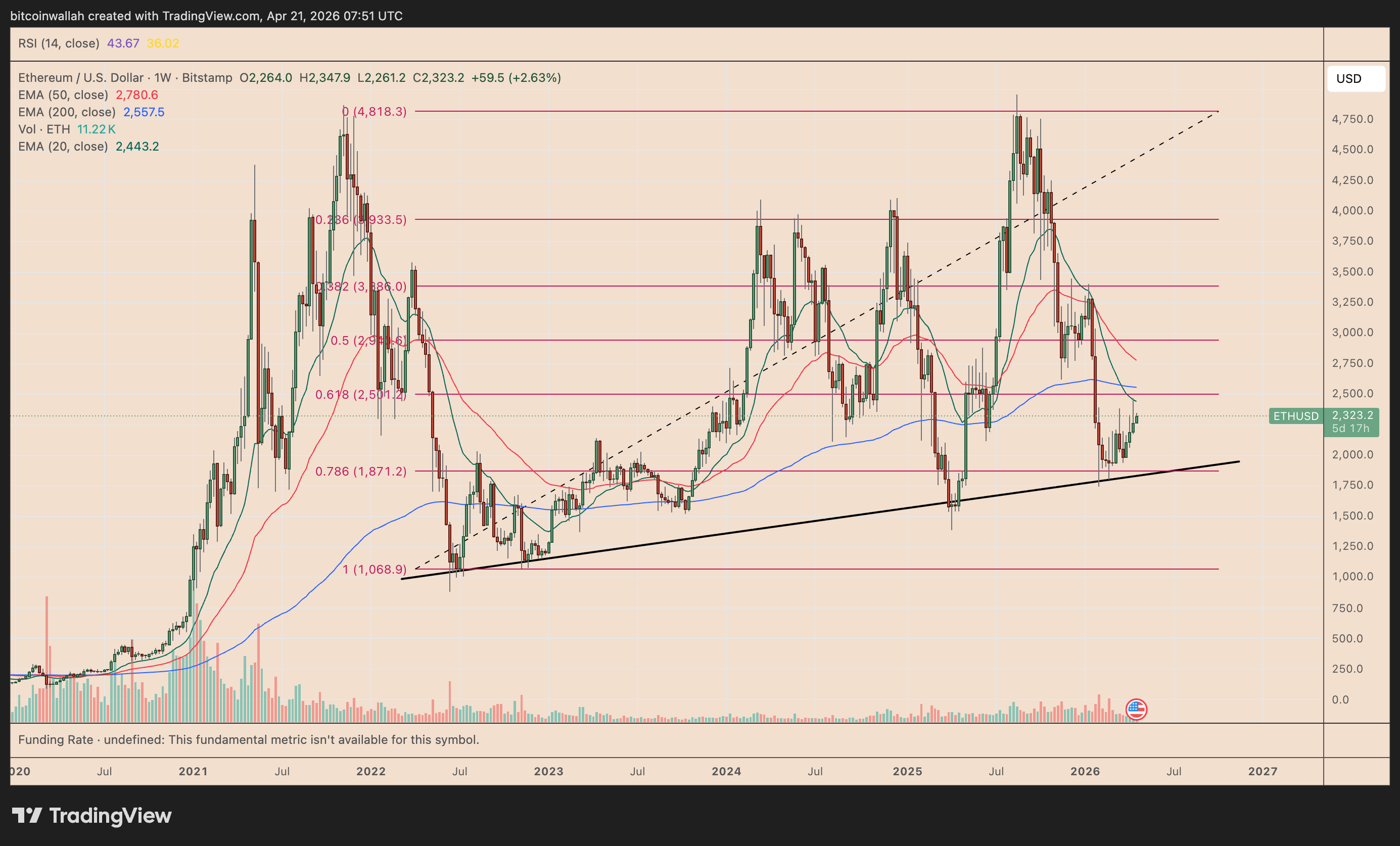
If the current trend holds, Ethereum could climb toward its 20-week EMA near $2,443 and the 200-week EMA around $2,558. A clean move into this $2,440–$2,560 range would confirm strength and open the door for a broader continuation higher.
Ethereum Price Forecast
Every new Ethereum analysis as it publishes, today's technical signal and key levels, live price — on one page.
See all Ethereum forecastsSupply Squeeze Signals Stronger Upside Ahead
Beyond macro, Ethereum’s on-chain structure shows a tightening supply dynamic.
Data reveals that accumulation addresses, wallets steadily buying ETH, now outnumber wallets preparing to sell. This shift signals that large players have moved from a “wait-and-see” phase into active accumulation.
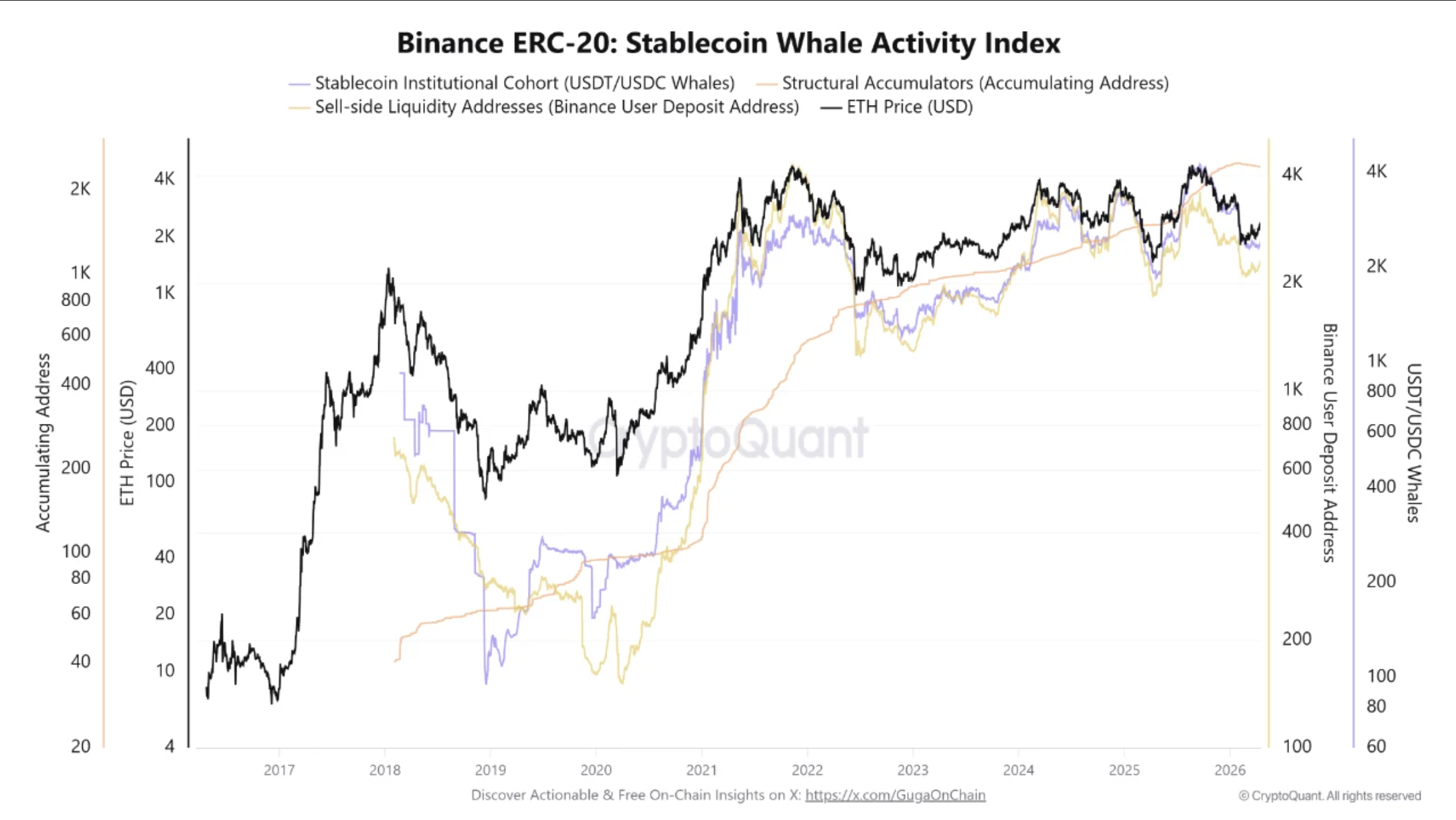
At the same time, exchange inflows remain muted. Fewer users are depositing ETH into Binance, which typically signals selling intent. Lower deposits mean less immediate supply hitting the market.
For every address sending ETH to sell, roughly two are either accumulating or holding stablecoins ready to deploy. This creates a supply-demand mismatch that favors price appreciation.
Analysts often describe this setup as a “supply squeeze.” Liquidity on exchanges dries up while demand builds in the background. Historically, such conditions precede sharp upside moves, especially when combined with improving macro sentiment.
Unless exchange deposits spike suddenly, Ethereum’s current structure points to a high-probability breakout scenario in the near term.
Bitmine’s Ether Accumulation Adds Institutional Fuel
Institutional behavior reinforces the bullish case.
Bitmine has emerged as one of the most aggressive Ethereum buyers in recent weeks. The firm added around 71,524 ETH in mid-April alone, marking one of its largest single-week purchases.
JUST IN: 💰 BitMine bought 101,627 ETH in the past week, its fastest pace of buys since December, bringing its total Ethereum holdings to 4.976 million ETH. pic.twitter.com/kUKeGJeyLW
— CoinMarketCap (@CoinMarketCap) April 20, 2026
This is not an isolated move. Bitmine now holds roughly 4.87 million ETH, about 4% of the total circulating supply, making it the largest public Ethereum treasury holder.
More importantly, the company continues to accumulate rather than rotate or distribute.
That distinction matters. Consistent large-scale buying removes supply from circulation and locks it into long-term storage, tightening market liquidity further.
Management has already signaled a goal of controlling up to 5% of Ethereum’s total supply over time. If that strategy continues, it introduces a structural demand layer similar to what Strategy did for Bitcoin.