Equity Markets Hold Steady Around All-time Highs
Major US equity benchmarks concluded modestly lower yesterday amid renewed tensions in the Middle East and a looming ceasefire deadline set to end Wednesday evening in Washington – I could have sworn the two-week ceasefire was supposed to end today.
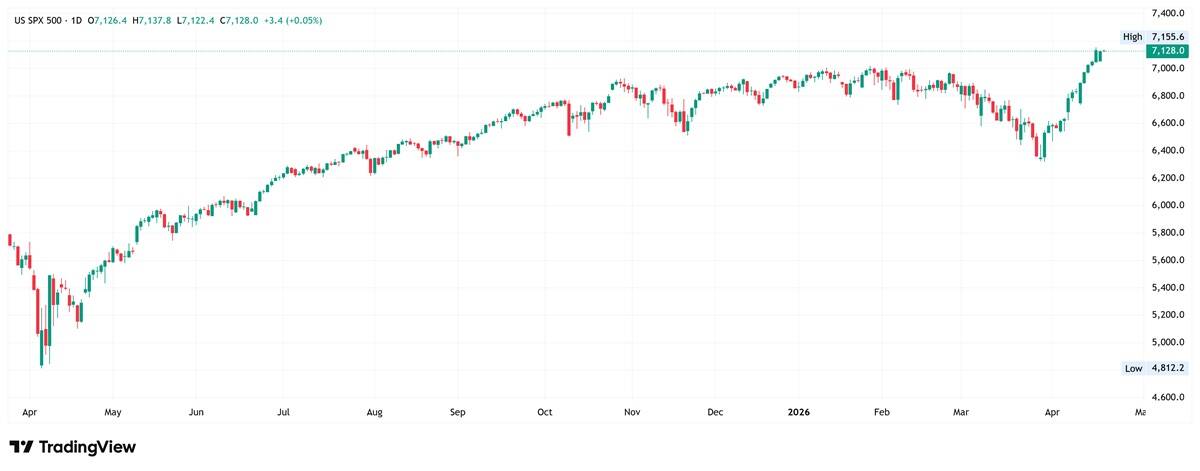
The S&P 500 finished off worst levels, down 0.2% on the day at 7,109, while the Nasdaq 100 fell 0.3% to 26,590 and snapped a 13-session winning streak. Notably, though, both indexes are just shy of their all-time highs.
Despite headlines and threats over the weekend, the market’s mood on Monday was cautious rather than panicked. Investors are clearly waiting for new information, whether on the geopolitical front or in earnings. The market’s tentative approach is also entirely understandable, given the mixed messaging surrounding the Middle East conflict, where a positive headline one day can turn negative the next.
Oil Prices Pare Gains
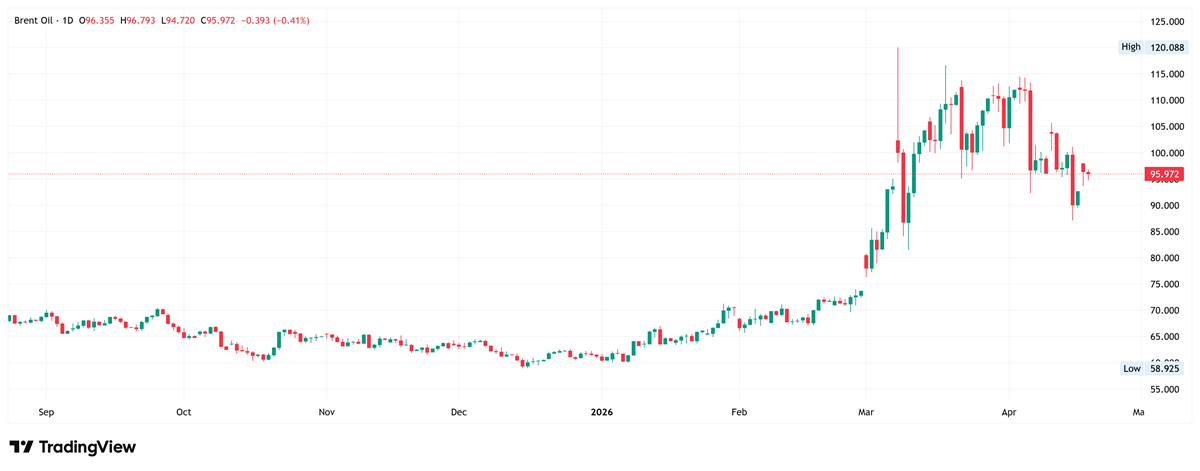
In the commodities complex, oil benchmarks opened the week repricing geopolitical risks, with both WTI and Brent gapping higher. The bid was further bolstered by the US seizing an Iranian cargo ship. Nevertheless, even with the Strait of Hormuz still closed and tensions elevated, oil prices pulled back by yesterday’s close, ending a touch above Friday’s levels.
US Treasury yields were little changed yesterday, though we are seeing a modest case of bull flattening this morning. In FX, the USD index filled the initial ‘haven’ gap higher at the open on Monday, as traders sold into the buck amid optimism over a ceasefire deal, despite the weekend’s messaging.
Inflation Data: New Zealand Beats; Canada Muted
Outside of geopolitics, following a rather muted March Canadian CPI inflation report yesterday, the Q1 26 New Zealand CPI inflation data landed overnight. Both the YY and QQ printed modest beats at 3.1% and 0.9%, respectively, and were enough to provide a tailwind for the NZD versus its G10 peers. That said, the annual figure was unchanged from Q4 25, making a material shift in RBNZ rate expectations unlikely. Rate markets are currently pricing approximately 78 bps of tightening by year-end.
UK Jobs Data Show Stagflation Pressures Persist
Earlier this morning, the February UK jobs report hit the wires, showing unemployment easing to 4.9% from 5.2% in January, with wage data coming in higher than expected – albeit softer than January’s readings – and job vacancies dipping to their lowest levels since early 2021. The March HMRC payroll data also reported a drop of 11,000, following a revised fall of 6,000 in February. The ongoing conflict in Iran is forcing UK businesses to adopt defensive cost-cutting measures due to rising energy costs, supply chain disruptions, low business confidence, and compounded domestic outlays.
Brent Oil Price Forecast
Every new Brent Oil analysis as it publishes, today's technical signal and key levels, live price — on one page.
See all Brent Oil forecastsAs a result, the BoE is facing a stagflation trap, forced to raise the bank rate to combat rising inflation in a weak economy. The softer wage growth offers the BoE some modest breathing room. However, with payrolls and vacancies deteriorating, and the Strait still blockaded in the Middle East, the GBP is a difficult currency to get excited about at the moment. Tomorrow’s March inflation print is the key near-term catalyst, with a stronger reading likely to reinforce the stagflation narrative.
Day Ahead: Fed Nominee Warsh’s Hearing on Deck
In terms of the day ahead, while we do have the US March retail sales data at 12:30 pm GMT, Fed Chair nominee Kevin Warsh’s Senate hearing is likely to overshadow the print at 2:00 pm. Interestingly, his prepared remarks were released a day early, which is unusual and unexplained.
Ultimately, traders will be watching for anything on Fed independence. Warsh’s tone regarding whether he is siding with hawks or doves will be another watched aspect. You will recall that the Fed is the only DM central bank currently expected to ease rates by year-end, though I must say we have seen a modest dovish repricing across all curves compared to a month ago. Traders will also be watching for Warsh’s balance sheet plans, as a faster rundown would tighten financial conditions and generally provide a bid for the USD.
In addition to Warsh claiming the spotlight, Governor Christopher Waller is scheduled to speak before the Brookings Institution in Washington.
Written by FP Markets Chief Market Analyst Aaron Hill